
A fast food counter can look simple from the dining room, but former McDonald's workers often describe a much more tightly managed system behind it. These eight behind the scenes details come up again and again in employee accounts, and together they explain why some menu items taste better, move faster, or disappear at certain times.
Fries are often the freshest order in the building
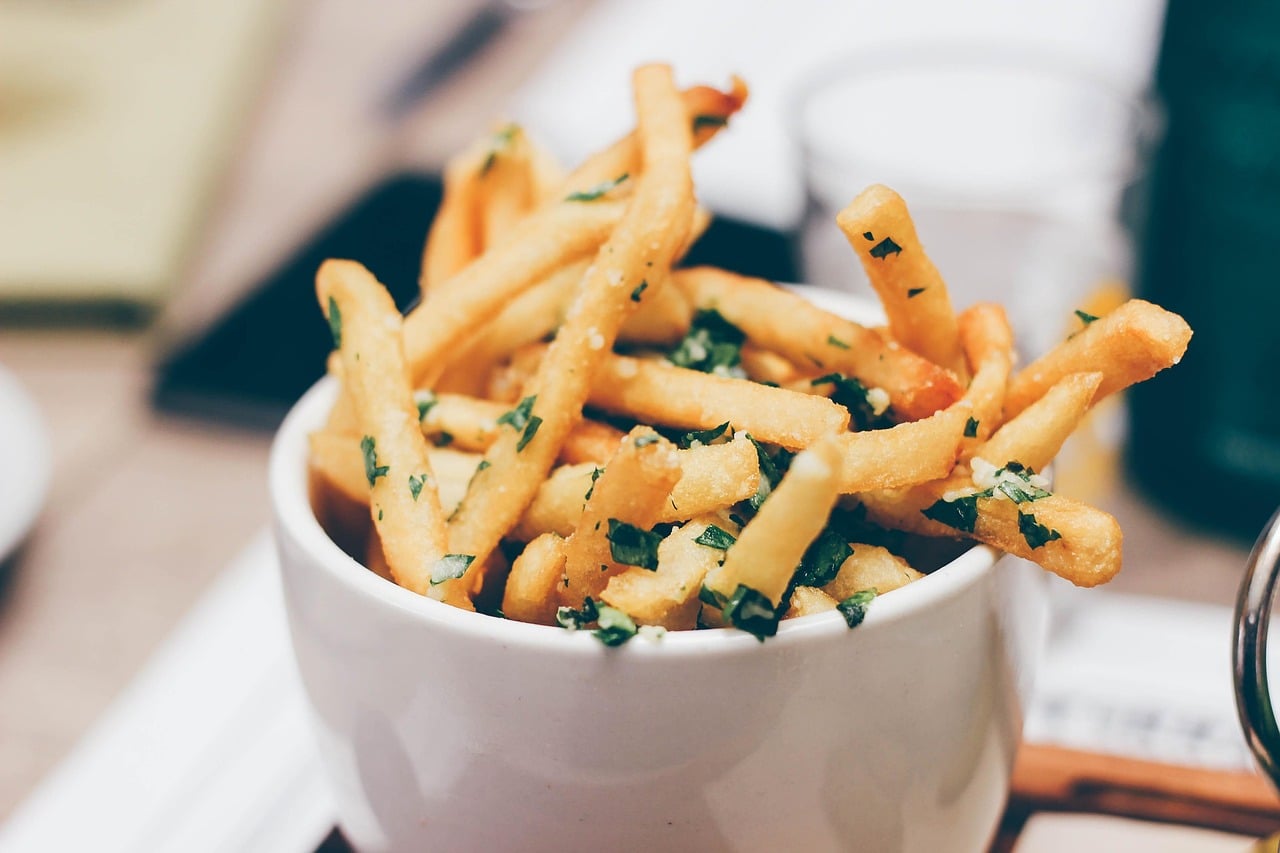
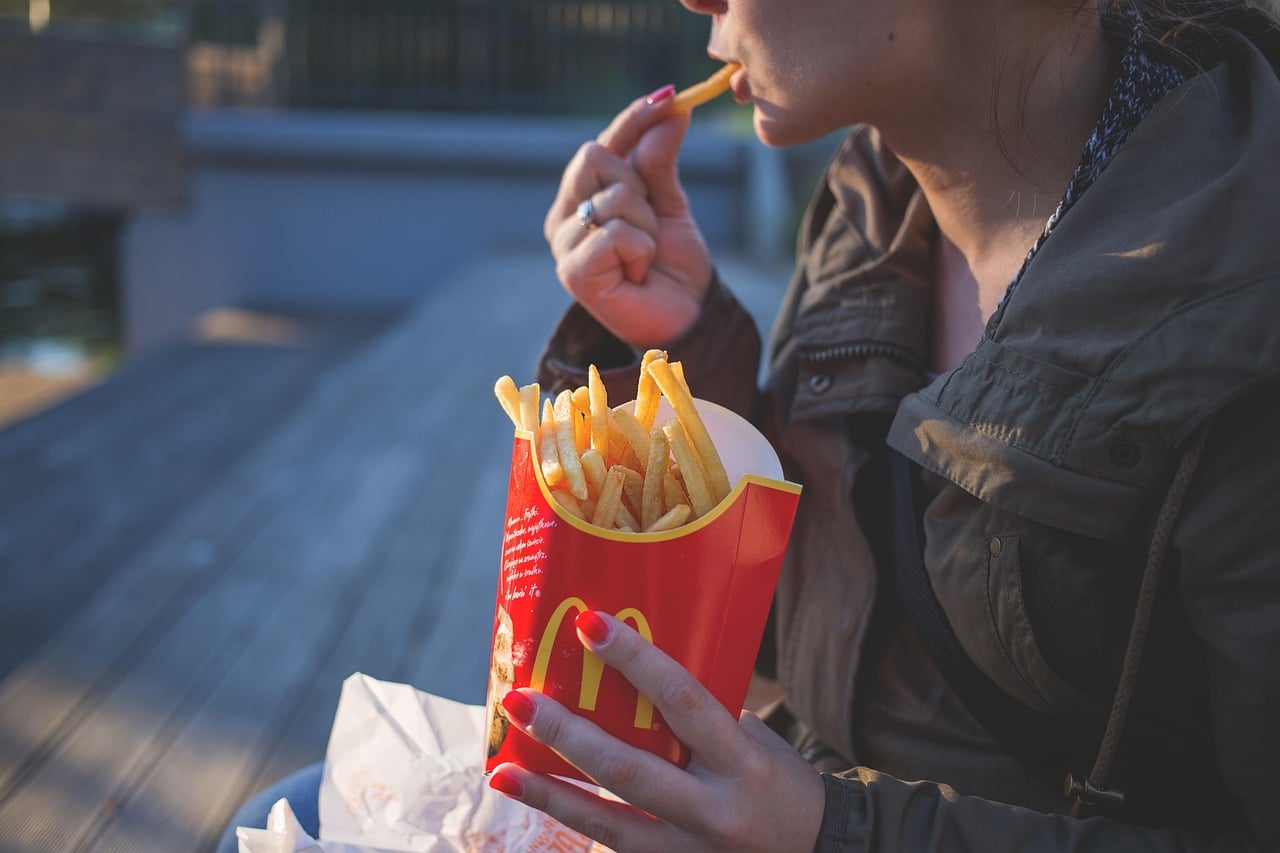
Few menu items get as much constant turnover as McDonald's fries. Former employees frequently say the fry station is one of the busiest spots in the kitchen, which means new batches are dropped and salted throughout the day, especially during lunch and dinner rushes.
That speed matters because fries are at their best within minutes of leaving the fryer. Staff accounts often note that a burger might sit in a warming area briefly during a rush, but fries usually move out much faster because so many customers order them.
Workers also say customers who request unsalted fries may trigger a fresh batch. That does not make the standard fries old by default, but it does show how the system is built around high volume and quick replacement rather than long holding times.
The ice cream machine problem is often more complicated than it looks

The running joke about McDonald's ice cream machines being broken has enough truth behind it that even former staff talk about it openly. The issue is not always a simple mechanical failure. Employees often describe a machine that shuts down for cleaning cycles, pasteurization, or error codes that can take time to clear.
In many restaurants, the machine is also managed under strict food safety rules. If a cleaning process is interrupted or a part is not seated correctly, the system may lock out service until it is reset or serviced.
That can make a machine appear broken even when the problem is procedural, not catastrophic. Former workers often say the real frustration is that front counter staff may have no quick fix, so customers hear the same short explanation for a range of very different problems.
Breakfast cutoffs are usually about equipment, not stubbornness
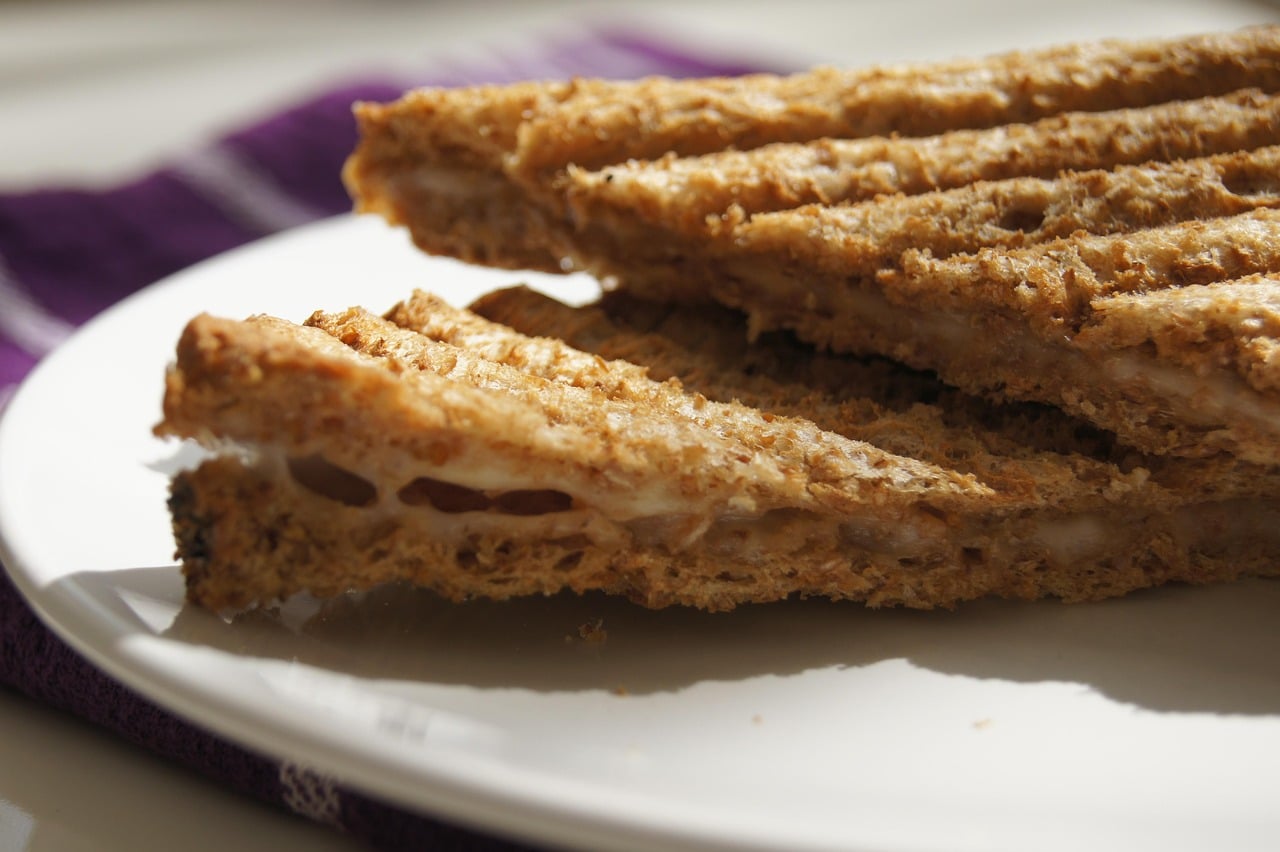
The end of breakfast service can feel arbitrary from the customer side, but former employees often say it comes down to kitchen logistics. Many McDonald's locations use shared grill and assembly space, so switching from eggs, sausage, and muffins to the full lunch lineup takes coordination.
Once that changeover starts, making a few extra breakfast sandwiches can slow everything down. Workers describe separate ingredient bins, cooking surfaces, and holding procedures that need to be reset to keep the line moving.
That is why some stores have very firm breakfast cutoff times. It is less about refusing a request and more about protecting speed for the larger wave of orders that arrives as lunch service begins.
Custom orders can disrupt the line more than customers realize
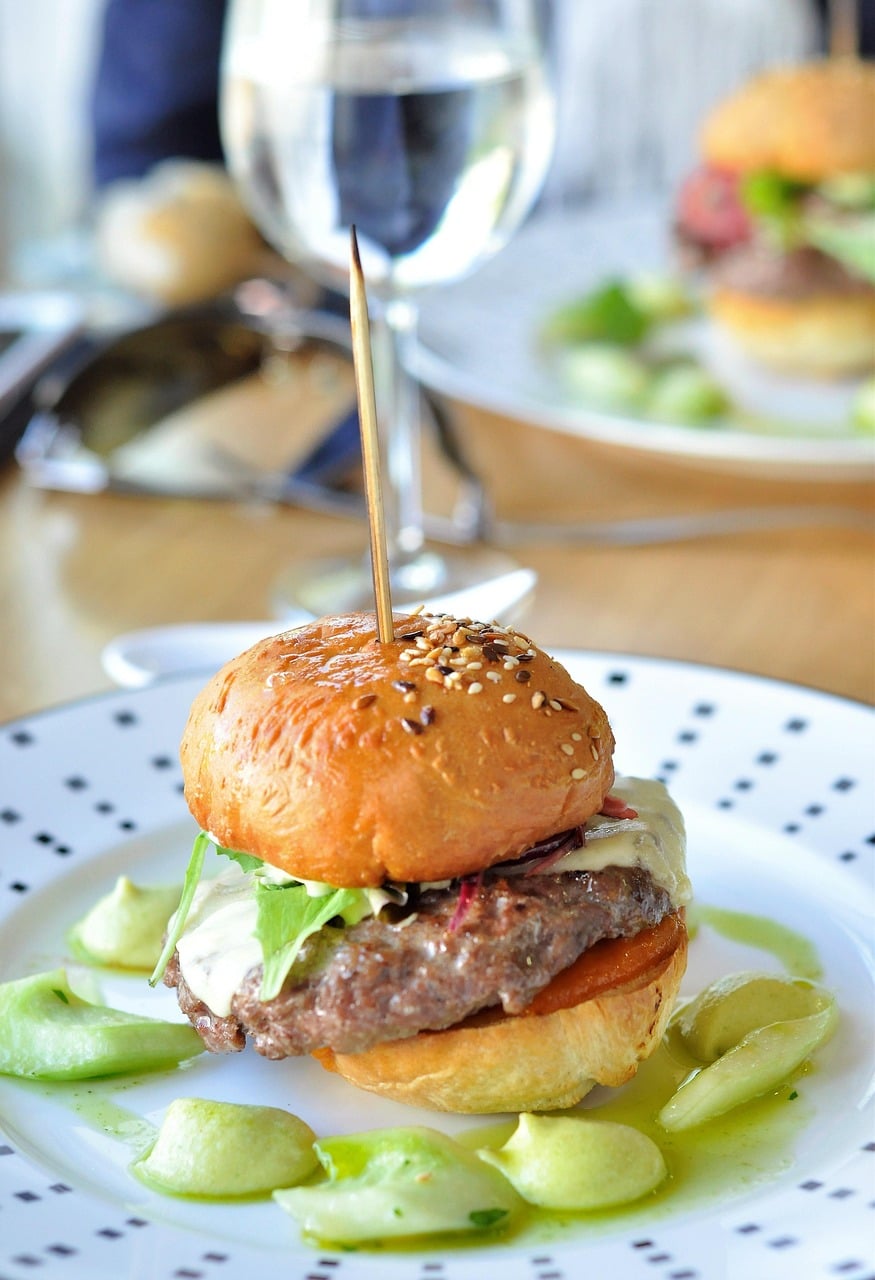
A burger without onions may sound like a tiny change, but former staff often say custom orders create a ripple effect in a kitchen built for repetition. McDonald's is designed around consistency, so unusual modifications can require separate assembly, extra checks, and more communication between stations.
That does not mean staff resent every special request. Many say simple changes are routine. The challenge comes when several heavily modified orders arrive at once, especially in the drive thru where timing is watched closely.
In those moments, one complicated ticket can slow multiple cars. Former workers often point out that the issue is not the request itself, but the fact that the system works fastest when many orders follow the standard build.
The drive thru timer shapes a lot of what happens
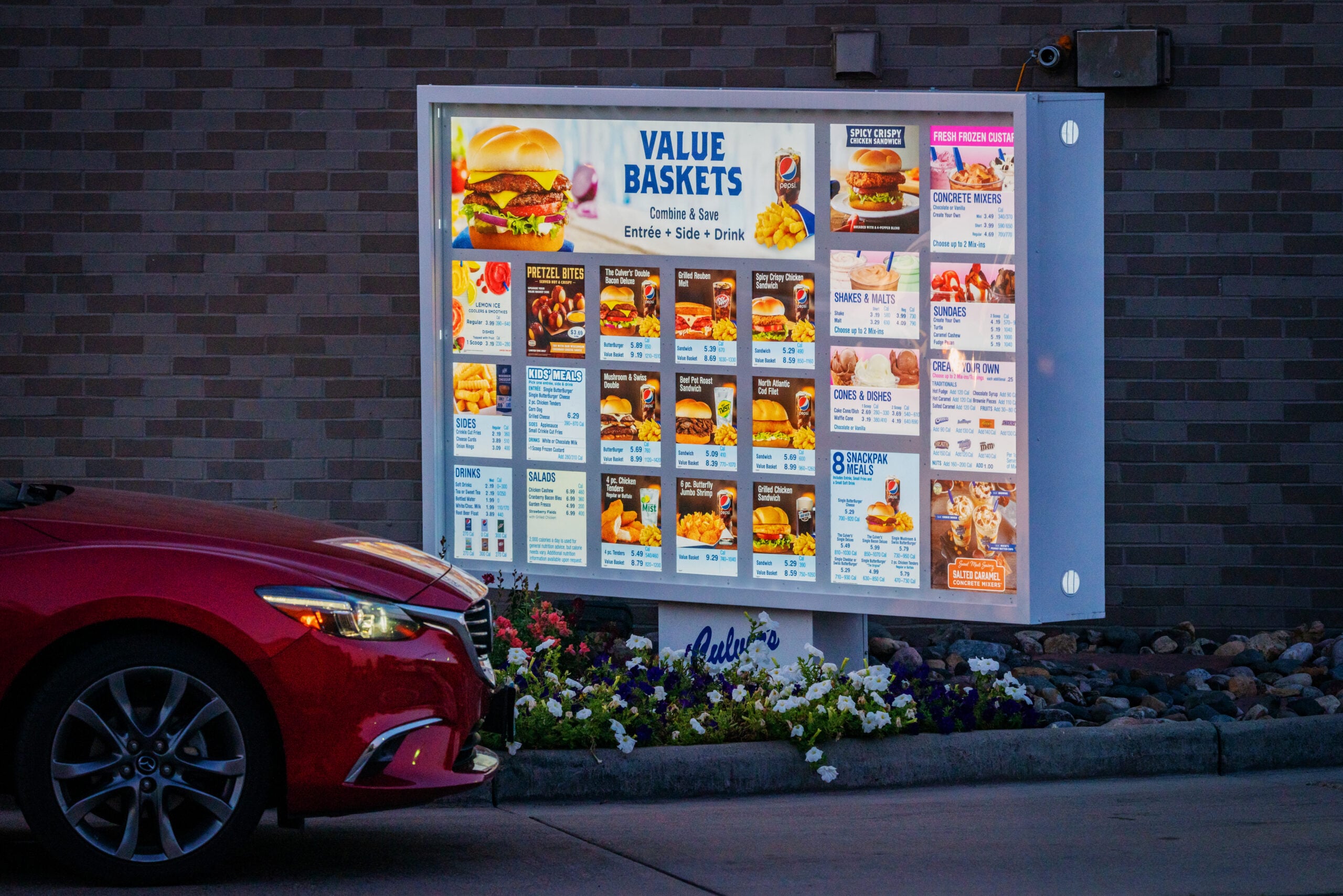
Former employees regularly mention drive thru timers as one of the biggest pressures in the restaurant. Those timers track how long a car spends in line and at the window, and managers often use the numbers as a key measure of performance.
That pressure can influence everything from how workers stage food to when they ask a car to pull forward. If an order is taking too long, moving that vehicle out of the lane can keep the average time from rising further for the whole line.
Employees say this can be useful when a large order needs extra cooking time. It can also feel frustrating for customers, but the goal is usually to keep the lane flowing rather than to single out one car.
Late night quality can depend on volume
A busy lunch shift and a quiet late night shift can feel like two different restaurants. Former staff often say quality is most consistent when orders are steady, because ingredients are being cooked, replaced, and assembled at a faster pace.
During slower overnight hours, some items may be made less frequently. Food safety rules still apply, but lower volume can affect how recently a batch was prepared, particularly for products that are not ordered as often after midnight.
That helps explain why one customer swears by a menu item while another has a disappointing version of the same thing at a different hour. Timing, staffing, and order volume all play a bigger role than many customers realize.
Not every location handles the rush the same way
One reason McDonald's experiences vary so much is that individual restaurants can operate very differently. Many are franchises, which means they follow brand standards but still have different owners, managers, staffing levels, and local habits.
Former employees often stress that one store's problem does not automatically describe every store. A well run location may have tighter cleaning routines, better crew training, or stronger scheduling during peak hours than another restaurant across town.
That local variation affects speed, accuracy, and even how often machines go offline. It also explains why customers can have a smooth experience at one McDonald's and a frustrating one at another, despite seeing the same menu and branding.
The cleanest looking hour is not always the easiest hour to work
Customers usually notice a spotless lobby or neatly stocked condiment station, but former workers often say the hardest part is keeping everything that way during nonstop service. Cleaning at McDonald's is layered into the shift, not saved for one big reset.
That means staff may be wiping surfaces, rotating stock, emptying bins, and checking temperatures while also handling a rush. Those overlapping tasks are one reason service can briefly slow even when the dining room looks calm.
Former employees say the secret is not that restaurants cut corners, but that the best crews are constantly multitasking behind the scenes. When that work is done well, customers mostly notice that everything feels smooth, even if the pace in back is intense.


Leave a Reply