
Restaurant kitchens can look intimidating, but many of their best habits are surprisingly practical at home. These eight culinary school techniques are less about showing off and more about cooking with better control, less waste and stronger flavor.
Mise en place
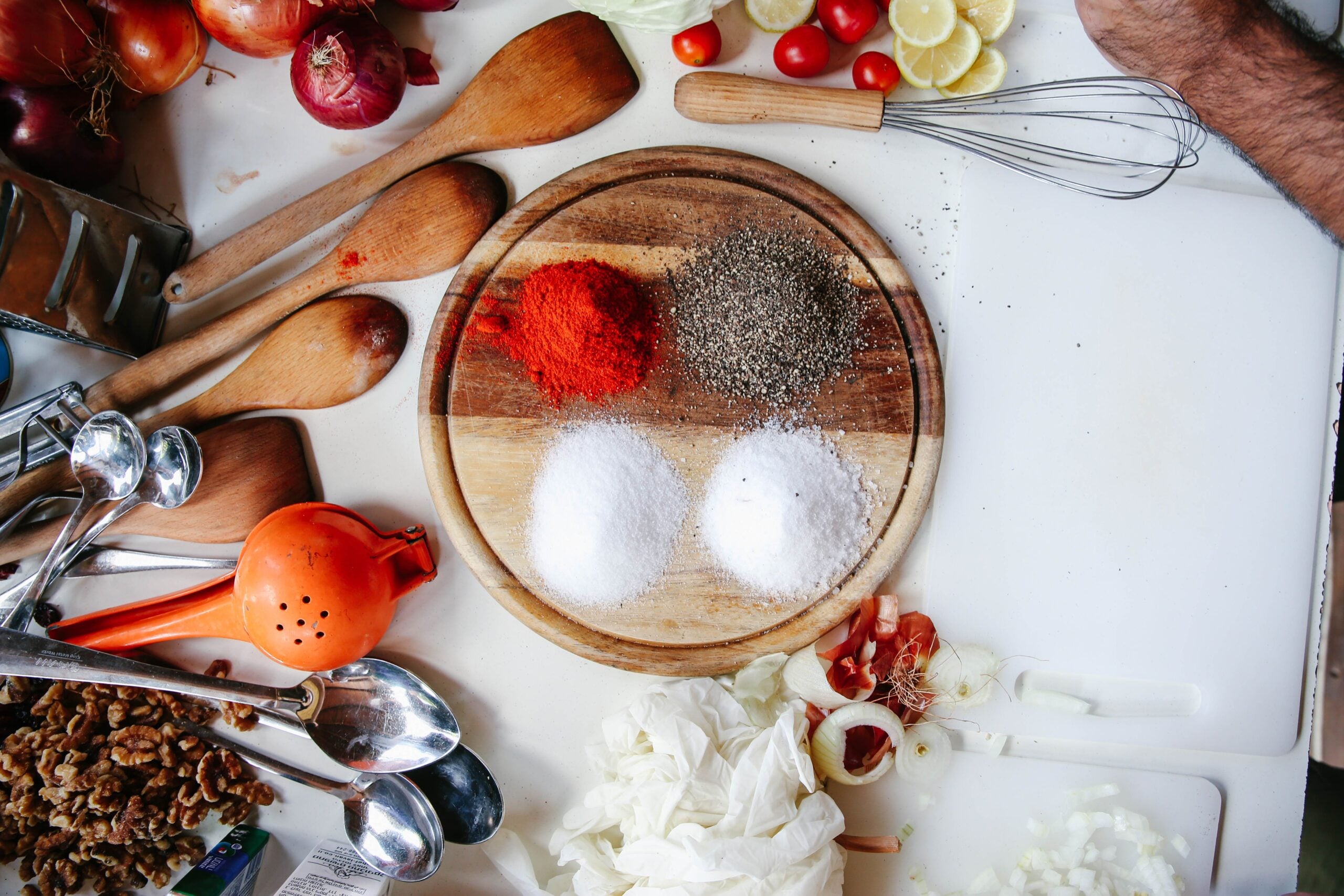
One of the first lessons in culinary school is mise en place, a French term that means putting everything in its place. In practice, it means measuring ingredients, chopping vegetables, gathering tools and reading the recipe before the heat goes on.
Home cooks have embraced it because it lowers stress. When garlic is already minced and spices are already portioned, there is less risk of burning onions while hunting through a cabinet. It also helps with timing, especially in stir fries, pan sauces and other fast recipes.
This habit does more than keep counters tidy. It can improve consistency, because ingredients go in at the right moment and in the right amount. In professional kitchens, that kind of organization keeps service moving. At home, it simply makes dinner feel calmer and more manageable.
Knife skills
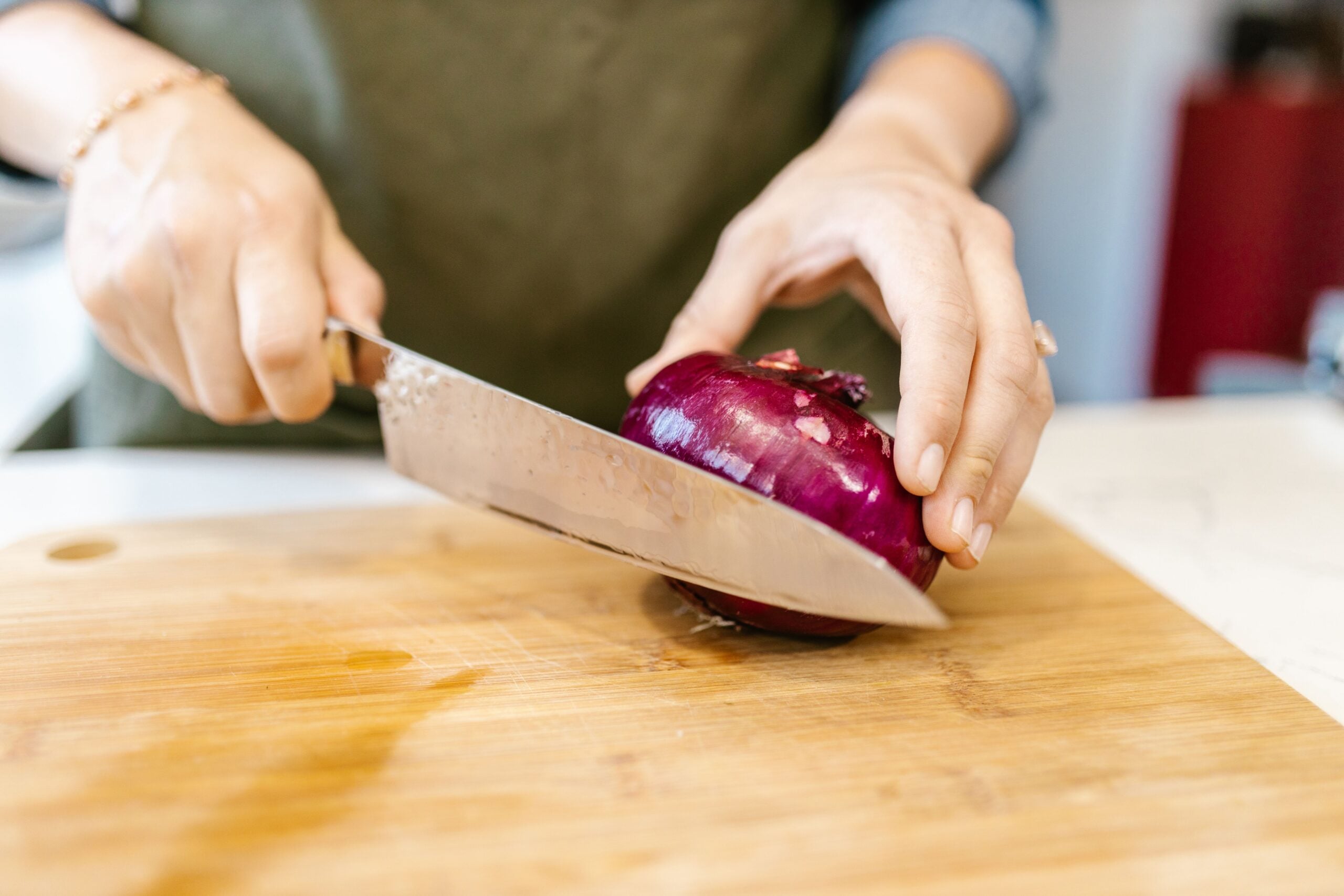
Good knife work is not about fancy cuts for their own sake. Culinary students spend serious time learning how to hold a chef's knife, guide it with their knuckles and cut food into even pieces so it cooks at the same rate.
That has obvious value at home. Uniform cubes of potato roast more evenly than a tray full of random chunks. Thin, consistent slices of onion soften at the same pace, which matters in soups, sautés and caramelized onions.
Many home cooks are also learning that sharp knives are safer than dull ones. A sharp blade requires less force, which means fewer slips. Simple skills like the claw grip, proper slicing motion and regular honing can make prep faster and more controlled, even for weeknight meals.
Dry brining
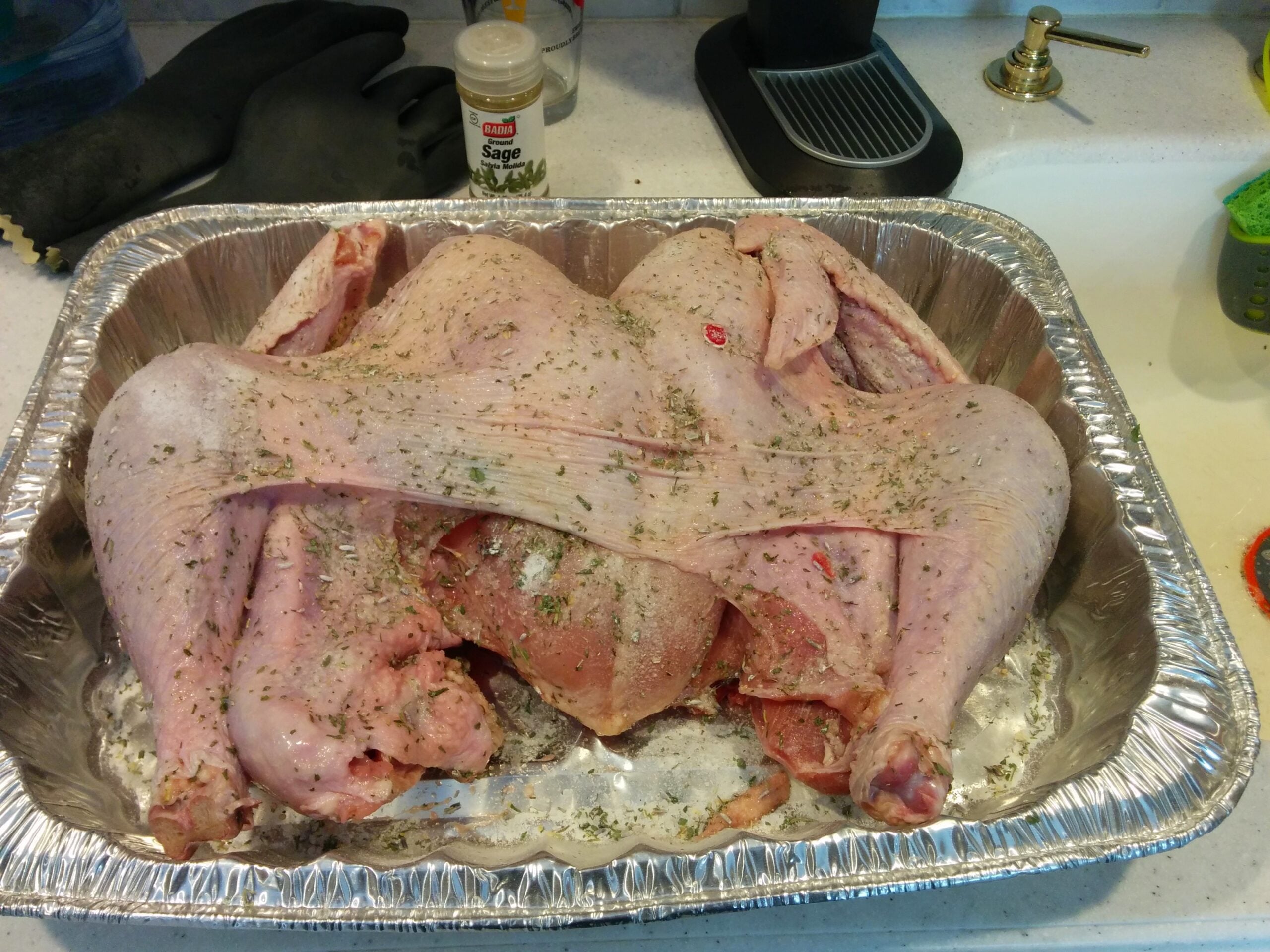
A lot of home cooks used to think brining meant a bucket of salty water for a holiday turkey. Culinary training often teaches a simpler approach for many proteins: dry brining, which means seasoning food with salt in advance and letting time do the work.
On chicken, pork chops, steaks and even some vegetables, that early salting improves flavor throughout the surface and helps with browning. The salt first draws out moisture, then that moisture dissolves the salt and gets reabsorbed back into the food.
The result is often juicier meat and better crust development in the pan or oven. It is a technique that fits real home schedules because it can be done hours ahead or even the night before. For many cooks, it delivers one of the clearest quality upgrades with almost no extra effort.
Pan sauces
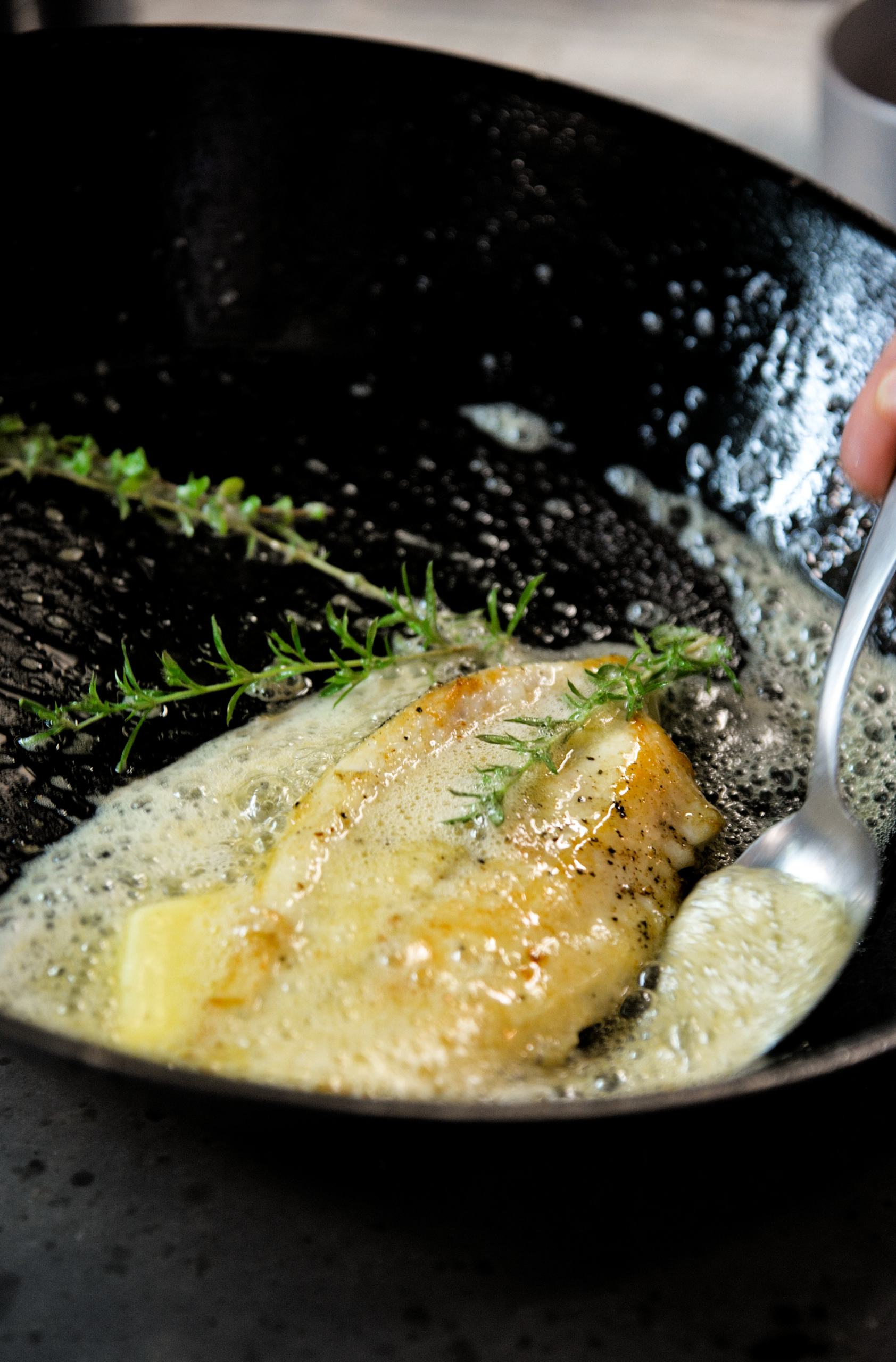
A pan sauce is one of the clearest examples of culinary school logic: do not waste flavor that is already in the pan. After searing meat or fish, the browned bits left behind, called fond, can become the base of a quick sauce.
Home cooks are using this method to make simple dinners feel more polished. A splash of wine, stock or even water loosens the fond. From there, cooks often add shallots, mustard, herbs, cream or butter, depending on the dish.
The technique matters because it layers flavor from the same ingredients already used in the meal. It also teaches control over heat and reduction. Instead of opening a bottled sauce, the cook builds one in minutes, with a taste that matches the main dish and makes the plate feel complete.
Blanching and shocking
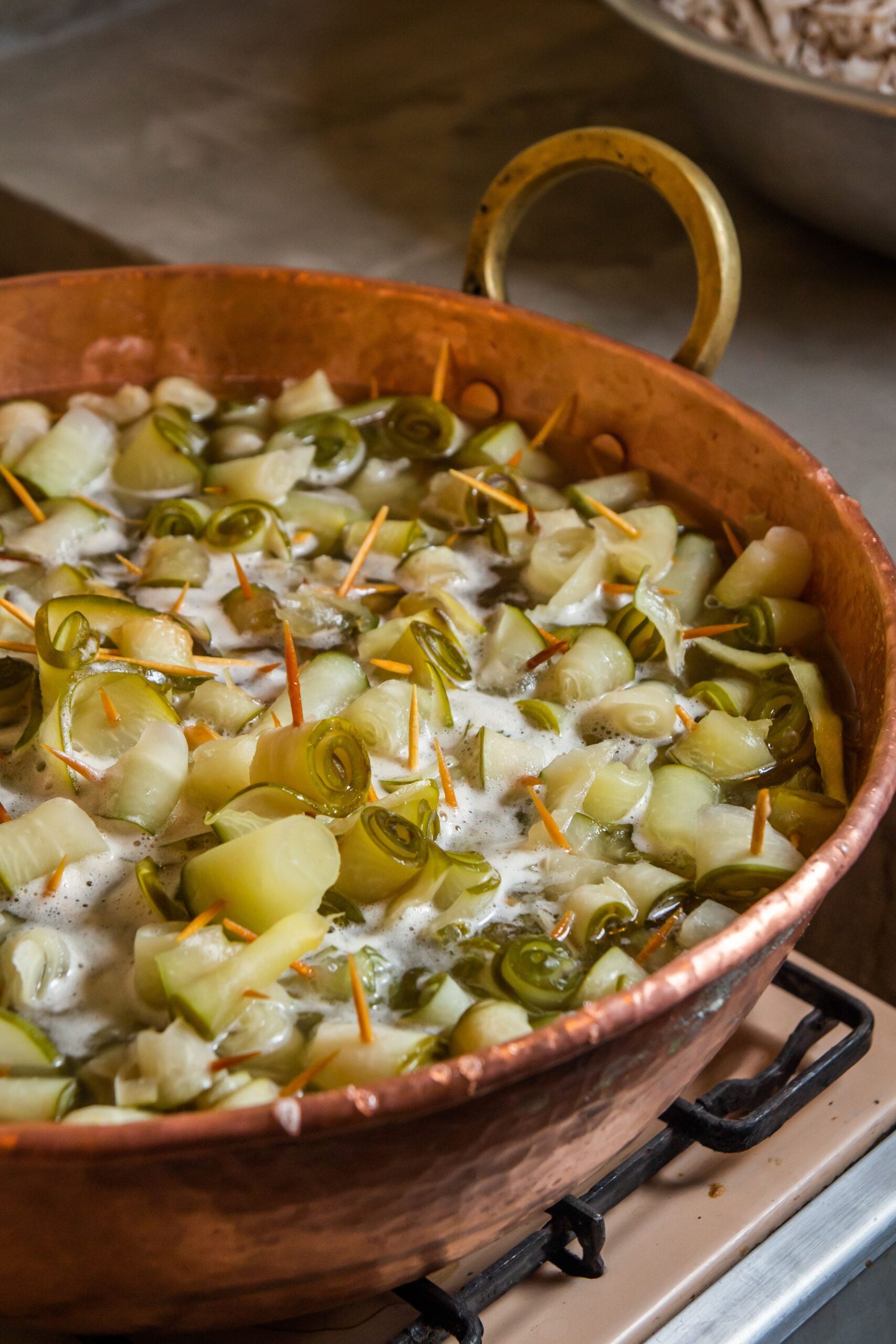
Bright green beans in a restaurant kitchen usually do not happen by accident. Culinary students learn blanching and shocking, a method where vegetables are briefly cooked in boiling water and then chilled quickly in ice water to stop the cooking.
At home, that technique has spread beyond dinner parties. It helps broccoli, asparagus, peas and green beans keep a fresher color and a crisp-tender texture. It also makes final prep easier, since vegetables can be blanched ahead and reheated later in a sauté pan or with butter.
This is especially useful for busy cooks preparing parts of a meal in advance. The method preserves structure better than long boiling and gives more control than steaming alone in some cases. For vegetables that can quickly turn dull and soft, timing and rapid cooling make a visible difference.
Carryover cooking
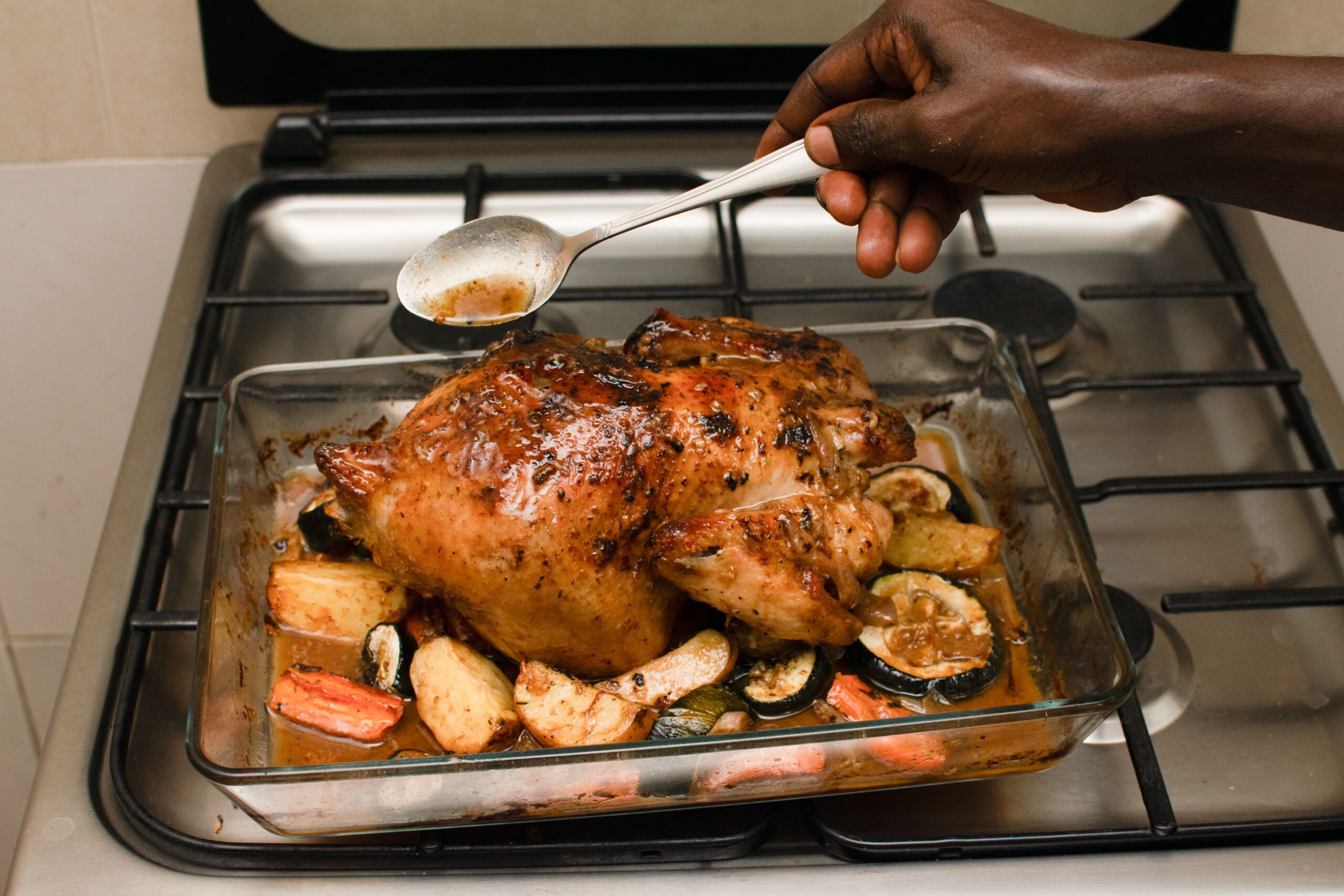
Professional cooks know that food often keeps cooking after it leaves the heat. This is called carryover cooking, and it matters most for roasts, steaks, chicken breasts and anything else with retained heat in the center.
Home cooks are paying more attention to this because it prevents a common problem: overcooking during the resting period. A steak pulled at the exact final temperature in the pan may overshoot by the time it reaches the table. Pulling it a little early gives the heat time to finish the job.
This idea works best with a thermometer, which has become more common in home kitchens. Culinary training treats temperature as a precision tool, not a guess. Once cooks understand carryover, they can rest meat properly, keep juices in place and hit doneness more reliably.
Building flavor in layers
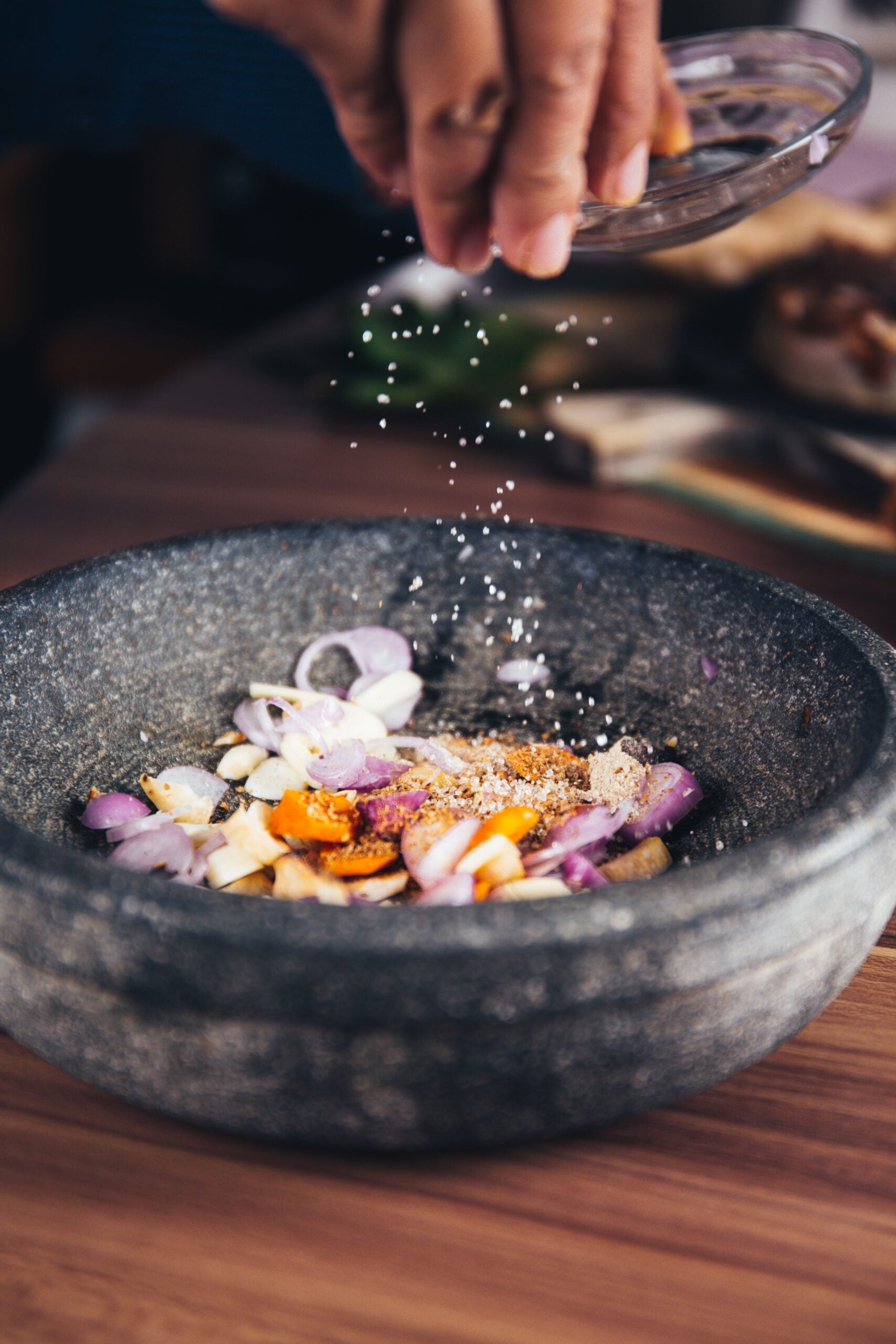
One of the biggest differences between flat-tasting food and restaurant-style food is often sequencing. Culinary school teaches cooks to build flavor in layers, rather than tossing everything into a pot and hoping it comes together at the end.
That can mean sweating onions before adding garlic, toasting spices in oil before adding liquid, or browning tomato paste to deepen its sweetness. It also means seasoning at multiple stages instead of only tasting at the finish. Each step creates another level of flavor.
Home cooks like this approach because it does not require expensive equipment. It asks for attention instead. Soups, stews, pasta sauces and grain dishes all benefit when aromatics, fat, acid and seasoning are added with intention. The payoff is food that tastes fuller, rounder and more balanced.
Resting dough and batter
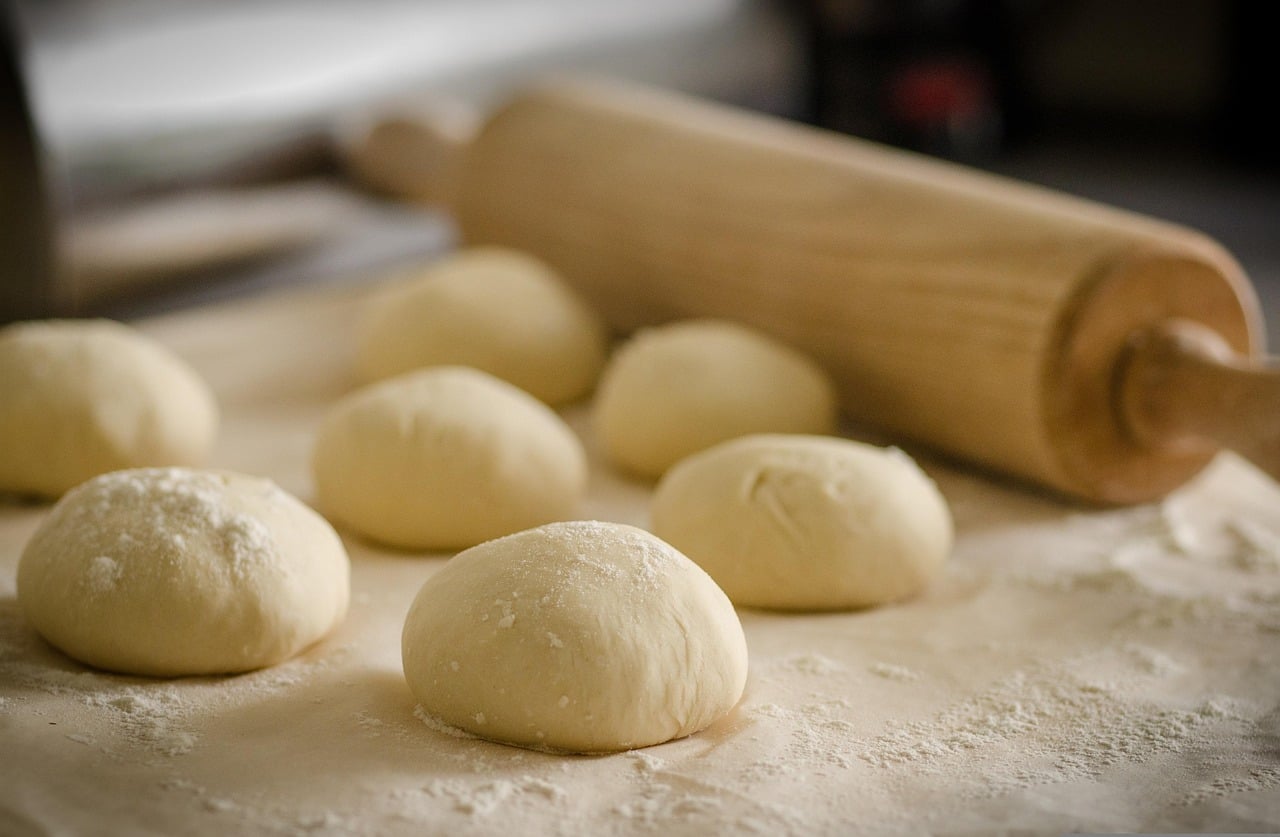
Not every culinary school lesson is about heat. Resting dough and batter is another technique more home cooks are using, because time can change texture in ways mixing alone cannot.
For pie dough, resting lets gluten relax and helps the dough roll out with less resistance. For pancake and waffle batter, a short rest can help flour hydrate more evenly. For bread dough, fermentation time develops structure and flavor that quick methods rarely match.
This patience is part of a broader professional mindset: let ingredients do their work. Instead of forcing results with extra flour or overmixing, cooks give the mixture time to settle, absorb moisture and strengthen naturally. In a home kitchen, that often leads to flakier crusts, more tender batters and better bread.




Leave a Reply