
Korean food has moved far beyond trend status in the U.S., becoming a genuine staple for diners who crave bold flavors, balanced textures, and deeply comforting meals. From grill-table favorites to street-food classics, these dishes are winning fans one bite at a time. Here's a closer look at the Korean specialties Americans are embracing and why they're so hard to resist.
Korean Fried Chicken
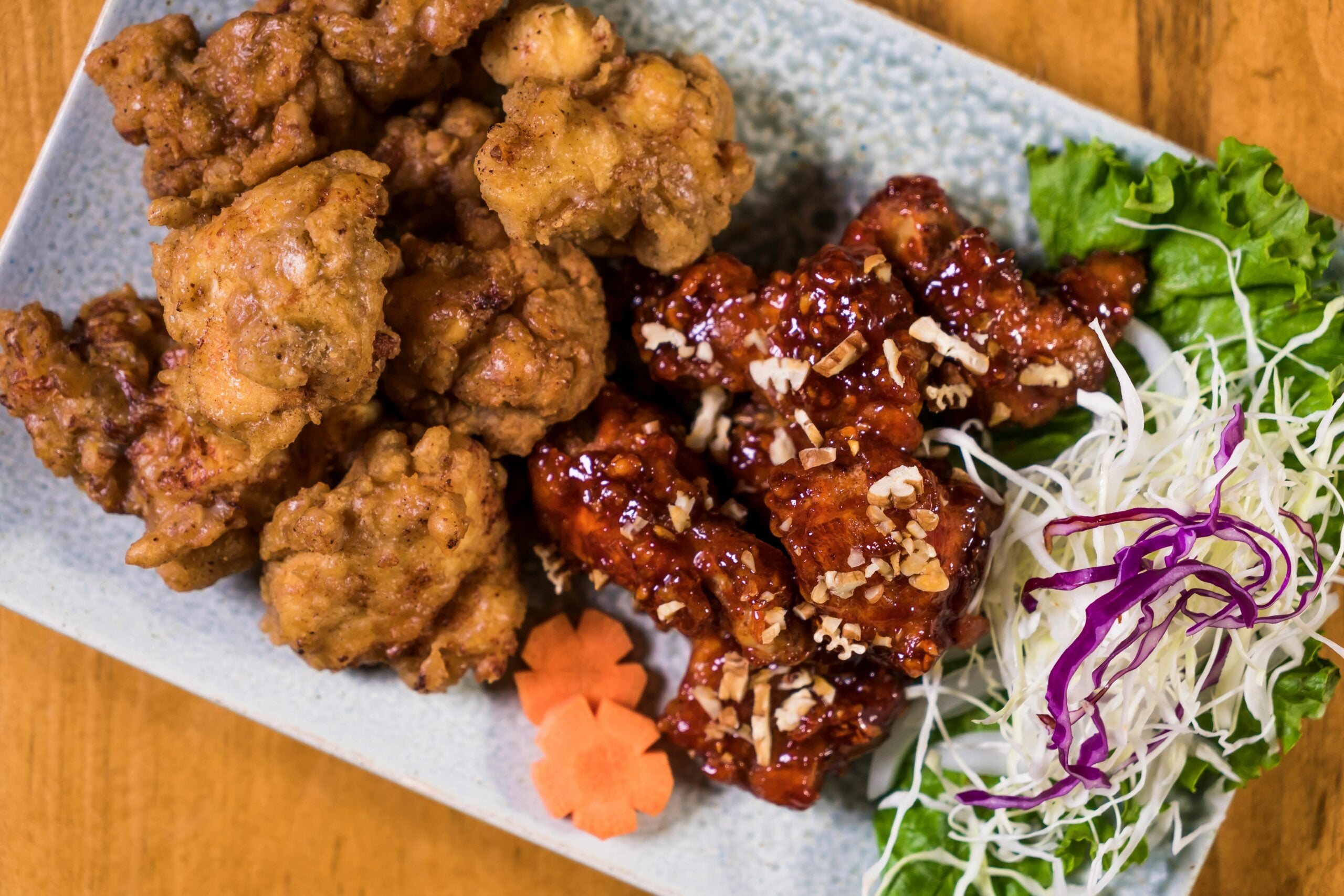
Americans know fried chicken well, but Korean fried chicken brings a whole different kind of thrill. It's often double-fried, which gives it an audibly crisp shell that stays crunchy even under glossy sauces like soy garlic or sweet-spicy gochujang.
That contrast is the magic. The coating shatters, the meat stays juicy, and every bite feels engineered for maximum satisfaction. According to travel and food guides focused on Seoul, it's also famously paired with beer in the beloved combo known as chimaek.
For American diners, it feels both familiar and exciting. It starts with comfort food and ends with a flavor punch that keeps people coming back for another piece.
Korean Barbecue
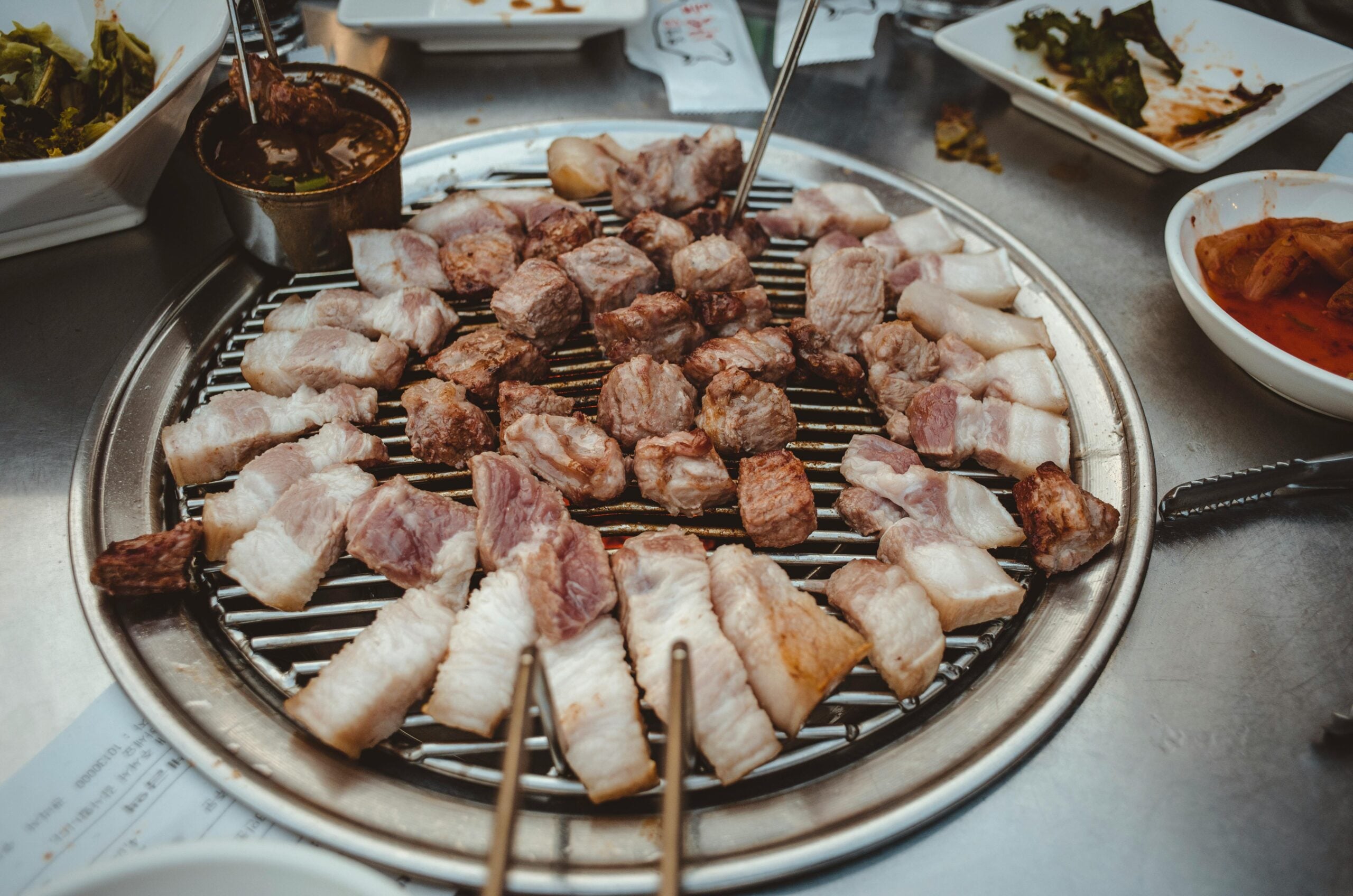
Few meals feel as interactive and fun as Korean barbecue. Whether it's samgyeopsal, the thick-cut pork belly, or galbi, the sweet-savory marinated short ribs, the experience is as important as the flavor.
The tabletop grill turns dinner into an event. You cook pieces to your liking, wrap them in lettuce, add sauces, garlic, or kimchi, and build each bite exactly how you want it. That hands-on style makes it especially appealing to American groups looking for a shared meal.
It also hits the sweet spot between indulgent and customizable. Smoky meat, crunchy vegetables, and a spread of banchan make every table feel generous, lively, and impossible to forget.
Bibimbap
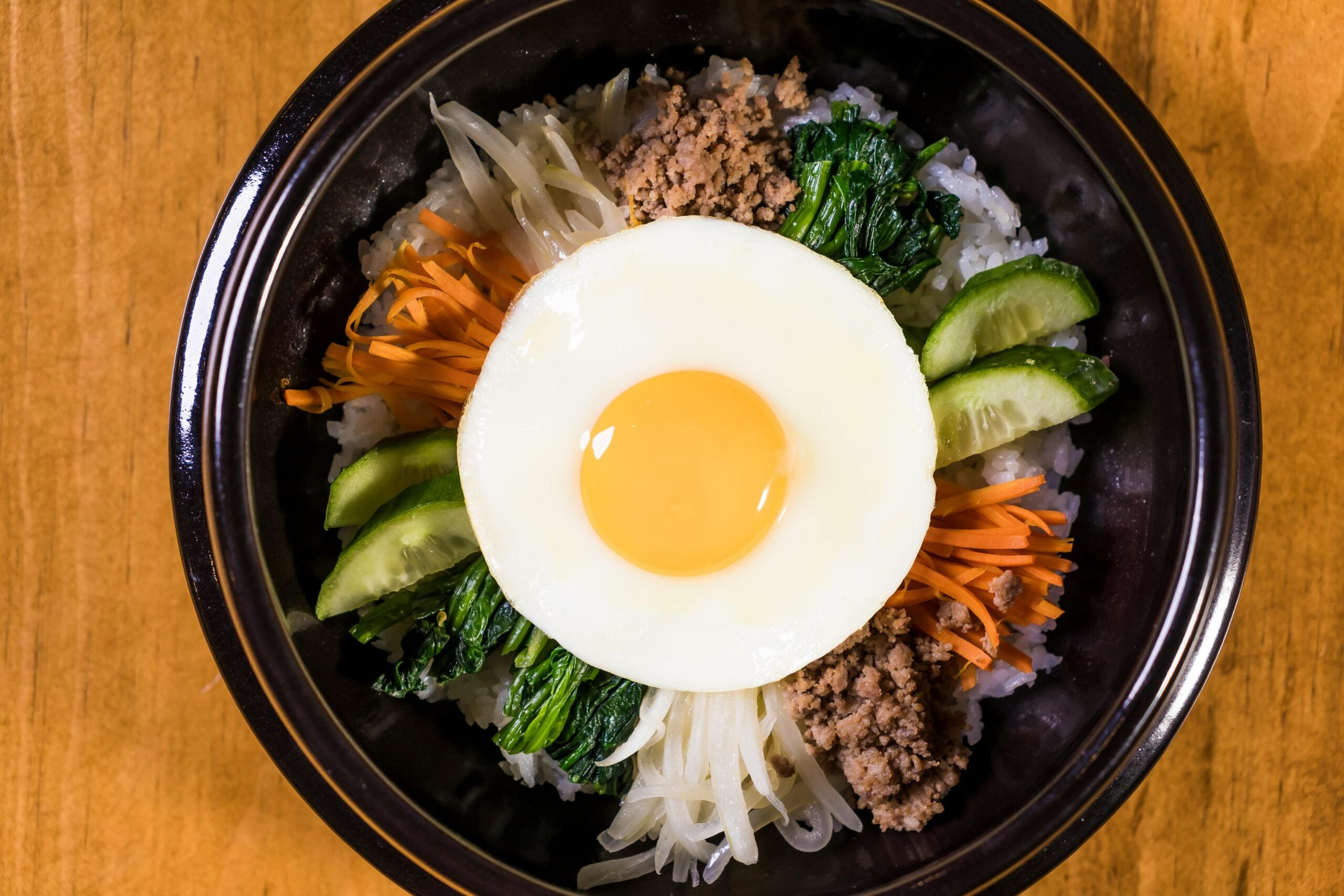
Bibimbap has become one of the easiest entry points into Korean cuisine for American eaters, and it's easy to see why. At first glance, it looks like the ideal modern grain bowl: rice, vegetables, protein, a fried egg, and a vivid spoonful of gochujang.
But bibimbap is more than pretty presentation. Once mixed, it becomes a deeply satisfying combination of heat, freshness, richness, and crunch. In dolsot bibimbap, the hot stone bowl even crisps the rice along the edges, adding another layer of texture.
It appeals to diners who want balance without sacrificing flavor. Healthy, colorful, and customizable, it feels current while still being rooted in a long culinary tradition.
Bulgogi
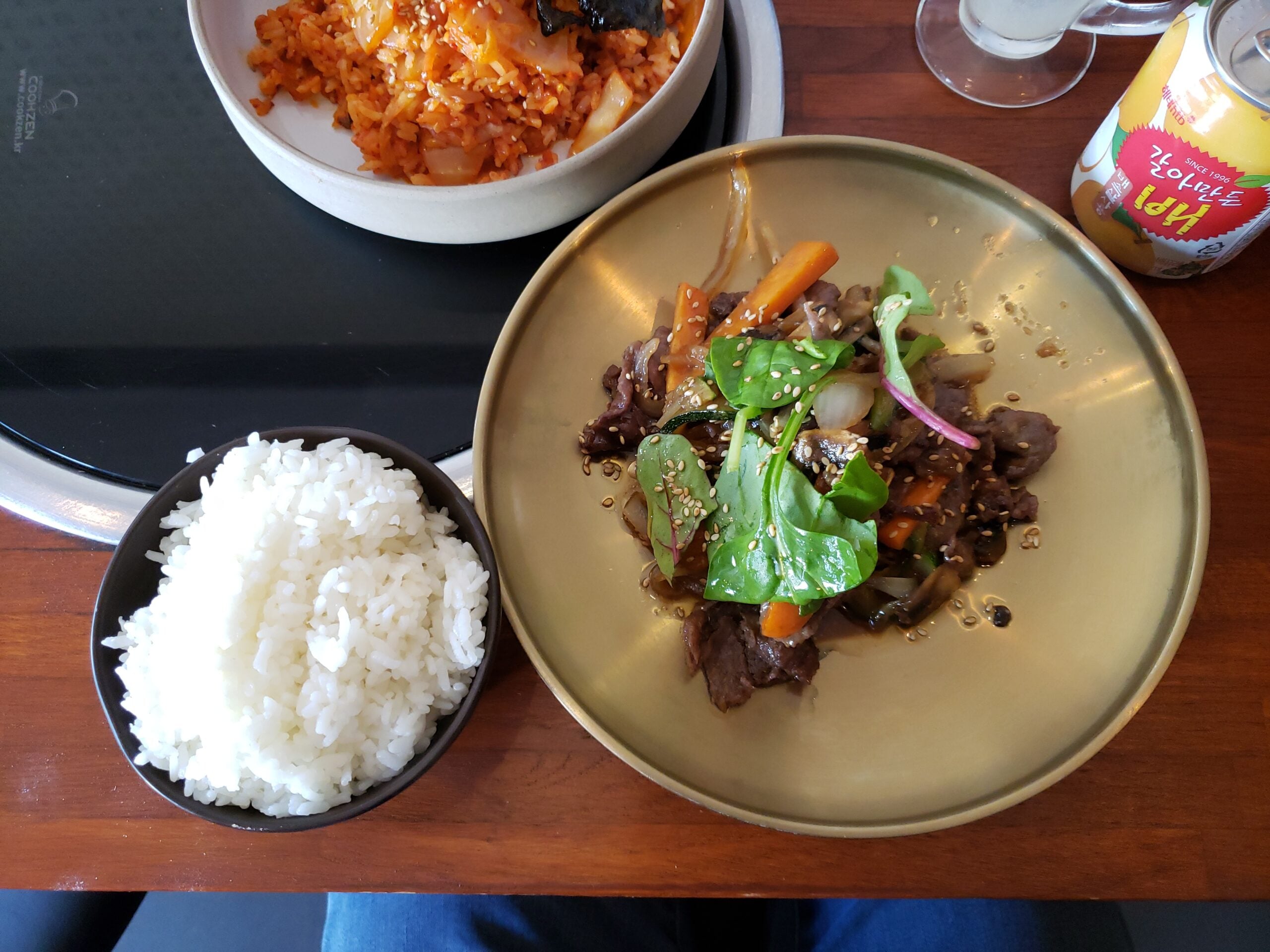
Bulgogi is often the dish that convinces first-time diners they're officially on board with Korean food. Thin slices of beef are marinated in a soy-based mixture that leans sweet and savory, then cooked until tender and lightly caramelized.
One reason Americans connect with it so quickly is its accessibility. The flavor is bold but not aggressive, and reference sources note that ingredients like pear juice help tenderize the meat, giving it a soft, almost silky bite.
It's also incredibly versatile. Bulgogi works over rice, tucked into lettuce wraps, or served as part of a larger spread. That familiarity, paired with unmistakable Korean character, gives it wide appeal across all ages.
Japchae
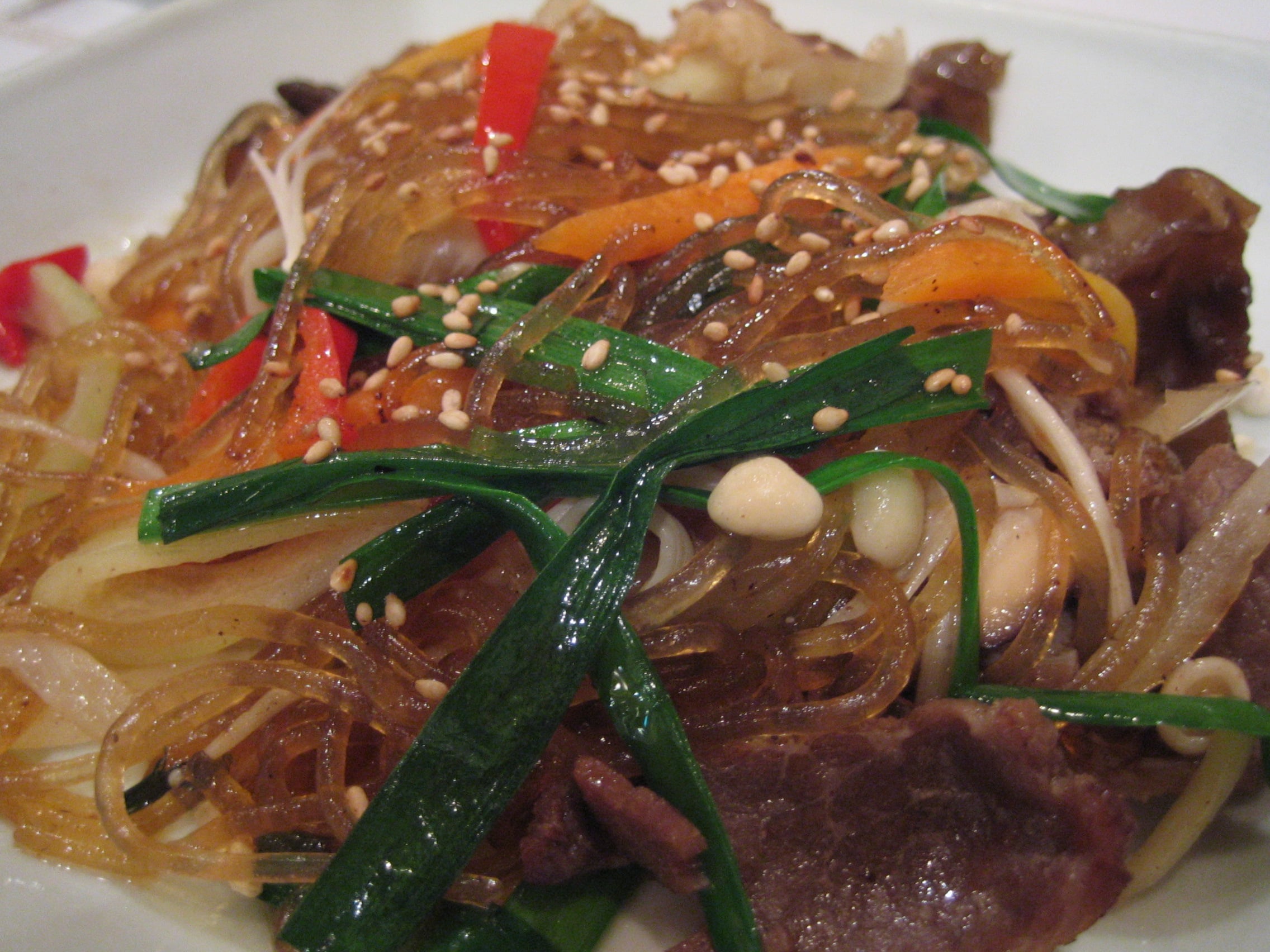
Japchae tends to surprise people who expect Korean food to be all heat and intensity. Made with sweet potato glass noodles, it's glossy, springy, and gently seasoned with sesame oil, soy sauce, and stir-fried vegetables.
The texture is what wins many Americans over first. The noodles are pleasantly chewy and light at the same time, making the dish feel satisfying without being heavy. It often appears at gatherings and celebrations, which adds to its reputation as a crowd-pleaser.
Japchae also fits neatly into the growing American love for noodle dishes that feel both comforting and polished. It's subtle, elegant, and proof that Korean cuisine can be just as soothing as it is bold.
Tteokbokki
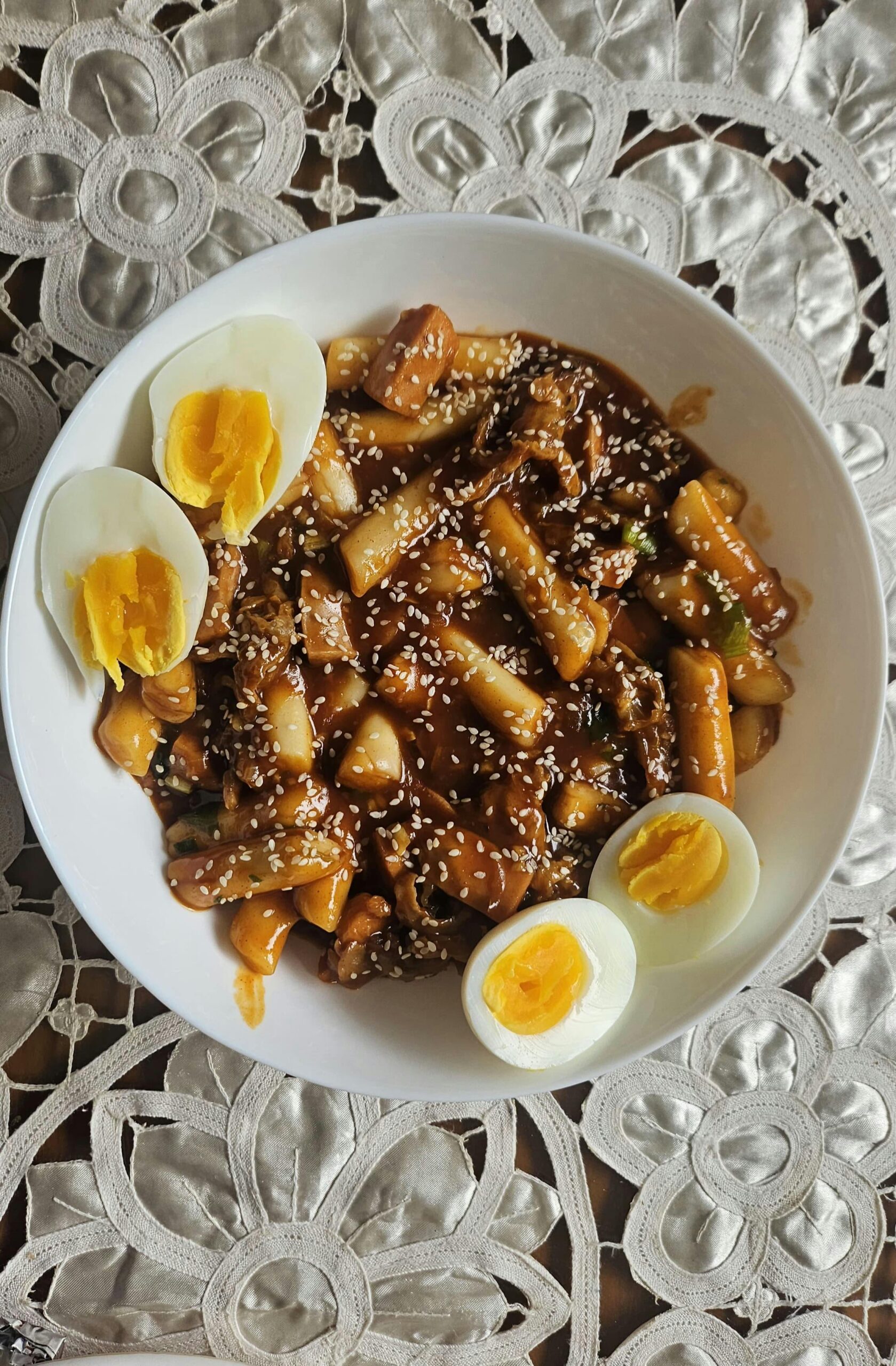
Tteokbokki has the kind of cult appeal that often starts on screen and ends in real life. Many Americans first notice it in Korean dramas, where the bright red rice cakes show up as the ultimate comfort snack or late-night street-food fix.
Then comes the first bite. The rice cakes are chewy and dense, soaking up a spicy, slightly sweet sauce that clings to every piece. It's fiery enough to be exciting, but the texture is what makes it truly memorable.
There's also a playful side to tteokbokki. It's often eaten with fried snacks for dipping, which makes it feel social and snackable. For adventurous eaters, it quickly becomes a craving rather than a curiosity.
Gimbap
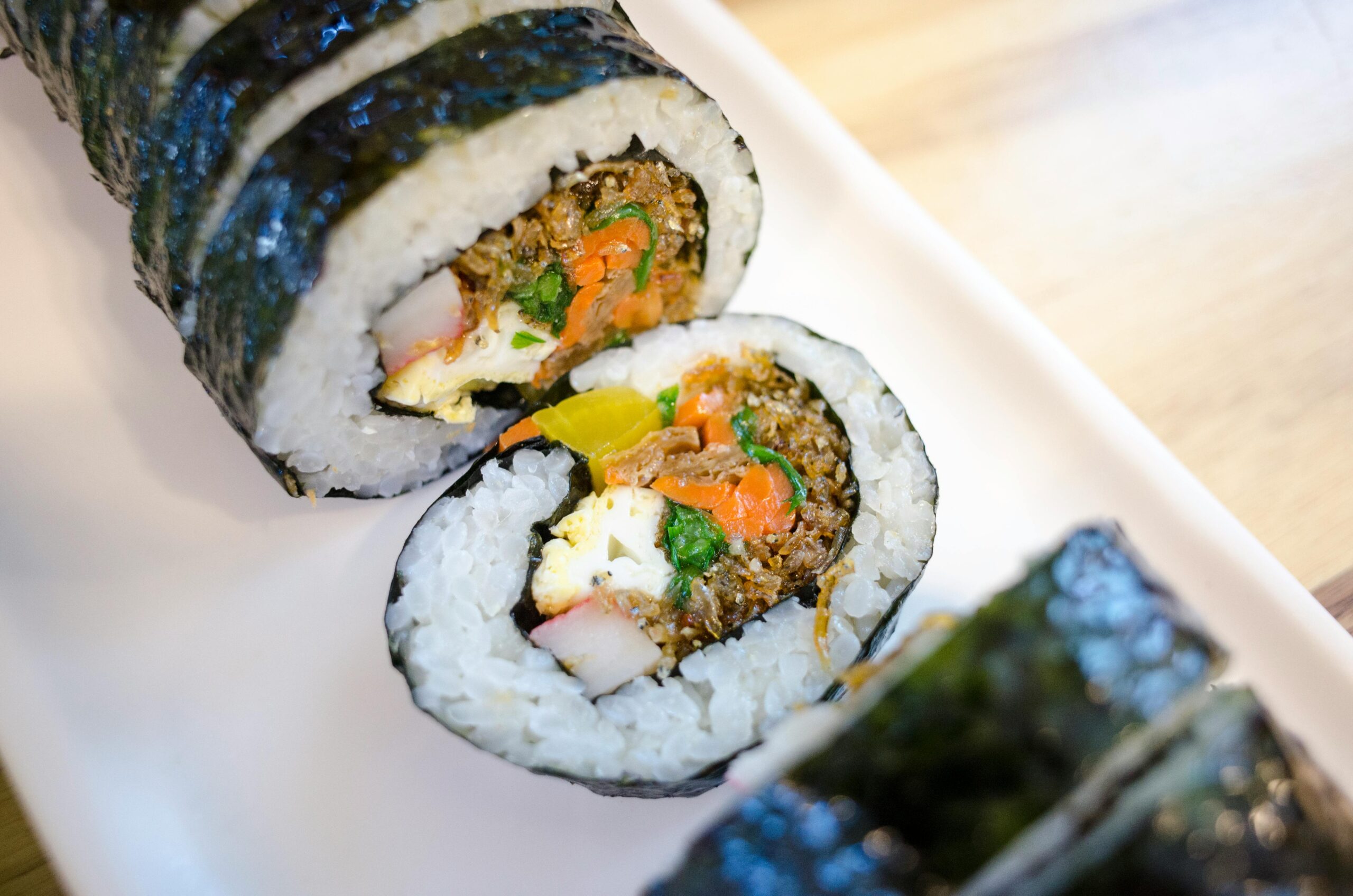
Gimbap is sometimes compared to sushi, but that comparison only tells part of the story. The rice is seasoned with sesame oil rather than vinegar, and the fillings are often cooked, making each roll feel hearty, savory, and distinctly Korean.
Americans are increasingly drawn to foods that work for busy schedules, and gimbap fits that mood perfectly. It's portable, affordable, and easy to customize with ingredients like bulgogi, tuna, egg, or vegetables.
What really makes it lovable is its versatility. It can be a quick lunch, a picnic staple, or a comforting side with ramen or tteokbokki. Simple and satisfying, it captures the everyday charm of Korean comfort food.
Sundubu Jjigae
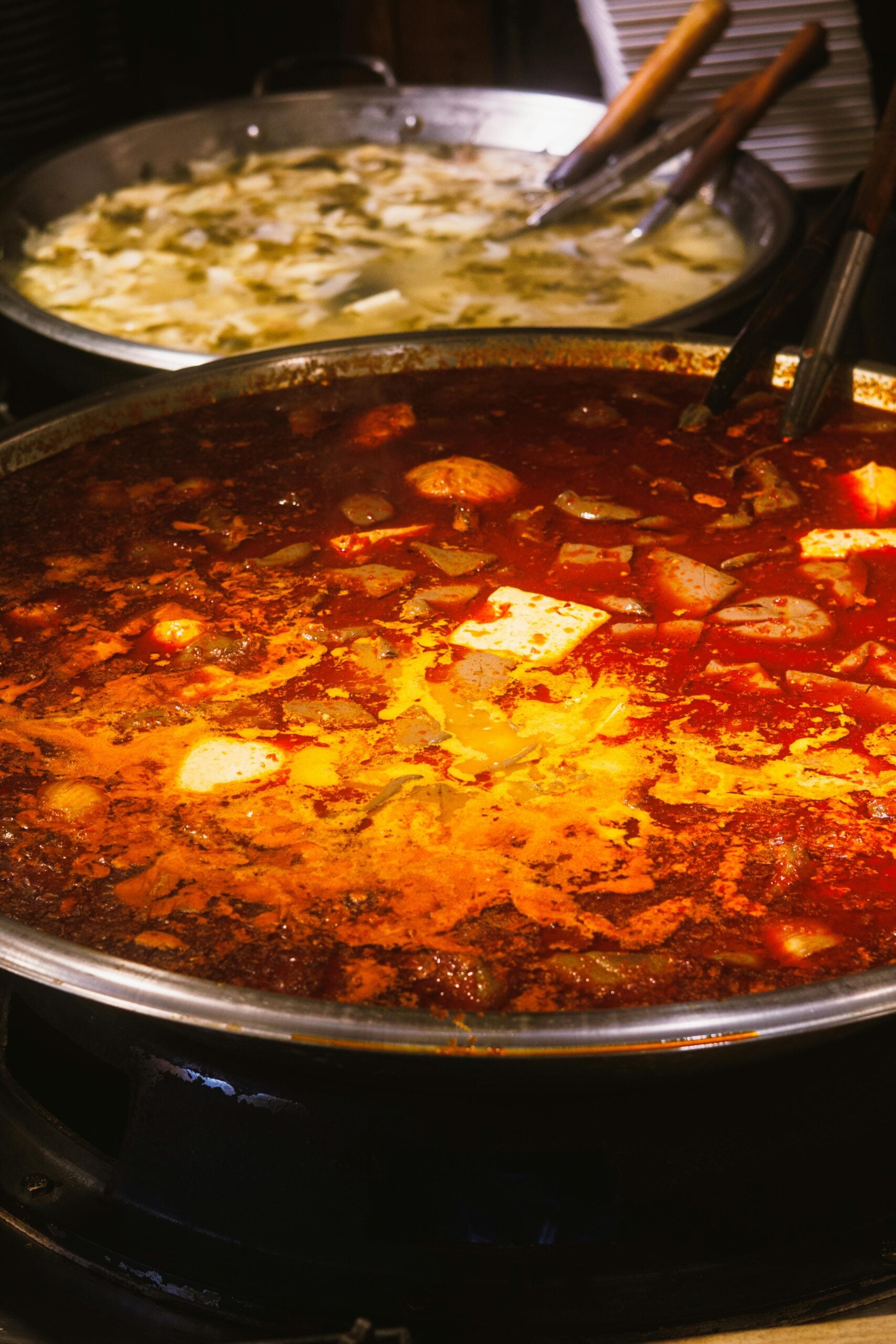
Sundubu jjigae is the kind of dish that changes your idea of what comfort food can be. Served bubbling hot, this soft tofu stew arrives dramatically, with a red broth that looks intense but often tastes more warming than punishingly spicy.
Silky tofu, an egg, and sometimes seafood or meat give the stew substance, while the heat makes it especially appealing in colder weather. It's the kind of meal that slows you down in the best possible way.
For Americans exploring Korean cuisine beyond barbecue, sundubu jjigae offers a different kind of reward. It's soulful, cozy, and deeply satisfying, showing that Korean food can deliver subtle comfort just as powerfully as big, bold flavor.




Leave a Reply