
Not long ago, many Canadian kitchens ran on routines that felt almost universal, from percolated coffee to handwritten recipe cards tucked in a drawer. Today, younger cooks have traded many of those habits for speed, convenience, and digital know-how. This gallery looks at seven kitchen customs that used to define home life in Canada and explains why they have quietly slipped away.
Saving and Reusing Every Container
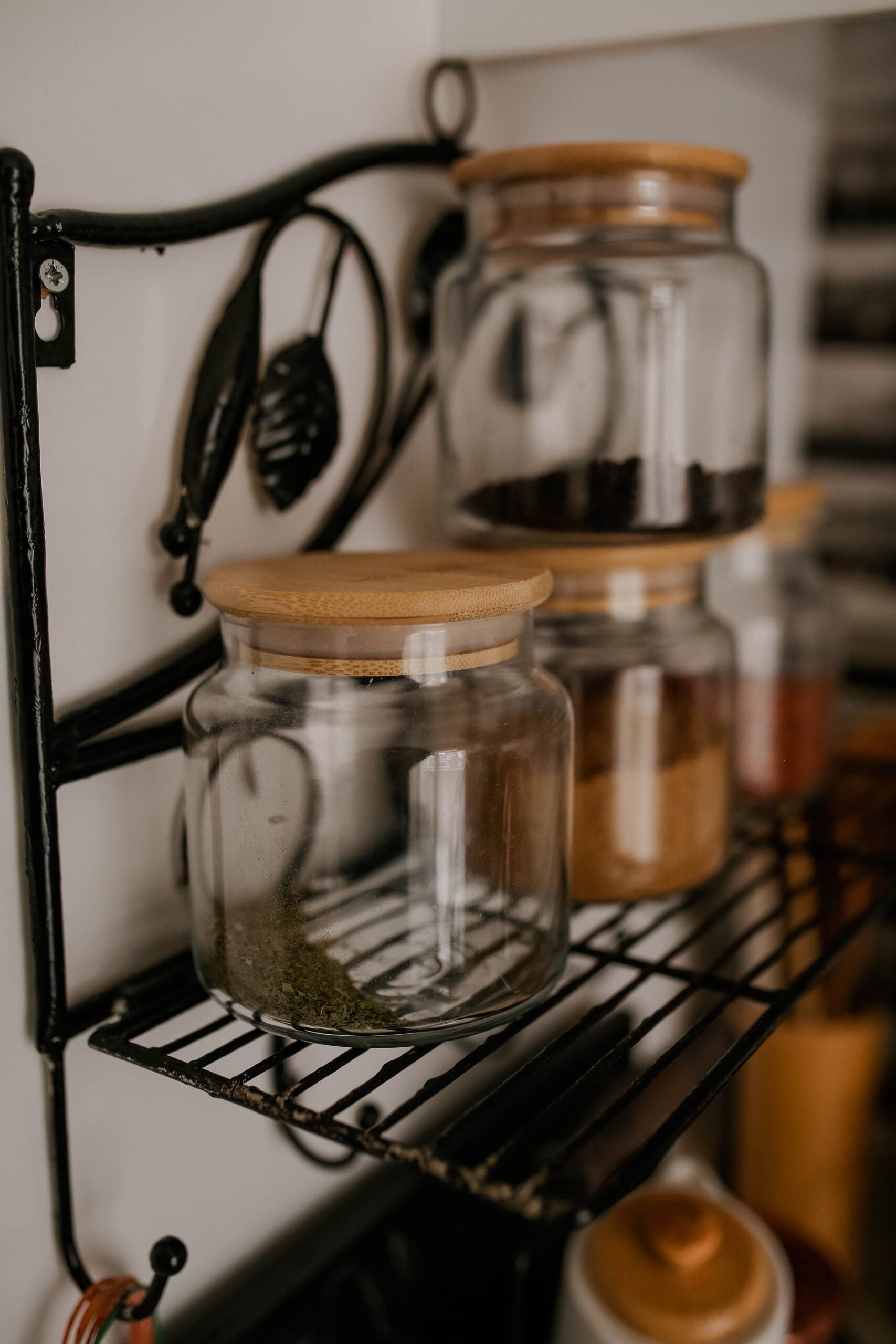
There was a time when no Canadian kitchen felt complete without a cupboard stuffed with margarine tubs, cookie tins, and reused glass jars. Leftovers went into whatever clean container was on hand, and many homes treated packaging as a second set of dishes before recycling ever entered the picture. Younger generations still care about waste, but they are less likely to build a tower of saved containers. Matching food-storage sets, freezer-safe glass, and stricter ideas about clutter have replaced the old habit. What once looked practical now often reads as messy, mismatched, and easy to forget in the back of the fridge.
Keeping a Freezer Full of Home Baking
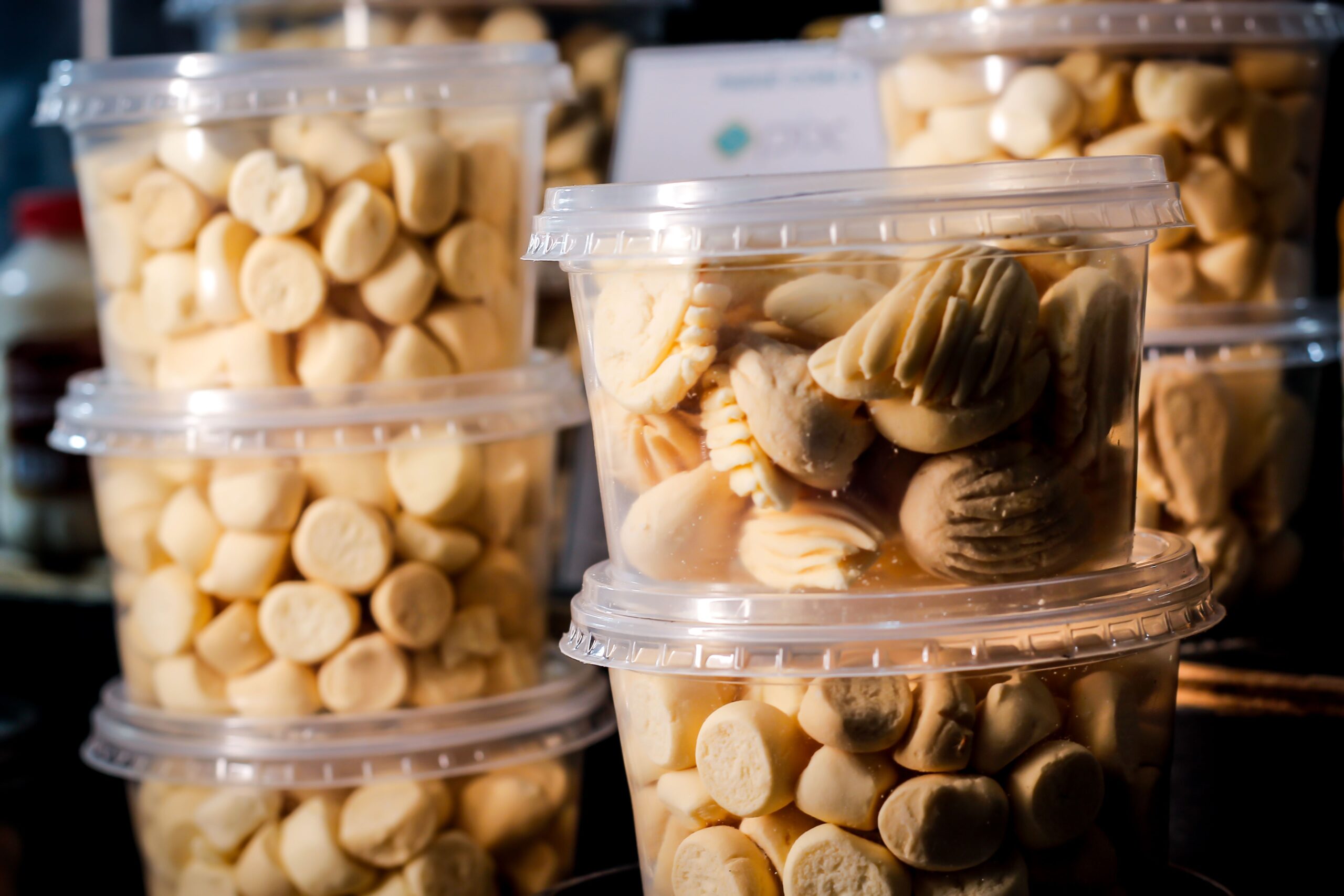
Older Canadian households often kept the freezer stocked with homemade butter tarts, date squares, bran muffins, and banana bread for drop-in guests. In many communities, especially in the Prairies and Atlantic Canada, baking ahead was part hospitality, part budget strategy, and part everyday routine. That rhythm has faded for younger adults who entertain differently and shop more often in smaller amounts. Limited freezer space, busier schedules, and changing attitudes toward sugar and carbs all play a role. Many still bake, but fewer keep a ready reserve of sweets wrapped in foil and waiting for company.
Using a Percolator or Electric Kettle for Everything Hot
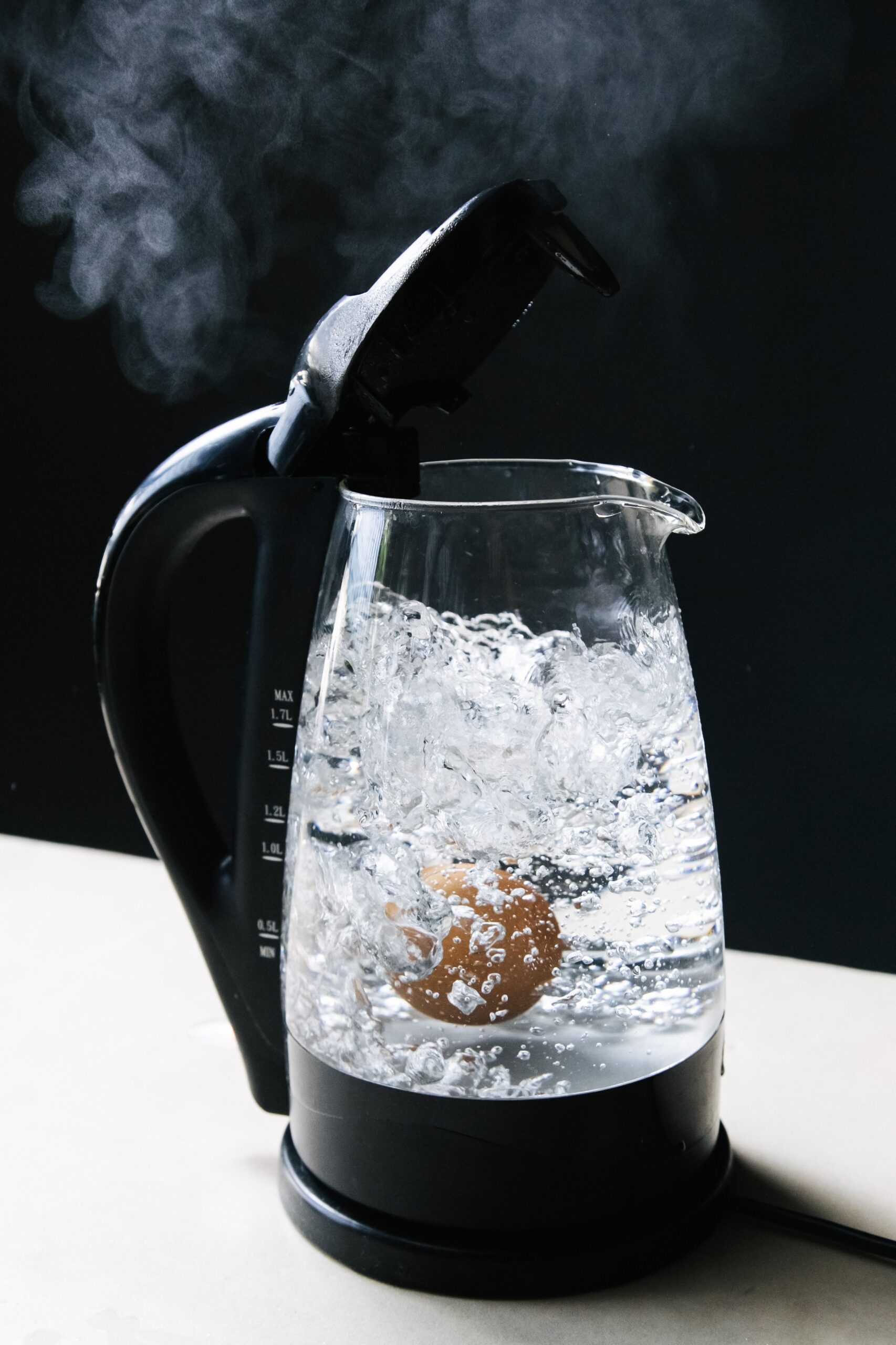
For decades, the soundtrack of a Canadian morning could include a coffee percolator bubbling on the counter and a kettle always close by. Instant coffee, steeped tea, and hot water for soups or porridge all flowed from a small set of familiar appliances that asked little and lasted years. Younger Canadians tend to split these jobs across newer gear. Pod machines, espresso makers, temperature-control kettles, and café habits have changed expectations around hot drinks. The old percolator, once a kitchen mainstay from urban apartments to rural farmhouses, now feels more nostalgic than necessary.
Writing Recipes on Cards and Clippings
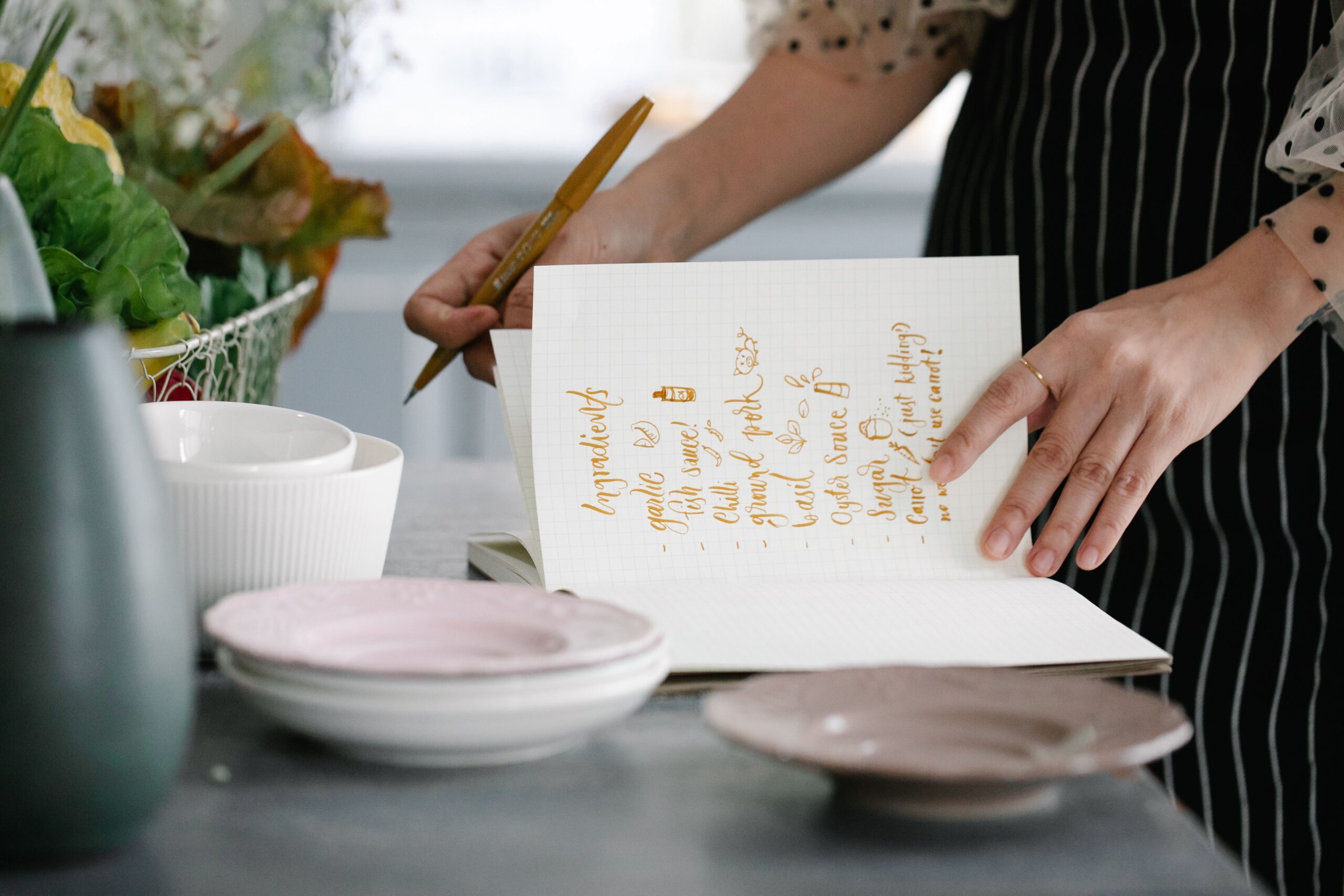
Recipe boxes used to be small family archives. Canadians clipped recipes from newspapers, copied favorites onto index cards, and stained cookbook pages with proof that dinner had been made many times before. A good recipe was shared by hand, often with notes like add more cinnamon or bake a little longer. That paper trail has thinned out with phones and tablets in the kitchen. Younger cooks save screenshots, scroll social media, and search by ingredient instead of by memory. The result is efficient, but it lacks the personal shorthand and family handwriting that once gave kitchen knowledge its texture.
Serving Formal Sunday Roast Dinners at Home
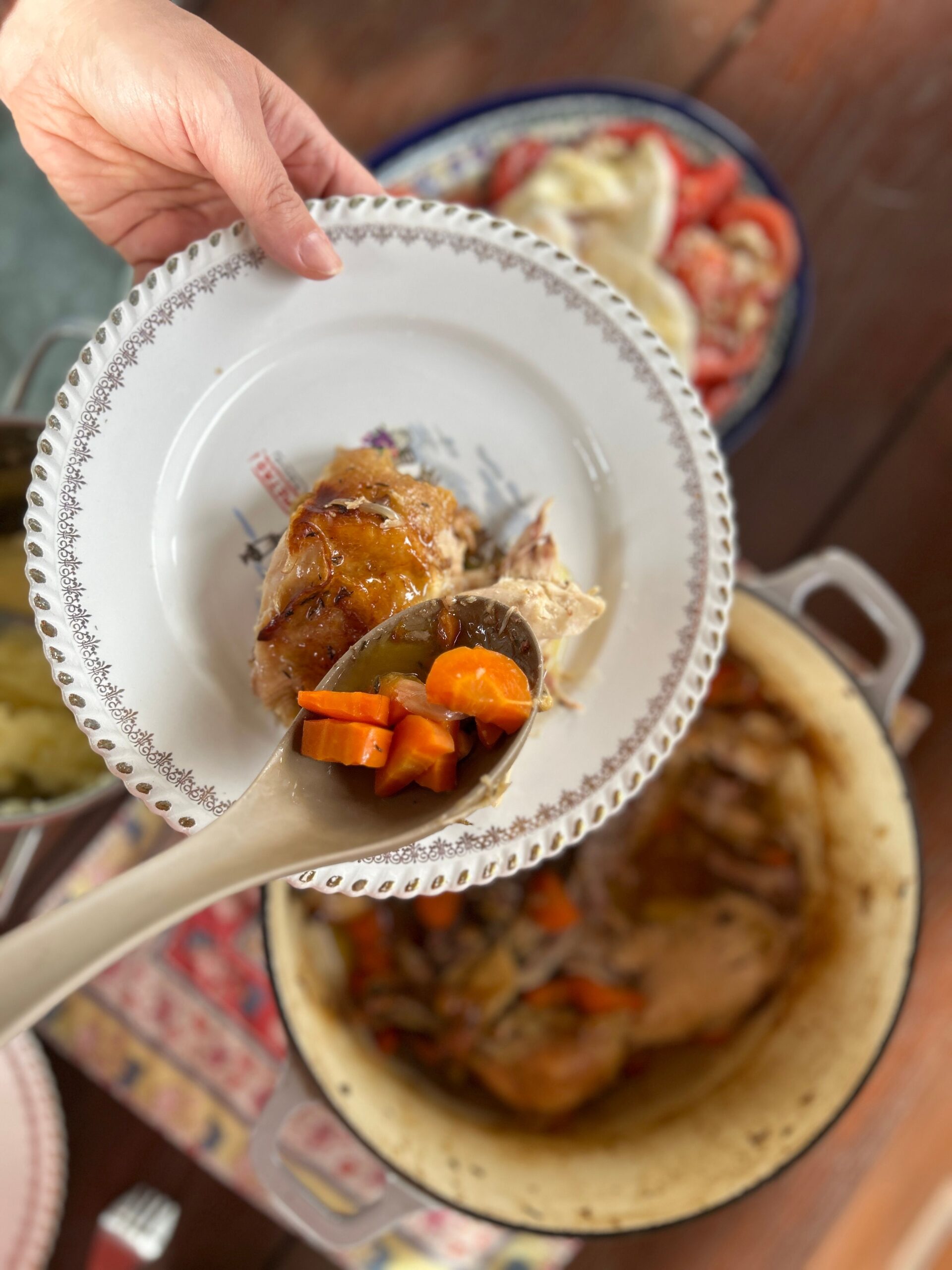
The Sunday roast once carried real weight in many Canadian homes. Roast beef, potatoes, carrots, gravy, and a proper dessert could anchor the day, bringing relatives to the table at the same hour week after week. It was less about trend and more about rhythm, thrift, and togetherness. Younger generations often want a weekend meal that feels easier and more flexible. Shift work, smaller households, rising meat costs, and more varied diets have made the big roast less practical. The ritual survives in some families, but it no longer organizes home life the way it once did.
Canning and Preserving as a Seasonal Necessity
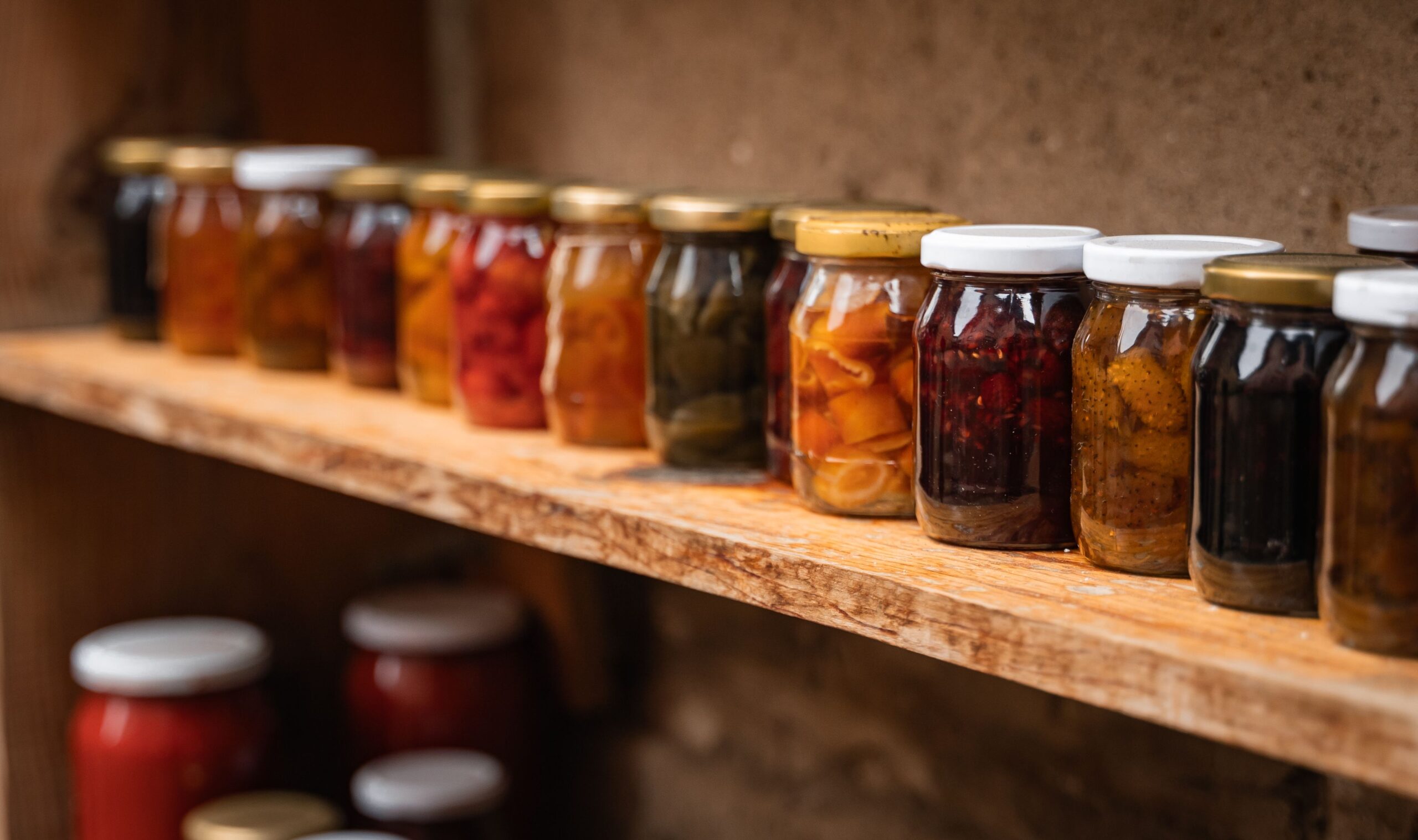
In many parts of Canada, preserving was once less of a hobby and more of a yearly kitchen duty. Families canned peaches, pickled beets, made jam, and packed chutney to stretch garden harvests or make the most of short local seasons. Pantry shelves told the story of summer long after snow arrived. Younger Canadians are far less likely to preserve food at scale. Store access is easier year-round, and the process can feel time-consuming, space-heavy, and intimidating if you did not grow up around it. Interest still exists, but it is often niche, aesthetic, or occasional rather than essential.
Keeping a Separate Set of Dishes for Company
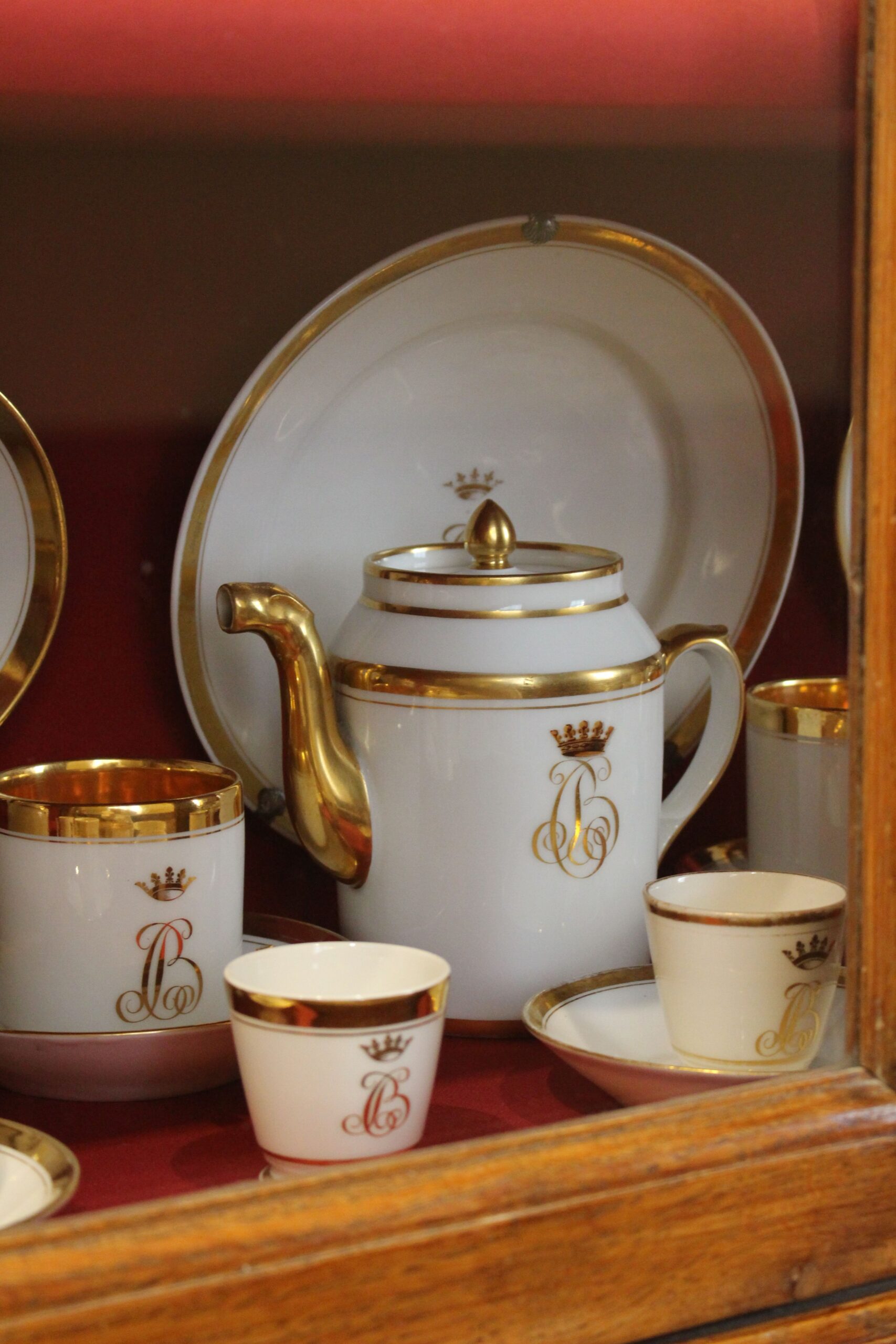
Many Canadian households once kept a cupboard or hutch filled with dishes that came out only for guests or holidays. Everyday plates handled family meals, while the nicer set signaled that company mattered and the occasion called for extra care. It was a quiet form of kitchen etiquette. That divide has weakened with younger homeowners and renters who prefer fewer things used more often. Smaller spaces, casual entertaining, and minimalist habits leave little room for dishes that spend most of the year untouched. Good plates still exist, but they are more likely to be used on a Tuesday than saved for Christmas.



Leave a Reply