
Airports are not ordinary public spaces. In Canada, that reality shapes what food can be sold, carried, screened, or brought across a border.
Security screening treats food as more than a snack

What looks harmless in a lunch bag can become a screening issue in seconds. Canadian airports follow CATSA rules that closely examine foods which spread, pour, or gel, because they can fall under liquid-style restrictions for carry-on screening.
That is why peanut butter, yogurt, jam, soft cheese, soups, and sauces often trigger extra inspection. A sealed bottle is not the only concern. A container of dip or a creamy dessert can be treated very differently from a sandwich or an apple.
The logic is consistency, not inconvenience. Screening officers need standards they can apply quickly to thousands of passengers a day, and food texture matters because it affects how items are classified during security checks.
Border control is really about protecting Canadian agriculture

The strictest airport food rules often begin after security, not before it. When travelers arrive from another country, Canadian border officers are watching for meat, dairy, fruit, vegetables, seeds, and homemade foods that could carry pests, plant disease, or animal illness.
This is where airport policy connects to national biosecurity. The Canadian Food Inspection Agency has long warned that a single contaminated product can threaten farms, livestock, and export markets. Even common foods can present risk if their origin and processing are unclear.
That is why declaration rules are so important. A traveler may legally carry some foods, but failing to declare them can lead to seizure, fines, or delays, especially when officers cannot verify whether the product meets import standards.
Airport vendors operate under tightly controlled concession systems
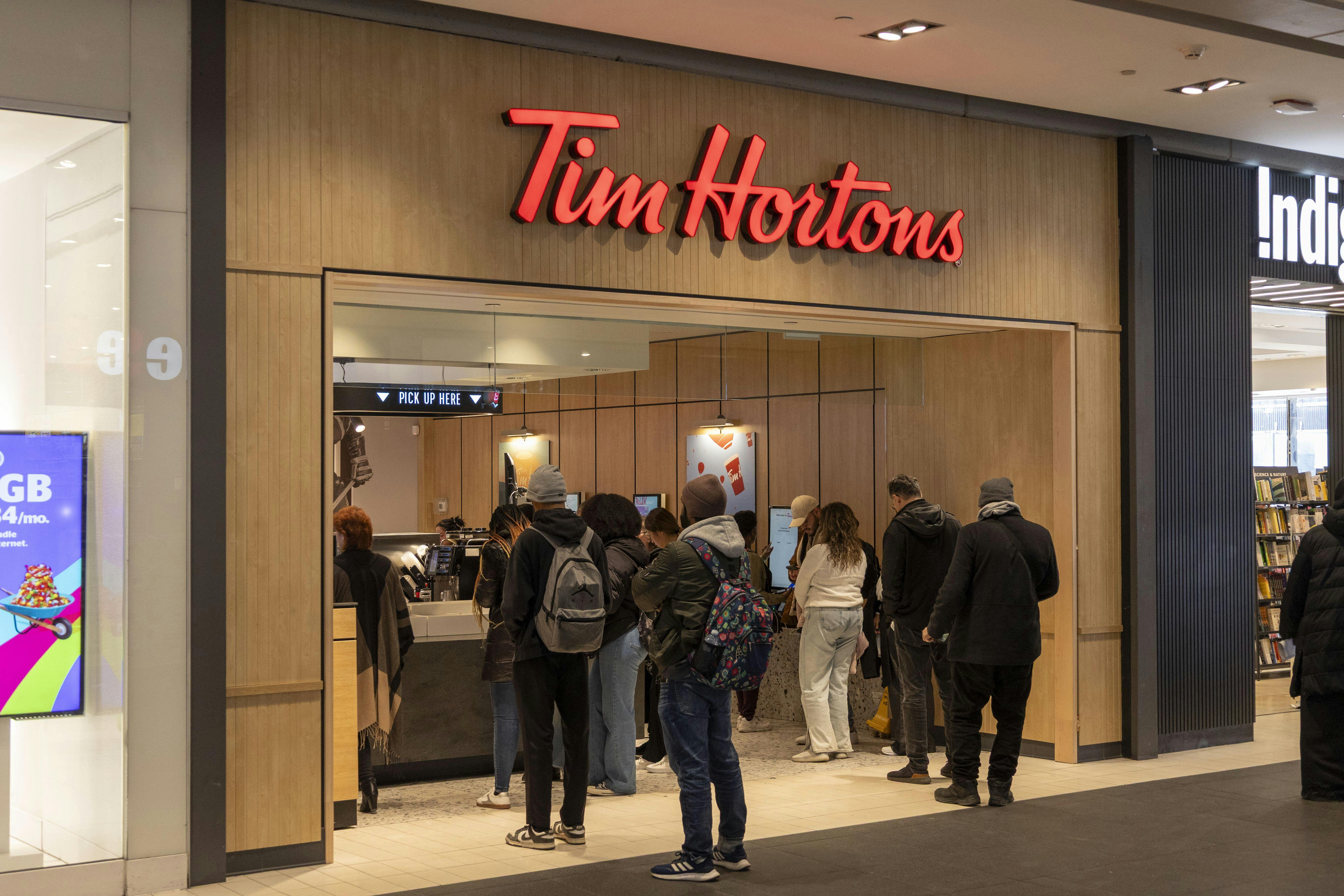
Many travelers assume airport food prices and menus are simply commercial choices. In reality, Canadian airports manage concession contracts, space limits, delivery windows, and security-cleared supply chains, all of which influence what food businesses are allowed to prepare and sell.
An airport restaurant cannot function like a neighborhood café. Ingredients must pass through controlled loading areas, staff often need restricted-area access, and timing is shaped by flight banks rather than normal lunch rushes. That changes freshness planning, storage needs, and menu design.
The result is a food environment built for predictability. Operators favor items that can be prepared safely, moved efficiently, and served fast, which is one reason menus can feel standardized even in airports that want a strong local identity.
Public health rules are stricter in high-volume transit settings
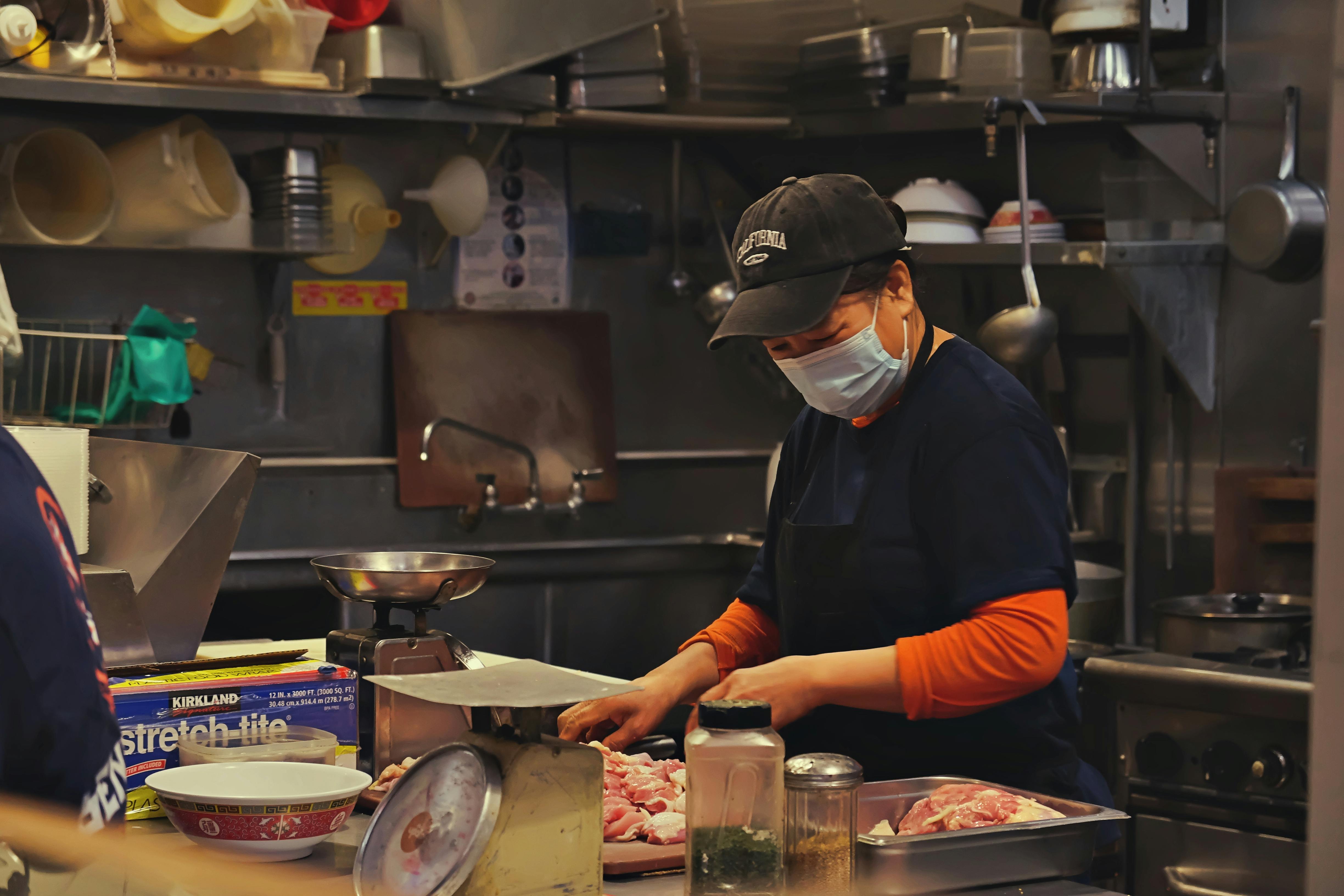
Airports bring together huge numbers of people from different regions in a confined environment. That alone raises the stakes for food safety, which is why local health inspectors, airport authorities, and food operators work within strict standards for handling, storage, cleaning, and temperature control.
Small mistakes can spread fast in a terminal. A poorly chilled item or cross-contaminated surface can affect hundreds of travelers in hours, including children, older adults, and passengers rushing to long flights where medical help is limited.
Canadian airports also plan for disruption. Weather delays, missed connections, and overnight disruptions mean food outlets must manage longer holding times and sudden demand spikes without compromising safety, labeling, or allergen control.
International rules force airports to separate domestic and cross-border food risks
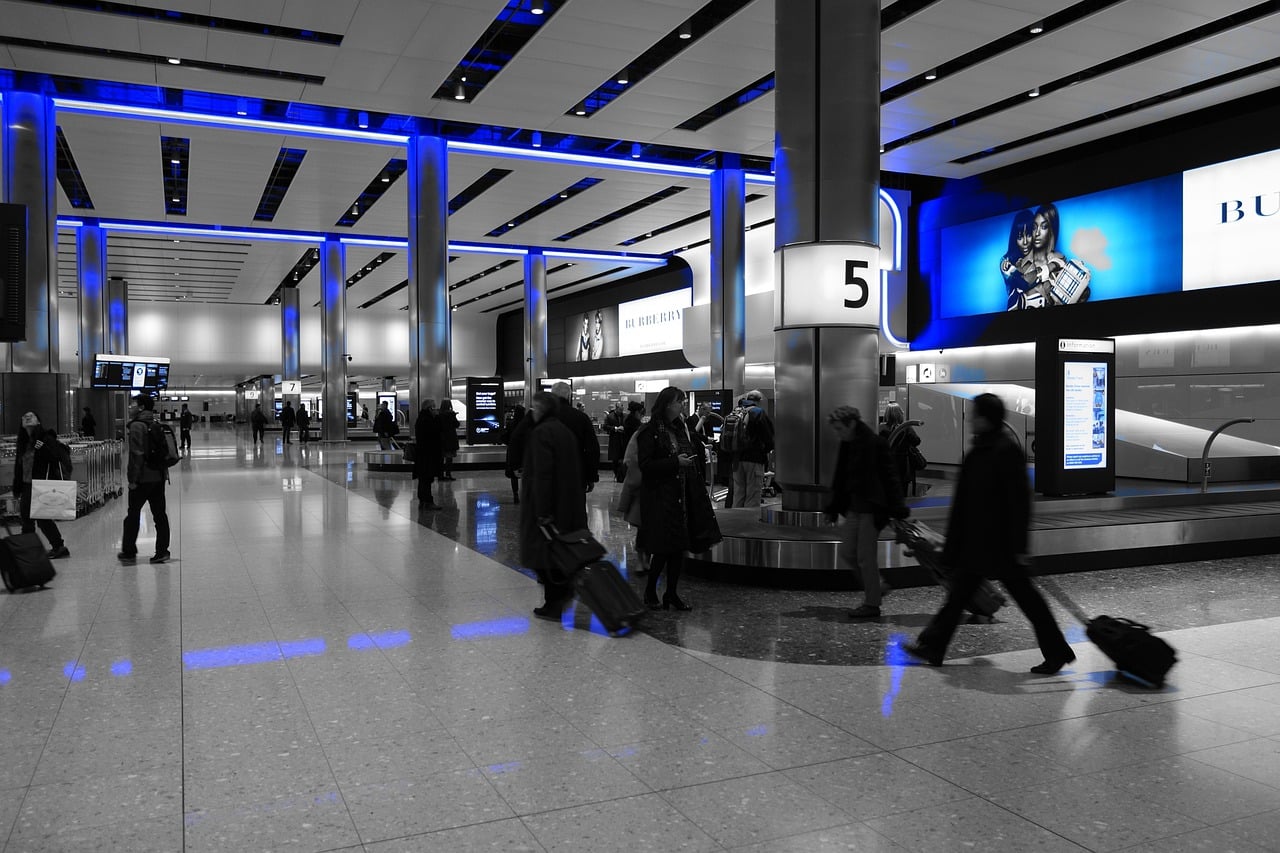
One airport can function like several different jurisdictions at once. Domestic gates, U.S. preclearance areas, and international departure zones may each operate under different expectations, which affects what food can move where and what travelers can carry onward.
This matters especially on flights to the United States. Food that clears Canadian screening may still be restricted by U.S. customs or agriculture rules, so airports and airlines often give conservative guidance to reduce confiscations and missed boarding issues.
In practice, these overlapping systems create airport-specific food rules that can seem inconsistent. They are actually a response to layered legal obligations, designed to keep passenger flow moving while meeting Canadian and foreign inspection standards.



Leave a Reply