Fast food in 2026 is not just about speed anymore. Chains are reworking menus, technology, and ingredient choices to match how Americans want to eat now: more personalized, more protein-focused, more value-conscious, and often a little healthier. These five trends show how the industry is adapting, and why your next drive-thru order may look very different from what it did just a few years ago.
Protein Is Becoming the Main Event
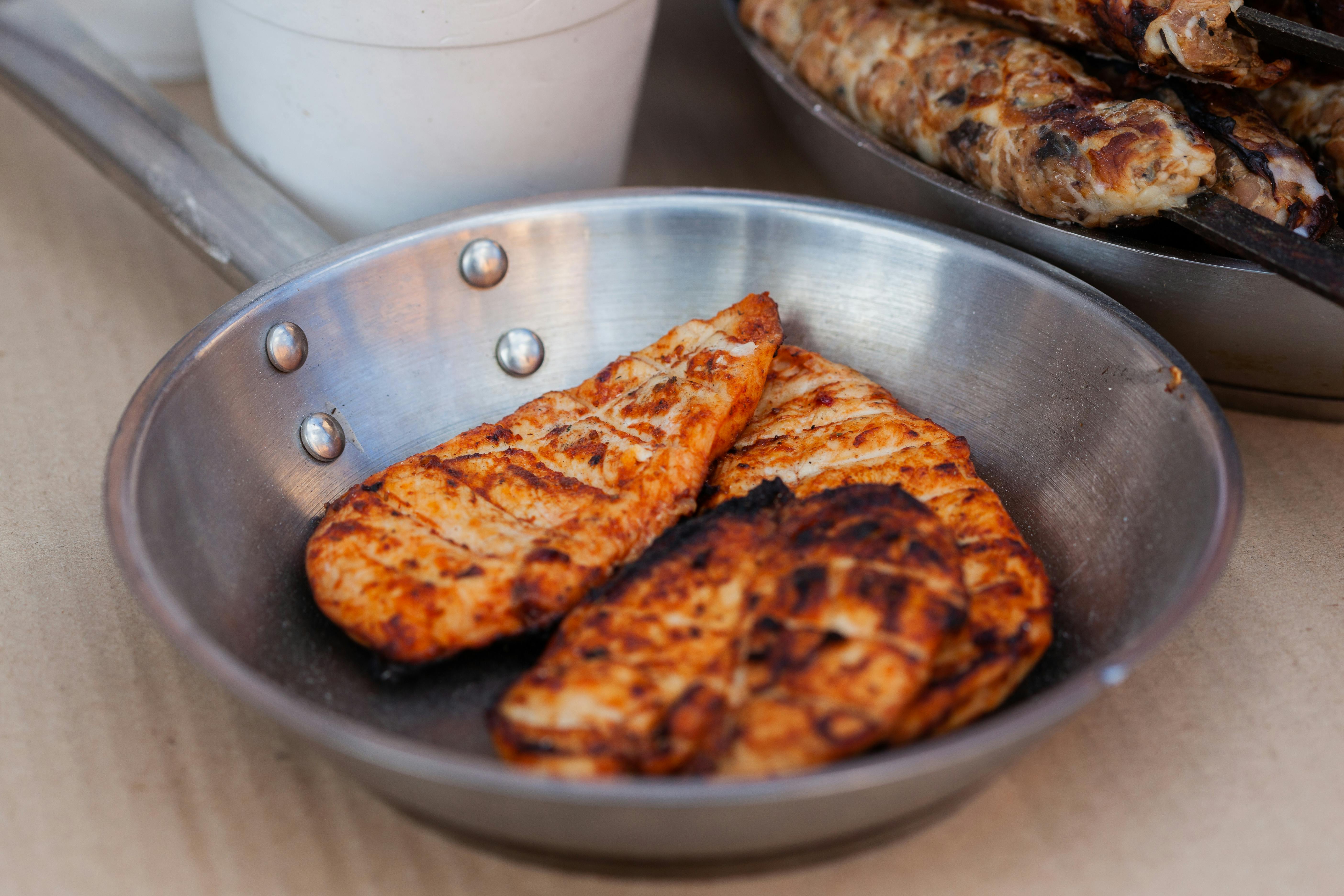
The old fast food formula centered on fries, buns, and oversized sodas. In 2026, protein is often the first thing diners look for, whether that means grilled chicken, steak bowls, egg bites, high-protein wraps, or double-patty burgers marketed as more filling and more functional.
This shift is tied to broader eating habits. Americans are paying closer attention to satiety, gym culture, and blood sugar balance, so chains are responding with menu language that highlights grams of protein, leaner builds, and add-on options. Even breakfast is being redesigned around eggs, sausage, Greek yogurt, and cottage-cheese style ingredients.
For fast food brands, protein also helps justify premium prices. Customers may still want convenience, but they increasingly expect a meal that feels substantial, not just fast.
Value Meals Are Getting Smarter and More Targeted

Cheap food still matters, but value in 2026 is less about one-size-fits-all dollar menus and more about strategic bundling. With food inflation still shaping spending habits, chains are building meal deals that feel customizable, timed, and digitally exclusive rather than simply low-priced.
That means more app-only combos, limited-time bundles, and offers aimed at different routines such as late-night snacks, family dinners, or workday lunches. A customer might see a breakfast deal before 10 a.m. and a completely different personalized offer by dinner, based on order history and location.
This approach helps brands protect margins while still signaling affordability. For diners, the result is a fast food landscape where finding the best deal often depends on how, when, and where you order.
Chicken Keeps Expanding Beyond the Sandwich
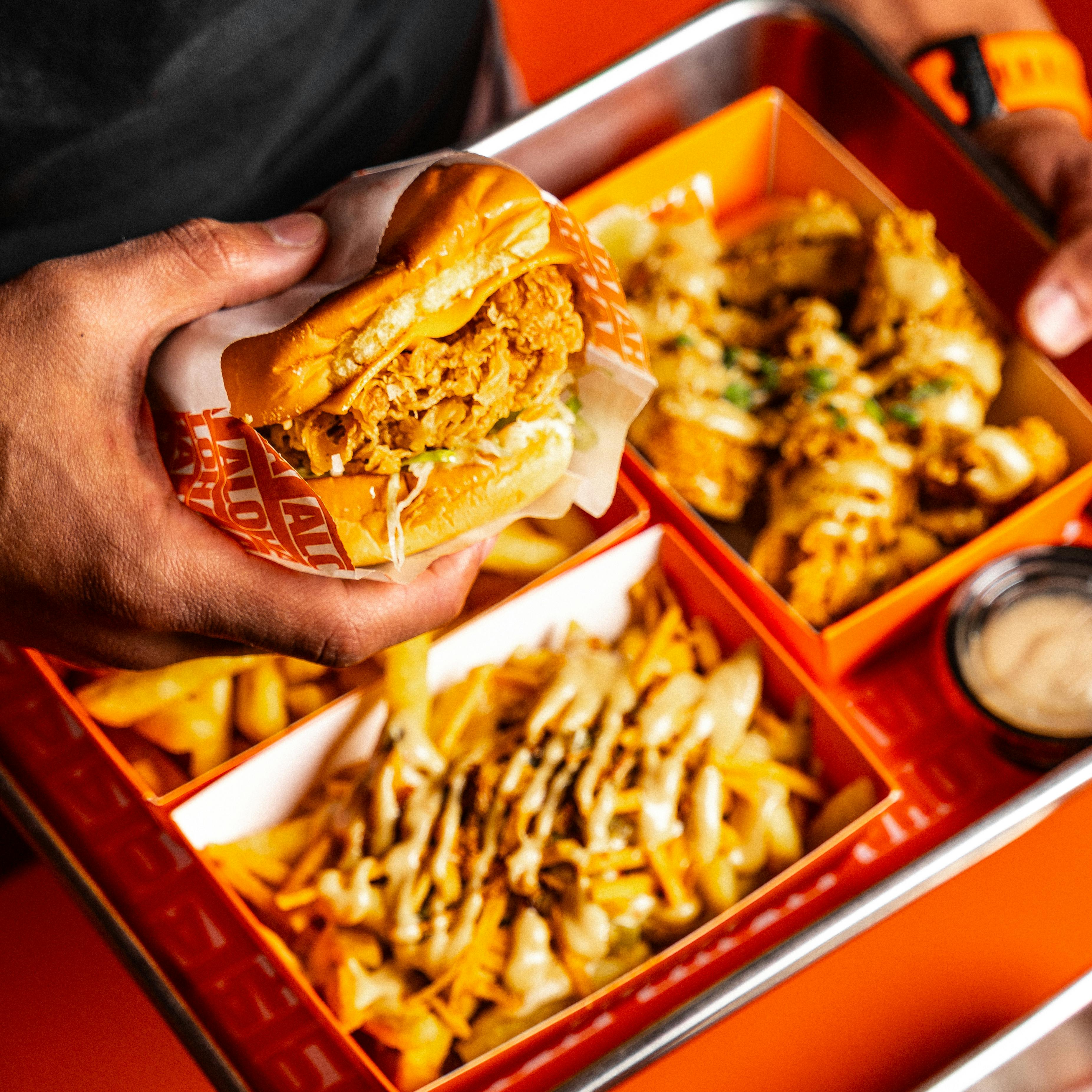
Chicken is no longer just the safe option on the menu. In 2026, it is one of the most flexible parts of fast food, showing up in wraps, rice bowls, snack boxes, salads, sliders, tenders, and globally inspired formats that travel well and appeal to a wide range of tastes.
Chains like chicken because it can move between value and premium with ease. A basic crispy sandwich still sells, but spicy glazed bites, grilled skewers, loaded wraps, and boneless pieces with dipping sauces create more room for variety. It also gives brands an easier way to test flavor trends without rebuilding the entire menu.
For customers, chicken feels familiar but not boring. It can be lighter than beef, more portable than bone-in meals, and adaptable enough to fit lunch, dinner, or a quick snack run.
Global Flavors Are Going Mainstream at the Drive-Thru
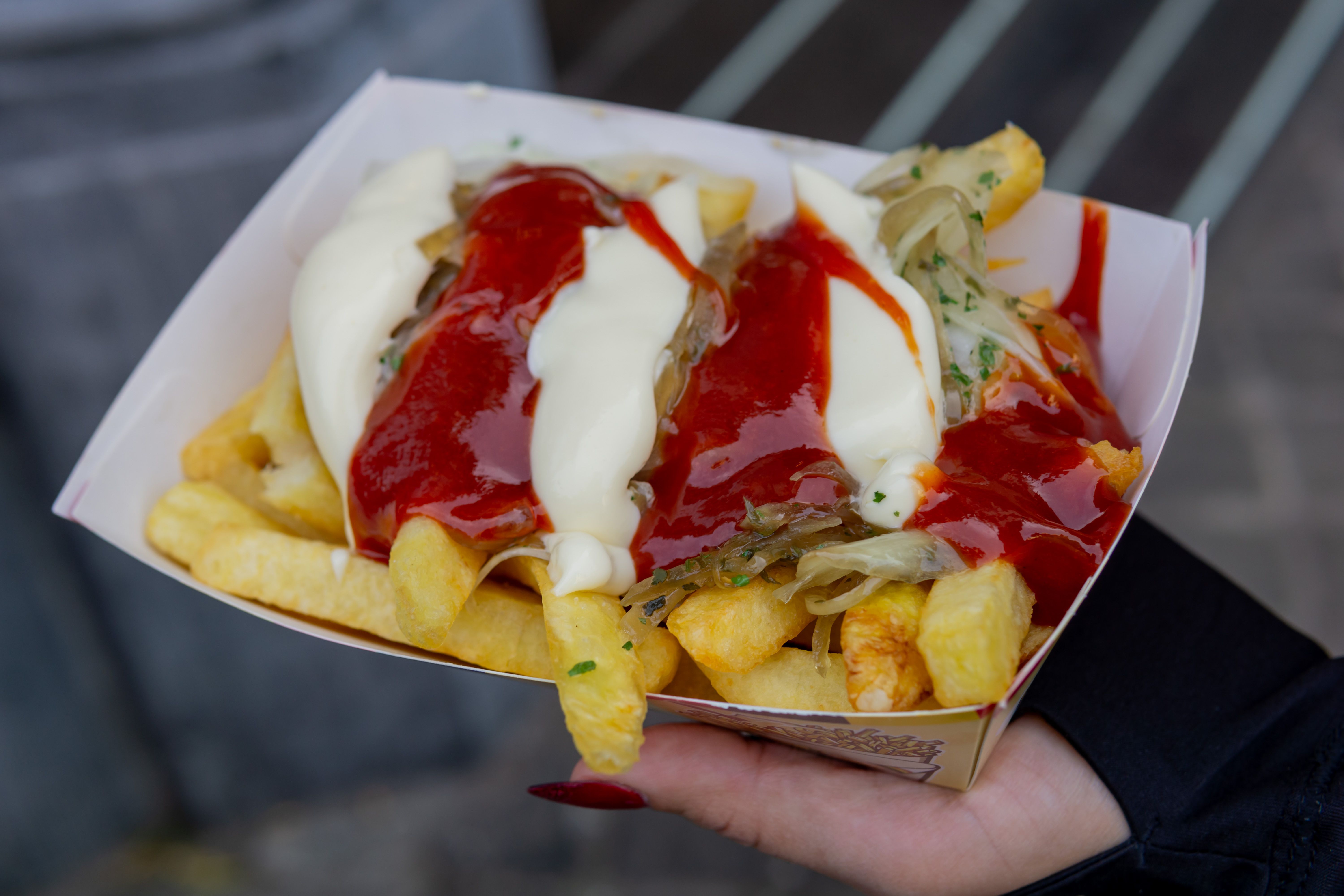
Fast food menus used to play it safe with a few spicy items and the occasional seasonal sauce. In 2026, global flavor profiles are becoming a regular part of the pitch, with chains leaning into Korean-style heat, Mexican street food influences, hot honey, garlic-forward sauces, chili crisp, teriyaki, and Mediterranean touches.
Part of the reason is simple: customers are more adventurous than they were a decade ago. Social media, food delivery apps, and broader restaurant exposure have made once-niche flavors feel familiar, especially to younger diners who want bold taste without giving up convenience.
Chains benefit because sauces and seasoning blends are an efficient way to refresh menus. A new flavor can make a standard chicken sandwich or fries feel newsworthy again, which keeps repeat visits coming.
Technology Is Shaping the Menu as Much as the Kitchen
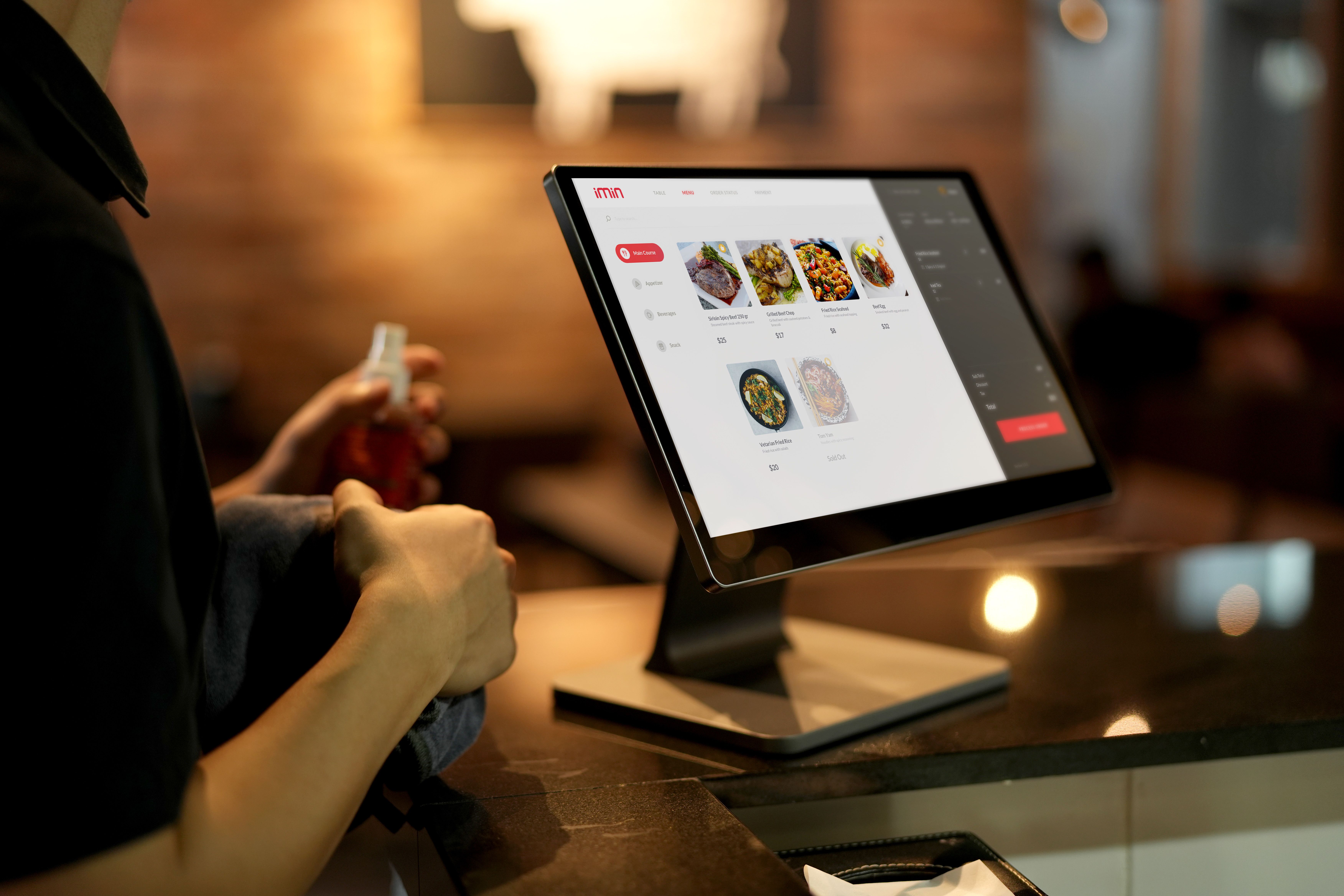
The biggest fast food change in 2026 may be invisible at first glance. Ordering screens, loyalty apps, AI-assisted drive-thrus, and data-driven menu boards are not just changing how food is sold. They are influencing what gets promoted, what gets repeated, and what quietly disappears.
When chains know which items move fastest at certain times, in certain neighborhoods, or through certain channels, they can build menus around real-time demand. That often leads to simpler operations, stronger upselling, and more personalized recommendations, from extra sauces to higher-margin beverages and desserts.
For customers, the experience feels smoother and sometimes eerily accurate. Your favorite order may be easier to reorder than ever, but the menu you see is increasingly being tailored by software, not just by a chef or corporate test kitchen.