
Canada's restaurant industry is under growing pressure, and the numbers tell a worrying story. Here's why so many eateries are struggling to stay profitable, even when dining rooms appear busy.
Busy Dining Rooms Don't Always Mean Healthy Businesses

A full restaurant doesn't necessarily mean the business is making money. According to recent industry surveys, about 4 in 10 Canadian restaurant companies are now operating at a loss or barely breaking even, a dramatic increase from pre-pandemic levels. Many establishments are serving plenty of customers but still struggling to earn enough to cover their growing expenses.
Restaurants typically operate on thin profit margins even during strong economic periods. When the cost of ingredients, labour, rent, utilities, insurance, and equipment all increase at the same time, those margins shrink quickly. Even steady sales may not be enough to offset higher operating costs.
The result is a business environment where owners work harder than ever while earning less. For many independent restaurants, staying open has become less about growing profits and more about simply keeping the doors open and employees working.
Rising Costs Are Hitting Every Part of the Business

Running a restaurant has become significantly more expensive over the past few years. Food prices remain elevated, wages have increased, commercial rents continue to rise in many cities, and utility bills, insurance premiums, and kitchen supplies all cost more than they once did.
Unlike some businesses, restaurants cannot easily reduce these expenses. Fresh ingredients, trained staff, kitchen equipment, cleaning supplies, and food safety standards are essential parts of daily operations that cannot simply be eliminated to save money.
Many operators say they have absorbed a large share of these increases instead of passing every added cost on to customers. They recognize that diners are already dealing with higher living expenses and worry that raising menu prices too aggressively could drive people away.
Canadians Are Dining Out Less Often

Another major challenge is changing consumer behaviour. As household budgets become tighter, many Canadians are reducing discretionary spending, and restaurant meals are often among the first expenses people cut back on. Industry data show that nearly half of restaurant operators reported lower sales during the first quarter of 2026, while more than half saw fewer guests coming through their doors.
Even when people continue eating out, they are often spending less. Diners may skip appetizers, desserts, alcoholic beverages, or additional menu items to keep the total bill lower. Smaller average orders can significantly reduce restaurant revenue.
This shift creates a difficult balancing act. Restaurants need enough customers to cover rising costs, but many consumers are becoming more selective about when and where they dine because affordability remains a growing concern.
Profitability Is Falling Despite Sales
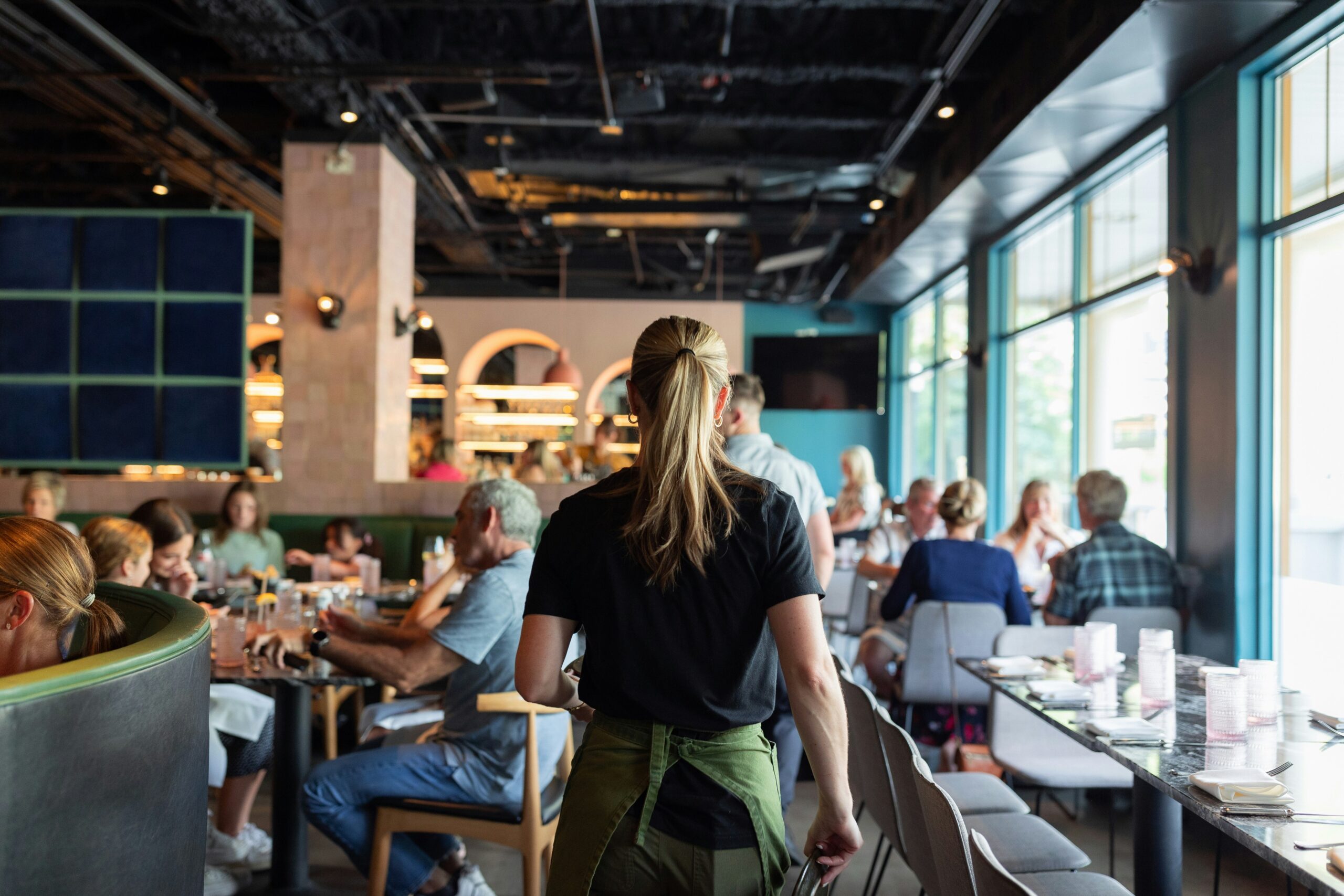
Looking at sales alone does not tell the full story. Some restaurants continue generating respectable revenue, yet their profitability keeps shrinking because expenses are rising faster than income. Industry surveys found that 71% of restaurant operators reported declining profitability, even when some businesses maintained relatively stable sales.
Every dollar earned must now stretch further than before. Higher ingredient costs, payroll expenses, delivery fees, maintenance, and financing costs leave less money available after bills are paid. That means businesses can appear busy while generating very little actual profit.
For restaurant owners, profitability matters far more than revenue alone. A packed dining room offers little comfort if operating expenses consume nearly every dollar that comes through the cash register.
Independent Restaurants Face the Toughest Challenge
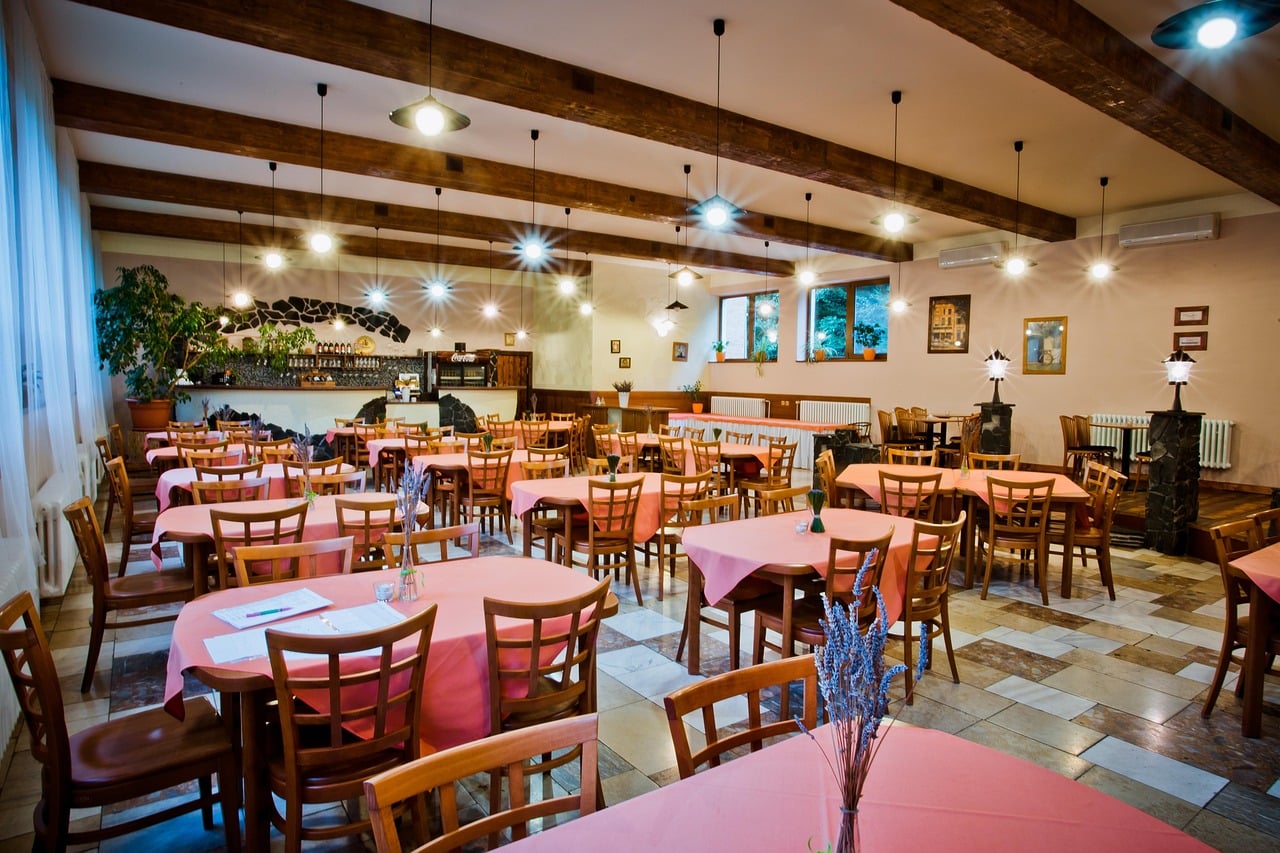
While every restaurant feels economic pressure, independent businesses often have fewer resources to absorb financial shocks than large national chains. Smaller operators usually purchase lower volumes of ingredients, giving them less negotiating power with suppliers and distributors.
Independent restaurants also rely heavily on local customer loyalty. If neighbourhood diners reduce restaurant visits because of inflation or economic uncertainty, smaller establishments often feel the impact more quickly than larger chains with broader marketing budgets and multiple locations.
Industry groups warn that continued financial pressure could lead to additional restaurant closures if conditions fail to improve. Every closure affects not only owners but also employees, local suppliers, landlords, and surrounding businesses that depend on vibrant commercial districts.
Why the Industry Says Relief Is Needed

Restaurant organizations are urging governments to consider measures that could ease financial pressure on both businesses and consumers. Their proposals include tax relief, policies that encourage consumer spending, and measures to help offset rising operating costs.
Industry leaders argue that restaurants play a much larger role than simply serving meals. They support more than one million jobs across Canada, purchase food from domestic producers, attract tourism, and contribute to local economies in communities of every size.
For Canadians, the situation explains why menu prices have continued to climb while many restaurants are still struggling financially. Behind every meal served is a business working to balance rising costs, cautious consumer spending, and increasingly narrow profit margins.




Leave a Reply