
A good sandwich is really about contrast, crisp against soft, rich against bright, familiar against unexpected. These 13 fillings prove that once you start thinking beyond standard lunch meat, bread becomes a blank canvas for some very smart combinations.
French fries

The appeal of a fry sandwich starts with texture. Hot, salty fries tucked into soft bread create a contrast that feels instantly comforting, especially when the bread absorbs a little steam and seasoning from the potatoes.
This idea is hardly new. In the United Kingdom, chip butties have long paired thick fries with buttered bread, often with ketchup or malt vinegar. The result is carb on carb, but it works because the fries bring crunch and salt while the bread softens the bite.
If you try it at home, thicker fries tend to hold up best. Add a swipe of mayonnaise, brown sauce, or hot sauce, and include something sharp, like pickles, to keep the sandwich from tasting flat.
Mac and cheese
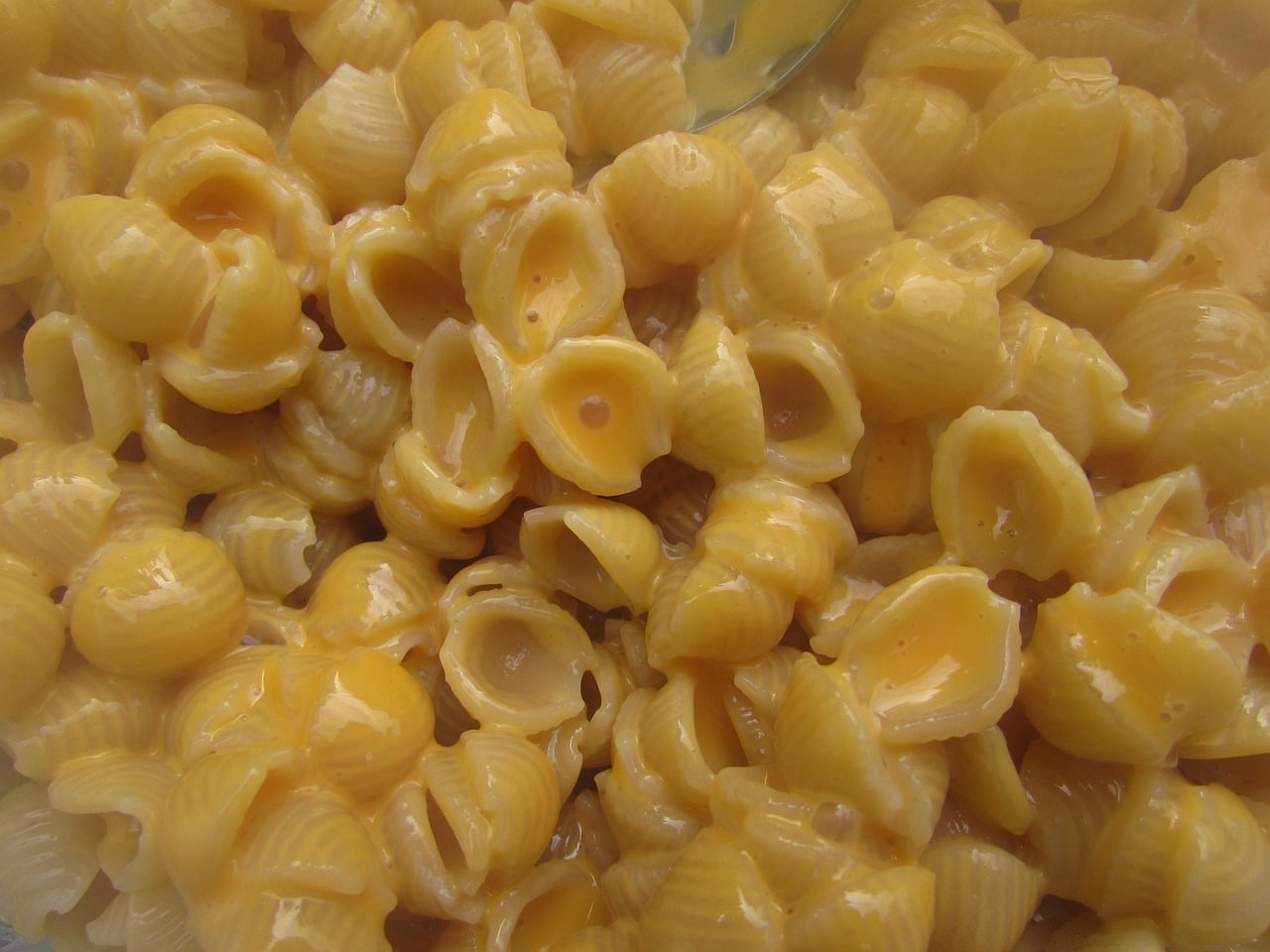
Mac and cheese inside bread sounds excessive until you remember what makes both foods satisfying. They are warm, starchy, and built for comfort, which is why the combination can feel more natural than strange.
The key is using firmer macaroni and cheese, not a runny version that spills everywhere. Chilled leftovers often work better than a fresh, loose pot because the pasta and sauce have had time to set. Toasted bread helps too, since it gives the filling a sturdier frame.
A little mustard, black pepper, or crispy bacon can add needed contrast. Without something sharp or smoky, the sandwich can lean too soft and rich from the first bite to the last.
Peanut butter and pickles
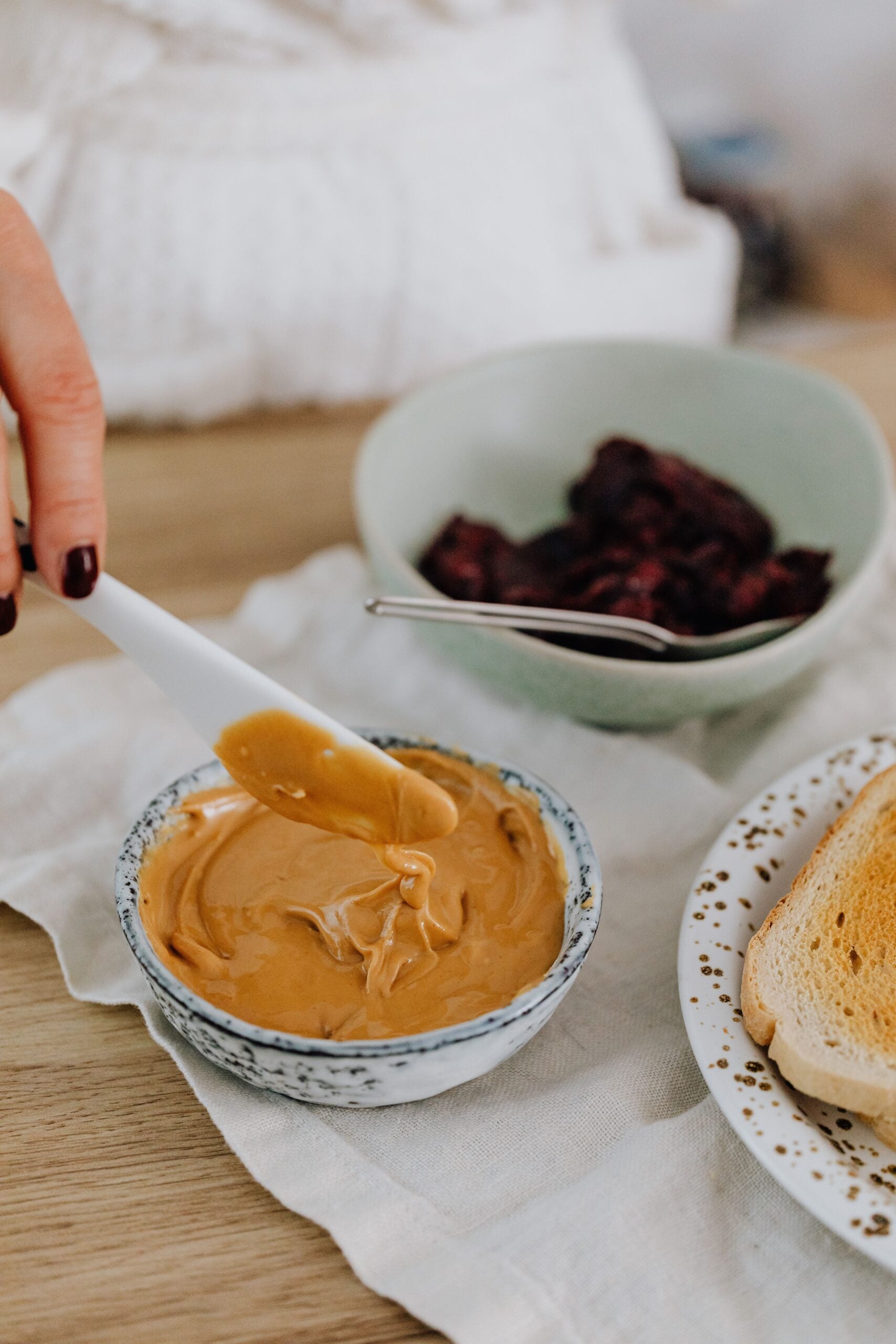
This combination divides people fast, but there is a reason it has stayed around. Peanut butter is fatty, dense, and slightly sweet, while pickles are acidic, salty, and crisp. Put together, they hit several taste and texture notes at once.
Dill pickles are the usual choice because their briny edge keeps the sandwich from becoming heavy. Bread and butter pickles can also work if you want a sweeter result, but they can make the whole thing feel softer and less balanced.
Use a generous layer of peanut butter so the pickles stay in place. A sturdy white or wheat bread keeps the focus on the filling, and thin pickle slices distribute the tang more evenly in each bite.
Kimchi
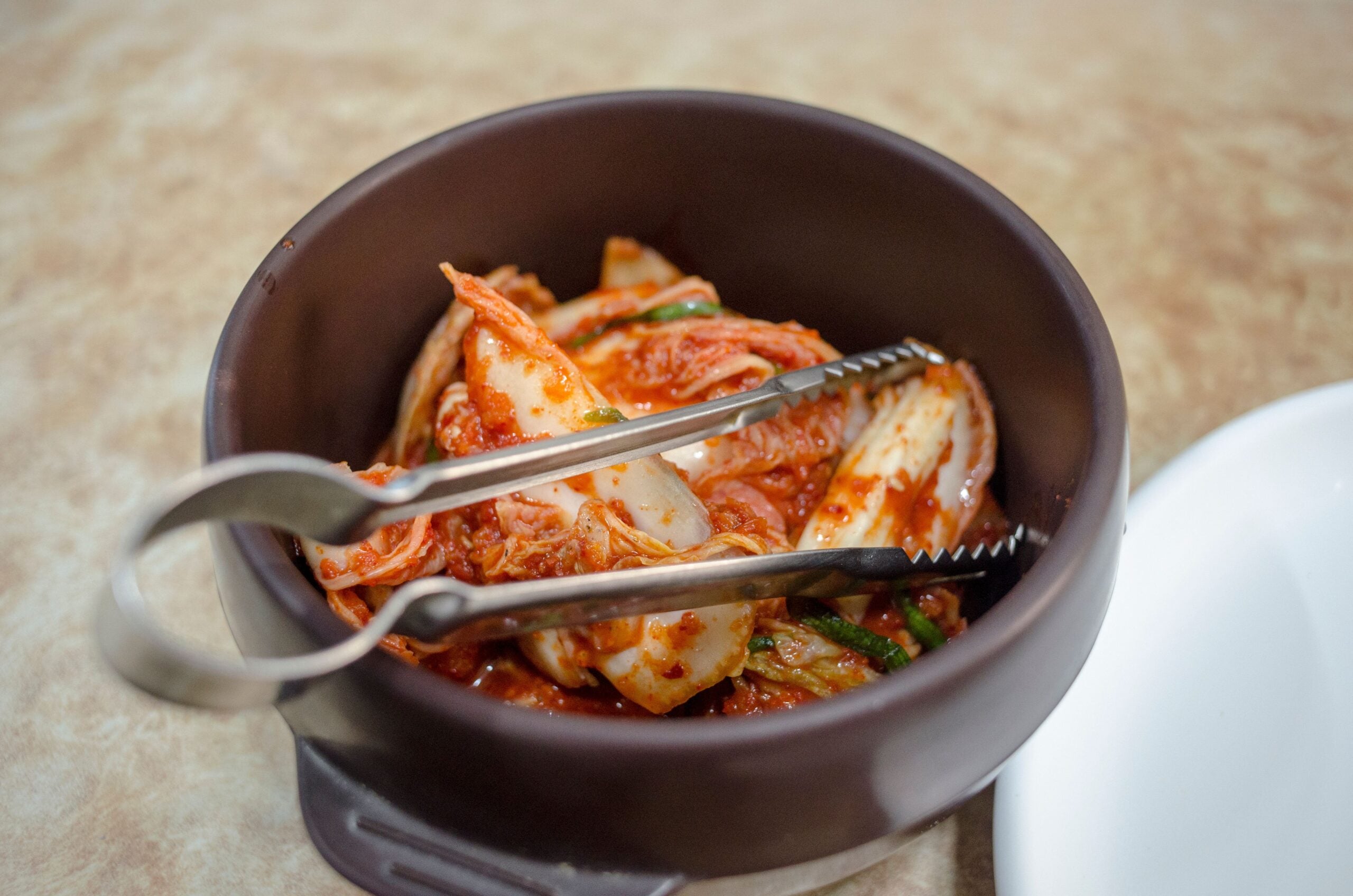
Kimchi brings something many sandwiches lack, fermentation. That means acidity, chile heat, garlic, and crunch in one ingredient, all of which can wake up foods that otherwise taste too rich or too mild.
Because kimchi is juicy, it works especially well with fatty partners like roast pork, fried chicken, or even a simple grilled cheese. In Korean cooking, fermented side dishes often balance richer foods, and the same principle helps here.
Drain it slightly before layering it onto bread so the sandwich does not become soggy too quickly. Its flavor is bold, so it rarely needs much help beyond a creamy spread or a protein that can stand up to its punch.
Mashed potatoes
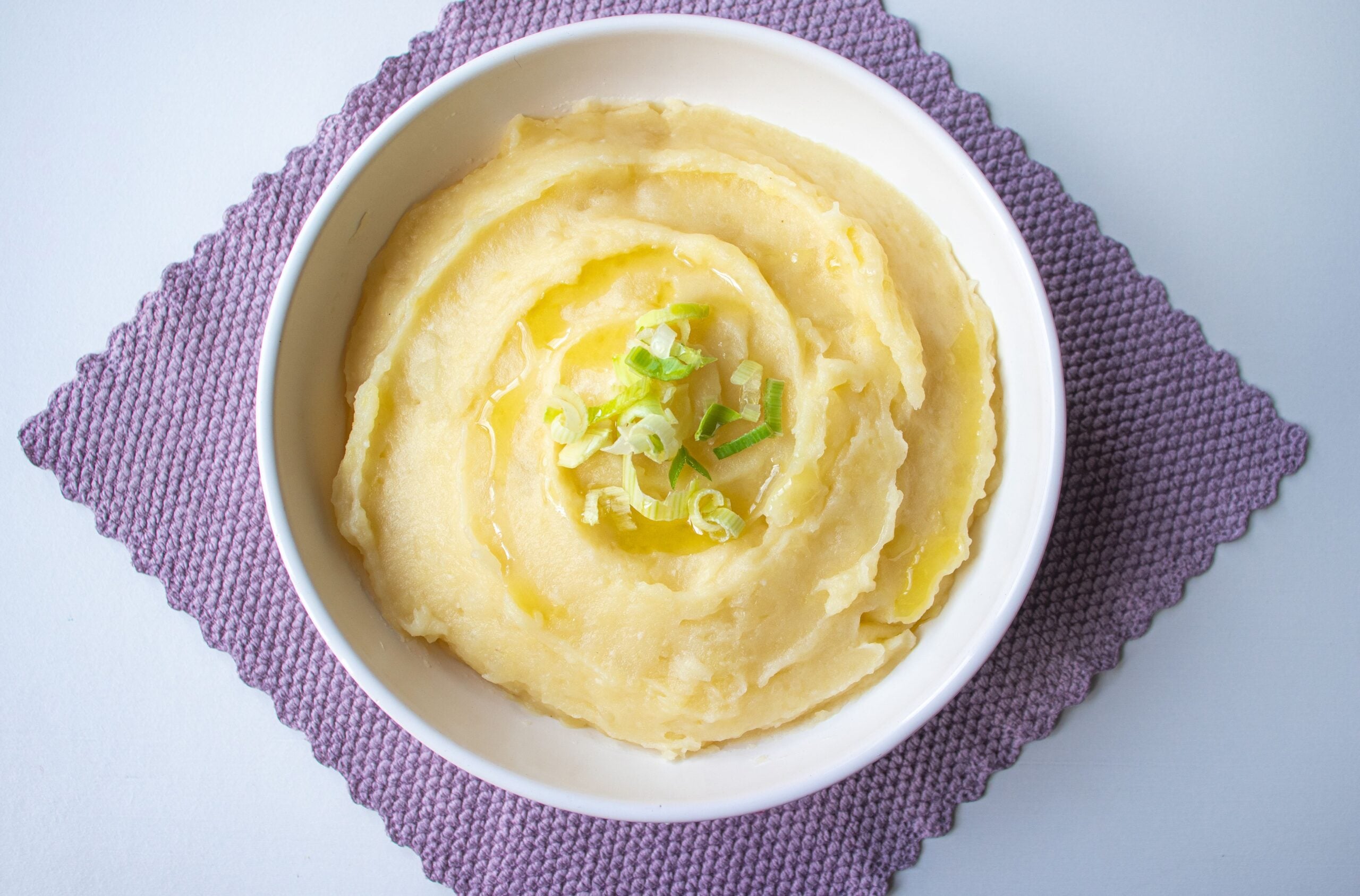
Mashed potatoes in a sandwich sound like a leftover solution, and often they are. But they also have a long history in comfort cooking, especially when paired with roasted meats, gravy, or stuffing.
Think of it as a portable holiday plate. Soft mashed potatoes add warmth and body, and they can fill in the gaps around sliced turkey, meatloaf, or roast beef. In some versions, the bread is toasted so the outside stays firm while the center remains soft.
The trick is moderation. A thin layer makes the sandwich plush and savory, while too much can turn it gluey. Pepper, chives, and a spoonful of gravy can make the whole thing taste intentional rather than improvised.
Apples
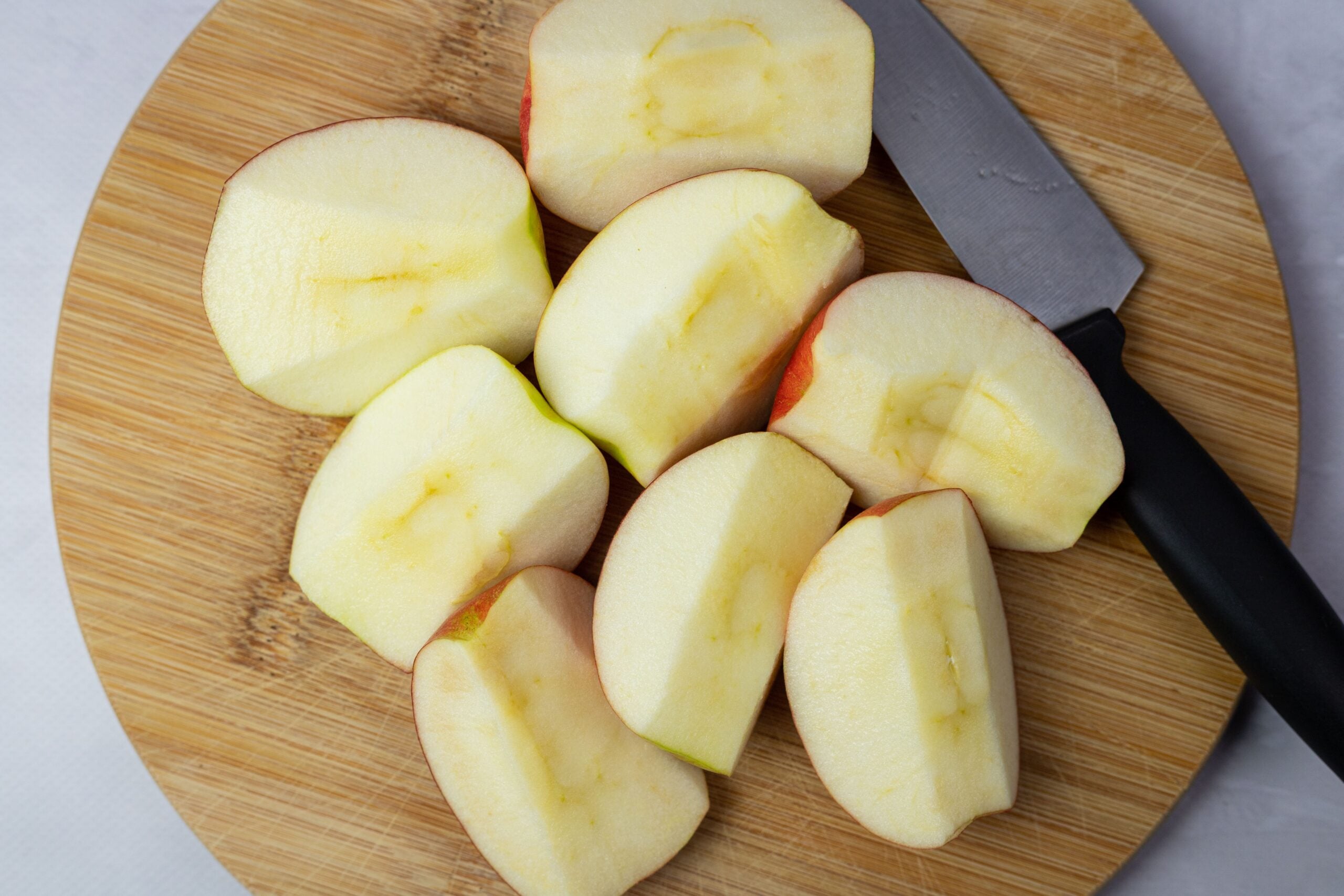
Apples can do more in a sandwich than simply add sweetness. Their real strength is crispness, especially when the rest of the filling is soft or rich. Thin slices bring freshness that cuts through cheese, nut butter, or smoked meat.
Tart varieties like Granny Smith are particularly useful because they add acidity as well as crunch. That is why apples pair so well with cheddar, brie, ham, and turkey. The fruit brightens the heavier ingredients instead of competing with them.
Slice them just before assembling if possible. Apples can brown after exposure to air, though a little lemon juice slows that process. Kept thin, they layer easily and help every bite feel lighter.
Spaghetti
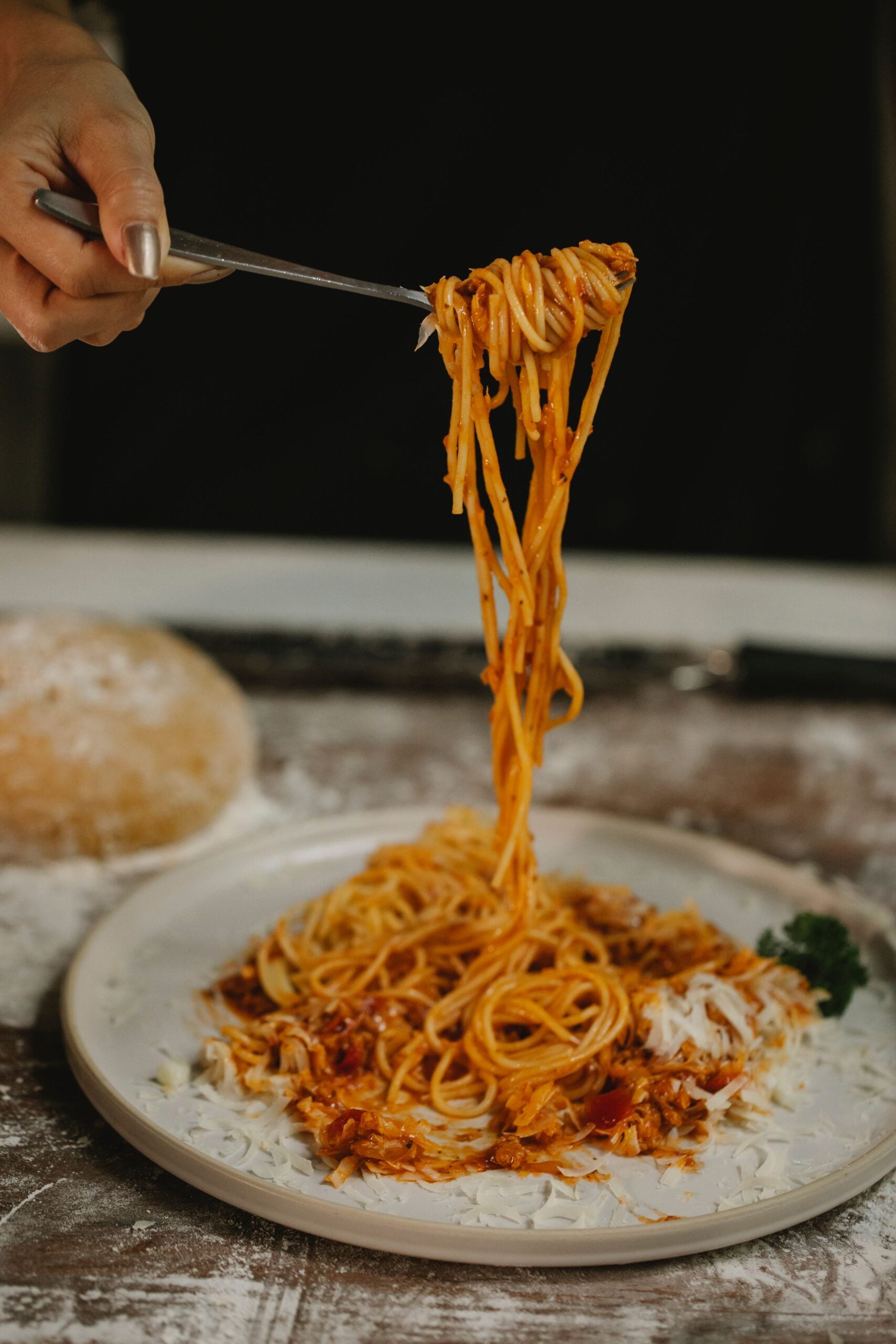
A spaghetti sandwich sounds like a joke until you look at how often pasta and bread already appear together on the same table. Garlic bread with spaghetti is common, so folding the pasta directly into bread is not as wild as it first appears.
The best versions use just enough sauce to coat the noodles. Too much tomato sauce will soak through the bread quickly. Meatballs, grated Parmesan, and a firm roll can turn the whole thing into a neater, more structured meal.
This kind of sandwich has roots in practical cooking. Leftovers become lunch, and bread makes them portable. Messy as it can be, the flavor is familiar, which is part of why it keeps showing up in home kitchens.
Cottage cheese
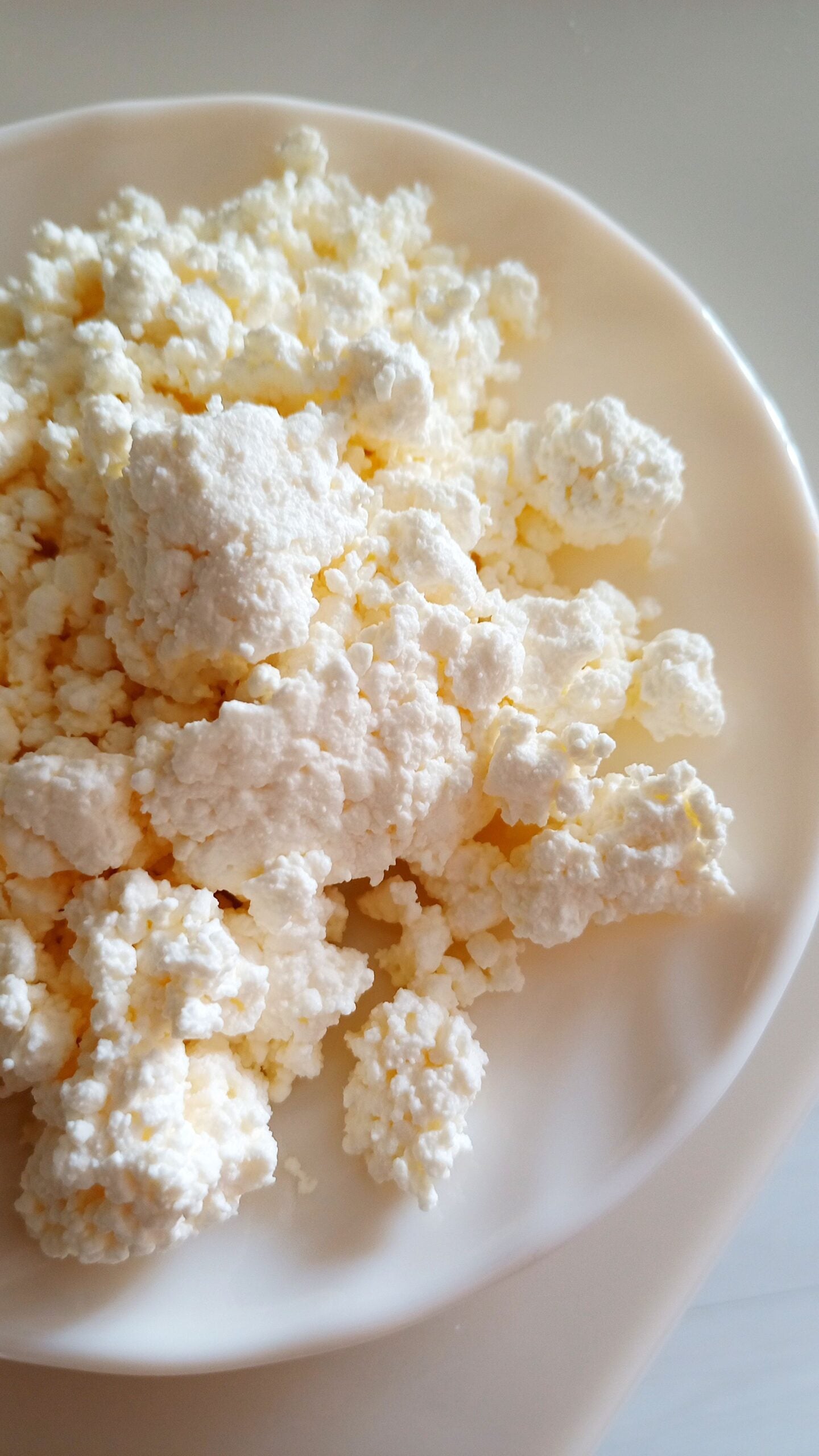
Cottage cheese is often treated as a diet food, but in a sandwich it can be surprisingly useful. It is creamy, high in protein, and mild enough to take on the character of the ingredients around it.
Because it is softer and wetter than sliced cheese, it works best with breads that have some structure, such as toasted sourdough or dense whole grain. It also benefits from strong partners like tomatoes, cucumbers, herbs, smoked salmon, or black pepper.
Draining off excess liquid can help. Once seasoned, cottage cheese becomes less plain than many people expect, and it offers a lighter alternative to mayonnaise-heavy fillings without sacrificing creaminess.
Pineapple

Pineapple in a sandwich works for the same reason it works in savory cooking more broadly. It brings sweetness, acidity, and juice, all of which can sharpen salty meats and rich cheeses.
Grilled pineapple is especially effective because heat concentrates its sugars and softens its texture. That makes it a natural match for ham, pulled pork, barbecue chicken, and melty cheeses. Fresh pineapple can be excellent too, though it is a bit wetter and brighter.
A sandwich with pineapple needs a little restraint elsewhere. If the sauce is also very sweet, the filling can become one-note. Something spicy, smoky, or salty usually creates a better balance.
Potato chips

Potato chips may be one of the most common unconventional sandwich additions, but many people still forget how much they contribute. They add instant crunch, extra salt, and a fragile texture that collapses into the soft filling in a satisfying way.
Plain chips are the most versatile because they do not compete with the main ingredients. Barbecue, salt and vinegar, or sour cream and onion chips can work too, though those flavors quickly become the main event.
Add chips at the last moment so they keep their snap. They are especially good in tuna salad, turkey, egg salad, and bologna sandwiches, where they bring texture that those softer fillings often need.
Waffles
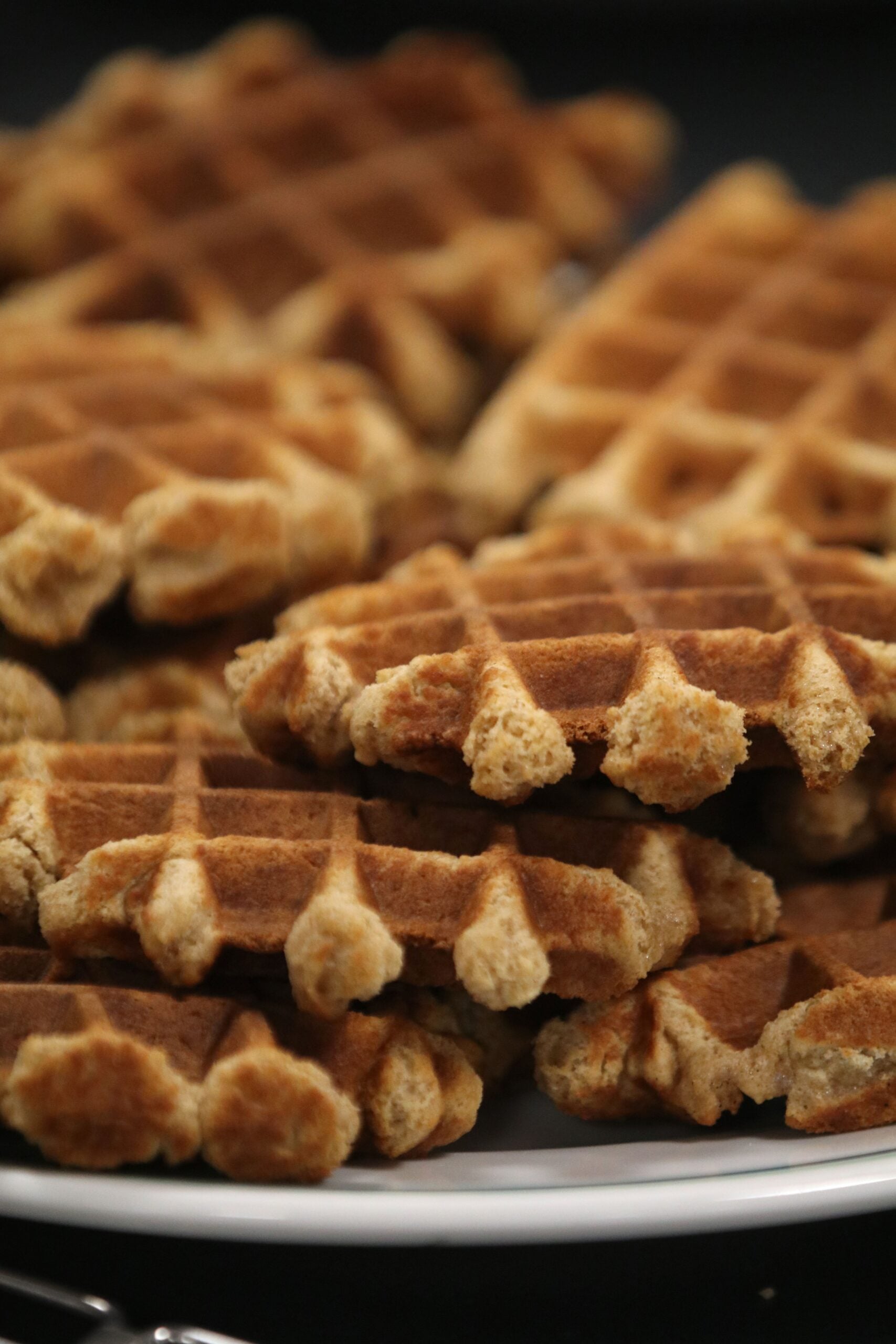
Using waffles as a filling or as part of a sandwich changes the whole flavor profile. Their pockets catch syrups, sauces, and melted butter, making each bite richer and more varied than plain bread usually allows.
Chicken and waffles already proved that sweet and savory can coexist comfortably. Between slices of bread, waffles can pair with bacon, fried chicken, peanut butter, or fruit preserves. Their slight sweetness gives salty ingredients a stronger contrast.
Crisp waffles are best because they keep some structure. If they are too soft, the sandwich can become heavy and limp. A little heat from hot honey or mustard often keeps the sweetness in check.
Beets
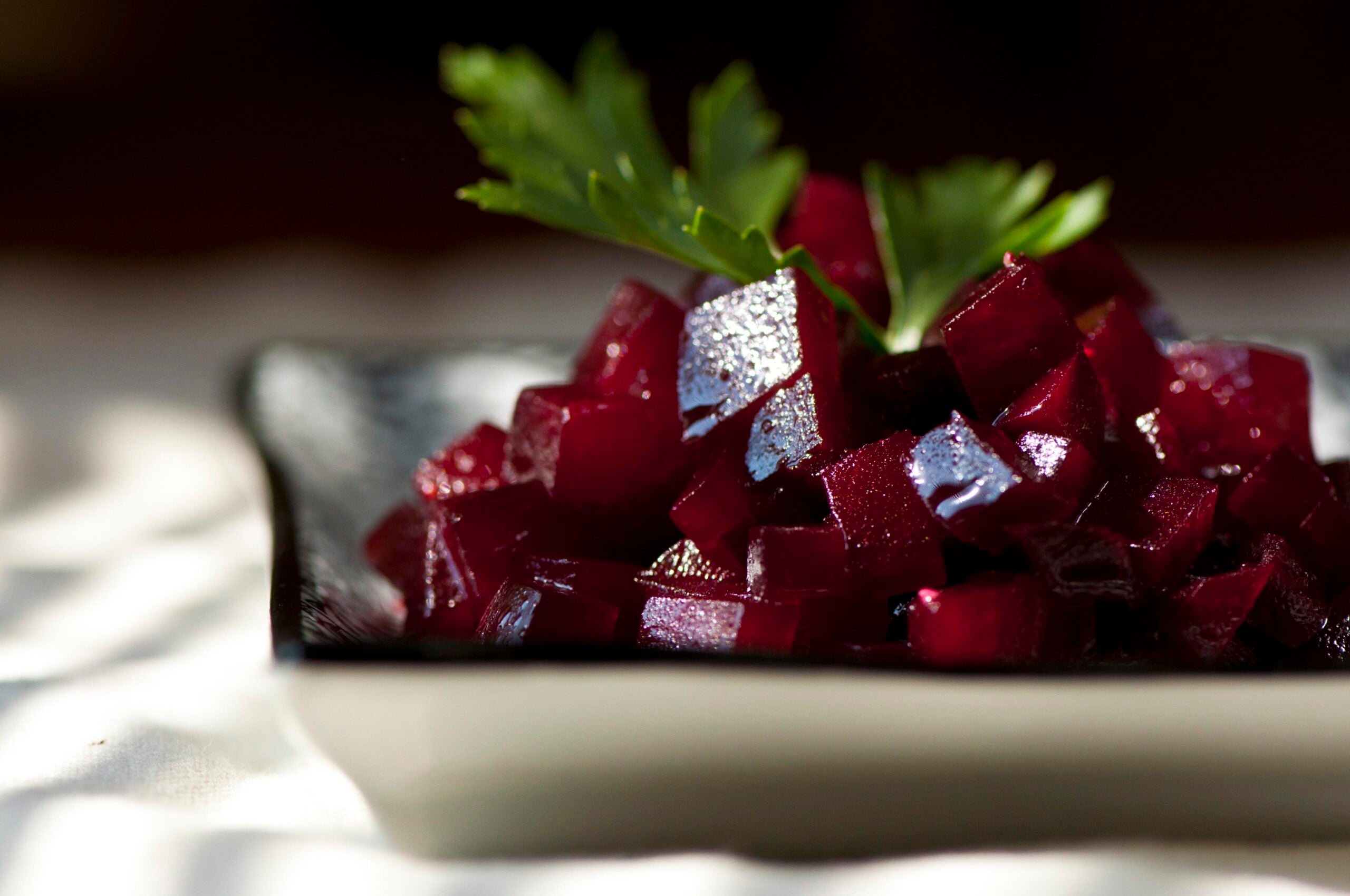
Beets bring earthiness, color, and sweetness, which makes them a more interesting sandwich ingredient than they often get credit for. Roasted beets in particular become tender and concentrated, with less water than many other vegetables.
They pair well with goat cheese, arugula, walnuts, and rye bread. That combination works because the beets are sweet, the greens are peppery, and the cheese adds tang. Pickled beets can be even better if you want more acidity and brightness.
Slice them thinly and pat them dry before assembling. Their juices can stain bread and overpower milder fillings, so a little planning helps. Done right, they make a sandwich feel substantial without relying on meat.
Ice cream

An ice cream sandwich does not have to involve cookies. Bread can play the same role if you choose the right kind and keep the portions sensible. Soft white bread, brioche, or milk bread can cradle a scoop without overpowering it.
In parts of Asia, bread filled with sweet cream, fruit, or ice cream is a familiar bakery idea rather than a novelty. The softness of the bread makes the cold filling feel even creamier, almost like a frozen version of a dessert bun.
The main challenge is timing. Ice cream melts fast, so this is best assembled and eaten immediately. Toasted nuts, sliced bananas, or a swipe of chocolate spread can make it feel more complete while still keeping the focus on temperature and texture.


Leave a Reply