
Some of the healthiest home-cooked meals do not look especially healthy at first glance. That is the appeal of stealth healthy cooking: familiar dishes that quietly add beans, vegetables, whole grains, nuts, seeds, and yogurt in ways that boost nutrition while keeping the flavor and texture people actually want.
Creamy white bean pasta sauce

This is one of the easiest ways to turn pasta night into a more balanced meal without changing its comfort-food feel. Blend canned white beans with garlic, olive oil, a little pasta water, lemon, and Parmesan, and the result is a silky sauce that clings to noodles like Alfredo.
Beans bring fiber and plant protein, two nutrients many people do not get enough of. The USDA notes that beans and peas count toward both the vegetable and protein food groups, which makes them unusually useful in everyday meals.
A handful of spinach blended into the sauce disappears visually but adds color, folate, and vitamin K. Finish with black pepper and herbs, and the bowl still reads as creamy pasta, not a health project.
Overnight oats with chia and yogurt
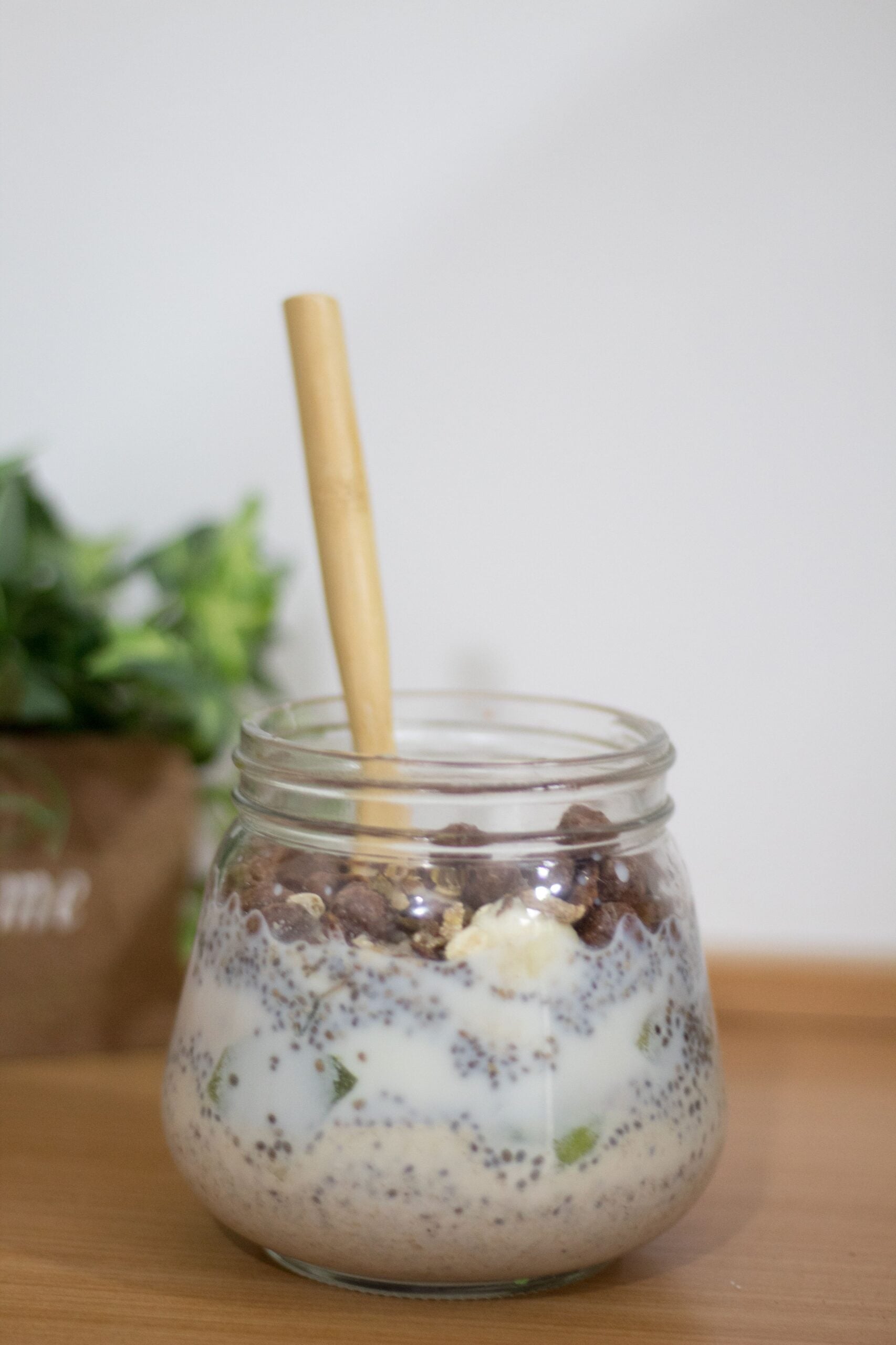
Nutritionists often rely on breakfasts that can be made ahead, and overnight oats are a repeat favorite because they are steadying, inexpensive, and easy to vary. Rolled oats soften in milk overnight, while chia seeds thicken the mixture and add fiber and omega-3 fats.
Stirring in plain Greek yogurt changes the texture more than the flavor. It also adds protein, which can make breakfast feel more substantial than oats alone. Top with berries, banana, or chopped apples, and the finished jar tastes more like a chilled parfait than a carefully engineered meal.
The stealth part is how complete it is. Whole grains, dairy, fruit, and seeds fit into one container, with very little morning effort and no need for sugary flavored packets.
Turkey meatballs with grated vegetables
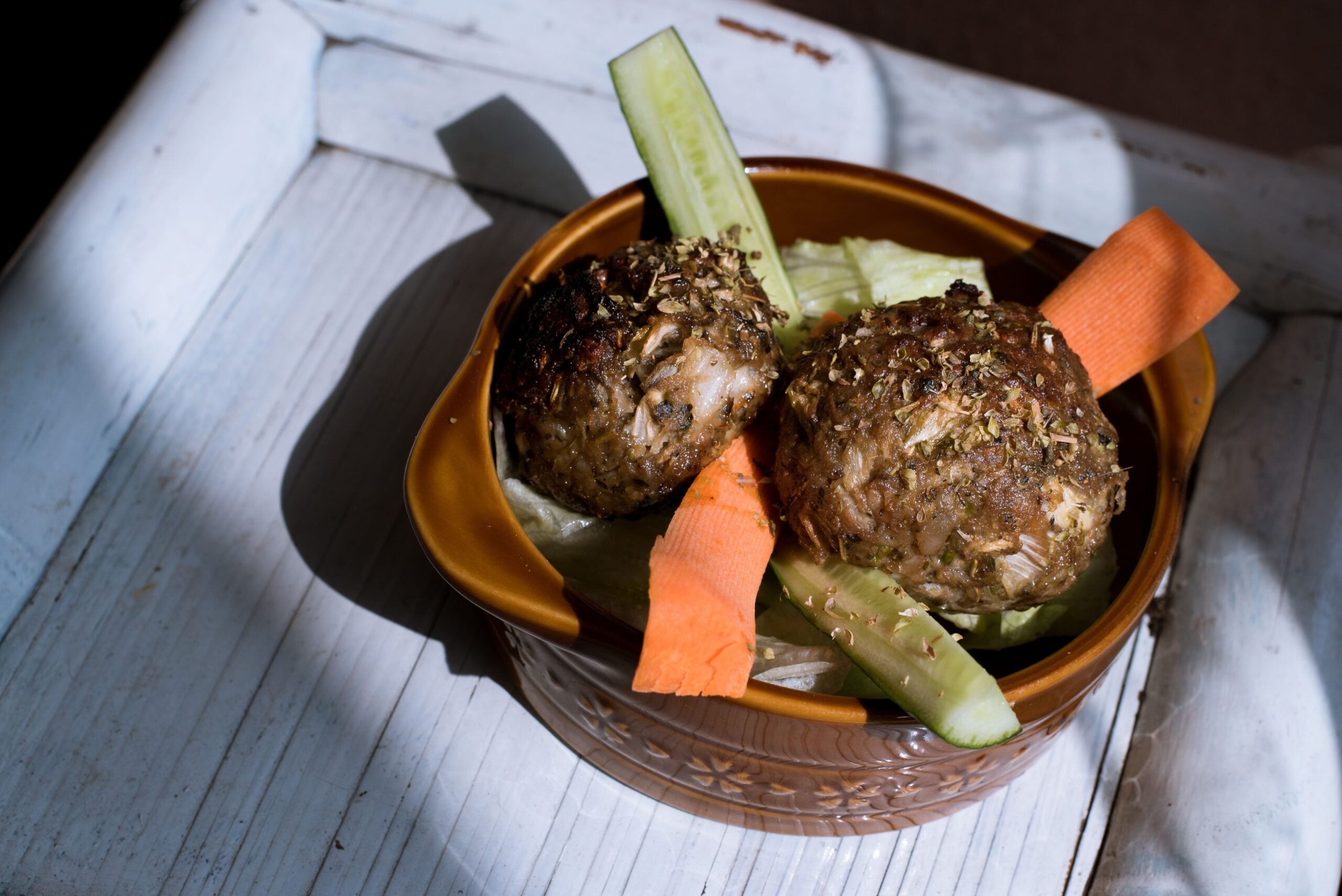
Meatballs are a smart vehicle for extra produce because the texture is already mixed and tender. Many dietitians grate zucchini, carrots, or mushrooms directly into turkey meatball mixtures, where the vegetables add moisture and savory depth instead of announcing themselves.
Using oats instead of some breadcrumbs is another quiet upgrade. Oats help bind the mixture and contribute whole grain benefits, while finely chopped onion, garlic, and herbs keep the flavor squarely in classic comfort-food territory.
Serve them with marinara and pasta, tuck them into a roll, or pair them with roasted vegetables. The result feels familiar, but each serving can carry more fiber and produce than standard meatballs usually do.
Mac and cheese with blended squash

A good stealth healthy recipe does not try to erase the original dish. It keeps the creamy, nostalgic quality people expect and strengthens the nutrition in the background. That is exactly why blended butternut squash or cauliflower works so well in mac and cheese.
Cooked squash purees smoothly with milk and cheese, adding body and a naturally golden color. Cauliflower does something similar with a milder flavor. Either way, the vegetables stretch the sauce so it stays creamy while using less cheese per serving.
This approach can also add potassium, vitamin A in the case of squash, and more overall volume. The bowl still tastes like mac and cheese, which is the whole point of the trick.
Lentil taco meat
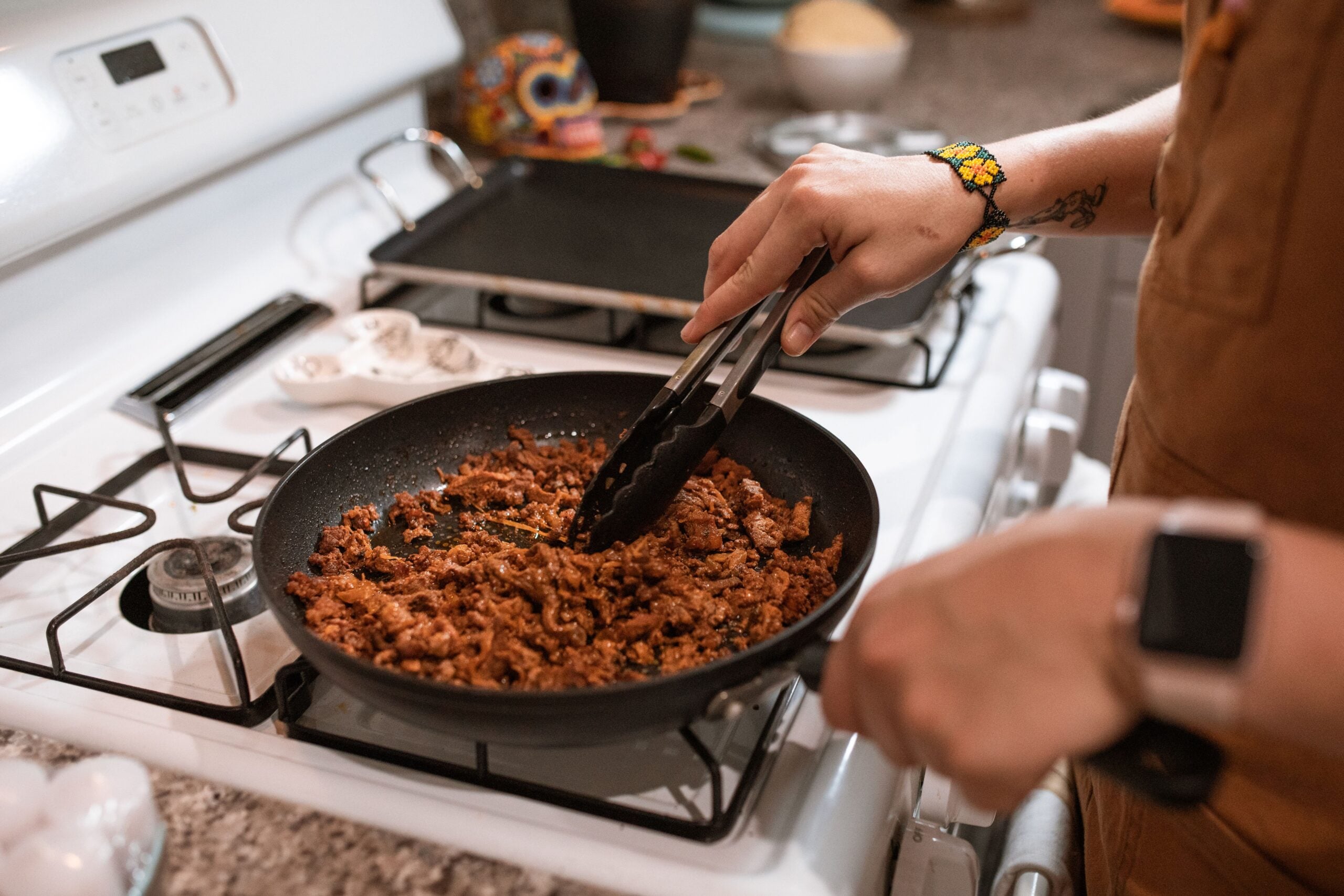
This recipe wins on both flavor and practicality. Brown or green lentils cooked with onion, garlic, chili powder, cumin, and tomato paste can stand in for part of the ground meat in tacos, burrito bowls, or nachos, or replace it completely.
Lentils have a hearty texture that absorbs seasoning well, which matters more than strict imitation. They also contribute fiber and plant protein, making the filling satisfying in a different way than meat alone.
Many home cooks use a half-and-half blend at first, combining lentils with ground beef or turkey. That usually keeps the familiar taste while stretching the meal, lowering cost, and adding a nutrient boost no one needs a lecture to enjoy.
Banana oat pancakes
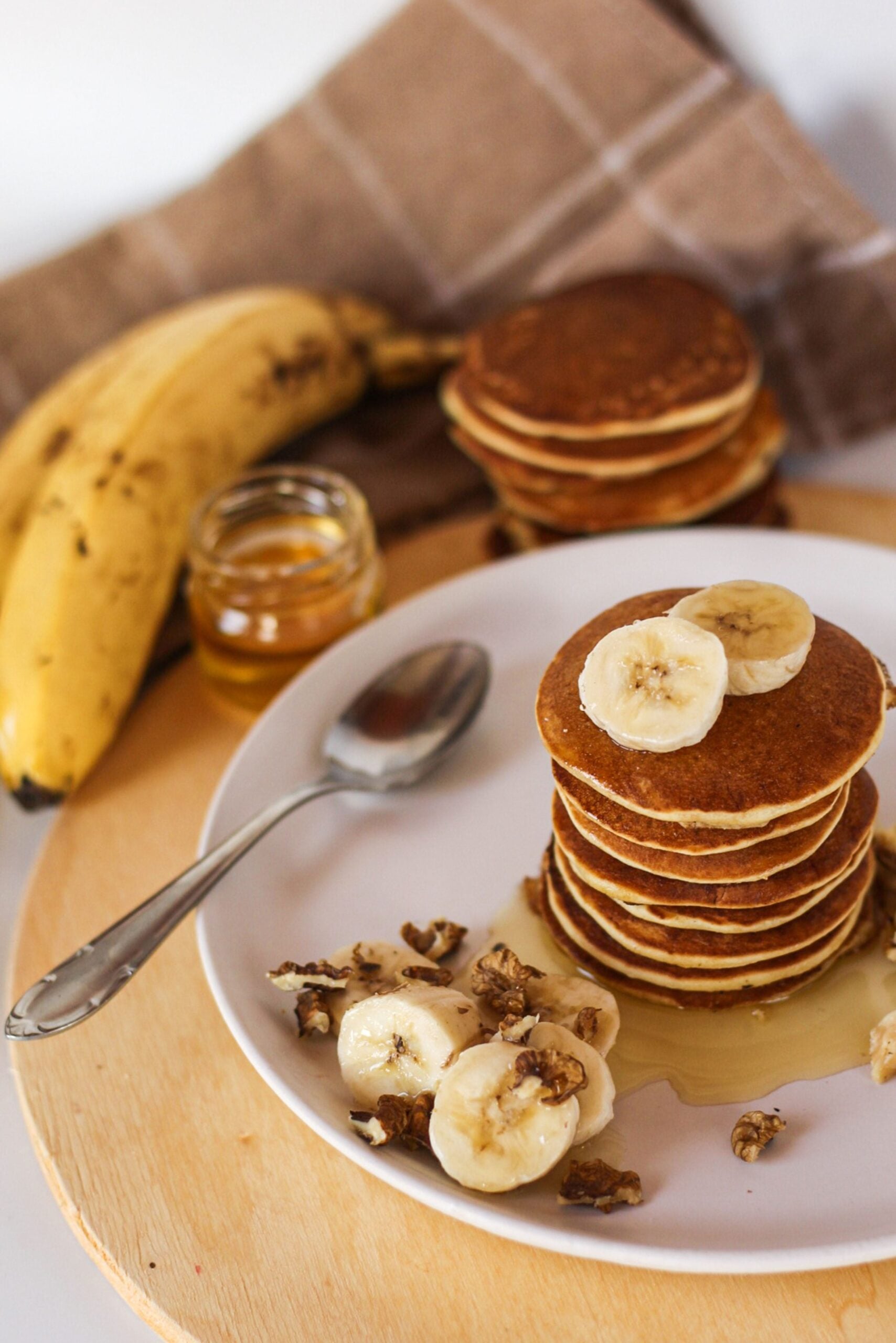
Pancakes can quietly become more filling with just a few pantry changes. Mashed banana adds sweetness and moisture, while oats, either whole or blended into flour, bring extra fiber compared with pancakes made only from refined flour.
Eggs and milk keep the batter tender, and cinnamon or vanilla makes the kitchen smell like a weekend breakfast should. The trick here is not to make the pancakes dense. Letting the batter rest briefly helps the oats hydrate and improves texture.
Serve them with nut butter, fruit, or a spoonful of yogurt. They still feel like pancakes first, but they tend to hold people longer than the standard stack with syrup alone.
Soup built on red lentils

Red lentils are one of the most useful ingredients for stealth healthy cooking because they cook quickly and almost melt into soups. That means they can add body, creaminess, and protein without requiring a chunky bean texture that some eaters resist.
A pot with onion, carrot, garlic, canned tomatoes, broth, and red lentils becomes thick and rich in under an hour. Blend part or all of it, and the soup tastes velvety rather than obviously legume-based.
This kind of meal also stores well, which is one reason busy professionals keep it in rotation. Paired with toast or a salad, it feels simple and comforting while doing much more nutritionally than a basic pureed vegetable soup.
Chicken salad with Greek yogurt
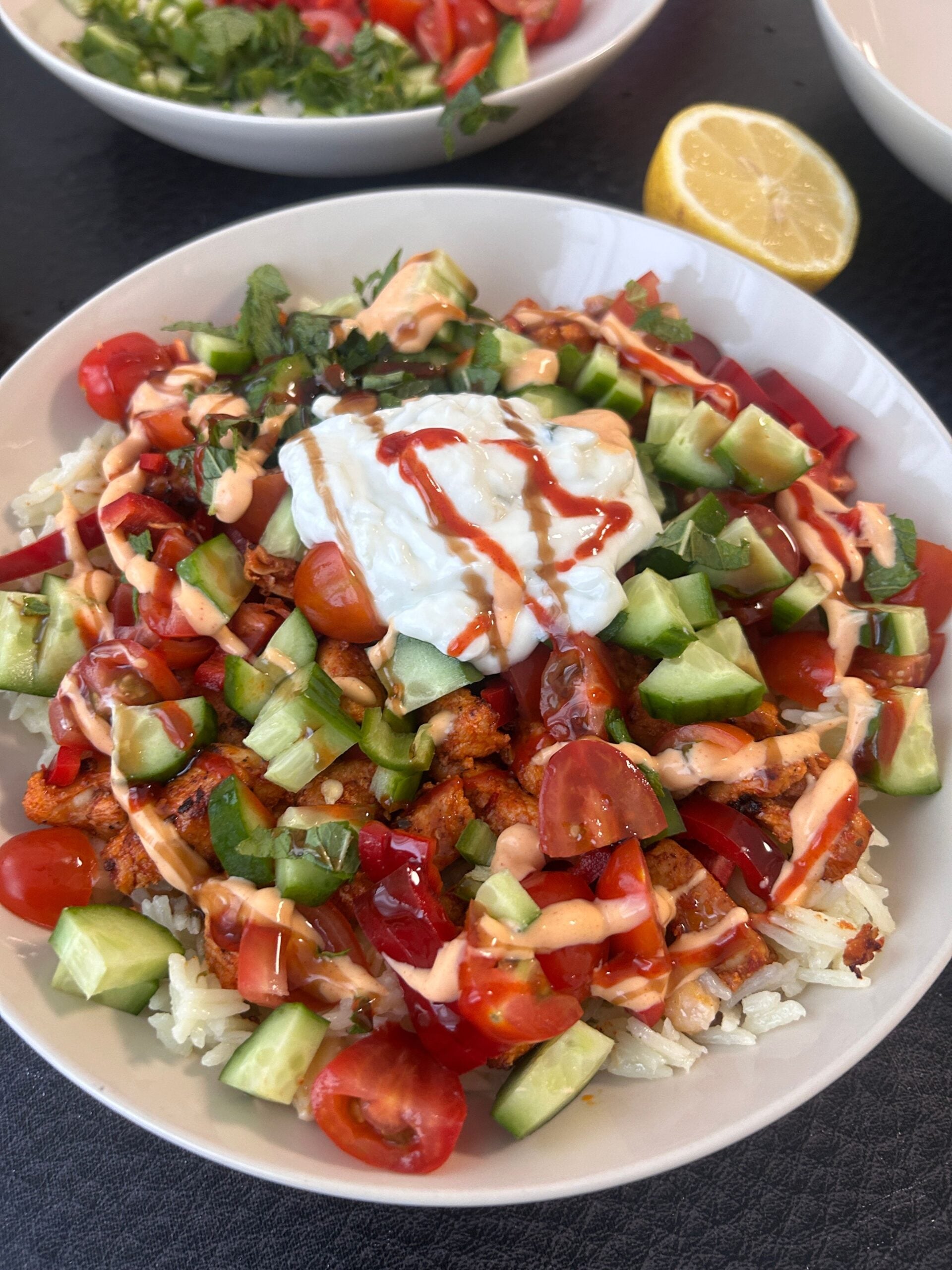
Chicken salad is often treated as a mayonnaise delivery system, but plain Greek yogurt can replace some or all of the mayo while keeping the mixture creamy. The tang works especially well with celery, mustard, dill, scallions, grapes, or chopped apples.
The benefit is not just lower richness. Greek yogurt also adds protein and calcium, and it lightens the texture enough that the chicken and mix-ins stand out more clearly.
For extra crunch and staying power, many nutrition-minded cooks add chopped walnuts or sliced almonds. Spooned into lettuce cups, wrapped in whole grain bread, or eaten with crackers, it still reads as a classic lunch, only fresher and more balanced.
Brownie bites with black beans
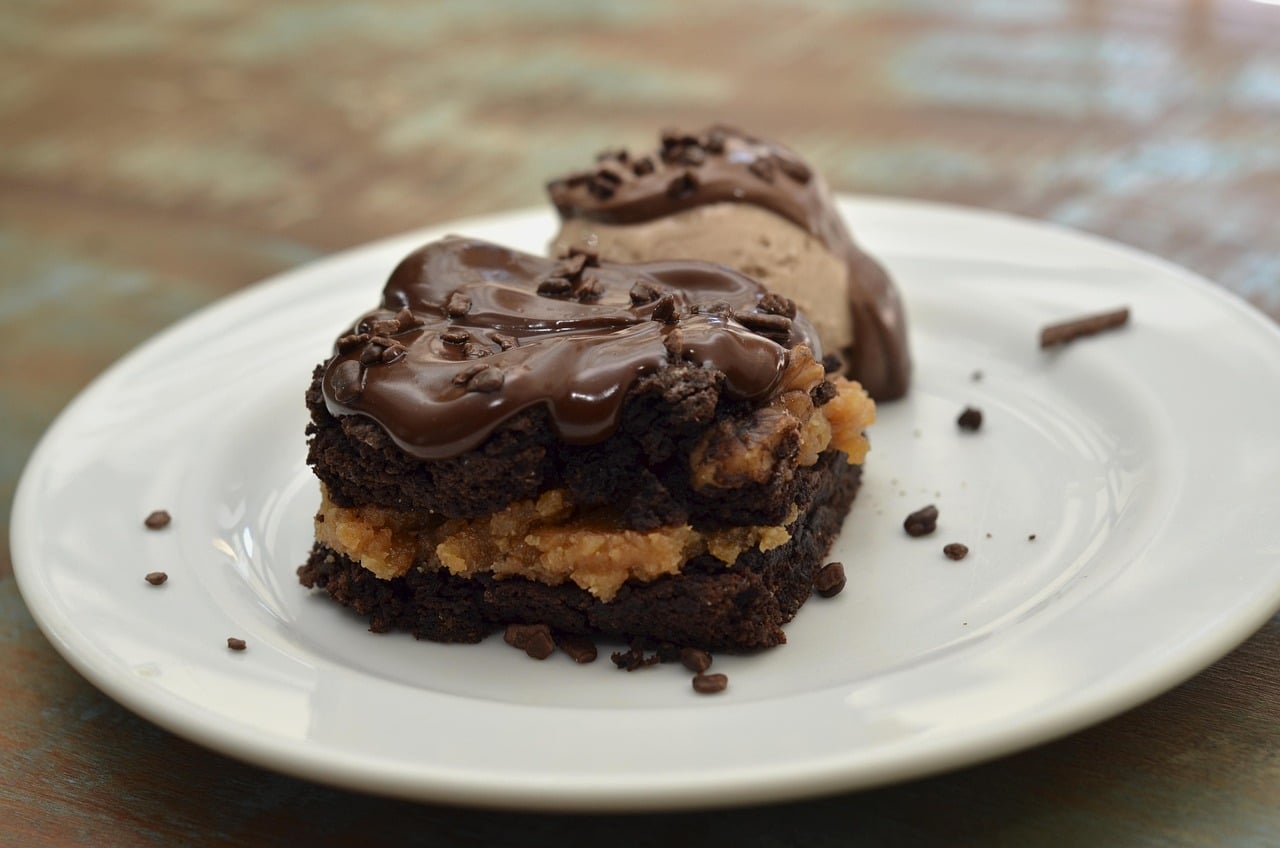
This is one of the better-known healthy baking swaps, but it persists for a reason. Black beans can add moisture and structure to brownie batter, especially when blended with cocoa powder, eggs, vanilla, and a modest amount of sugar or maple syrup.
The beans are not there to mimic chocolate. They help create a soft, fudgy texture while bringing fiber into a dessert category that usually offers very little of it. Strong flavors like cocoa, espresso powder, and dark chocolate chips keep the final result squarely in brownie territory.
These work best when expectations are clear. They are brownies with a smart backbone, not a magic trick, and that honesty is part of why they stay in so many home kitchens.
Fried rice with cauliflower and edamame
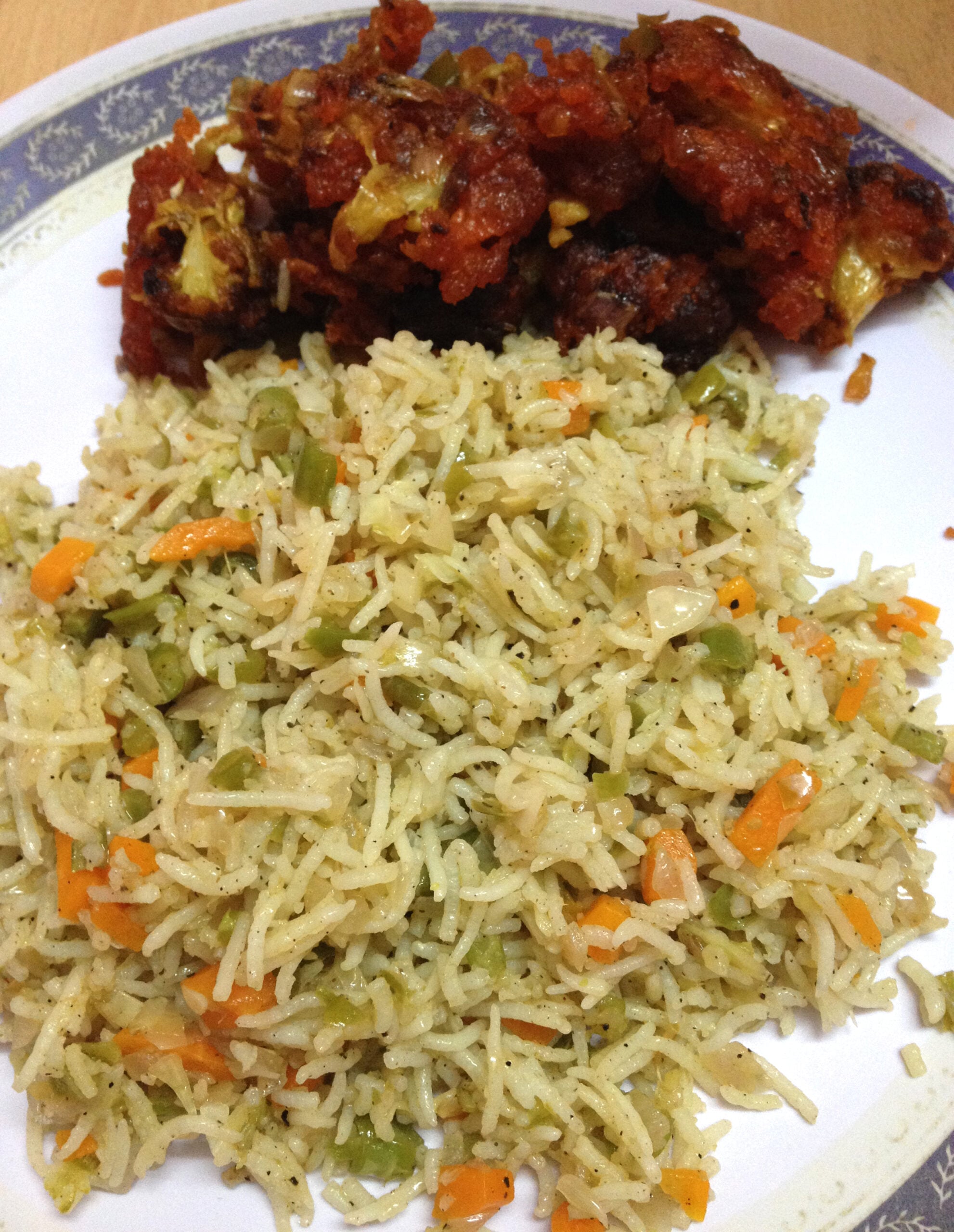
A strong final example is fried rice, a dish already built for flexibility. Replacing part of the rice with riced cauliflower increases vegetable intake without taking away the familiar soy, sesame, garlic, and ginger flavors that define the dish.
Edamame is another nutritionist favorite here because it adds protein, fiber, and a pleasing bite. Scrambled egg, scallions, peas, carrots, and leftover rice round it out, and a hot skillet helps everything taste savory and cohesive.
The smart move is partial substitution, not total replacement. Keeping some actual rice preserves texture and satisfaction, while the cauliflower and edamame make the bowl more balanced and still fully recognizable as fried rice.




Leave a Reply