
Canadian cooking has always been shaped by climate, immigration, trade, and thrift. That means some ingredients were staples for generations, then slowly slipped out of everyday use without much fanfare. This gallery revisits 11 foods and pantry items that once showed up in Canadian kitchens far more often than they do now, and explains why they faded.
Lard
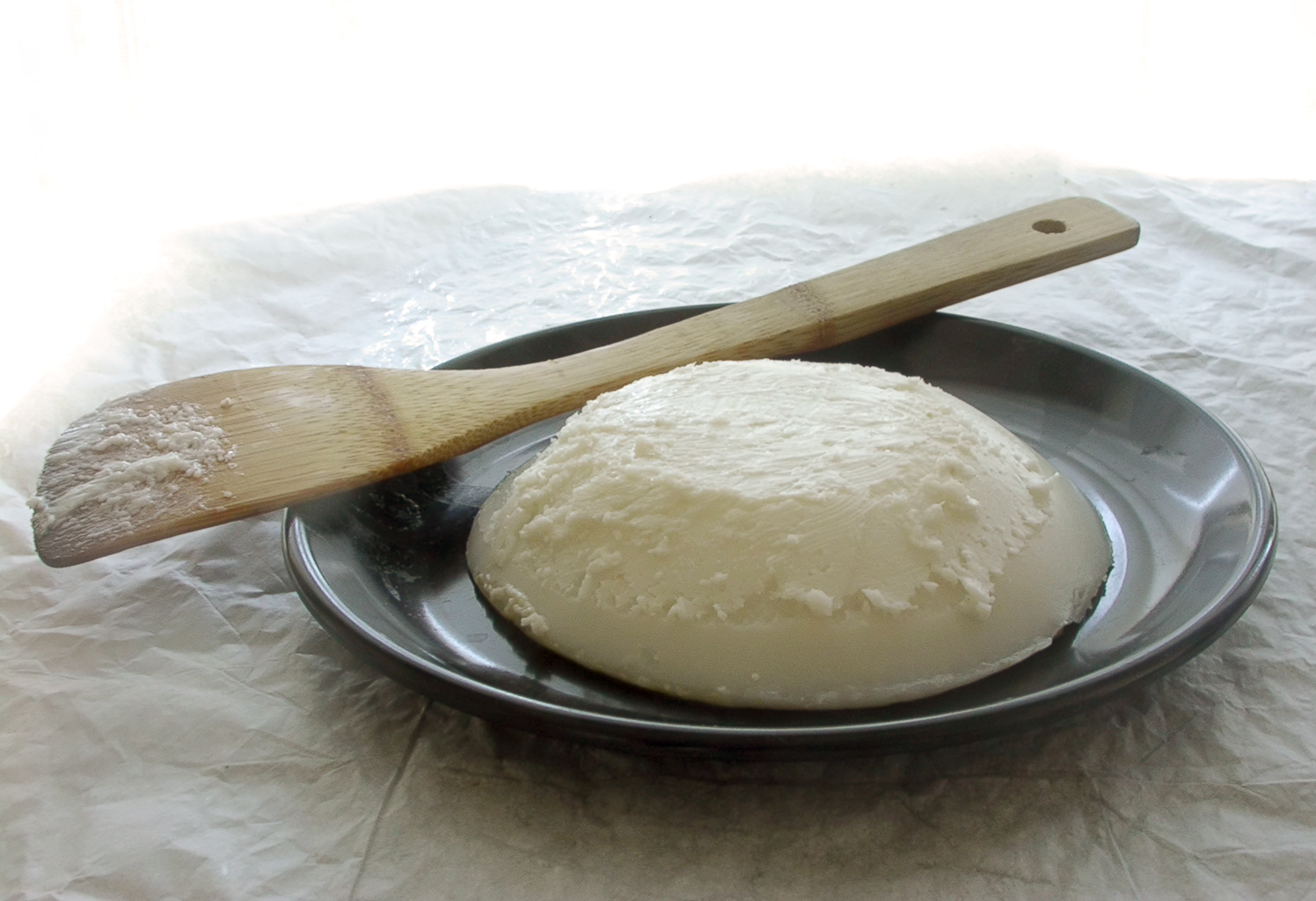
Few fats were once as practical in Canada as lard. It was cheap, shelf-stable when rendered properly, and widely used for pastry, frying, and biscuits. In farm kitchens and city homes alike, it helped make flaky pie crusts and sturdy everyday baking before vegetable shortenings became heavily marketed alternatives.
Its decline came from changing health advice and changing habits. As concerns about saturated fat grew in the late 20th century, many cooks switched to butter, margarine, or oil. At the same time, fewer households rendered fat at home, so lard stopped feeling like a normal pantry item and started looking old-fashioned.
Salt pork

Before refrigeration became ordinary, salt pork was a workhorse ingredient across Canada. It brought fat, flavor, and staying power to baked beans, boiled dinners, soups, and maritime fare. In many regions, especially where winters were long and fresh meat was not always easy to get, it was less a specialty than a sensible necessity.
It faded as fresh and frozen meats became easier to buy year-round. Canadians also began favoring leaner cuts and lighter flavors, which made heavily cured pork seem dated. Today it survives in heritage recipes, but it no longer anchors everyday cooking the way it once did.
Suet

There was a time when suet signaled comfort, not curiosity. This hard fat from around the kidneys of cattle was valued in puddings, mincemeat, dumplings, and rich winter cooking. British culinary traditions carried it into many Canadian kitchens, where it made sense in a climate that rewarded hearty, calorie-dense food.
As dessert tastes changed, suet recipes lost ground to cakes, cookies, and refrigerated sweets. Grocery stores also stopped making it easy to find, except around holiday baking season or at butcher counters. Once an ordinary ingredient, suet now feels more like a museum piece than a weeknight staple.
Molasses

Molasses used to be a defining flavor in many Canadian kitchens, especially in Atlantic Canada and in older baking traditions across the country. It sweetened gingerbread, brown bread, cookies, and baked beans, and it was often more affordable than refined sugar. Its deep, slightly bitter taste gave simple recipes real character.
Over time, sweeter and milder options pushed it aside. White sugar, corn syrup, and later a flood of modern dessert ingredients changed how Canadians baked and what children expected sweets to taste like. Molasses never vanished completely, but its role shrank from everyday staple to niche flavor tied to tradition.
Evaporated milk
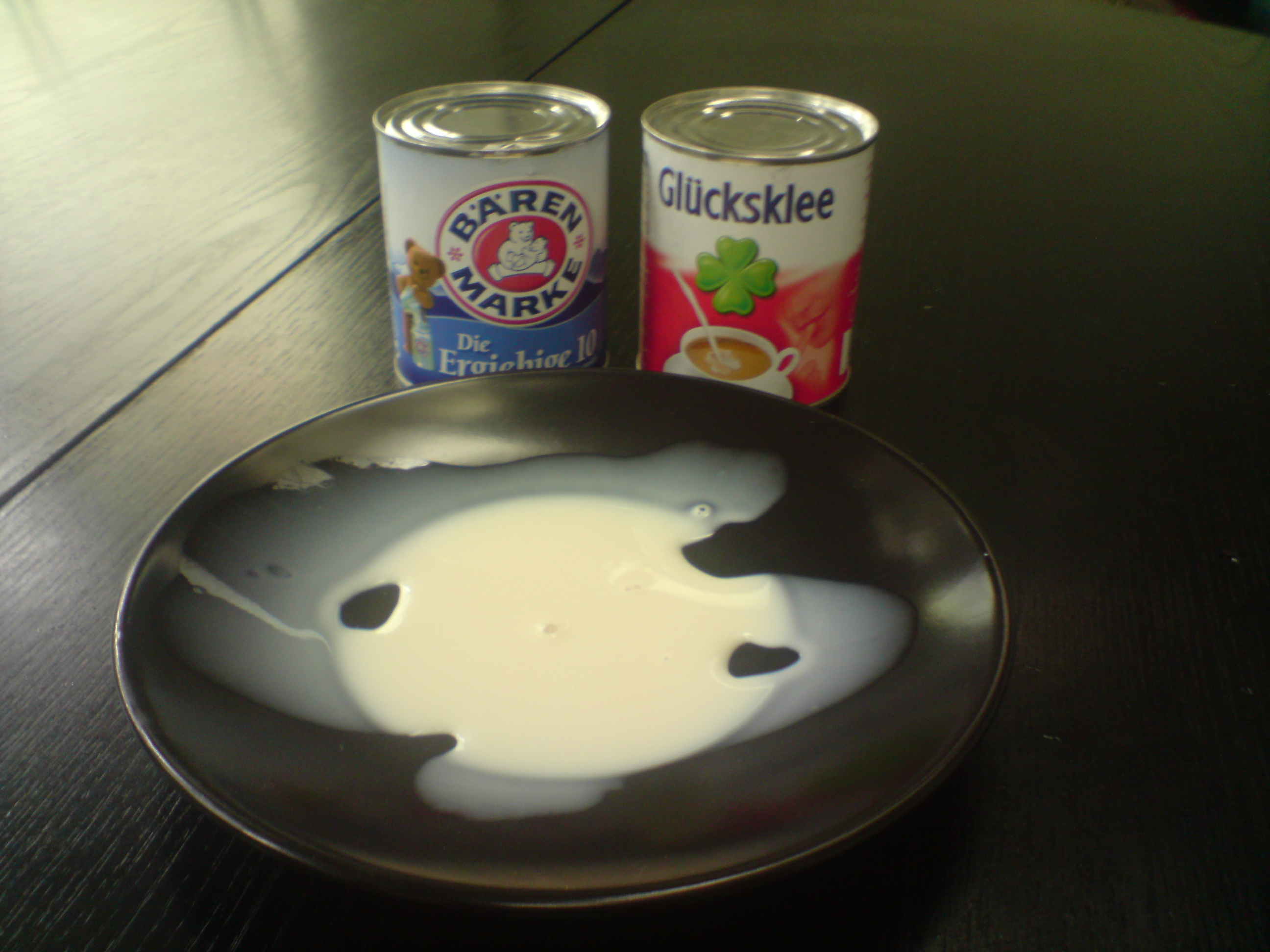
Evaporated milk once did quiet, dependable work in Canadian recipes. It added richness to casseroles, desserts, scalloped dishes, fudge, and creamy soups without requiring a carton of fresh cream. For remote communities and households that stocked shelf-stable foods carefully, canned milk was practical, affordable, and always ready in the cupboard.
Its decline tracks with the rise of bigger supermarkets, better refrigeration, and wider access to fresh dairy. As cooking became more convenience-driven, canned milk also lost cultural cachet and started to read as old cookbook material. It still appears in classic squares and pies, but far less often than before.
Pearl barley

Pearl barley used to be a common answer to a simple question: how do you make a meal stretch? It thickened soups, bulked up stews, and provided affordable nourishment in homes that cooked from scratch. In prairie and immigrant kitchens especially, barley was familiar, filling, and well suited to cold-weather eating.
It gradually lost space as rice and pasta became more dominant pantry defaults. Faster cooking grains, boxed side dishes, and changing texture preferences also worked against it. Barley never disappeared from supermarkets, but its everyday role faded, leaving it mostly associated with beef soup and a handful of heritage recipes.
Summer savory
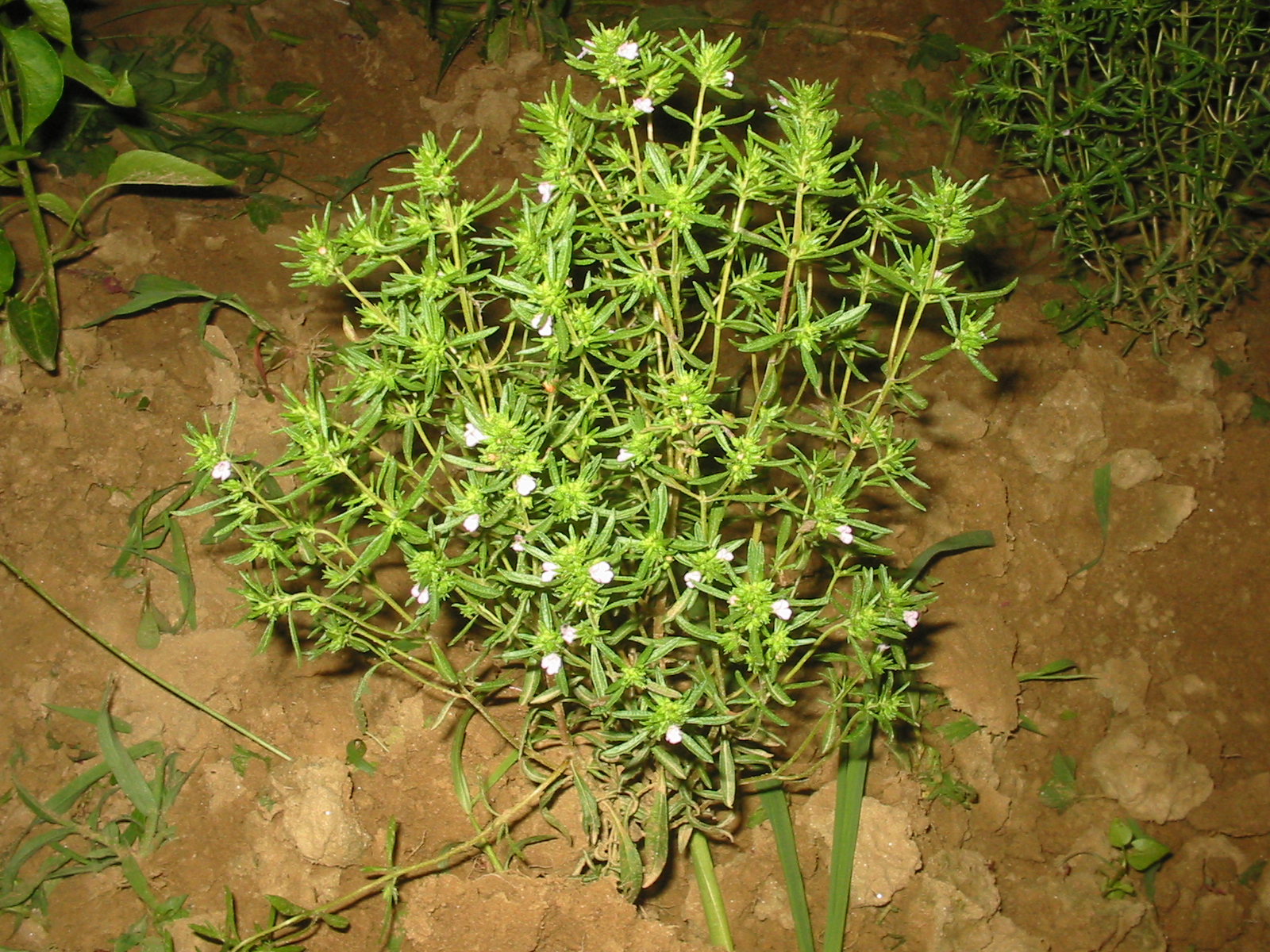
Summer savory once had a far bigger place in Canadian seasoning than many younger cooks realize. It was especially important in Atlantic Canada, where it flavored stuffing, poultry, sausages, and savory pies. The herb has a peppery, earthy taste that pairs well with rich foods, and older community cookbooks mention it with surprising regularity.
Its decline reflects the globalization of spice racks. As oregano, basil, chili blends, curry powders, and dozens of imported seasonings became mainstream, savory stopped being a household default. It is still beloved in some regional cooking, but nationally it slipped from staple status into quiet obscurity.
Rutabaga

Rutabaga was once a winter mainstay in Canada because it stored well, survived cold climates, and delivered reliable bulk to the table. It turned up mashed, boiled, roasted, and folded into soups and meat pies. In households that valued root cellars and practical produce, rutabaga was less an afterthought than a seasonal backbone.
Why did it fall out of favor? Convenience and image both played a part. Softer, sweeter vegetables became easier to buy year-round, while rutabaga gained a reputation for being plain, old-fashioned, and slow to prepare. Today it lingers mostly in holiday meals and regional comfort cooking.
Pickling spice
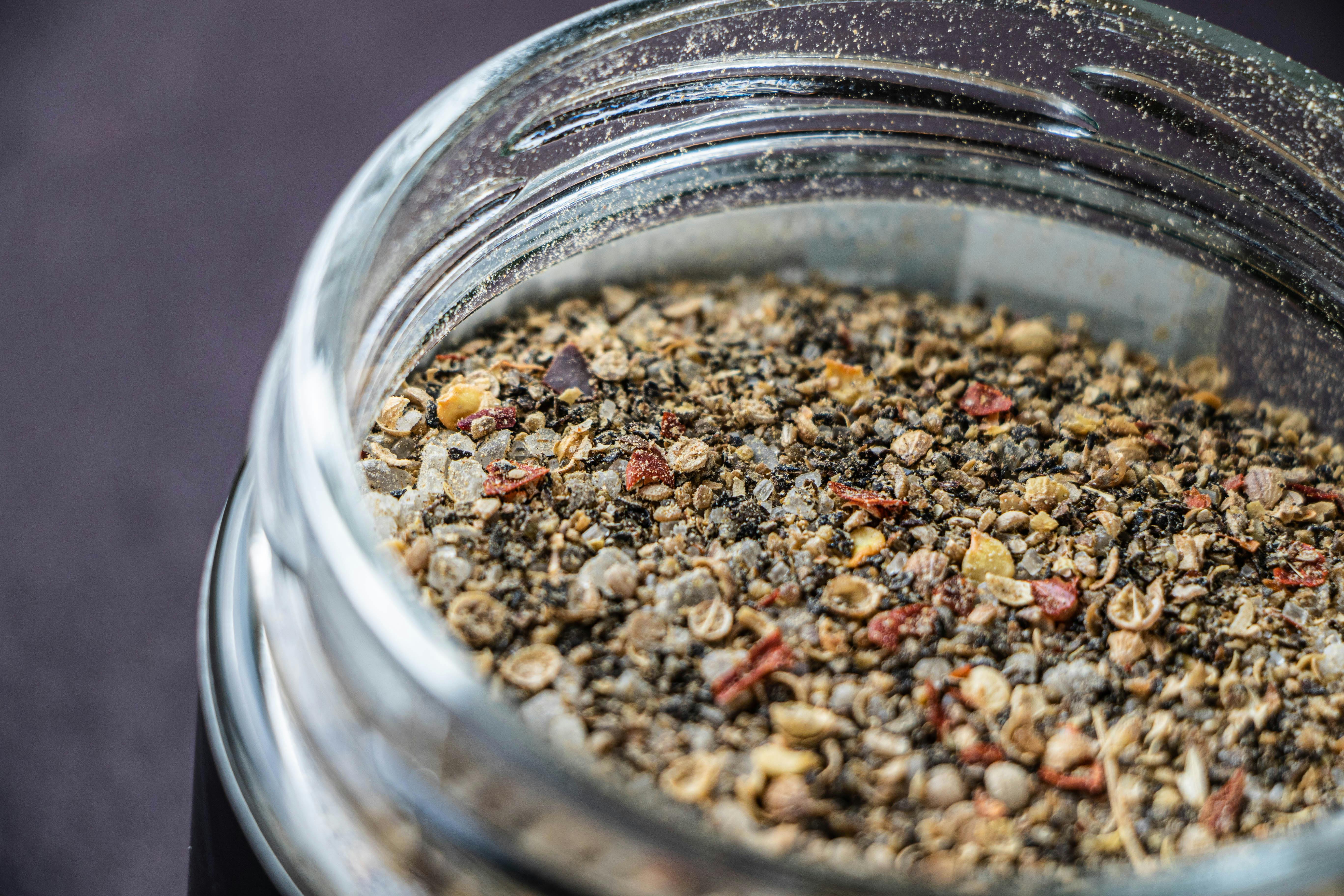
At one time, pickling spice represented a whole way of life. Canadian households that preserved cucumbers, beets, onions, and chow routinely kept blends of mustard seed, allspice, cloves, bay, and peppercorns on hand. The spice mix mattered because home preserving was not a hobby first. It was a practical way to carry local harvests through long winters.
As home canning declined, so did the need for a dedicated jar of pickling spice. Supermarket abundance and ready-made condiments reduced the appeal of preserving at home. The ingredient did not disappear entirely, but the culture that kept it central definitely thinned out.
Oleo margarine

Oleo margarine tells a very Canadian story because for years it was shaped by politics, dairy protection, and wartime economics as much as taste. Earlier generations used it as a cheaper butter substitute in baking and on the table, especially when budgets were tight. In some periods, regulations even affected how it could be sold or colored.
Its fall from prominence came in stages. Butter regained prestige, newer spreads entered the market, and public concern shifted toward trans fats and heavy processing. What was once a common compromise ingredient now feels tied to a specific era of thrift and regulation.
Citron

Citron was once a familiar sight in holiday baking, especially in fruitcakes, plum puddings, and mincemeat. The candied peel added chewy texture and a sharp, bright note that balanced richer dried fruits. In recipe boxes shaped by British and European traditions, citron was not exotic at all. It was simply part of the expected festive pantry.
It faded as fruitcake culture weakened and many families moved toward simpler holiday desserts. Grocery stores also gave less shelf space to specialized candied fruits outside peak season. Citron still appears in old recipes, but modern bakers often leave it out or replace it entirely.




Leave a Reply