
For many Canadians over 50, a trip to the grocery store once meant seeing the same dependable brands and pantry staples week after week. Over time, changing tastes, tighter food rules, new import patterns, and corporate mergers slowly pushed some of those items out of the mainstream. These are the foods and household grocery staples that quietly faded, even though plenty of shoppers still remember them vividly.
Blue Bonnet Margarine

For many families, Blue Bonnet was more than margarine. It was a fridge-door regular, remembered for its familiar packaging and its place at breakfast tables across Canada.
Its decline came gradually as consumer habits changed. Butter regained favor, trans fat concerns reshaped margarine formulas, and private-label spreads took over valuable shelf space. What was once a household staple became much harder to spot in Canadian stores, especially as brands narrowed their lineups to focus on faster-selling products.
Nabob Tea Bags

Coffee may be what many people associate with Nabob now, but older shoppers often remember when the brand's tea was a common pantry item too. It had the kind of dependable, everyday presence that made it easy to overlook until it was gone.
As supermarket tea sections filled with specialty blends, herbal varieties, and global labels, simpler legacy products lost ground. Corporate streamlining also played a role, with brands often trimming slower-moving items. Nabob tea quietly slipped from everyday visibility, even as the brand name remained familiar in other aisles.
Laura Secord Ice Cream Bricks

There was something distinctly old-school about an ice cream brick. Neat, rectangular, and easy to slice, Laura Secord's versions were once a dessert freezer staple in many Canadian homes.
Over the years, freezer cases changed along with eating habits. Round tubs, novelty bars, and premium pints became more profitable and easier to market. As national grocery chains optimized their frozen sections, traditional brick formats lost space, and one more familiar dessert item faded into memory for many shoppers.
Five Roses Porridge Oats

Before cereal aisles turned into walls of brightly branded boxes, porridge oats were a practical breakfast staple. Five Roses, known primarily for flour, also had a strong presence in the kind of basic pantry foods many Canadian families relied on.
As convenience became king, instant oatmeal packets and ready-to-eat cereals took over the morning routine. Brands focused on products with stronger margins and faster turnover, leaving old-fashioned oats with less identity of their own. The result was a slow retreat of once-familiar names from shelves, even when the category itself survived.
Lifesavers Holes

This snack had novelty on its side from the start. Lifesavers Holes turned the center of the classic candy into a separate treat, making it feel playful, portable, and perfectly suited to lunch bags and corner-store runs.
But novelty products often have a short retail life. Candy makers frequently test spin-offs, then pull them when sales flatten or shelf competition intensifies. In Canada, where retailers can be especially selective about lower-volume imports and line extensions, products like this tend to vanish quietly after a brief burst of popularity.
Fry-Cadbury Bar Six Packs

For plenty of Canadians, chocolate bars were not always a one-at-a-time checkout purchase. Multi-packs like Fry-Cadbury bar six packs were a practical cupboard item, bought to stretch treats across a week or share around the house.
As confectionery companies updated packaging and reworked their product lines, many of those formats disappeared. Singles, fun-size assortments, and seasonal bags fit modern merchandising better. Larger retailers also gave more space to products with broader North American distribution, leaving older package styles and regional habits behind.
Malkin's Best Pickles

Malkin's was once a familiar Western Canadian grocery name, especially for preserves, canned goods, and pickles. Its jars belonged to an era when regional brands had deep local loyalty and occupied steady shelf space in neighborhood stores.
That changed as national chains expanded and food manufacturing consolidated. Big labels could offer wider distribution, stronger advertising, and lower-cost volume deals. Regional pantry brands were often the first to lose out. For shoppers who grew up with Malkin's Best pickles in the fridge, their disappearance marked a broader shift in how Canadian grocery retail evolved.
Habitant Pea Soup in Tall Cans

Habitant pea soup has not disappeared entirely, but many older Canadians remember a version and package style that looked different from what is sold today. The tall can was a familiar sight, tied to a soup that felt deeply rooted in French Canadian food traditions.
Packaging updates, resizing, and shifting retail formats can make a long-running product feel as though it vanished, even when the brand survived in altered form. For shoppers attached to the older can, the loss was about more than design. It reflected how heritage foods are often modernized until they no longer look like the products people grew up with.
Aylmer Wax Beans

Not every missing grocery item was exciting, but that is exactly why people remember it. Aylmer wax beans were one of those plain, dependable canned vegetables that lived quietly in cupboards and appeared beside countless weeknight meals.
Their decline says a lot about how grocery stores changed. Shelf space now favors faster-selling items, broader mixed vegetables, and private-label basics with stronger margins. At the same time, some traditional canned vegetables simply lost demand as frozen and fresh options expanded. The result was the slow disappearance of a very ordinary product that once felt permanent.
Christie's Snaps Cookies
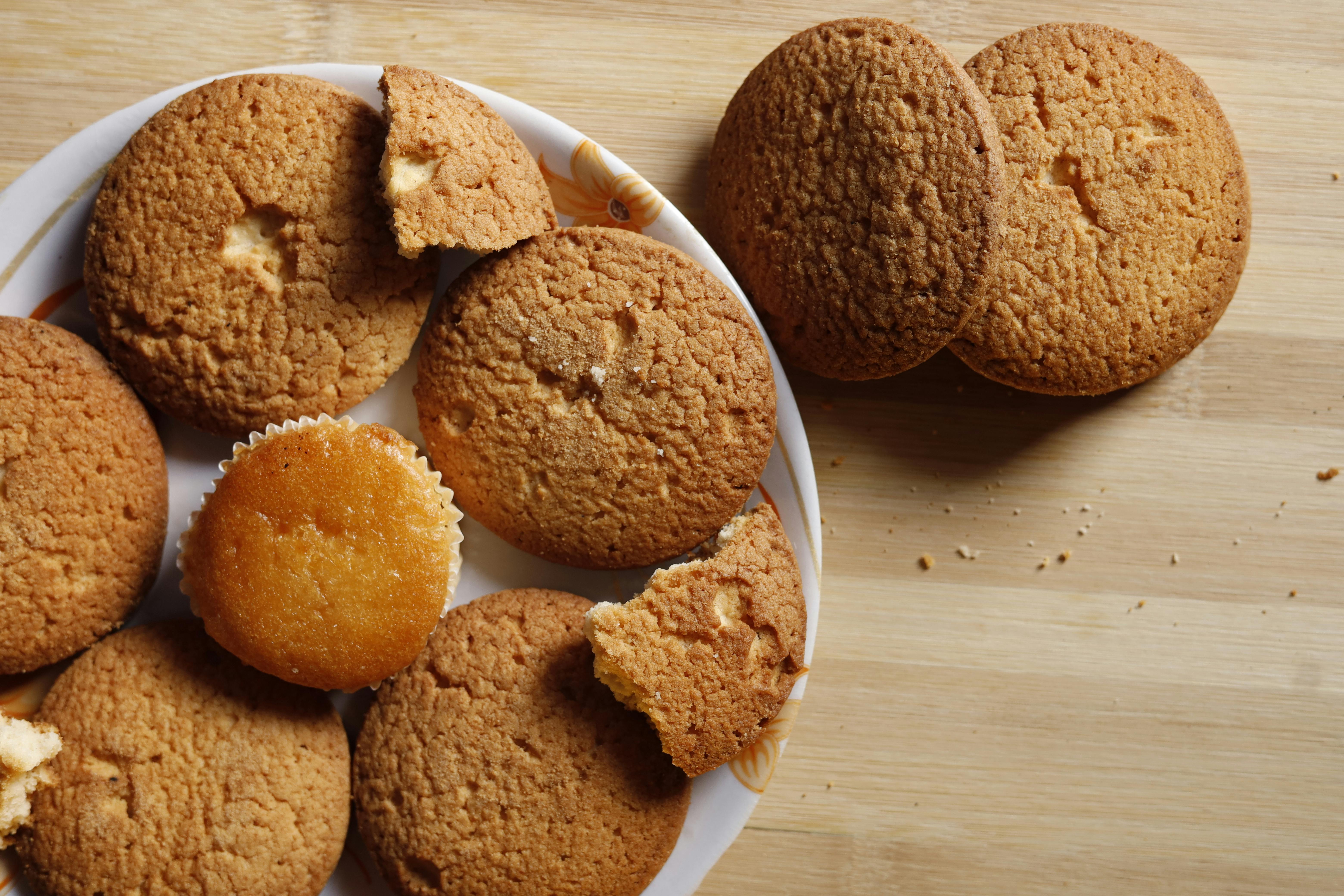
Christie's Snaps cookies had the kind of straightforward identity older snack lovers remember well. Crisp, lightly sweet, and familiar in the biscuit aisle, they belonged to a period when staple cookies did not need elaborate branding to earn a loyal following.
As cookie shelves became crowded with sandwich cookies, chewy formats, seasonal flavors, and imported brands, simpler products often lost momentum. Corporate portfolio changes only accelerated that trend. When companies refresh their lineups, dependable but less flashy items are often the easiest to cut, leaving longtime shoppers wondering when exactly they stopped appearing.
Bick's Relish in Glass Tumblers
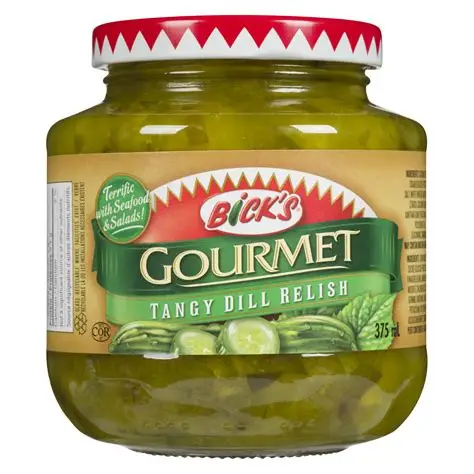
Older grocery items were sometimes memorable because they served a second purpose. Bick's relish sold in glass tumblers was one of those smart, thrifty products, with containers that could be washed and reused in the kitchen cupboard.
That style faded as packaging became more standardized and cost-conscious. Food companies moved toward containers that were cheaper to manufacture, lighter to transport, and easier to stack in large retail systems. In losing the tumbler, shoppers also lost a small piece of domestic practicality that once made everyday groceries feel more personal.


Leave a Reply