
Canada's food identity is built from many regions, many cultures, and a deep love of comfort on a plate. Some dishes are famous nationwide, while others feel like local secrets that still speak to a shared sense of home. This gallery looks at 11 foods that instantly bring Canadians back to family tables, neighborhood diners, road trips, and holiday gatherings.
Poutine

Few dishes say Canada as quickly as poutine. Born in Quebec in the 1950s, it turned three humble ingredients, fries, cheese curds, and hot gravy, into one of the country's most recognizable comfort foods.
What makes it feel like home is the contrast in every bite. The fries soften just enough, the gravy brings warmth, and the curds keep their signature squeak. Whether it comes from a roadside casse-croûte, a hockey arena, or a late-night diner, poutine carries the easy, familiar pleasure Canadians know by heart.
Butter Tarts

Butter tarts feel like a Canadian answer to old-fashioned baking at its best. Their roots go back to early settler kitchens in Ontario, where pantry basics became a dessert that was simple, rich, and deeply satisfying.
The charm is in the texture debate that never ends. Some Canadians want a runny filling, others prefer it firm, and raisins or pecans can spark a serious family argument. No matter the style, one bite brings back church suppers, holiday trays, and the smell of baking that made a house feel warm before anyone even sat down.
Tourtière
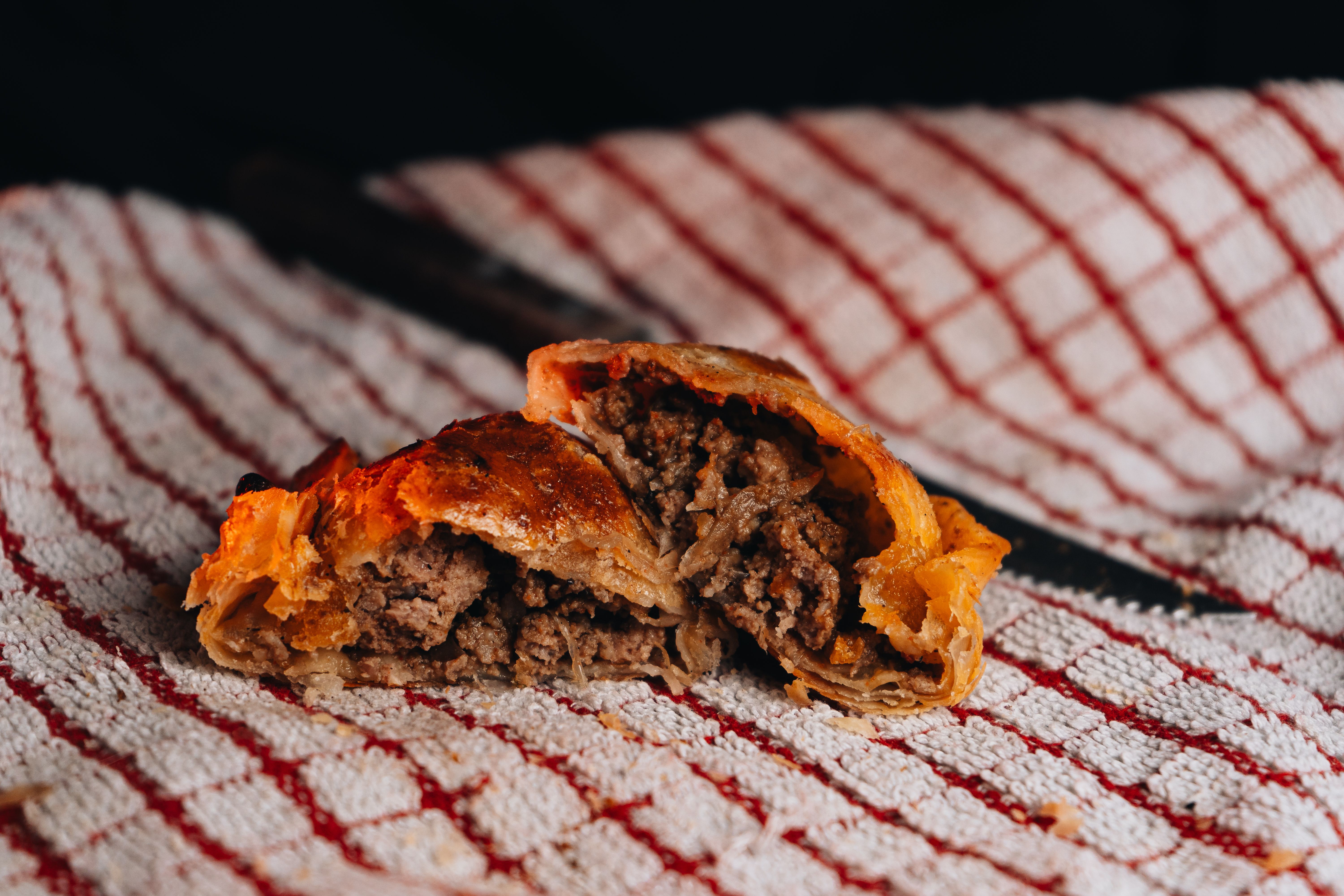
Tourtière brings the feeling of a Canadian winter kitchen into focus almost instantly. This savory meat pie is especially tied to Quebec, where it has long been part of Christmas and New Year celebrations, though versions appear across the country.
Its appeal goes beyond the flaky crust. The seasoned filling, often made with pork, beef, veal, or game, carries a gentle spice that feels festive without trying too hard. Served hot on a cold day, tourtière tastes like family tradition, passed-down recipes, and a table full of people staying a little longer.
Nanaimo Bars

Nanaimo bars are proof that a no-bake treat can still feel wonderfully special. Named after Nanaimo, British Columbia, these layered squares became a national favorite thanks to their striking mix of crumb base, custard filling, and glossy chocolate topping.
They stand out on any dessert tray, but their real power is nostalgic. Canadians know them from potlucks, school events, office parties, and holiday tins packed with homemade sweets. The bar is rich, sweet, and unmistakable, the kind of dessert that seems to appear whenever people gather and want something familiar.
Split Pea Soup
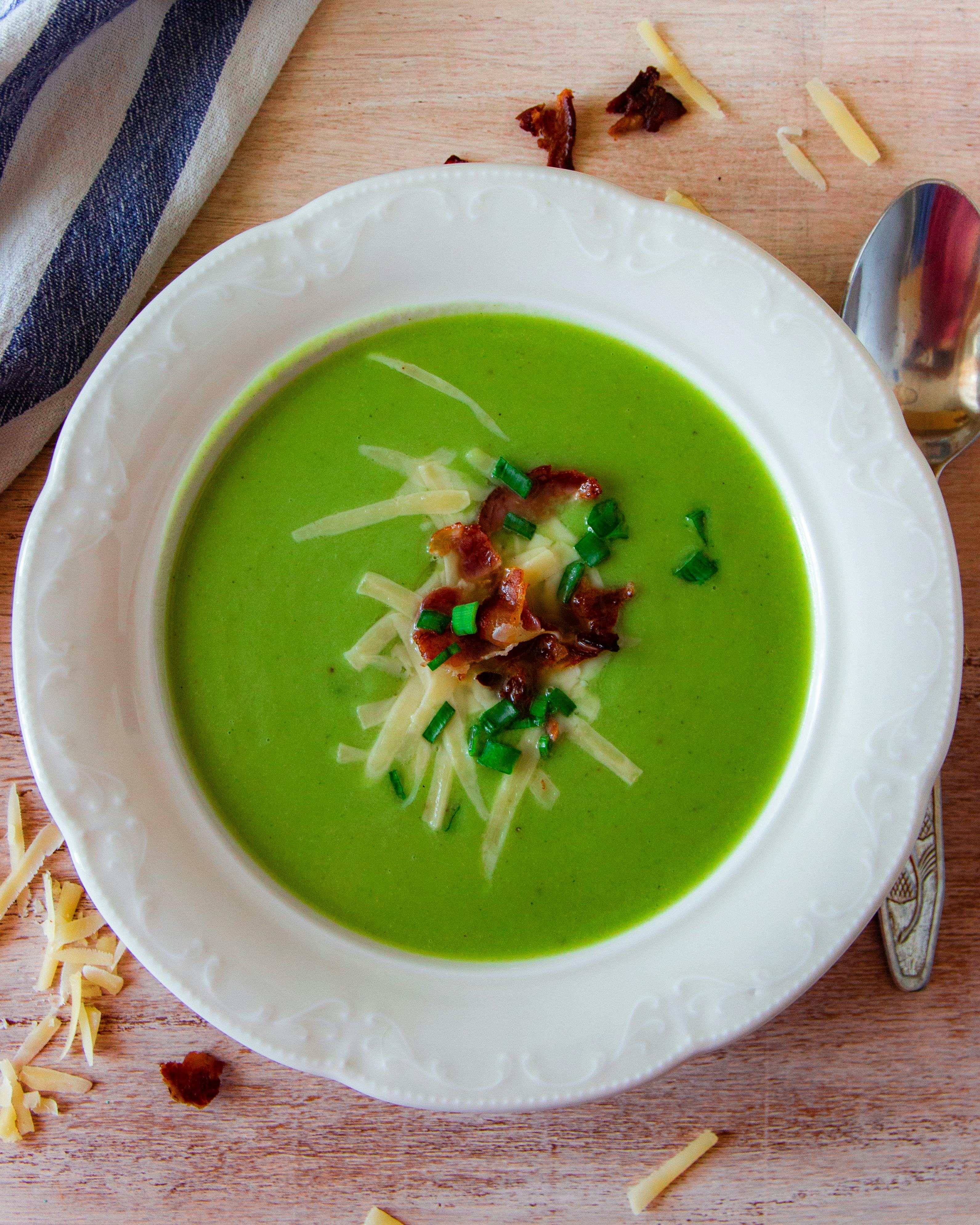
Split pea soup has a quiet, steady place in Canada's food story. In French Canadian cooking especially, it became a practical cold-weather staple, made from dried peas, stock, and often salt pork or ham for depth.
Its comfort comes from its simplicity. Thick, hearty, and deeply warming, it is the kind of soup that asks for a big spoon and a piece of bread on the side. For many Canadians, it brings back snowy afternoons, modest kitchens, and meals built on thrift, patience, and the certainty that something good was simmering on the stove.
Bannock

Bannock carries a sense of home that reaches far beyond trend or novelty. For many Indigenous communities across Canada, it has long been a familiar and adaptable food, prepared baked, fried, or cooked over an open fire depending on place and circumstance.
Its meaning is larger than the ingredient list. Bannock speaks to resilience, community, and shared meals that connect generations. Served with stew, jam, or eaten warm on its own, it is filling in the most honest way. For many Canadians, especially in the North and West, it represents gathering, memory, and respect for living food traditions.
Maple Syrup on Pancakes

Maple syrup is more than a topping in Canada. It is one of the country's strongest food symbols, tied to spring thaw, sugar shacks, and a harvesting tradition with deep Indigenous origins that later became central to life in eastern Canada.
Poured over pancakes, it creates one of the most familiar breakfasts in the country. The flavor is gentle but unmistakable, sweet with a woodsy depth that bottled imitations never match. For many Canadians, that first taste recalls weekend mornings, sticky plates, and the simple happiness of a meal that never needed reinventing.
Kraft Dinner

Kraft Dinner holds an unusual place in Canadian life because it is both ordinary and iconic. Canada has long been one of the world's most enthusiastic markets for boxed macaroni and cheese, and the brand became shorthand for fast, familiar comfort.
Its staying power is easy to understand. It is inexpensive, quick, and instantly recognizable from childhood. For students, busy parents, and anyone craving an easy bowl of nostalgia, Kraft Dinner feels dependable in a very Canadian way. It may not be fancy, but that is exactly why it still feels like home.
Saskatoon Berry Pie

Saskatoon berry pie tastes like the prairie landscape turned into dessert. Made from the small purple berries native to the Canadian Prairies and parts of the West, it has long been a seasonal favorite with roots in both Indigenous foodways and settler baking traditions.
The flavor lands somewhere between blueberry and almond, with a slightly earthy edge that makes it memorable. For many Canadians, especially in Saskatchewan and Alberta, the pie calls up summer picking, country fairs, and family kitchens turning local fruit into something lasting. It is regional, yes, but the feeling behind it is universal.
Ketchup Chips
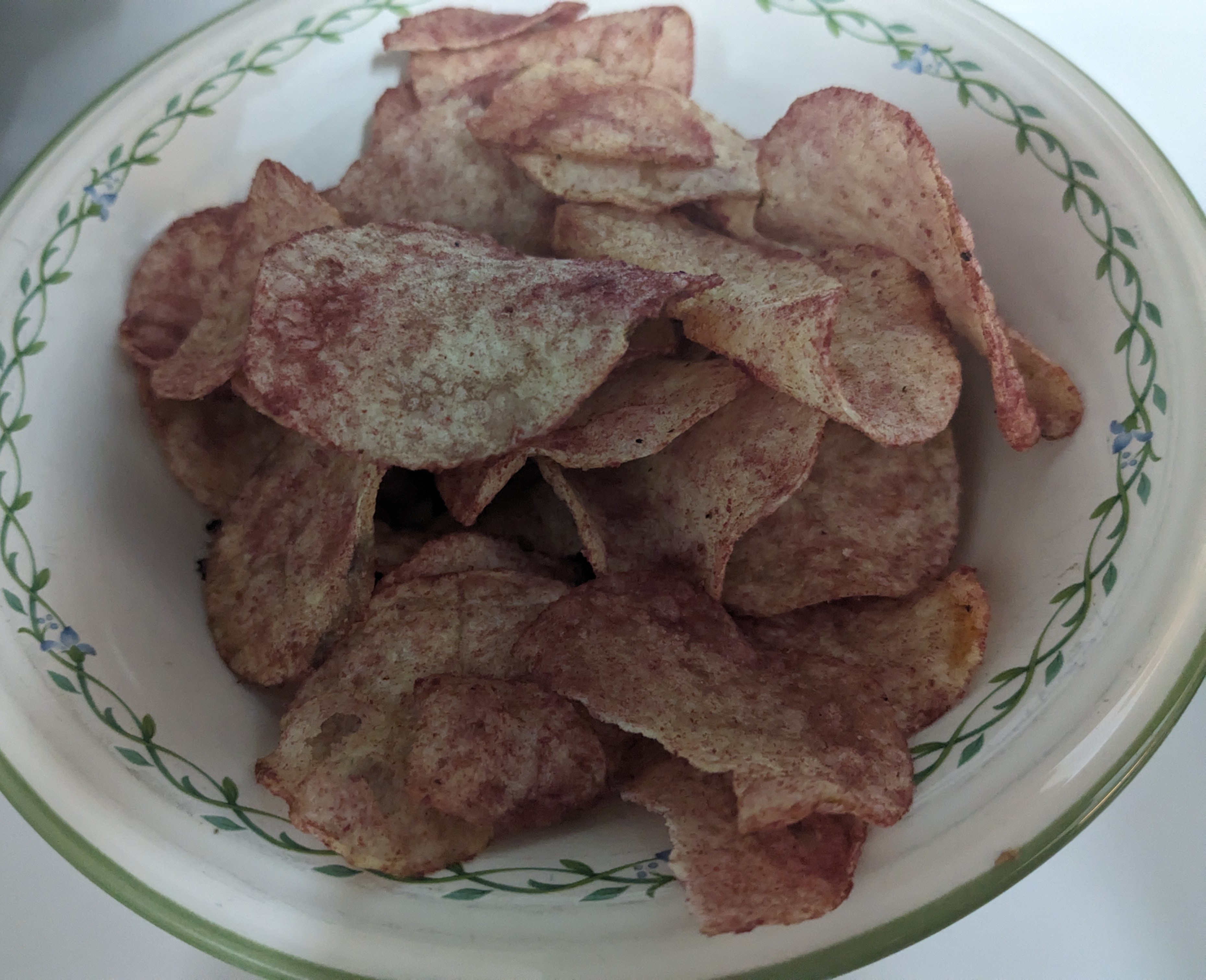
Ketchup chips are one of those snacks Canadians often assume everyone knows, until they travel. Their bright red seasoning and tangy-sweet flavor have made them a supermarket staple and a small but real badge of national food identity.
They feel at home because they are casual and specific at the same time. You find them in lunch bags, at cottage weekends, on road trips, and beside coolers at summer gatherings. They leave the usual telltale red dust on fingers, and that tiny mess is part of the charm. Some foods impress, but ketchup chips simply belong.
Caesar Cocktail

The Caesar is not just a drink in Canada. It is a ritual. Invented in Calgary in 1969, the cocktail blends vodka, clamato, hot sauce, and Worcestershire into a savory mix that became a brunch favorite across the country.
What makes it feel so Canadian is its social role. Caesars show up at patios, cottage docks, airport lounges, and celebratory brunches with friends. Garnishes can get elaborate, but the core taste remains instantly recognizable. For many Canadians, ordering one feels less like choosing a beverage and more like stepping into a familiar national habit.


Leave a Reply