
Some changes in grocery carts happen loudly. Others unfold aisle by aisle, season by season, until the old default is no longer the obvious choice.
Florida orange juice gave way to Canadian and global juice blends

Breakfast was once one of the strongest showcases for U.S. produce. Florida orange juice had a near-default status in many Canadian homes, but that dominance weakened as prices rose and disease pressure in Florida citrus groves squeezed supply.
Greening disease, hurricanes, and lower orange output made juice more expensive and less predictable. According to market reporting from Reuters and industry groups, Florida production has faced repeated setbacks, and Canadian shoppers felt that at the shelf.
What replaced it was not one simple product. Many households moved to blends packed in Canada using oranges from Brazil or Mexico, while others shifted to apple juice, ciders, and refrigerated fruit blends made by Canadian processors.
California lettuce lost ground to greenhouse greens from Canada

Leafy greens are one of the clearest examples of geography being rethought. For decades, iceberg, romaine, and spring mixes from California and Arizona filled Canadian produce departments, especially in winter.
Then food-safety scares and weather shocks changed the equation. Repeated E. coli concerns involving romaine, along with drought and transportation disruptions, pushed retailers to diversify where greens came from and how they arrived.
Canadian greenhouse lettuce became a serious replacement, not a novelty. Growers in Ontario and Quebec expanded hydroponic production, offering living lettuce, romaine hearts, and mixed greens that traveled fewer kilometres and often lasted longer in the fridge.
U.S. strawberries were replaced by Mexican and Canadian seasonal fruit
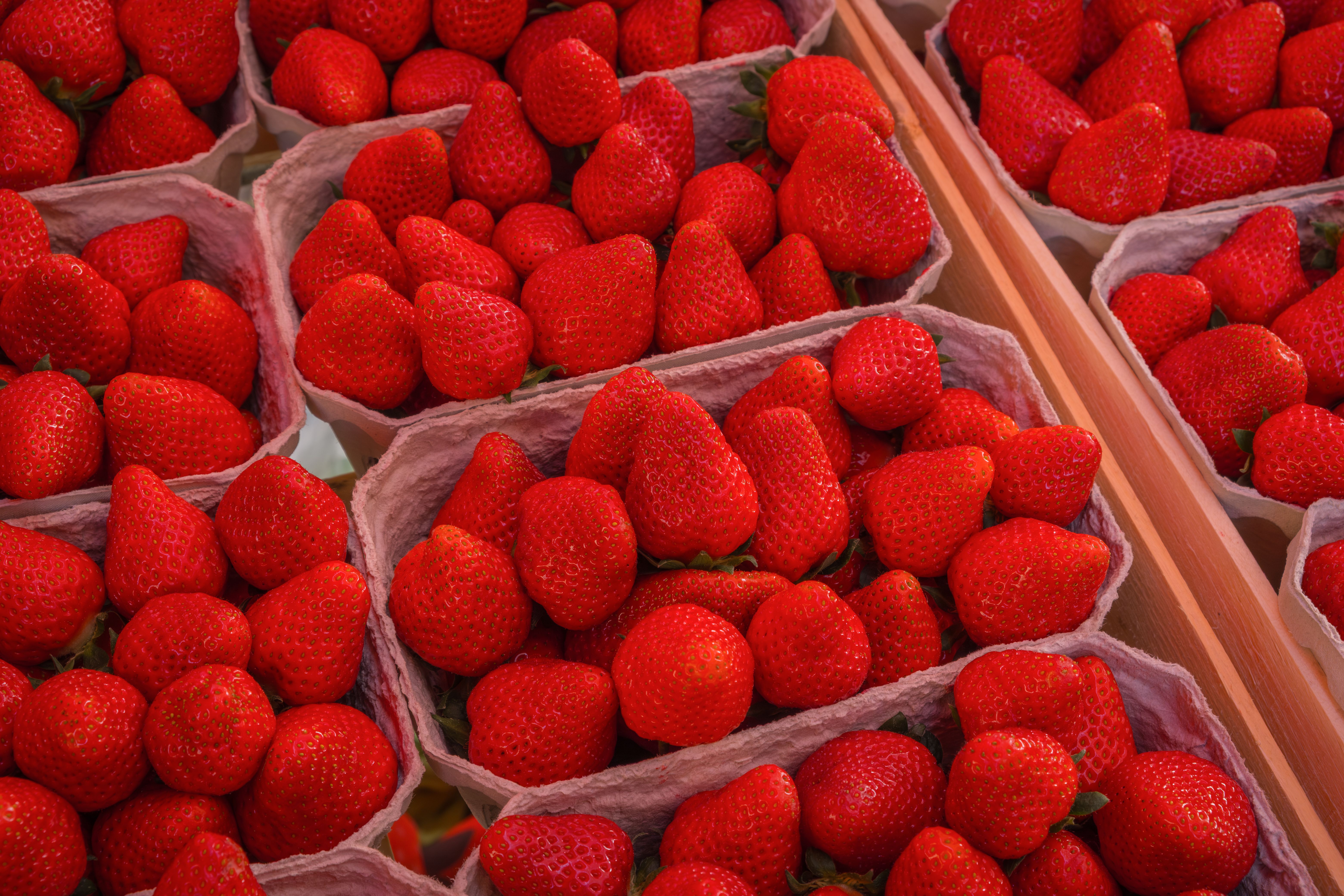
Few products reveal shopper flexibility like berries. U.S. strawberries from California once had prime shelf space, but consumers increasingly balked at paying premium prices for berries that could be expensive, fragile, and inconsistent in sweetness.
Mexico became a major substitute in many stores because it could supply fruit at scale and often at sharper prices. At the same time, Canadian shoppers leaned more heavily into seasonal local strawberries when Ontario and Quebec harvests arrived.
The deeper shift was behavioral. Rather than insisting on American strawberries year-round, many households started buying frozen berries, choosing Mexican supply in winter, and waiting for domestic berries when taste and value were at their best.
California wine ceded space to Canadian bottles and imports from elsewhere
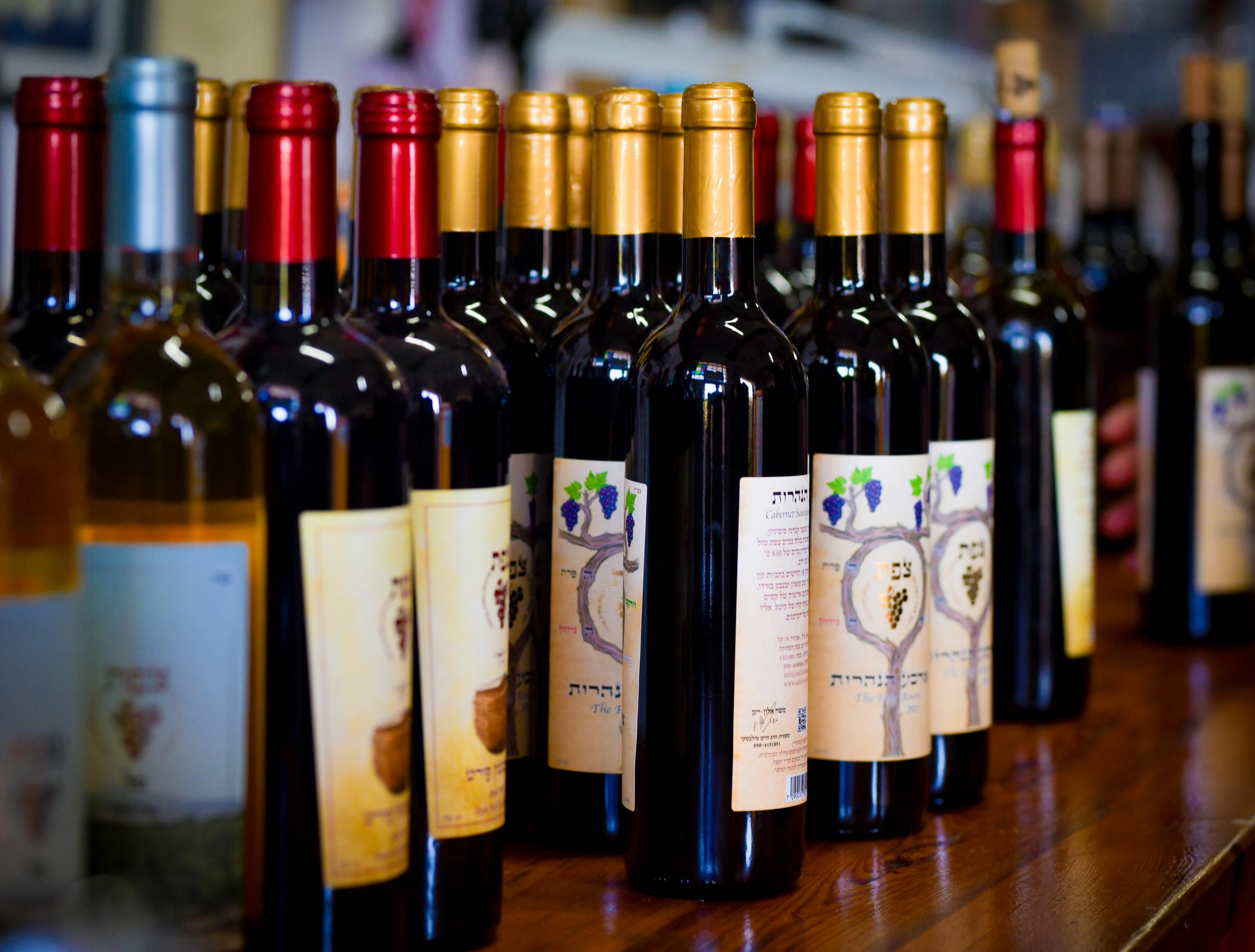
Wine shelves tell a story that goes beyond taste. Canadian buyers still purchase American wine, but several provinces have seen stronger enthusiasm for VQA wines from Ontario and British Columbia, plus imports from Europe, Australia, Chile, and Argentina.
Part of the change came from pricing and exchange rates. Another part came from maturation in the Canadian wine industry, where cool-climate chardonnay, riesling, pinot noir, and sparkling wines gained credibility with both critics and everyday drinkers.
There were also moments when provincial policy and trade tensions shaped sentiment. Even temporary moves affecting U.S. alcohol sales sharpened awareness that a satisfying replacement was already available on local shelves and restaurant lists.
American craft beer met competition from Canada's local brewing boom
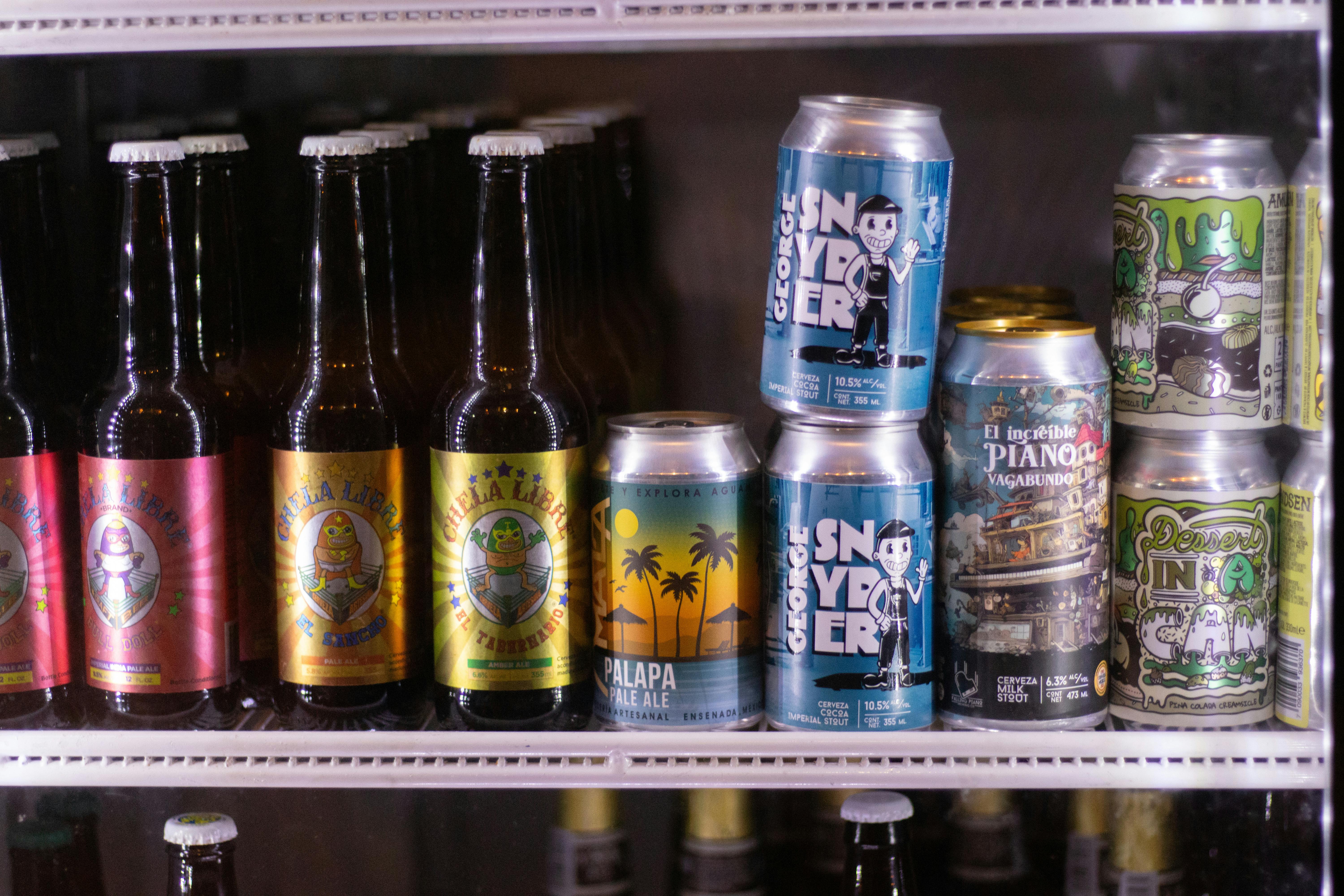
Beer loyalty used to travel easily across the border. U.S. craft labels once carried a certain novelty for Canadian drinkers, especially when the American craft boom was still ahead in scale and variety.
That gap narrowed. Canada's own brewing scene exploded, with small and mid-sized breweries producing hazy IPAs, pilsners, stouts, sours, and lagers that no longer felt like second choices to anything coming from Oregon, Colorado, or California.
Freshness mattered too. Beer is a category where shorter supply chains can improve quality, especially for hop-forward styles. Faced with high import costs and excellent local options, many Canadians simply redirected their spending to nearby breweries.
U.S. whiskey was swapped for Canadian whisky and other dark spirits

Spirits buying often reflects mood as much as price. American bourbon and Tennessee whiskey remain popular, but many Canadian consumers have become more intentional about choosing domestic rye-based whiskies or imported Scotch, Irish whiskey, and rum instead.
One reason is value. Canadian whisky brands often deliver competitive quality at friendlier prices, particularly when currency swings make U.S. bottles noticeably more expensive in provincial liquor stores and private retailers.
Another reason is identity. Canada has a long whisky tradition, and producers from Alberta, Ontario, and elsewhere have elevated premium offerings. For some buyers, replacing a Kentucky bottle with a Canadian one now feels like an upgrade, not a compromise.
U.S. ketchup lost symbolic ground to Canadian-made alternatives

Ketchup became a surprisingly emotional grocery item in Canada. When well-known U.S. brand production decisions shifted years ago, the reaction showed how quickly a pantry staple could become a symbol of local food loyalty.
Canadian-made ketchup brands benefited from that opening. French's, in particular, won attention by using Canadian tomatoes for products sold to Canadian shoppers, turning sourcing into a clear part of the pitch rather than a fine-print detail.
The broader lesson was bigger than one condiment. Once shoppers realize a familiar staple can be replaced without sacrificing taste, habit breaks fast. In ketchup, Canadian consumers proved they would reward local processing and transparent sourcing when given the chance.
U.S. yogurt and dairy snacks were edged out by Canadian processors

Dairy is a category where Canada already had structural reasons to buy domestically. Supply management, local processing capacity, and strong national brands meant U.S. yogurt and dairy snacks were never guaranteed an easy path.
Still, imported American products did attract interest, especially in specialty or trend-driven segments. That softened as Canadian companies improved Greek yogurt, skyr-style products, high-protein cups, and kid-focused dairy snacks at competitive prices.
Shoppers also paid more attention to labels. Buying Canadian dairy often aligned with supporting local farmers, and in a category with short shelf life, a product processed closer to home could feel fresher and more dependable than a cross-border equivalent.
U.S. apples were replaced by Canadian orchard fruit when available
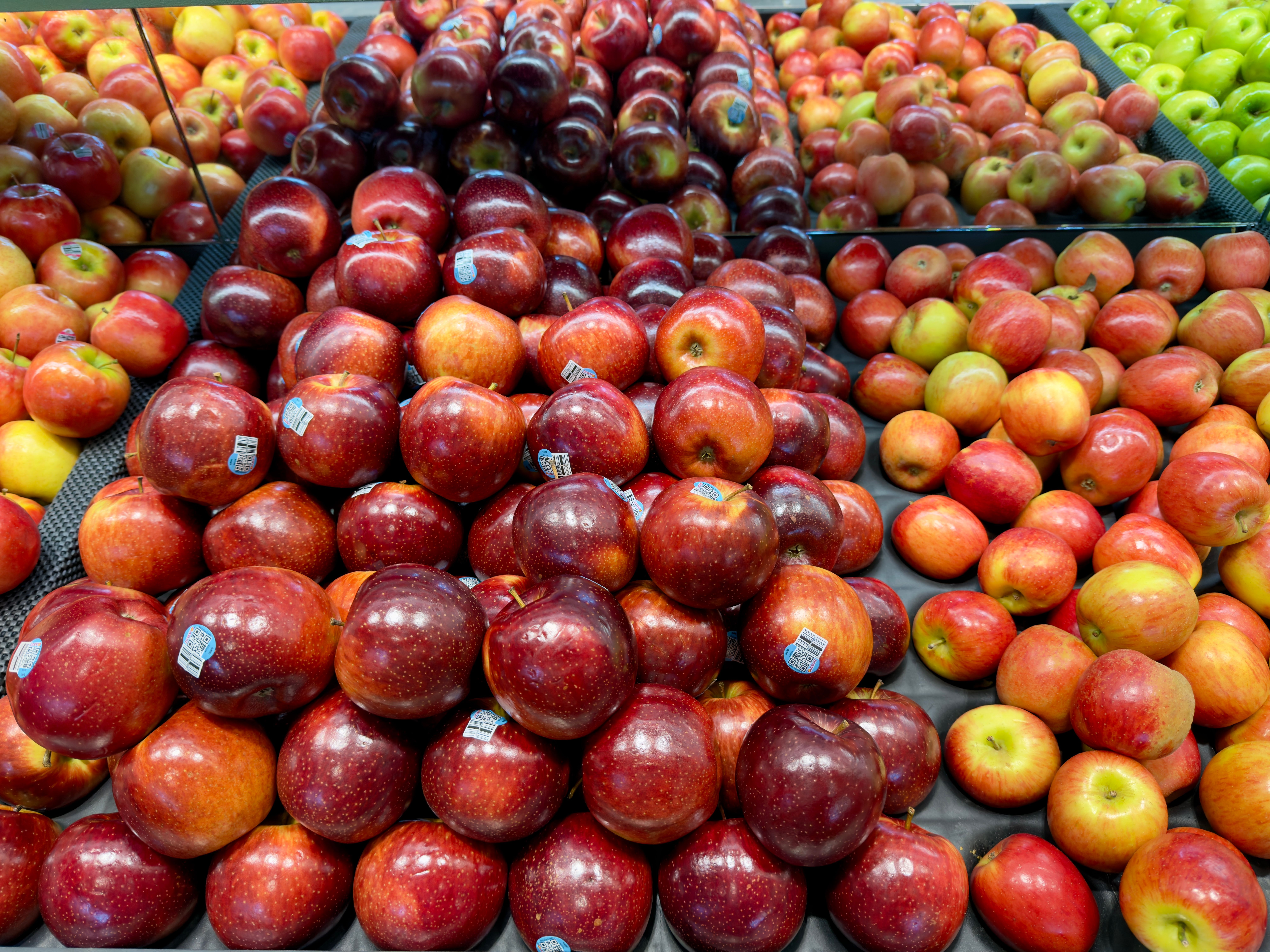
Apples seem permanent until consumers start reading produce stickers. Washington State apples long held a strong position in Canada, but domestic fruit from Ontario, British Columbia, Quebec, and Nova Scotia gained loyalty whenever harvest volumes were solid.
Part of the reason was quality. Freshly stored Canadian Honeycrisp, Ambrosia, McIntosh, Empire, and Spartan apples often arrived in stores with less travel time and a clearer local identity than imported U.S. fruit.
Seasonality also became more accepted. Canadians did not stop eating apples, but many became more deliberate about buying domestic during peak periods and turning to other fruits, applesauce, or frozen fruit when American options looked expensive or uninspiring.
U.S. tomatoes gave way to Canadian greenhouse supply
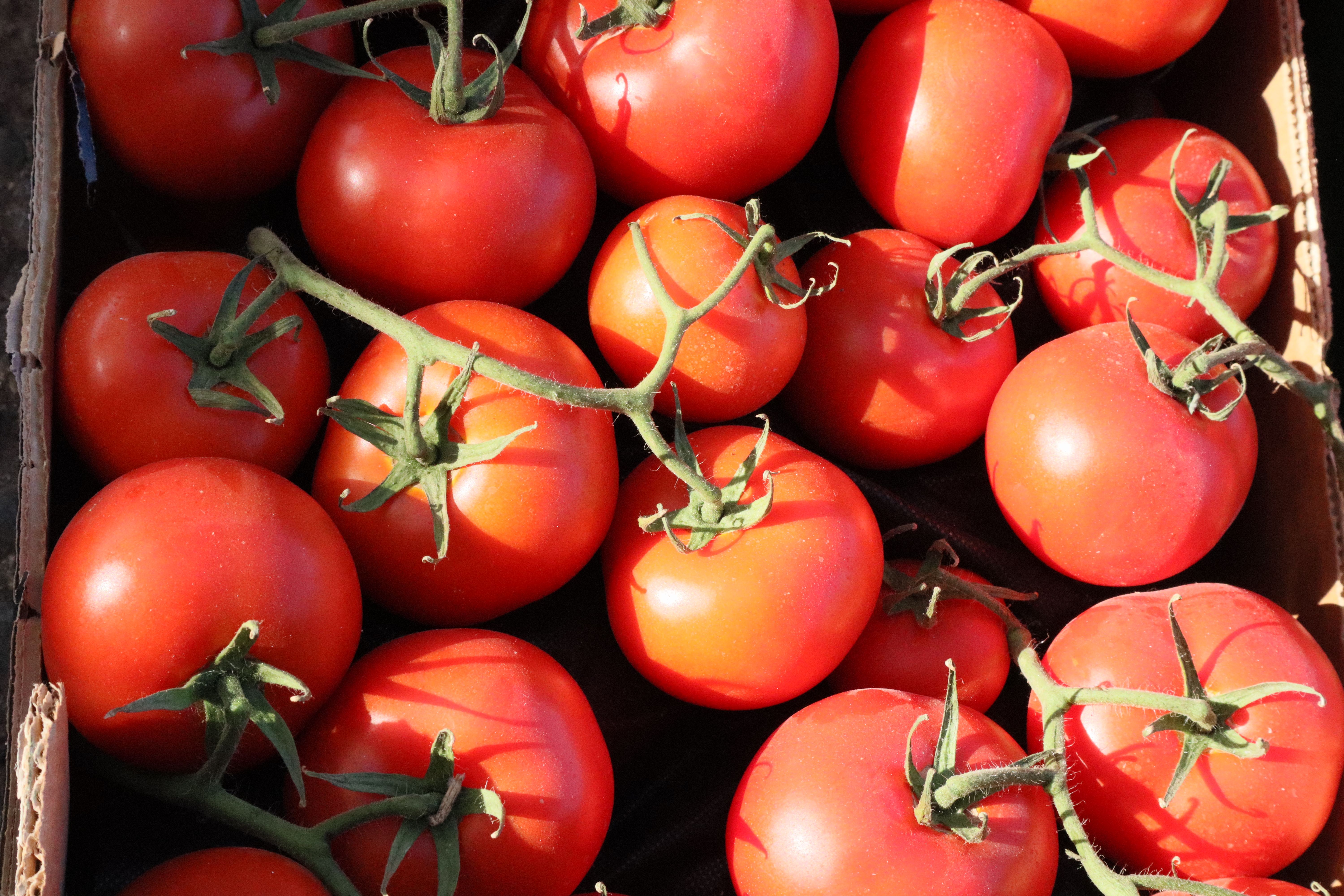
Tomatoes may be the strongest case of Canadian replacement at scale. Ontario in particular is a powerhouse in greenhouse production, supplying tomatoes on the vine, cocktail tomatoes, beefsteaks, and snacking varieties across much of the country.
That mattered as U.S. field-grown tomatoes faced periodic price swings, weather issues, and transport costs. Greenhouse production gave retailers a steadier year-round supply and consumers a product that looked fresher and often tasted more consistent.
The shift was helped by branding. Canadian greenhouse vegetables are not hidden commodities anymore. Many are sold with clear provincial identity, grower stories, and packaging that signals freshness, helping shoppers feel they are making a smart and practical switch.
U.S. processed snacks were replaced by private label and global imports
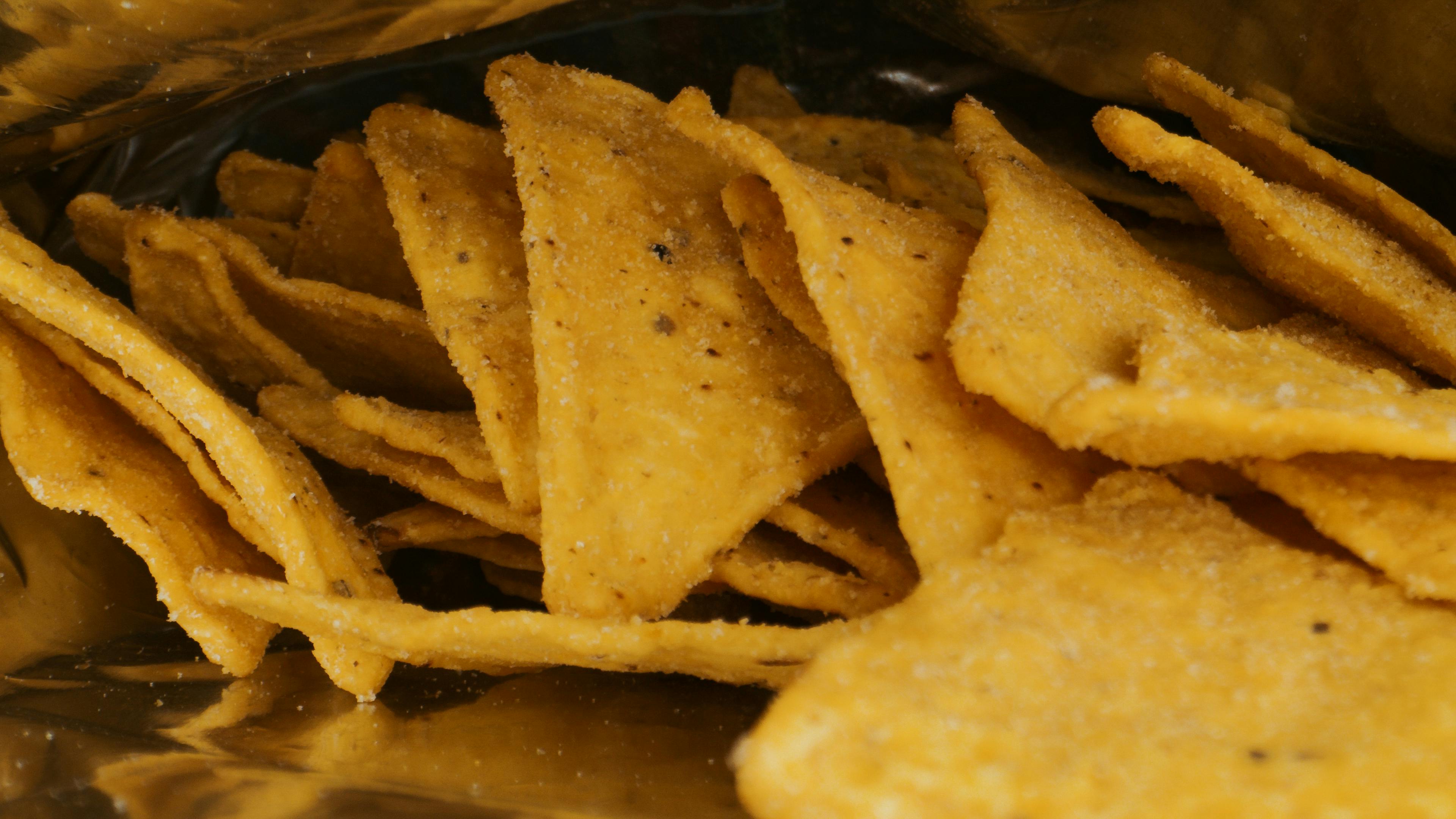
Not every switch happened in fresh food. Many Canadians also eased away from some American processed snacks, cereals, and packaged foods as inflation made brand loyalty harder to defend and store-brand quality improved sharply.
Private label products from major Canadian grocers stepped into that gap. Chips, crackers, cookies, frozen appetizers, and pantry staples increasingly came from house brands that promised similar taste for less money than imported U.S. names.
Global imports added another layer. European biscuits, Asian snack mixes, and Latin American pantry items gave shoppers more options, often at competitive prices. The result was not anti-American buying in a strict sense, but a broader willingness to replace habit with value.




Leave a Reply