
Rice is one of the most flexible foods in any kitchen, but that flexibility can also make it seem plain. A small add in, used at the right moment, can change the aroma, texture, and flavor of the whole pot without turning the meal into something complicated.
Butter
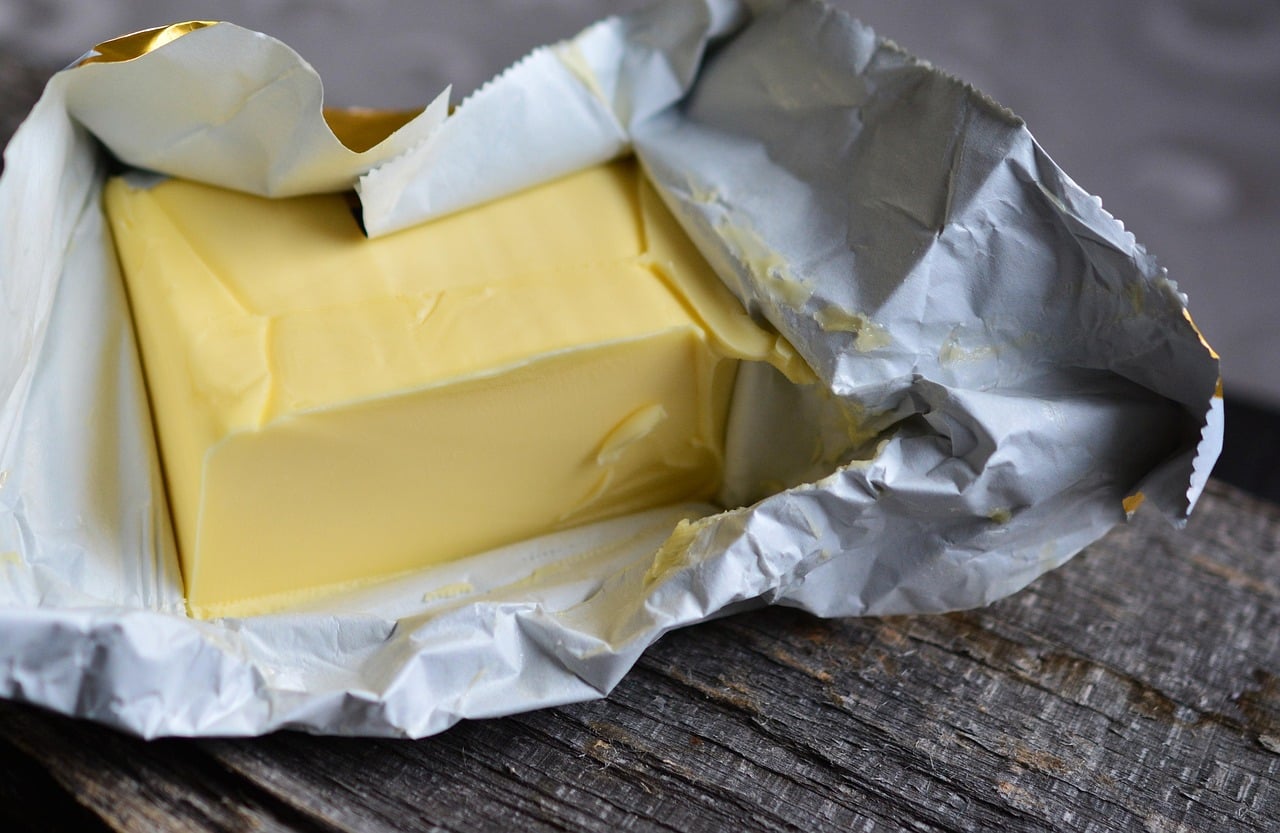
Butter is one of the fastest ways to make rice taste fuller and rounder. Stirring in a small pat while the rice is still hot coats the grains and adds richness without masking the rice itself. That matters with long grain white rice, jasmine, and basmati, where the aroma is part of the appeal.
The flavor payoff is not just fat. Butter carries milk solids, which bring a gentle savory note and a faint sweetness. In practical terms, that means even basic steamed rice can taste more finished, almost like a side dish instead of a blank base.
Salt matters here too. If the rice was cooked in plain water, a little butter plus a pinch of salt can do more than either ingredient alone. It is a classic combination because it improves both taste and mouthfeel in a way that feels familiar and balanced.
For a photo friendly version, show a bowl of hot white rice with a melting pat on top. It is simple, recognizable, and honest about what this add in does best.
Chicken broth
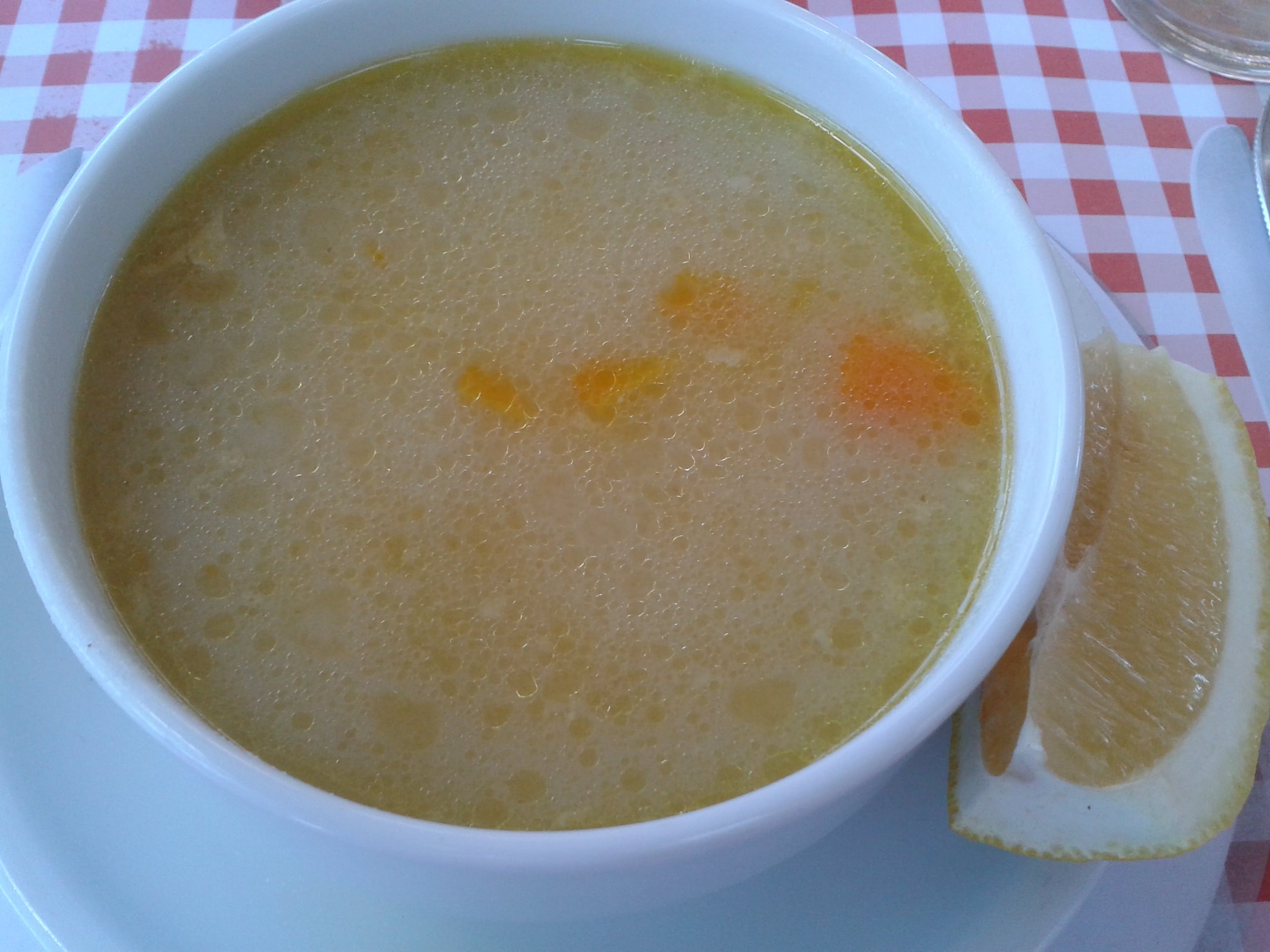
Cooking rice in chicken broth instead of water is one of the easiest upgrades because it builds flavor from the start. The grains absorb the liquid as they cook, so the taste reaches every bite rather than sitting on the surface. That makes the result deeper and more savory with almost no extra work.
Broth also adds a sense of completeness. Rice cooked this way can stand beside roasted vegetables, grilled chicken, or beans without seeming plain. In many home kitchens, this is the move that turns rice from background starch into a side dish people actually notice.
There is one practical detail to watch. Store bought broth can already be salted, so the pot may need less additional seasoning. Tasting near the end helps avoid a finished rice that reads salty rather than savory.
The image angle is easy: a saucepan of rice absorbing golden broth, or a spoon lifting fluffy grains with a warm beige color. It tells the whole story in one frame.
Garlic
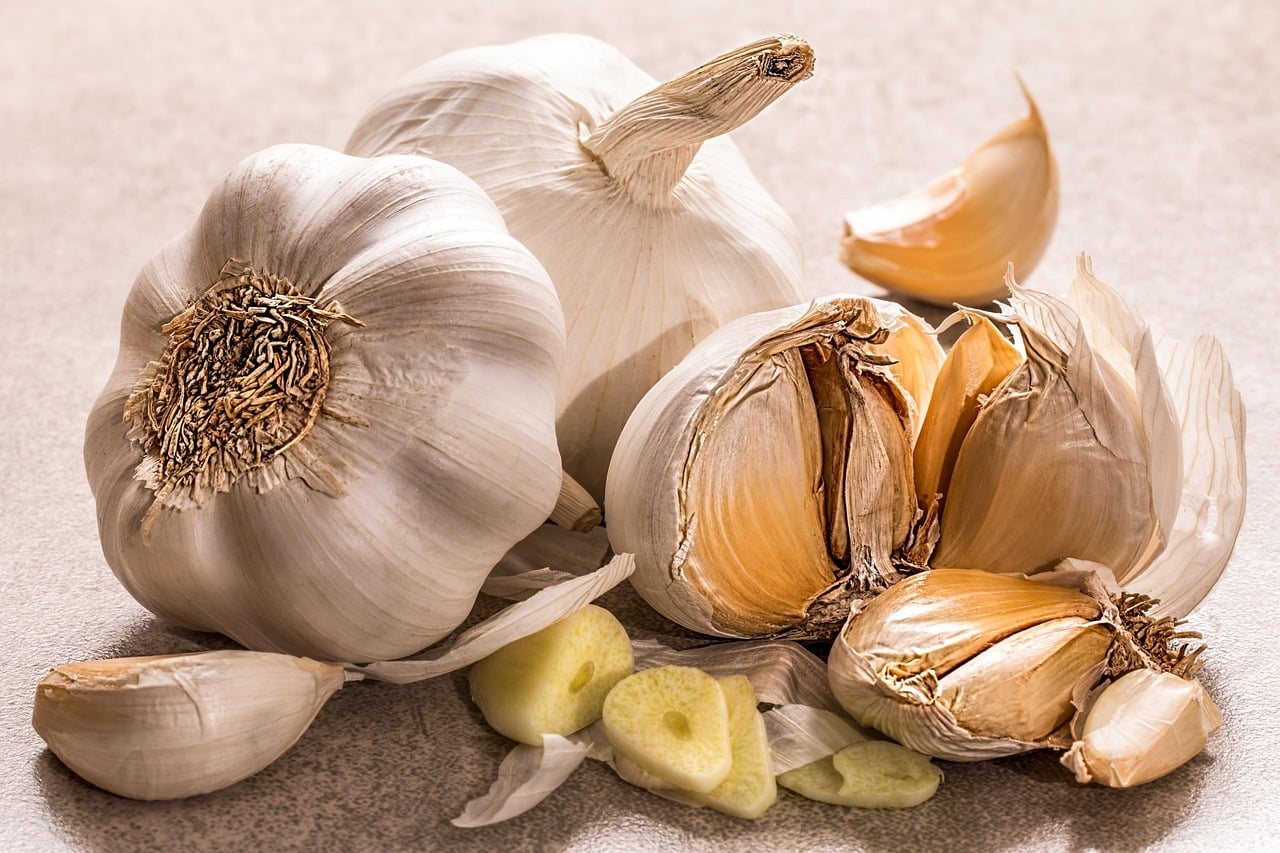
Garlic gives rice aroma as much as flavor, which is why it changes the experience before the first bite. A little minced garlic sautéed briefly in oil or butter before the rice and liquid go in can perfume the whole pot. The key is to soften it, not brown it too hard.
That short cooking step removes the raw sharpness and leaves a mellow savory note. It works especially well in simple dinner rice, rice for grain bowls, and rice served with roasted meats or vegetables. Garlic rice is popular across many cuisines for a reason: it tastes complex while staying approachable.
Timing matters. If garlic cooks too long over high heat, it can turn bitter and dominate the rice. If it is stirred in raw at the end, the flavor can feel harsh. Gentle cooking at the beginning gives the best balance.
A strong image would show chopped garlic in a skillet with butter or oil beside a bowl of finished rice. It connects the ingredient to the finished dish immediately.
Fresh herbs
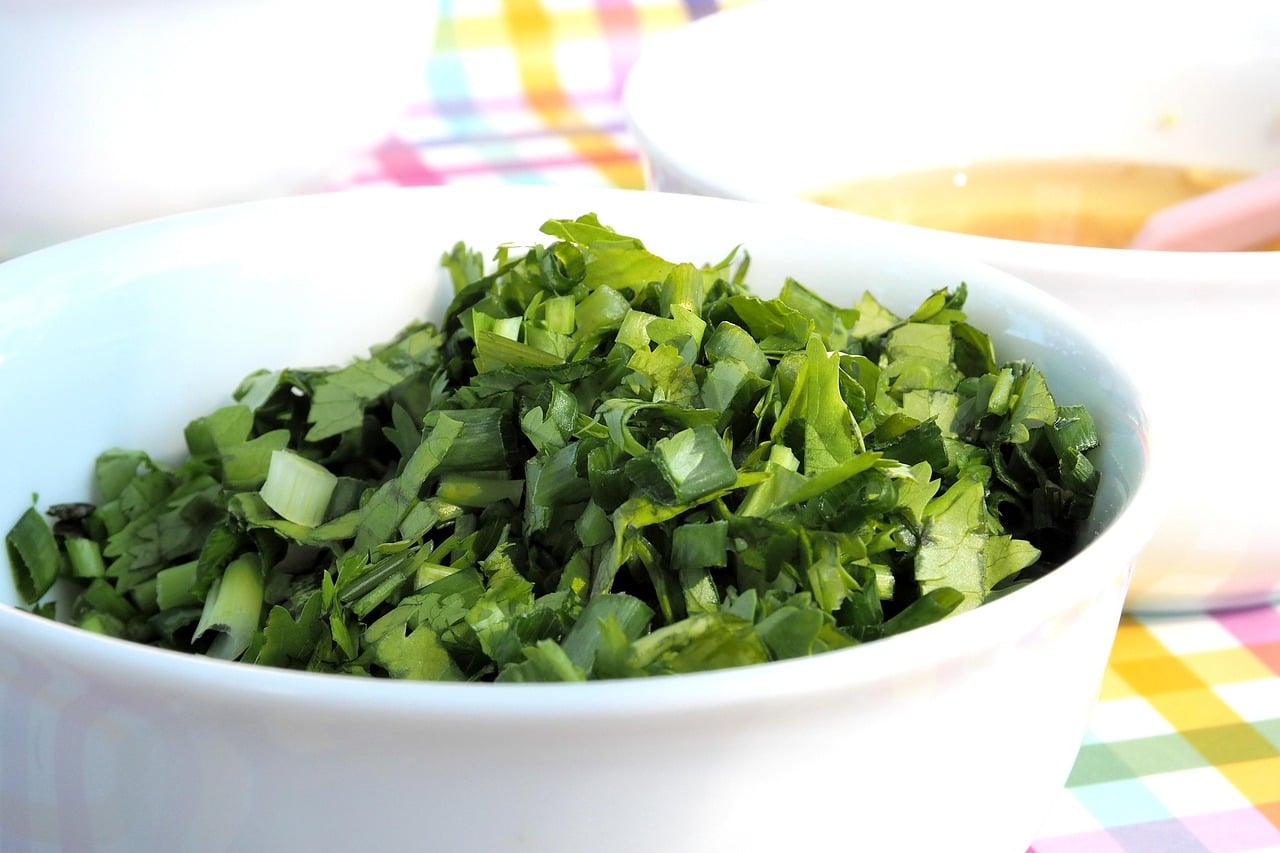
Fresh herbs brighten rice in a way rich ingredients cannot. Chopped cilantro, parsley, dill, or chives added after cooking bring color and a clean, fresh aroma that lifts the whole bowl. This is especially useful when the main meal is heavy or highly seasoned.
The effect depends on the herb. Cilantro can make rice feel lively and citrusy, parsley adds grassy freshness, dill brings a soft anise note, and chives contribute a mild onion flavor. Each one changes the mood of the dish without requiring a different cooking method.
Adding herbs at the end protects their freshness. Long cooking can dull both their color and their flavor, which defeats the point. Warm rice gently softens them just enough while keeping the taste clear.
For photos, herbs scattered over steaming rice create contrast and movement. The bowl looks fresher, but more important, it honestly reflects what the add in contributes.
Lemon zest and juice
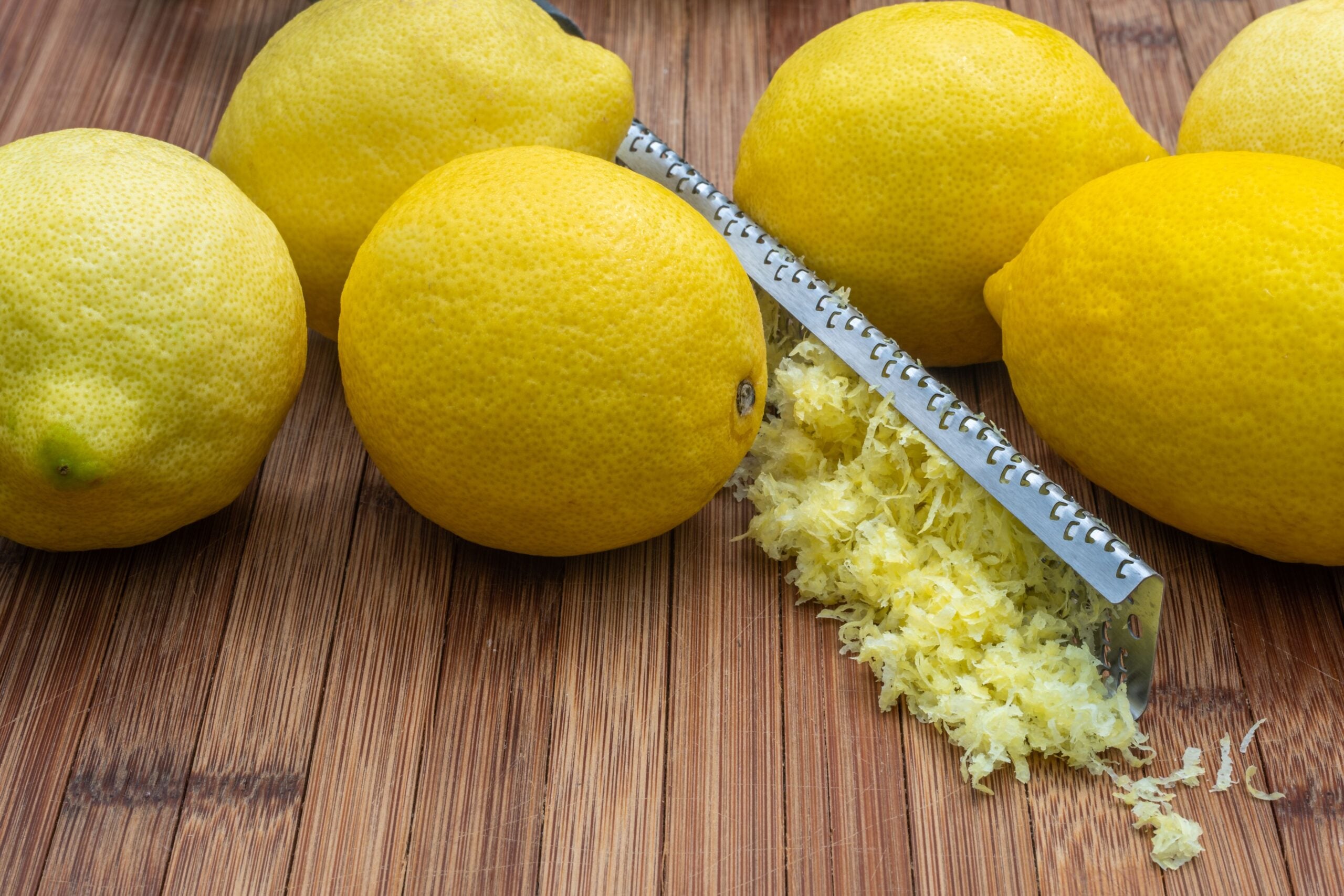
Lemon is a strong example of how acidity can wake up starch. Rice can taste flat when it only offers softness and warmth, but a little lemon zest and juice add brightness and a clean finish. The bowl suddenly tastes lighter, even when nothing else changes.
Zest and juice do different jobs. The zest brings concentrated citrus aroma from the peel, while the juice adds tartness. Using both gives a fuller lemon effect than either alone, and that balance works well with fish, chicken, beans, and many vegetable dishes.
It helps to add lemon after cooking rather than during a long simmer. Heat can soften the fresh edge that makes citrus useful in the first place. A final toss keeps the flavor sharp and clear.
A good image would show fluffy rice with visible flecks of zest and a lemon wedge nearby. It is bright, simple, and easy for readers to understand at a glance.
Soy sauce
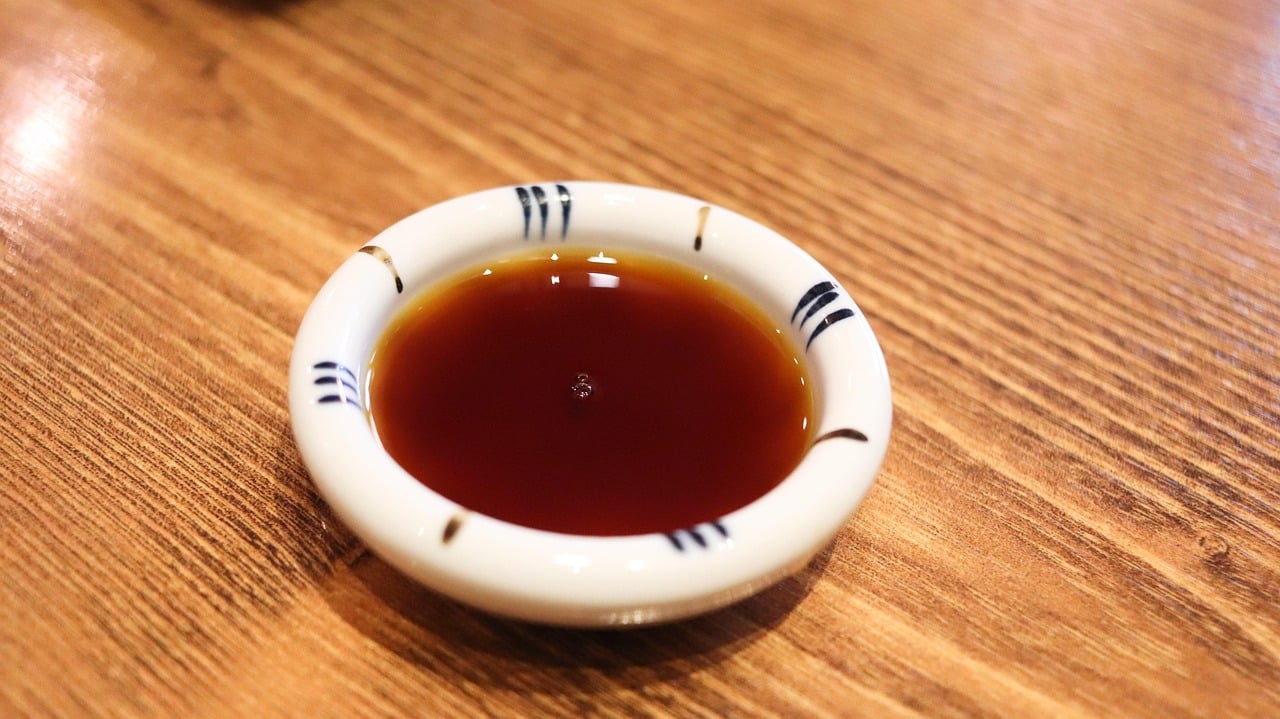
Soy sauce gives rice a quick savory boost with almost no prep. Because it brings salt, depth, and a touch of fermented complexity, even a small splash can make plain rice taste more layered. It is one of the simplest paths to an umami effect, the savory taste linked to foods like mushrooms, aged cheese, and broth.
This add in works best when used with restraint. Too much soy sauce can overwhelm the grain and darken the bowl more than some meals need. A light drizzle stirred through hot rice usually gives enough flavor while preserving texture and balance.
Soy sauce pairs naturally with scallions, sesame oil, eggs, and leftover vegetables, which makes it especially useful for quick lunches. It can also help revive day old rice that seems dry or dull.
The image opportunity is straightforward: a spoon or small pitcher drizzling soy sauce over a bowl of white rice, with the first streaks of color visible on the grains.
Toasted sesame oil
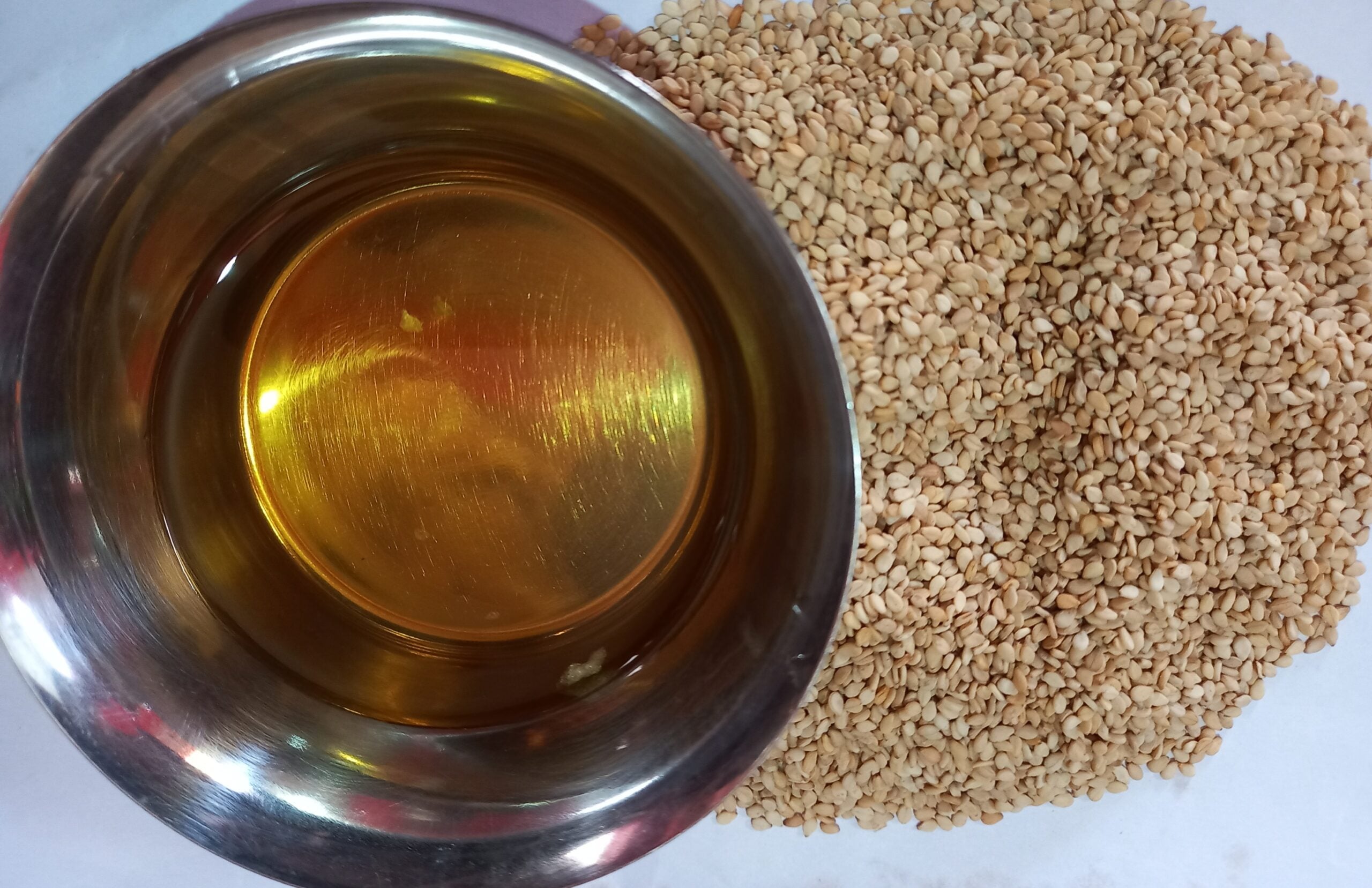
Toasted sesame oil is powerful, which is exactly why it belongs on this list. A few drops can make a whole bowl of rice smell nutty and warm. Unlike neutral oils, it is not there just for richness. It is there for fragrance.
Because the flavor is concentrated, this is a finishing ingredient rather than a cooking fat for most rice dishes. Stirring it in after the rice is cooked keeps the aroma vivid. It also lets you control the intensity more precisely, which matters because too much can taste heavy.
This add in is especially effective with soy sauce, scallions, or steamed vegetables. Together, they create a bowl that feels intentional without requiring a long ingredient list. That is part of the appeal: strong payoff from a tiny amount.
Photographically, sesame oil works well in a close up with glossy rice, sliced scallions, and a dark bottle nearby. The image suggests aroma even though the viewer cannot smell it.
Scallions
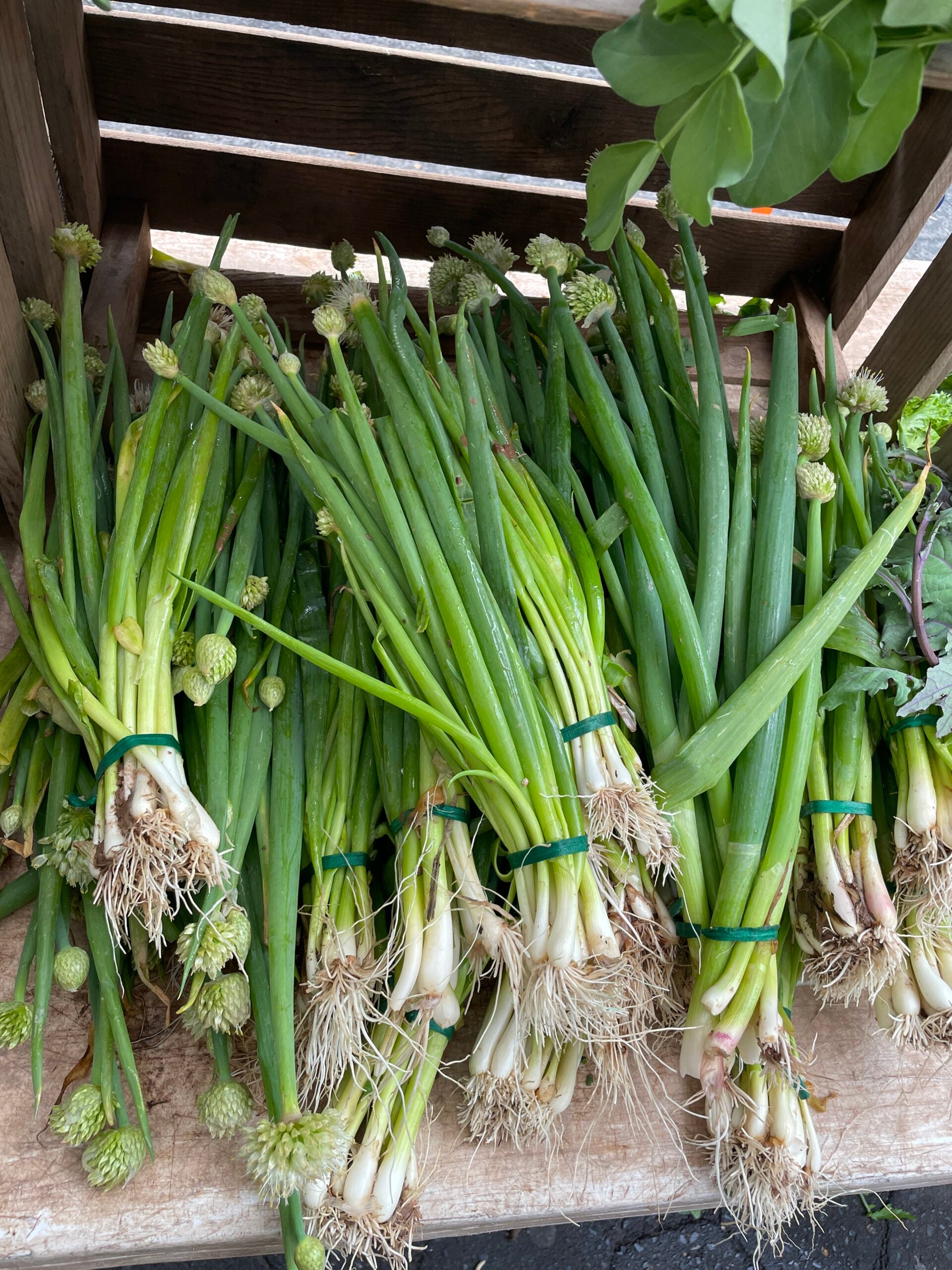
Scallions offer two useful qualities at once: mild onion flavor and crisp freshness. Sliced thin and scattered over hot rice, they soften just enough on contact while keeping some bite. That texture contrast can make a soft bowl of rice feel much more lively.
Their flavor is gentler than regular onion, so they are easy to use with many meals. The white and light green parts bring more onion character, while the dark green tops add freshness and color. Using both gives a fuller result.
Scallions also pair well with richer add ins. They can lighten buttered rice, sharpen soy sauce rice, or add freshness to bowls finished with sesame oil. In that sense, they are not only a flavor boost but also a balancing ingredient.
A strong image would focus on bright green slices falling over a mound of white rice. It is a small addition visually, which matches how little effort it takes.
Chili crisp
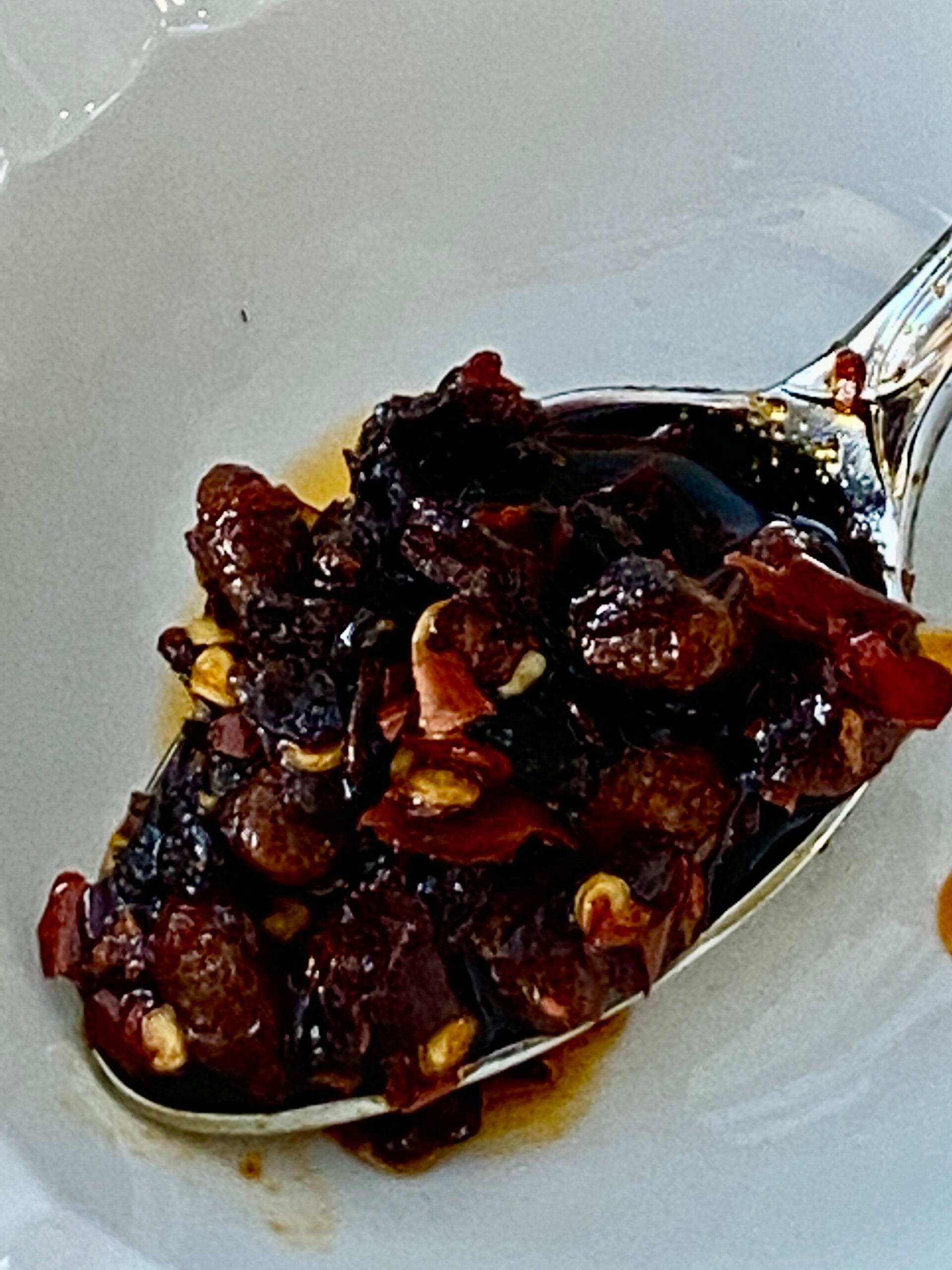
Chili crisp changes rice in two ways at once: heat and texture. Instead of only making the bowl spicy, it adds crunchy bits suspended in flavored oil, often from ingredients like fried chili, garlic, or onion. That means each spoonful can taste hotter, saltier, and more complex than plain rice ever does.
Its texture is part of the appeal. Rice is naturally soft, so a crunchy topping creates contrast that keeps the bowl from feeling one note. Even a modest spoonful can spread enough seasoned oil to coat the top layer and carry flavor further than expected.
Because chili crisp products vary a lot in heat and salt, a small amount is the safest starting point. It is easier to add more than to rescue a bowl that has become overly hot.
For images, chili crisp is highly visual: red oil, crisp bits, and white rice underneath. The contrast makes the flavor promise instantly clear.
Toasted nuts
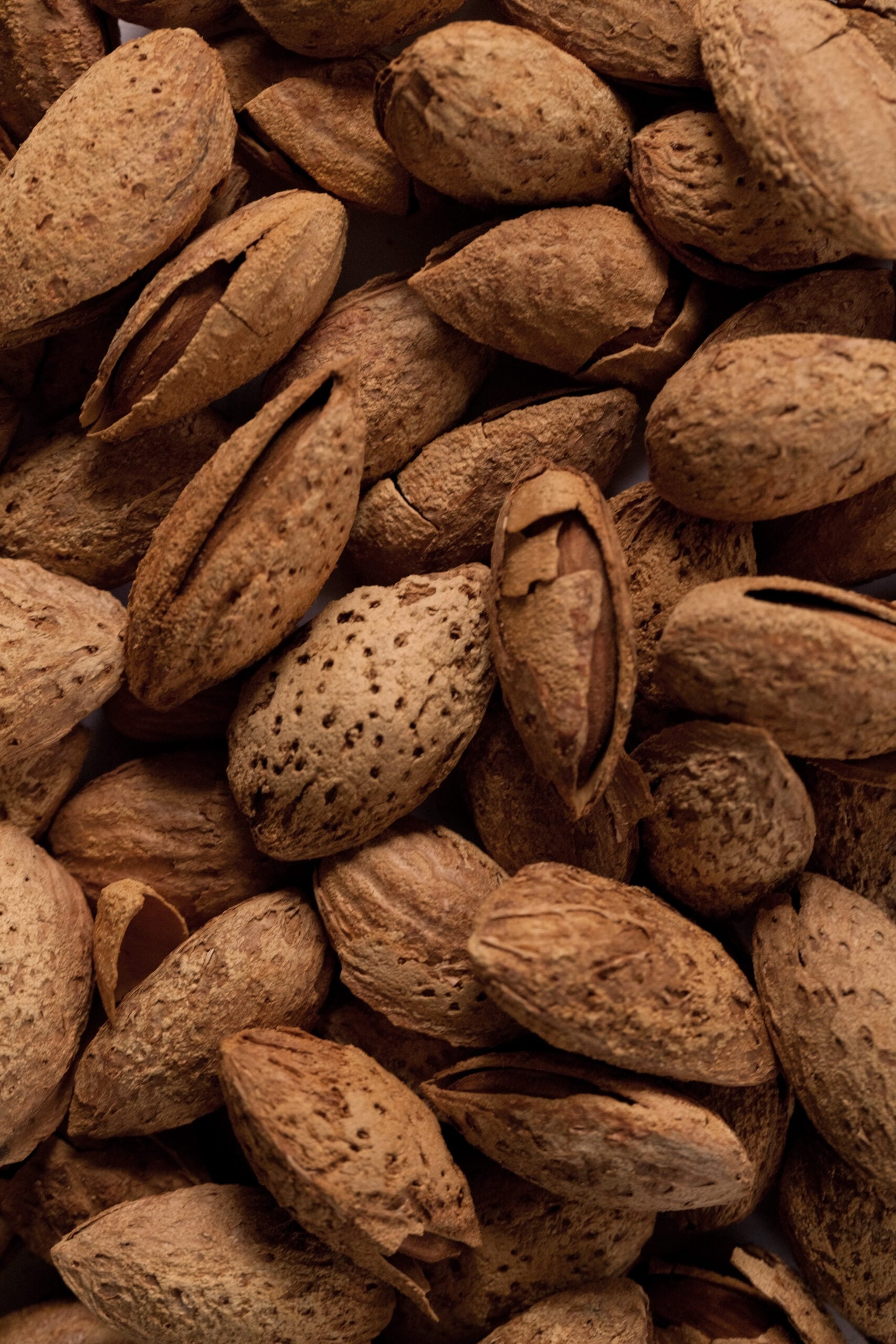
Toasted nuts give rice something it often lacks, crunch with a roasted flavor. Almonds, cashews, pistachios, or pine nuts can all work, depending on the dish. Their nutty taste adds depth, and their firmness creates a satisfying break from the softness of the grains.
Toasting matters because heat sharpens aroma and flavor. Raw nuts can taste flatter, while toasted nuts smell richer and more pronounced. Scattering them on top just before serving keeps them crisp, which is usually the main reason to add them.
This is an especially useful finishing touch for rice served with herbs, dried fruit, spiced meats, or roasted vegetables. The nuts help the bowl feel complete, almost like a composed pilaf, even if the base started as plain steamed rice.
A closing image of rice topped with chopped toasted almonds or pistachios feels like a fitting finish. It shows how a simple pantry ingredient can make the whole bowl seem more thought through.




Leave a Reply