
Meat is still a mainstay in many Canadian kitchens, but its price has pushed more shoppers to rethink where protein comes from. The result is a practical shift toward affordable, flexible foods that can anchor meals without making the grocery bill harder to manage.
Lentils are becoming the budget protein workhorse

Few foods match lentils for value, shelf life, and everyday usefulness. Dry lentils are inexpensive, cook faster than many other legumes, and bring a solid dose of protein plus fibre, iron, and folate. For households trying to cut back on beef or chicken, they offer a simple way to build hearty meals at a fraction of the cost.
Canadian shoppers are also responding to convenience. Canned lentils and ready-to-eat pouches make it easy to add protein to soups, grain bowls, curries, and pasta sauces without long prep times. Red lentils break down into thick, creamy textures, while green and brown lentils hold their shape for salads and stews.
Dietitians often point out that lentils do more than replace meat on paper. Their fibre helps with fullness, which matters when people are trying to stretch a meal and avoid extra snacking later. That makes lentils especially useful in family cooking, where low cost and staying power both matter.
There is also a Canadian angle to their rise. Lentils are widely grown on the Prairies, so buyers often see them as both economical and local. In a period when shoppers are paying more attention to price, pantry stability, and domestic food production, lentils check every box.
Chickpeas are winning because they fit almost any meal

Chickpeas have moved far beyond hummus. More Canadians are buying them because they are mild in flavour, easy to season, and adaptable across lunches, dinners, and snacks. That versatility is a major advantage when shoppers want one affordable ingredient that can serve several roles during the week.
A can of chickpeas can become a salad topper, roasted snack, sandwich filling, curry base, or pasta add-in. Mashed chickpeas mixed with yogurt or mayo, mustard, and herbs can stand in for pricier deli meat lunches. In soups and stews, they add body and protein without the cost of ground meat or cubed chicken.
Their appeal also ties into the broader rise of Mediterranean and plant-forward eating. Health experts have long linked pulses like chickpeas with heart health, better fibre intake, and steadier energy. For shoppers comparing protein sources, that nutrition profile makes chickpeas feel like a smart compromise rather than a sacrifice.
Retail trends reflect that shift. Canned beans remain one of the most budget-friendly grocery staples, and chickpeas are among the easiest to use straight from the pantry. When people are tired of expensive meat but still want reliable meal structure, chickpeas are often the first legume they reach for.
Eggs remain one of the most efficient protein buys in the store
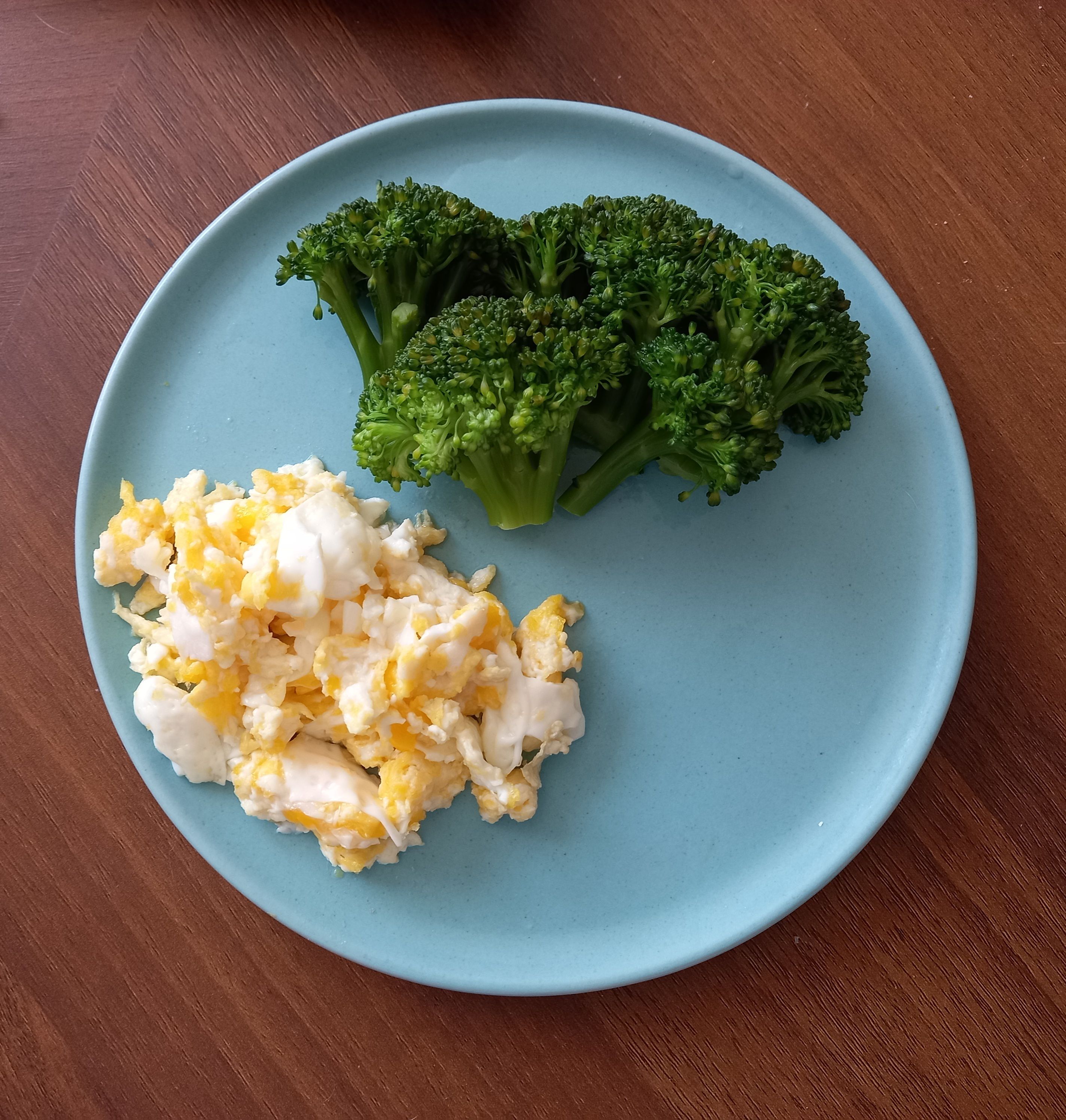
Even with periodic price increases, eggs are still one of the most cost-effective animal proteins available to Canadian households. They require almost no prep, work at any time of day, and can turn inexpensive ingredients like toast, rice, potatoes, or vegetables into a complete meal.
That flexibility matters more when grocery budgets are tight. A dozen eggs can become omelets, frittatas, egg salad, shakshuka, fried rice, breakfast sandwiches, or hard-boiled grab-and-go snacks. Instead of centring meals around meat, many households are using eggs as the main protein a few times each week.
Nutrition is part of the story too. Eggs provide high-quality protein along with nutrients such as choline, vitamin B12, and selenium. For children, older adults, and busy workers who need simple, filling food, eggs offer a rare mix of convenience, digestibility, and affordability.
They also help reduce food waste. Leftover vegetables, cheese, cooked grains, and herbs can all be folded into egg-based meals with little effort. That makes eggs especially attractive during periods of inflation, when shoppers are not just looking for cheaper protein but also for ingredients that help every dollar go further.
Greek yogurt is replacing meat in snacks and light meals

Greek yogurt has become much more than a breakfast item. Canadians are buying it more often because it offers concentrated protein, a creamy texture, and enough versatility to work in both sweet and savoury meals. For people trying to eat less meat without feeling hungry, that combination is powerful.
Compared with regular yogurt, Greek yogurt typically contains more protein per serving, which gives it stronger staying power. It works as a base for fruit and nuts, but also as a substitute for sour cream, a spread for wraps, or a high-protein ingredient in dips and dressings. That gives it broader meal value than many dairy products.
Its rise also reflects changing eating habits. More people want protein between meals, not just at dinner. A bowl of Greek yogurt with seeds, oats, or berries can be cheaper than packaged protein snacks and more satisfying than many low-protein convenience foods.
There is also a cooking advantage. Greek yogurt can help bulk up sauces, marinades, and baked dishes while adding richness without relying on meat for flavour or texture. In practical terms, it helps households build balanced meals around staples they already have, which is exactly what budget-conscious shoppers are aiming for.
Cottage cheese is making a quiet but strong comeback
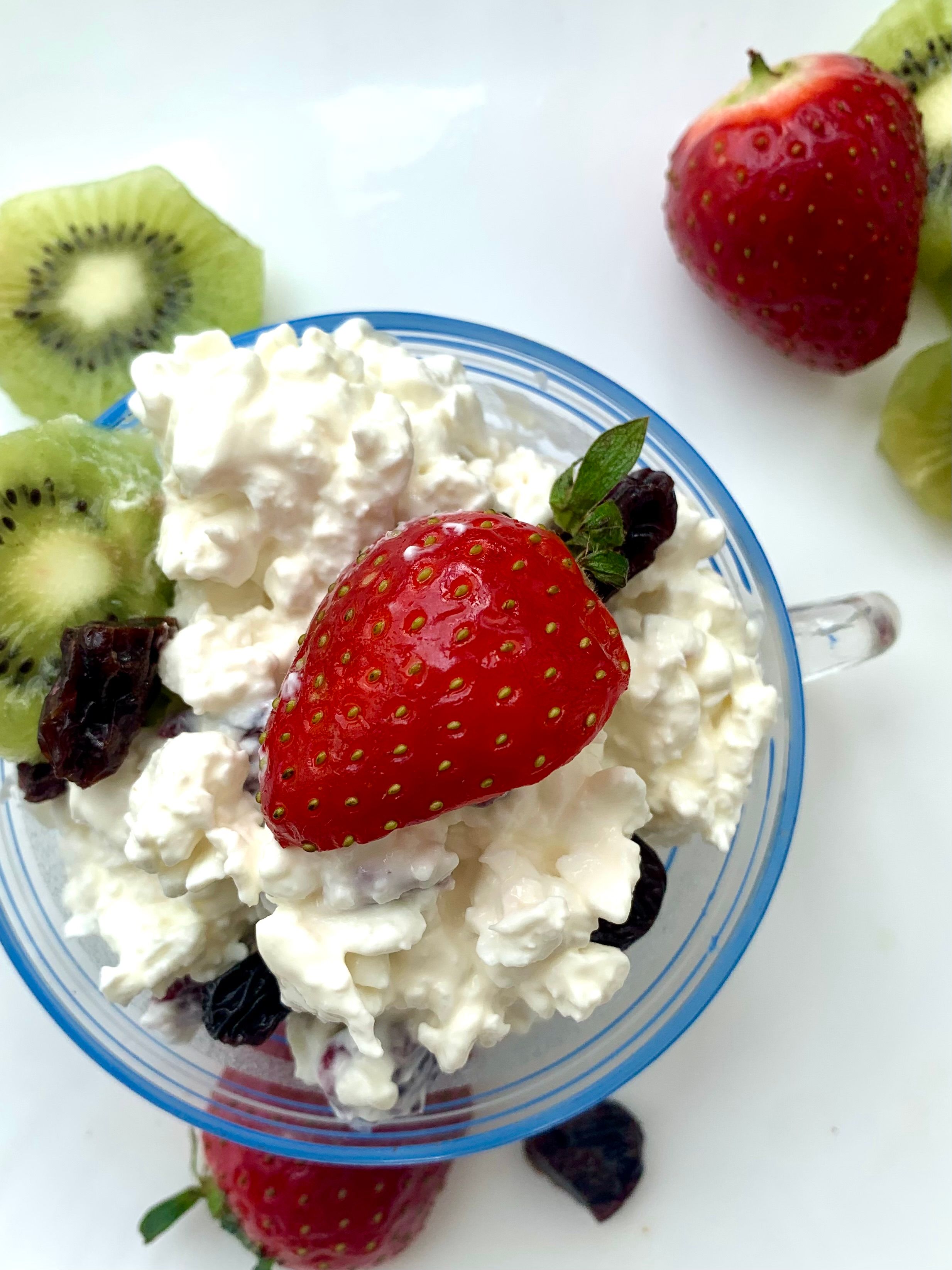
Cottage cheese is one of the clearest examples of an old staple finding new relevance. Long known as an inexpensive protein source, it is being rediscovered by younger shoppers who want affordable nutrition without heavy processing or premium pricing. Social media has helped, but the real driver is value.
It delivers a strong amount of protein for the price and works in more ways than many people remember. Cottage cheese can be eaten with fruit, blended into smoothies, spread on toast, mixed into scrambled eggs, or used in pasta dishes and casseroles. Its mild flavour makes it easy to adapt.
Another reason for renewed interest is satiety. High-protein dairy foods tend to keep people full longer than many refined snack options, and cottage cheese often costs less per serving than deli meats or single-serve protein products. That matters for students, seniors, and families trying to manage rising grocery bills.
It also fits the larger shift toward simple ingredient lists and practical nutrition. Shoppers looking for protein do not always want meat alternatives that feel highly engineered or expensive. Cottage cheese offers a familiar, straightforward option that helps reduce reliance on costlier cuts of meat.
Tofu is moving from niche item to regular grocery staple

Tofu is no longer confined to vegetarian households. More mainstream Canadian shoppers are buying it because it is usually cheaper than meat, absorbs flavour well, and can be used in a wide range of dishes. For anyone willing to learn a few cooking techniques, tofu can be one of the most economical proteins in the store.
Firm and extra-firm tofu work especially well as substitutes in stir-fries, grain bowls, noodle dishes, tacos, and sheet-pan meals. Pressing and seasoning improve texture, and baking or pan-frying can create the crisp edges many people want from a centre-of-plate protein. That makes it easier for meat-eaters to accept.
From a nutrition standpoint, tofu offers complete protein and is often fortified with calcium. It also aligns with growing interest in soy foods backed by longstanding research on heart health and dietary quality. For shoppers balancing price with health goals, it checks more boxes than many processed convenience foods.
Its shelf life adds to the appeal. Vacuum-packed tofu lasts longer than fresh meat and gives households more flexibility in meal planning. In a time when people are trying to avoid both overspending and spoilage, tofu has become a practical, not just ideological, purchase.
Canned tuna and salmon still matter for affordable protein

Seafood can be expensive, but canned fish remains one of the most economical ways to keep animal protein in the pantry. Tuna and salmon are increasingly attractive to Canadians who want a quick protein source without paying fresh meat prices several times a week.
A single can can anchor sandwiches, pasta, rice bowls, fish cakes, salads, or casseroles. That kind of convenience is hard to overstate. Unlike raw meat, canned fish requires no thawing, trimming, or cooking, which makes it especially useful for busy households and anyone trying to put together meals from pantry basics.
Salmon adds another nutritional draw because it contains omega-3 fats along with protein, while tuna remains popular for its mild taste and lower upfront cost. In both cases, shoppers get a concentrated source of protein that can be split across several servings when mixed with grains, beans, or vegetables.
There is also a waste-reduction advantage. Canned fish sits ready until needed, so it lowers the risk of spoiled protein at the back of the fridge. In inflationary periods, that reliability matters almost as much as price, because wasted food is wasted money.
Peanut butter is doing more heavy lifting at mealtime

Peanut butter may not be a direct meat replacement in every recipe, but it has become an important protein staple for Canadians looking to cut total food costs. It is affordable, calorie-dense, easy to store, and useful in breakfasts, snacks, sauces, and simple meals.
Its role is especially clear in households feeding children or teenagers. Peanut butter on toast, in oatmeal, with apples, or blended into smoothies provides quick energy and some protein without requiring cooking. For adults, it can form the base of peanut sauces for noodles, grain bowls, or stir-fries that might otherwise rely on meat.
While nut butters are not protein powerhouses on the level of eggs or fish, they are still valuable because they pair well with other low-cost staples. Combined with whole grains, dairy, or fruit, peanut butter helps create filling meals and snacks that delay hunger and reduce reliance on pricier protein foods.
It also has one of the best convenience profiles in the grocery store. No refrigeration until opened, no prep, and minimal waste. In an era when affordability and ease both shape buying habits, that makes peanut butter far more than just a lunchbox ingredient.
Edamame is attracting shoppers who want protein with convenience

Edamame, the young soybean sold frozen or shelled, has become a smart buy for shoppers who want something fast, nutritious, and less expensive than meat. It offers a notable amount of protein, along with fibre and important minerals, while requiring very little effort to prepare.
Frozen edamame can be steamed in minutes and added to rice bowls, salads, noodle dishes, or soups. Shelled versions are especially useful for people who want a quick protein boost without chopping or cooking from scratch. That convenience puts edamame in the same conversation as other modern freezer staples.
It also appeals to consumers who are trying to eat more plant protein without relying only on beans and lentils. The texture is different, the flavour is fresh and mild, and the eating experience feels closer to a vegetable side than a traditional legume-heavy dish. That helps broaden its acceptance.
Because it comes frozen, edamame also offers excellent shelf life. That makes it practical for small households and occasional users who may not finish fresh meat quickly. For shoppers balancing health goals, time constraints, and food prices, edamame is an increasingly sensible choice.
Dry beans are the classic fallback that still makes economic sense
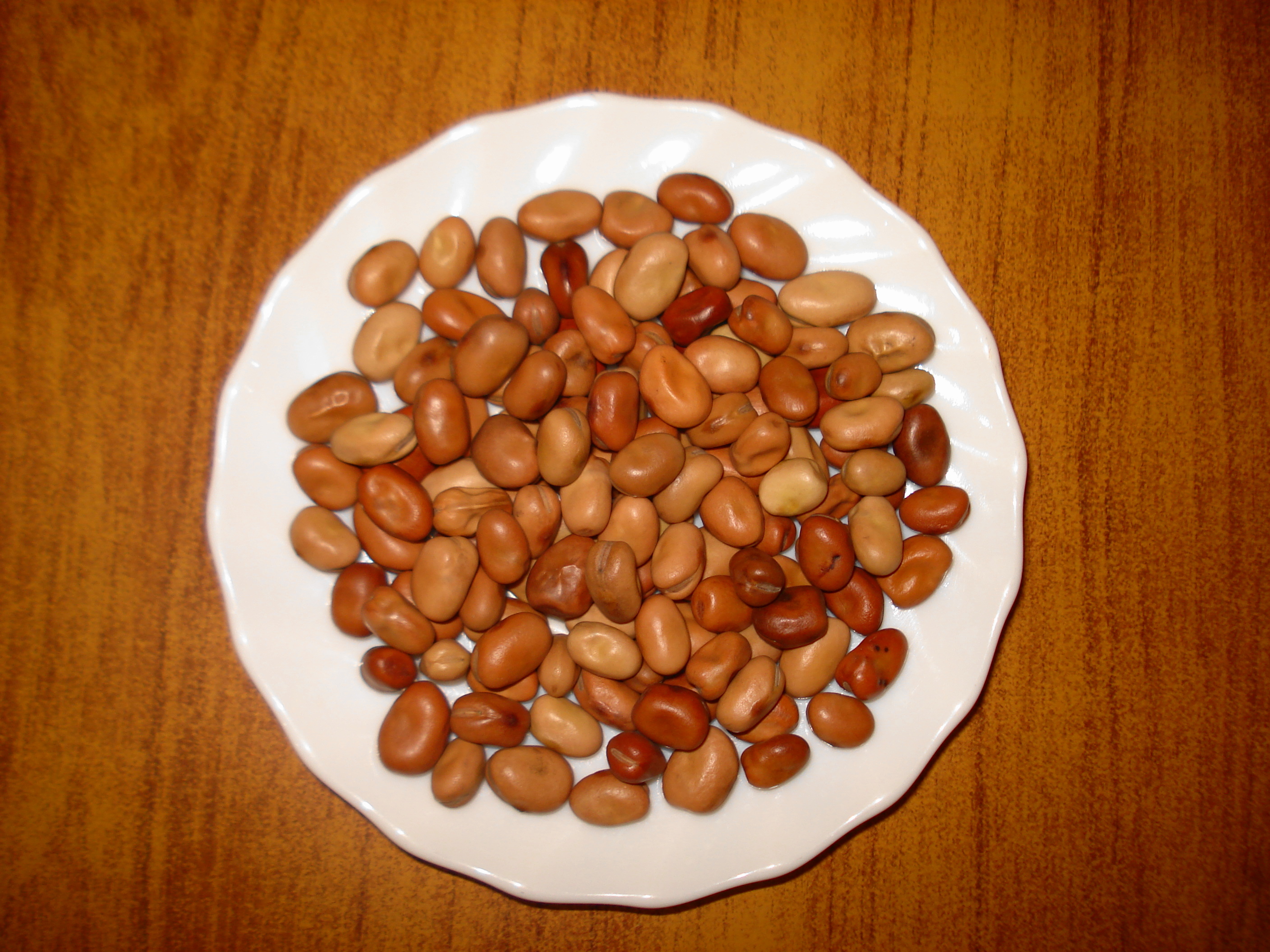
When Canadians need protein that is cheap, filling, and dependable, dry beans remain hard to beat. Black beans, kidney beans, navy beans, and pinto beans all provide substantial nutrition at a very low cost per serving, especially when bought in larger bags.
Their strength lies in meal volume as much as protein. Beans can stretch chili, soups, burritos, stews, and casseroles so that a dish feeds more people without extra meat. In many households, that is the real goal, not eliminating meat entirely but using far less of it while keeping meals satisfying.
Cooking dry beans takes more planning, yet many shoppers accept that trade-off because the savings are significant. Batch cooking and freezing make them much easier to use throughout the week. Once prepared, they can move into salads, bowls, dips, or side dishes with very little extra work.
Beans also reflect a broader return to practical home cooking. In times of high food prices, staple ingredients regain their appeal because they deliver reliability, nutrition, and flexibility. Dry beans do exactly that, which is why they continue to gain ground as expensive meat becomes harder to justify every night.



Leave a Reply