
Canada's food culture is full of borrowed favorites that have been embraced so completely they can feel native. But some dishes often treated like old Canadian traditions were actually imported, adapted, or popularized from other places. This gallery looks at 11 well-known foods and explains how they became part of the Canadian table without truly starting there.
Poutine

Few foods are tied to Canada's image more tightly than poutine, yet even this symbol is not a centuries-old national tradition. It emerged in rural Quebec in the 1950s, making it relatively new compared with older regional foodways shaped by First Nations, French, and British cooking.
Its rise from casse-croûte snack to national icon happened fast. What began as fries, cheese curds, and gravy became a marker of Canadian identity through diners, chains, and tourism campaigns. That fame is real, but its status as an ancient traditional Canadian dish is not.
Hawaiian Pizza
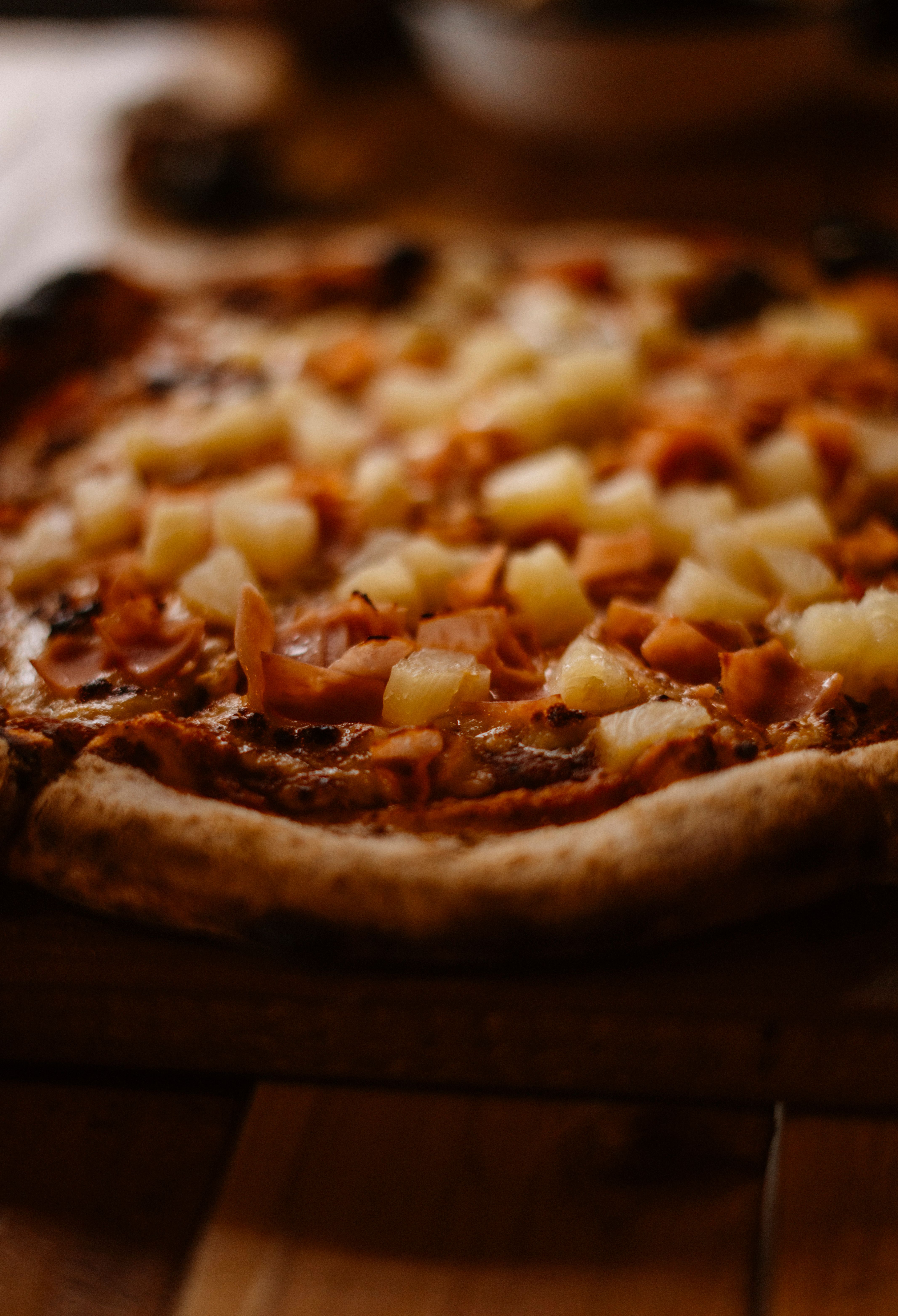
This one surprises people because it was created in Canada, yet it still is not truly traditional in the historical sense. Greek immigrant Sam Panopoulos introduced Hawaiian pizza in Ontario in 1962, inspired by the growing habit of experimenting with canned and sweet-savory toppings.
Its name points away from Canada, and so does its style. Pizza itself is Italian in origin, and the pineapple came from a broader North American taste for novelty in postwar restaurants. It is Canadian-born, yes, but more mid-century invention than inherited national tradition.
Donair

In Halifax, the donair is treated almost like civic heritage, and for good reason. But its story starts elsewhere. The dish descends from the Turkish döner kebab and related Middle Eastern wraps, then took on a Nova Scotia identity when local shops adapted it with a famously sweet condensed milk-based sauce.
That local reinvention matters. The Halifax donair became a regional staple in the 1970s and is now woven into late-night food culture across Atlantic Canada. Even so, its roots are immigrant and international, not old-stock Canadian tradition handed down for generations.
Caesar Salad
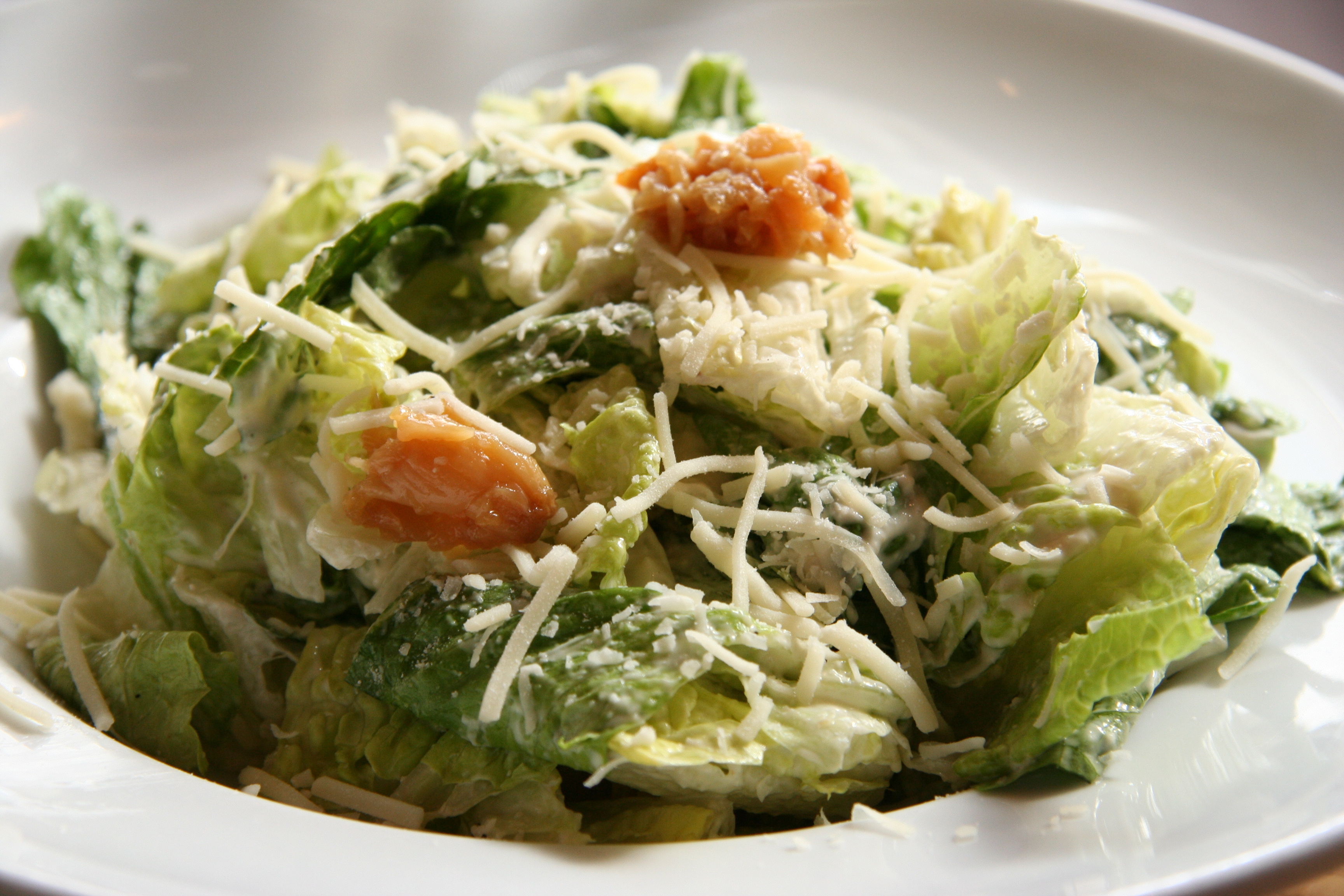
The Caesar salad often lands on Canadian tables so casually that it can seem like a domestic classic. In fact, it was created in Tijuana, Mexico, by restaurateur Caesar Cardini in the 1920s. Its borderland origin is part of the dish's charm and one reason it spread so widely across North America.
In Canada, the confusion may come from the Caesar cocktail, which really is a Canadian creation. But the salad is another story entirely. Romaine, croutons, parmesan, and anchovy-rich dressing belong to a dish with international restaurant roots, not traditional Canadian ones.
Nanaimo Bars

Nanaimo bars are strongly linked to British Columbia, but their reputation as an old traditional Canadian dessert deserves a closer look. The no-bake square appears to have taken shape in the mid-20th century, likely influenced by British-style biscuit desserts, custard-flavored fillings, and North American refrigerator baking trends.
That does not make them any less beloved. It simply places them in a modern domestic context rather than a long historical one. Community cookbooks helped standardize the recipe, and the City of Nanaimo later embraced the bar as civic branding, boosting its all-Canadian image.
Peameal Bacon Sandwich

This sandwich is often sold as a pure Toronto tradition, especially around St. Lawrence Market. But the ingredients tell a broader story. Peameal bacon itself developed from cured pork loin methods shaped by British preservation practices, and the sandwich format follows a much wider habit of turning prepared meats into quick market meals.
Its local identity became stronger over time as vendors and visitors treated it like a must-try civic food. That makes it a regional specialty with real Canadian associations. It does not, however, represent a timeless or uniquely traditional dish untouched by outside influence.
Ketchup Chips
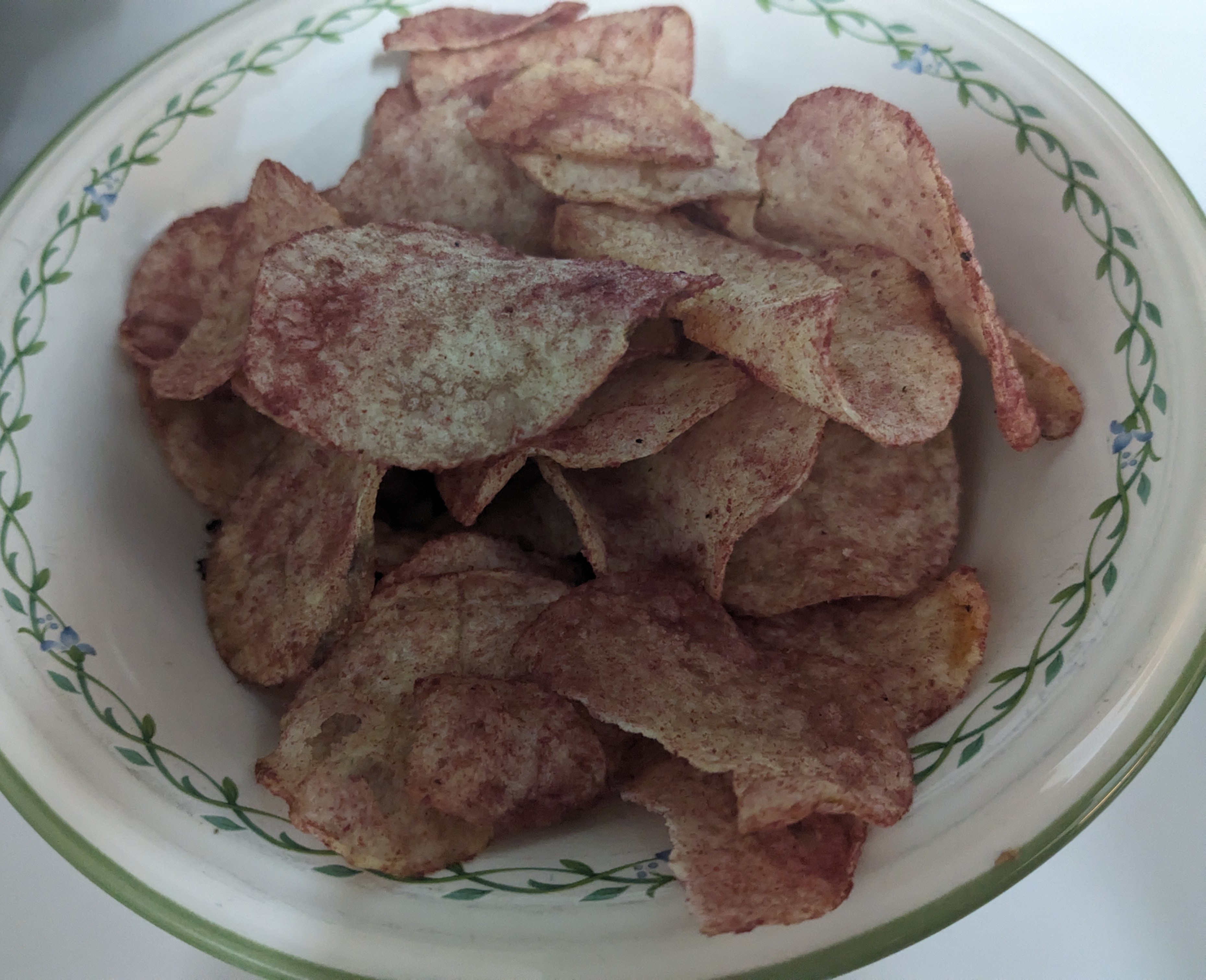
Ketchup chips feel almost inseparable from Canadian snack culture, but they are a packaged food product, not a traditional food in the historical sense. Flavored potato chips emerged from modern food manufacturing, and ketchup seasoning followed the North American popularity of tomato-based condiments and mass-market snack experimentation.
Canada did help turn them into a standout supermarket favorite. Even so, they belong to the era of industrial food branding, not the older culinary traditions built around farming, preservation, and regional cooking. They are nostalgic, yes, but nostalgia is not the same as tradition.
BeaverTails

The name sounds ruggedly Canadian, and the shape cleverly echoes the animal on the national landscape. But BeaverTails are a modern pastry brand built on a fried dough idea found across many cultures. Similar treats exist in European, Indigenous, and North American fairground traditions, each with its own method and toppings.
The company launched in Ontario in the late 1970s and turned the pastry into a tourism-friendly icon. Its success is a smart piece of food storytelling. What people often read as deep tradition is really a recent commercial adaptation of a much older global pastry concept.
Montreal Smoked Meat
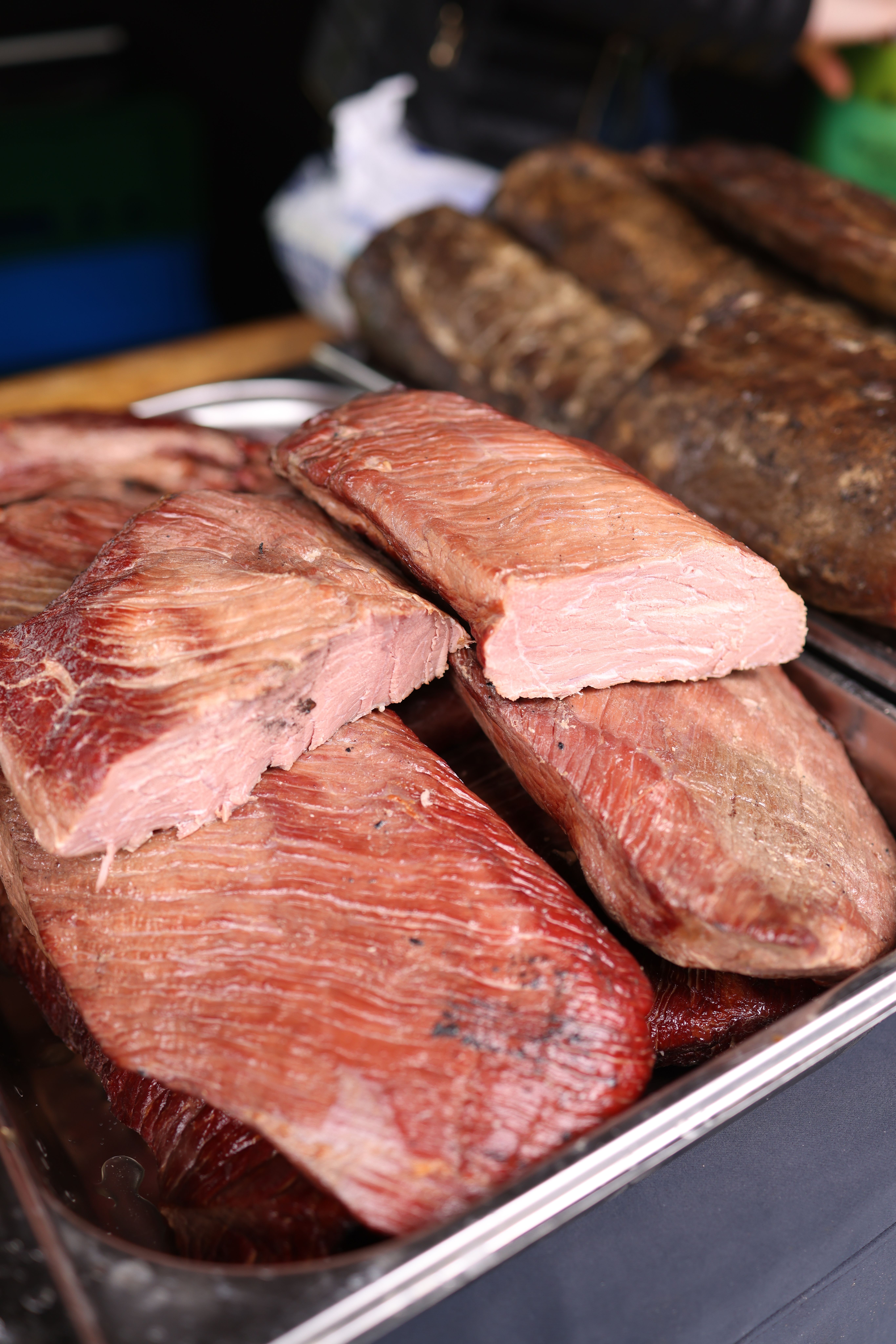
Montreal smoked meat is one of Canada's most famous deli foods, yet its heritage is unmistakably immigrant. Jewish migrants from Eastern Europe brought techniques for curing, seasoning, and preserving beef, then adapted them in Montreal. The result became something local, but not something that originated from long-standing Canadian cooking traditions.
Its story is really about migration and reinvention. By the 20th century, smoked meat had become central to the city's food identity through delis and sandwich counters. It is a genuine Montreal classic, though its roots lie in a much wider diaspora culinary history.
Tourtière
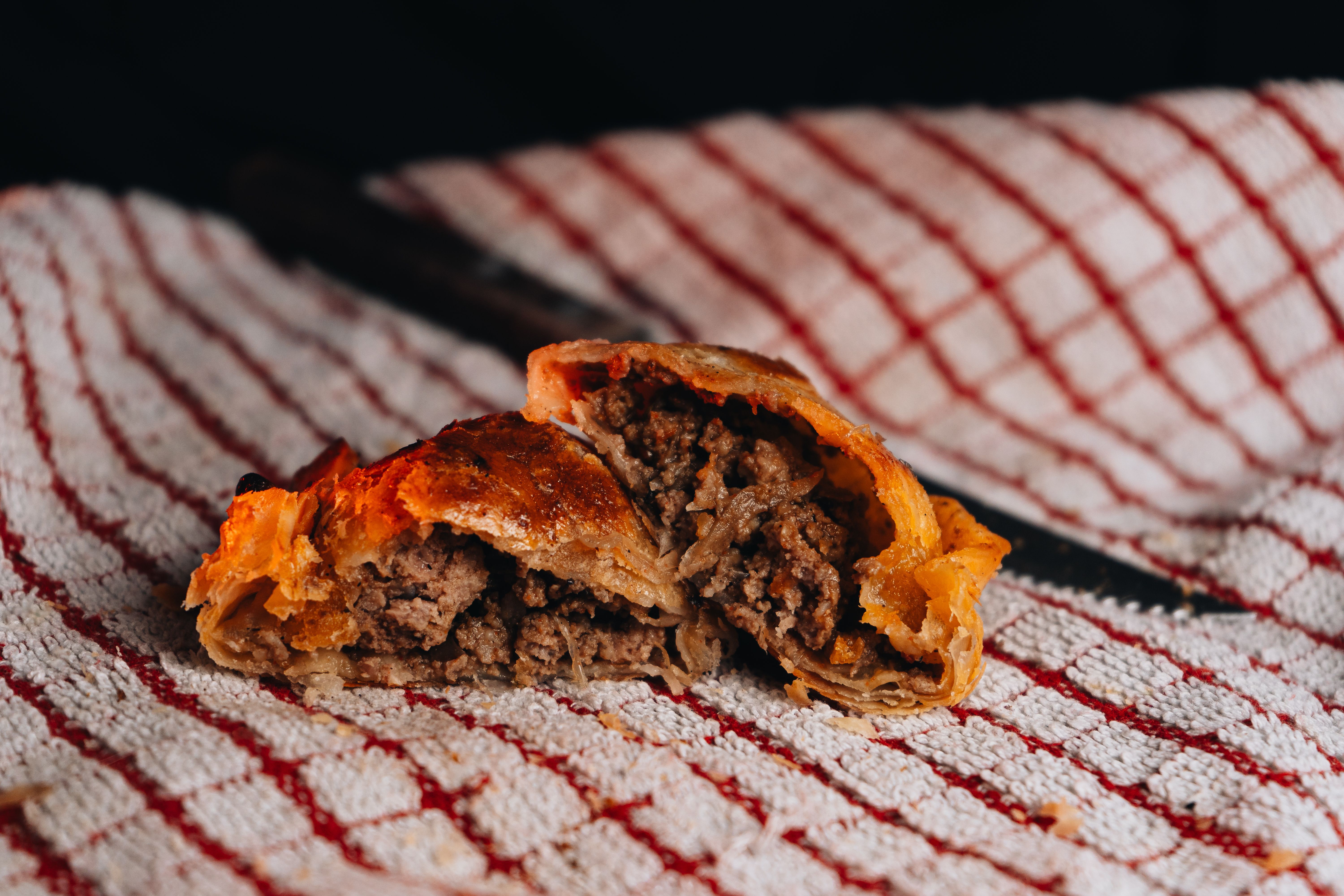
Tourtière is absolutely part of French Canadian cuisine, but people often flatten it into a single ancient national dish. In truth, meat pies of this kind come from a long European lineage, especially French culinary traditions brought to New France and then reshaped by local ingredients, regions, and family habits.
Quebec developed its own distinct versions, from finely minced holiday pies to deeper Saguenay-Lac-Saint-Jean styles. So the pie is authentically rooted in Canada's francophone history, but not invented out of nowhere here. Its traditional status is real, though its deeper ancestry is imported.


Leave a Reply