
Some foods do not just fade from menus. They become cultural dividing lines.
What boomers once saw as practical, comforting, or even elegant, many Gen Z eaters now view with suspicion before the first bite.
Aspic Salad
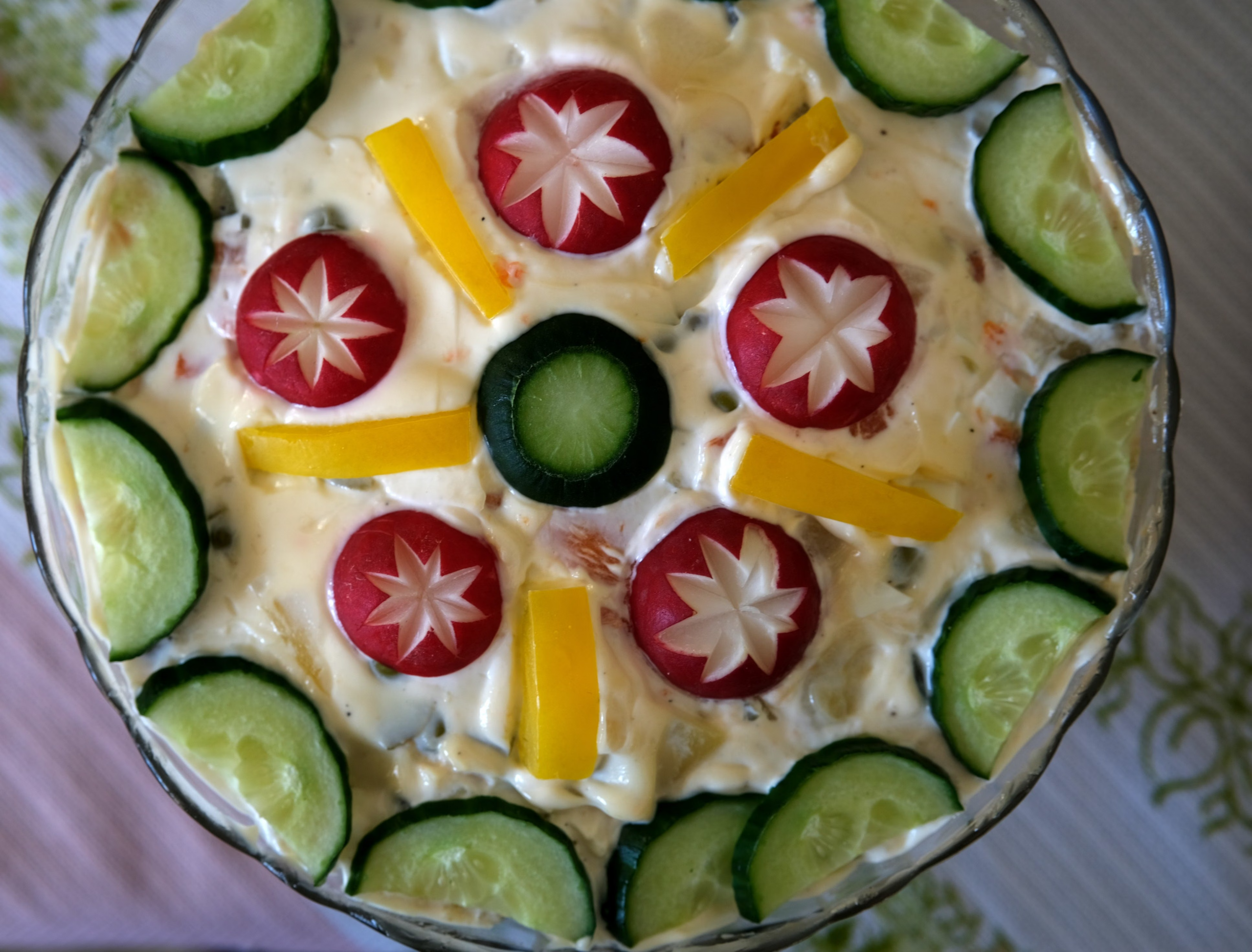
Nothing says mid-century dinner party quite like food suspended in gelatin. For boomers, aspic salad represented thrift, presentation, and a certain postwar fascination with modern kitchen technology. Savory gelatin molds filled with vegetables, seafood, eggs, or even canned meats appeared in home economics guides, church cookbooks, and holiday buffets across America.
The appeal made sense in its time. Refrigeration had become more common, boxed gelatin was inexpensive, and molded dishes could be prepared ahead for a crowd. Companies promoted these recipes heavily, turning convenience foods into symbols of domestic skill. A tomato aspic or shrimp mold could signal that a hostess was current, efficient, and a little glamorous.
Gen Z tends to reject aspic before tasting it for one obvious reason: texture. Younger consumers are generally more adventurous about global flavors, but they are often far less tolerant of wobbly, ambiguous foods. Social media has also amplified the visual shock factor. A ring of suspended olives and celery in cloudy gelatin does not read as retro sophistication today. It reads as a dare.
Liver and Onions
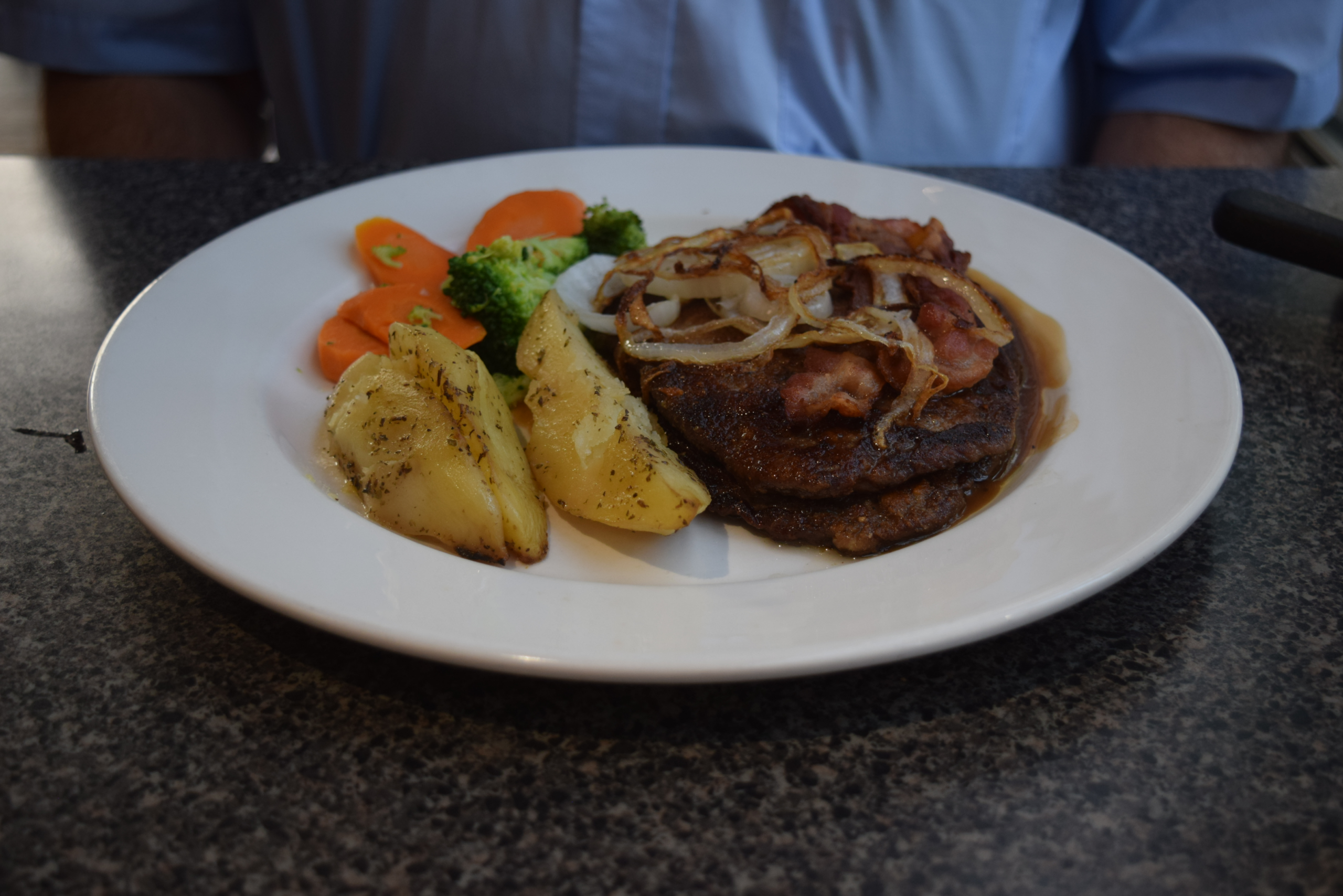
Few foods divide generations as sharply as liver and onions. For many boomer households, it was a normal weeknight meal rooted in economy and nutrition. Beef liver was cheap, widely available, and strongly associated with iron, protein, and the kind of no-nonsense eating parents believed children needed.
Doctors and nutrition messaging reinforced that reputation for decades. In the years before today's supplement culture, organ meats were praised as nutrient powerhouses. Liver delivers high levels of vitamin A, B12, folate, copper, and iron, and that mattered in households where stretching a grocery budget was essential. Fried onions helped soften the mineral flavor, but not enough for every child at the table.
Gen Z's resistance is partly sensory and partly philosophical. The metallic taste and soft texture are barriers, but so is the concept of organ meat itself. Younger diners who accept nose-to-tail eating in theory often still recoil at liver in practice. In an era dominated by chicken tenders, sushi, burrito bowls, and protein bars, liver and onions feels less like comfort food and more like a nutritional lecture on a plate.
Tuna Noodle Casserole
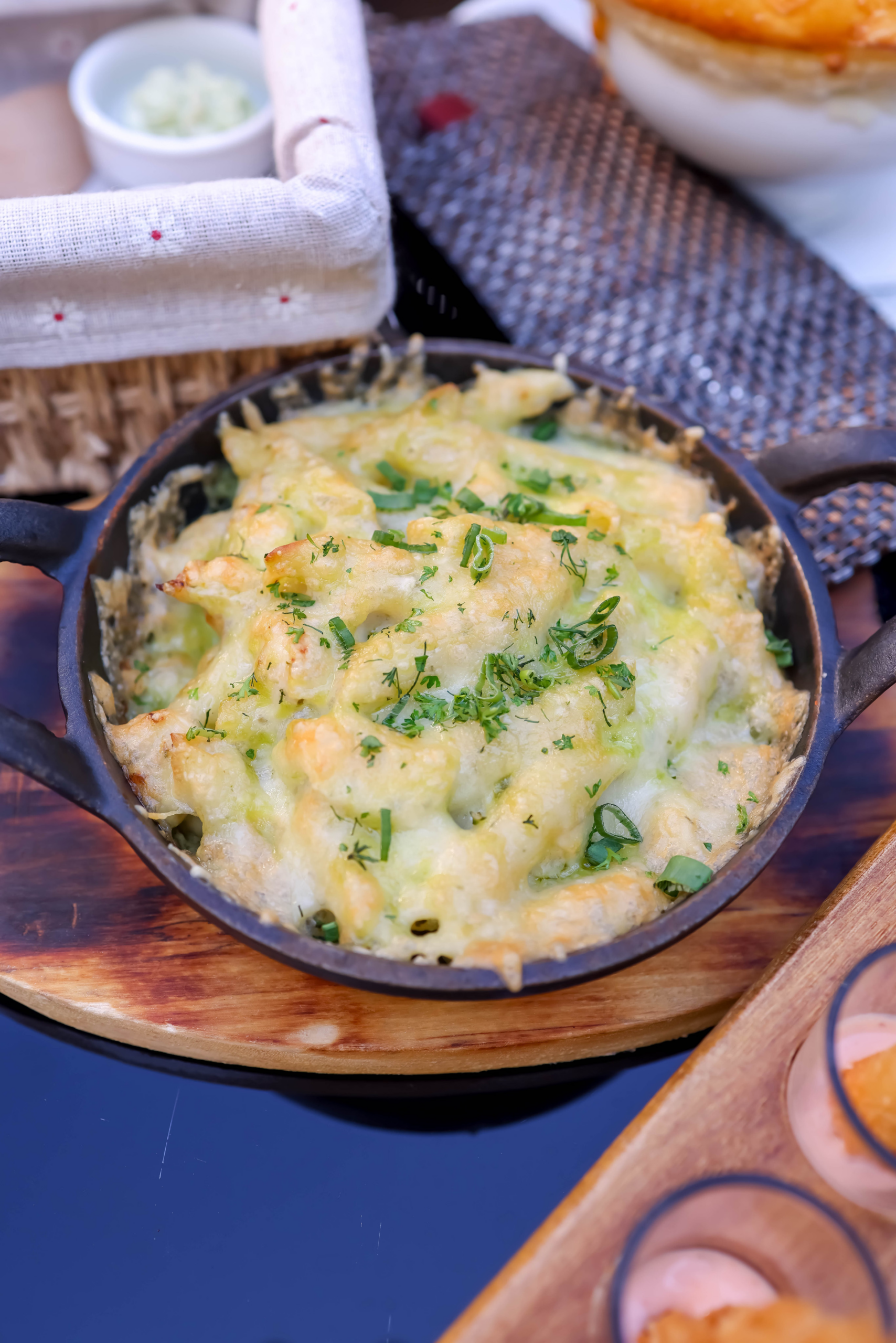
At its peak, tuna noodle casserole was not a joke. It was a backbone meal for millions of families. Boomers grew up with versions made from canned tuna, egg noodles, cream of mushroom soup, peas, and a crunchy topping of potato chips or breadcrumbs, all baked into one economical dish.
Its popularity reflected the rise of processed pantry staples after World War II. Food manufacturers marketed canned soup as a shortcut to modern domestic efficiency, and casseroles fit perfectly into that story. They were warm, filling, easy to scale, and ideal for leftovers. In many homes, the dish became tied to church suppers, snow days, and practical parenting.
Gen Z often sees tuna noodle casserole as beige, heavy, and overly processed. Younger eaters have grown up in a food culture that prizes freshness, visible ingredients, and stronger seasoning. The combination of canned fish and creamy sauce can also be a hard sell to a generation accustomed to tuna as spicy sushi rolls or poke. Nostalgia once covered its flaws. Without that nostalgia, the casserole has a much tougher case.
Cottage Cheese with Fruit
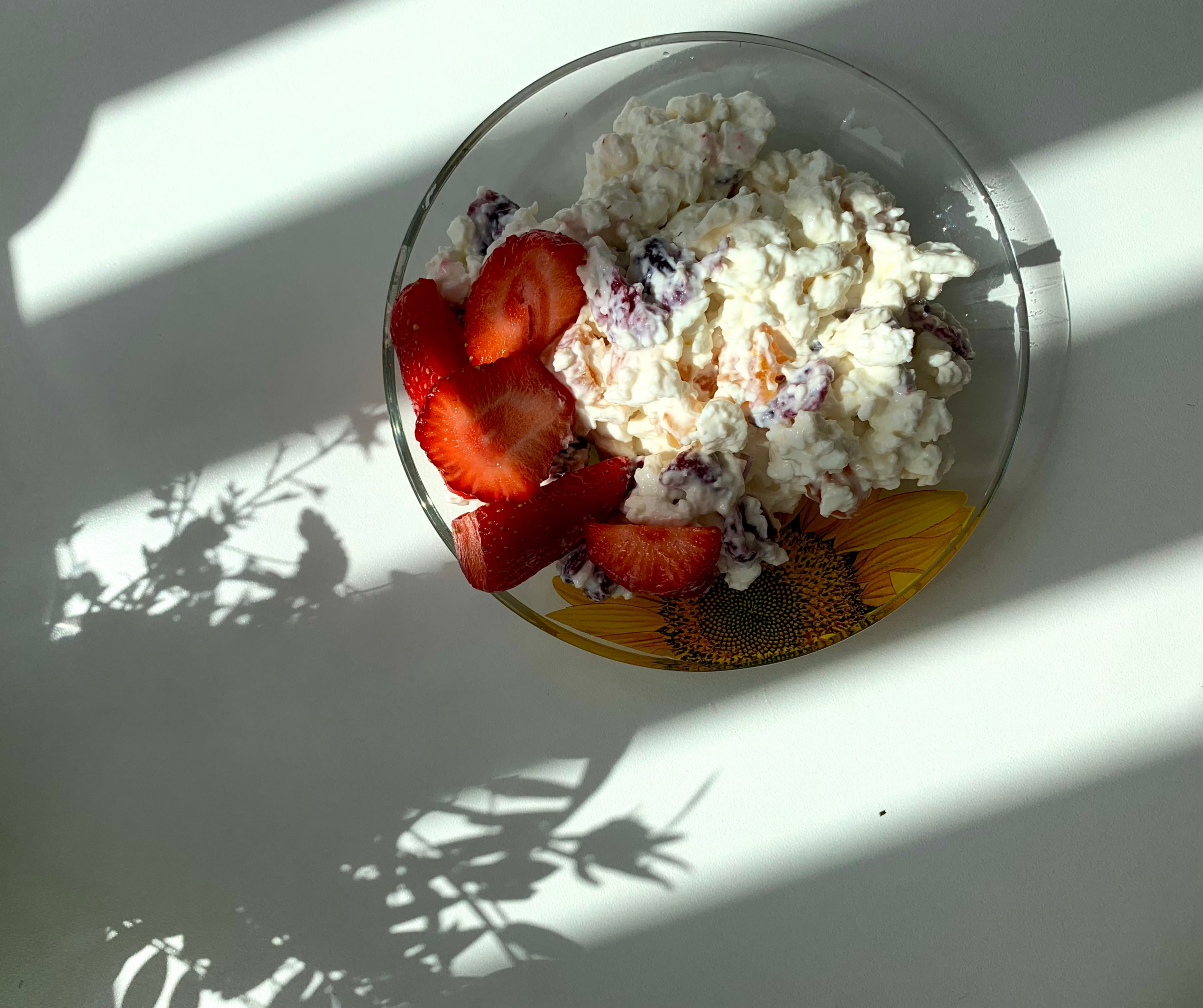
Before Greek yogurt took over the high-protein snack category, cottage cheese with fruit was a staple of diet plates, lunch counters, and home refrigerators. Boomers saw it as wholesome, light, and versatile. A scoop of cottage cheese beside canned peach halves or pineapple rings was considered a smart and refreshing choice.
Its rise reflected larger food trends from the 1950s through the 1980s. Diet culture favored low-fat dairy, and cottage cheese benefited from a health halo that lasted for decades. Restaurants placed it on salad plates, hospitals served it routinely, and home cooks relied on it as a simple meal component that required no preparation at all.
Gen Z is split on cottage cheese, but the classic fruit pairing still gets side-eyed. Texture is the biggest obstacle. Curds can feel lumpy and strange to younger eaters raised on smoother dairy products. The old presentation also looks dated, especially when paired with canned fruit in syrup. Even though cottage cheese has reentered some wellness circles, its traditional form still struggles to shake the image of a boomer fridge staple.
Jell-O with Everything

Sweet gelatin on its own still has an audience. The problem starts when almost anything else gets folded in. Boomers grew up in a period when Jell-O salads, layered gelatin desserts, and molded holiday dishes were common, and not always clearly categorized as sweet or savory. Carrots, marshmallows, cottage cheese, walnuts, and canned fruit all found their way into the bowl.
This was not random culinary chaos. Packaged gelatin was affordable, colorful, shelf-stable, and aggressively advertised. It fit the era's fascination with molded foods and made ordinary ingredients feel festive. In many communities, especially in the Midwest and Mountain West, these dishes became potluck traditions that signaled hospitality and family continuity.
Gen Z's refusal usually comes down to expectations. Younger eaters tend to prefer foods that make immediate visual and flavor sense. A neon mold containing shredded vegetables or miniature marshmallows can feel less like dessert and more like edible confusion. What older generations remember as cheerful and crowd-pleasing, younger people often interpret as a relic from a time when presentation mattered more than taste.
Meatloaf
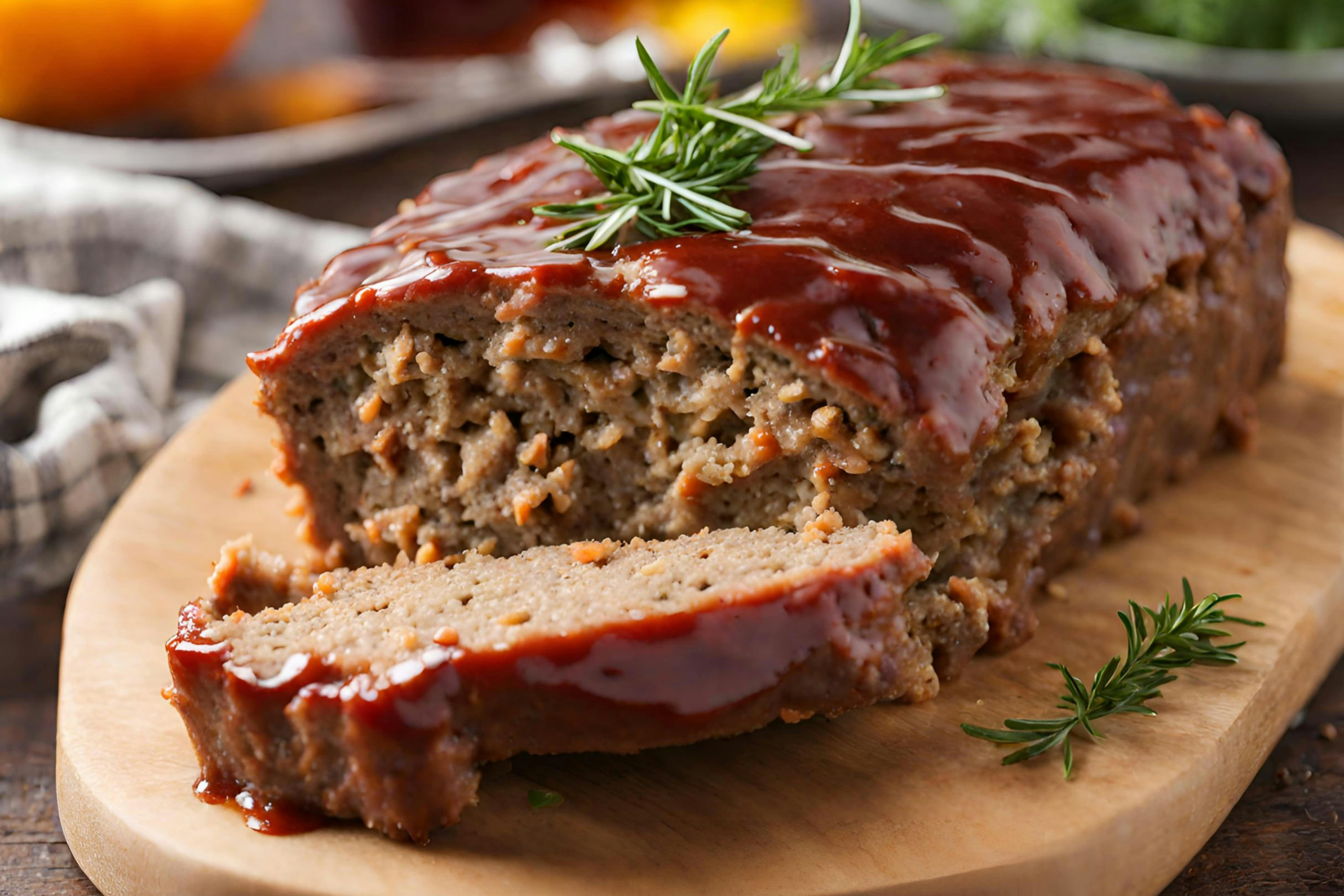
Meatloaf was once the master class in making do without looking deprived. Boomers grew up with this loaf of ground beef, breadcrumbs, eggs, and seasonings as a household standard, often glazed with ketchup and served with mashed potatoes. It stretched meat, reduced waste, and delivered a filling dinner at a manageable cost.
Its roots go deeper than suburban weeknight cooking. Variations of meatloaf have existed for centuries, but in the United States it became especially important during the Great Depression and wartime rationing. By the time boomers were children, it had become a familiar expression of family cooking, shaped as much by necessity as by taste.
Gen Z does not universally hate meatloaf, but many avoid it because the name and appearance work against it. A sliced loaf of mixed meat can seem institutional, overcooked, or suspiciously dense. Modern younger diners often prefer burgers, meatballs, or tacos, where the same ingredients feel fresher and more customizable. Meatloaf suffers from a branding problem almost as much as a flavor problem.
Spam
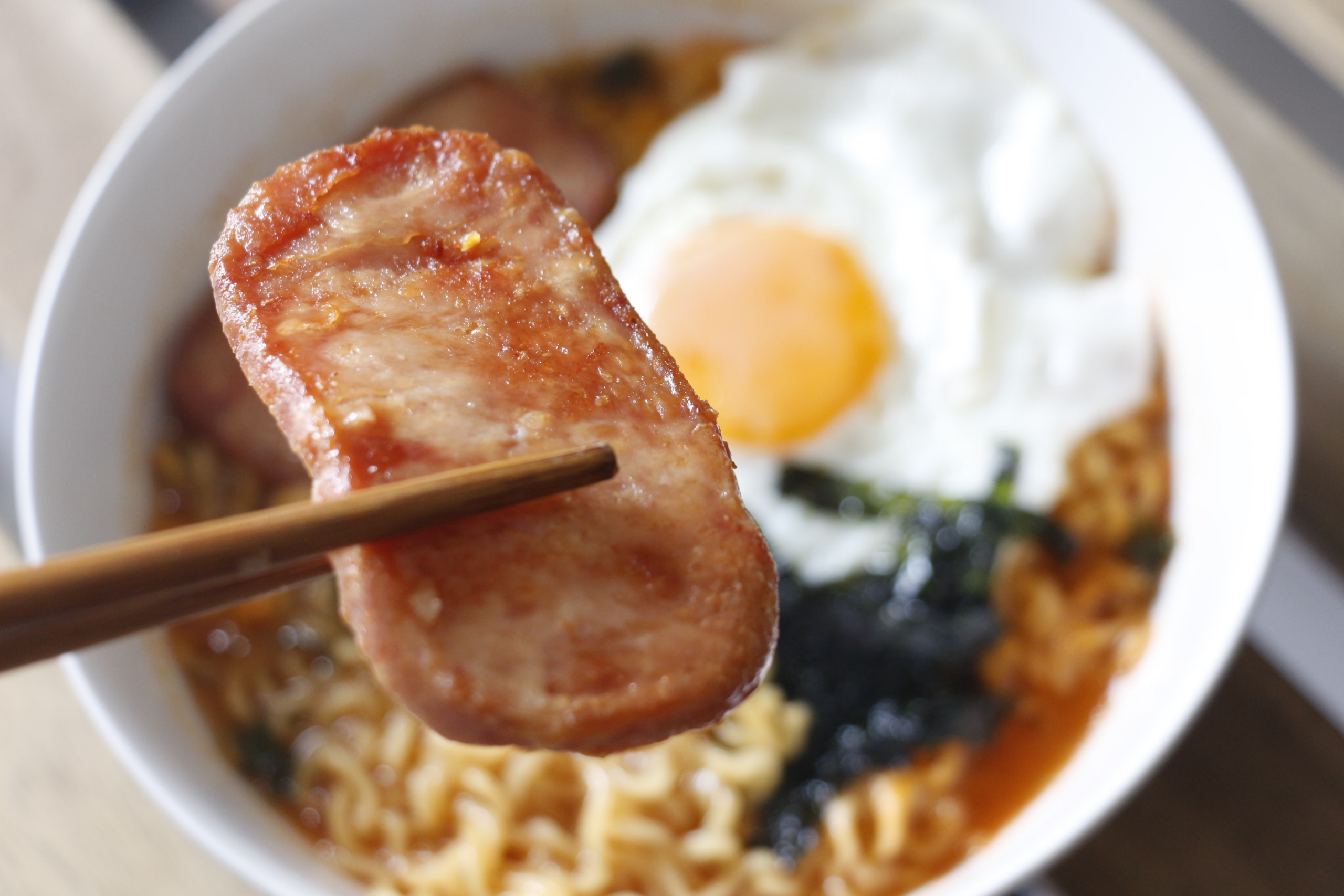
Spam has had an unusual cultural journey. For many boomer families, especially those with military ties or memories of ration-era habits, the canned pork product was a pantry standby. It was salty, shelf-stable, easy to fry, and useful in sandwiches, breakfast plates, or quick suppers when fresh meat was not practical.
Its popularity was tied directly to industrial food systems and wartime distribution. During World War II, Spam became a dependable protein for soldiers and civilians dealing with shortages. In some regions, particularly Hawaii and parts of the Pacific, it became deeply integrated into local cuisine. That enduring regional affection shows the food itself is not the entire issue.
Gen Z resistance in the mainland United States is largely image-driven. The can, the gelatinous loaf shape, and the ultra-processed reputation all create distance. Younger consumers often say they want authenticity and minimally processed foods, even if their own diets include plenty of packaged items. Spam's challenge is that it looks exactly like what it is, and that honesty does not help it at first glance.
Creamed Chipped Beef on Toast
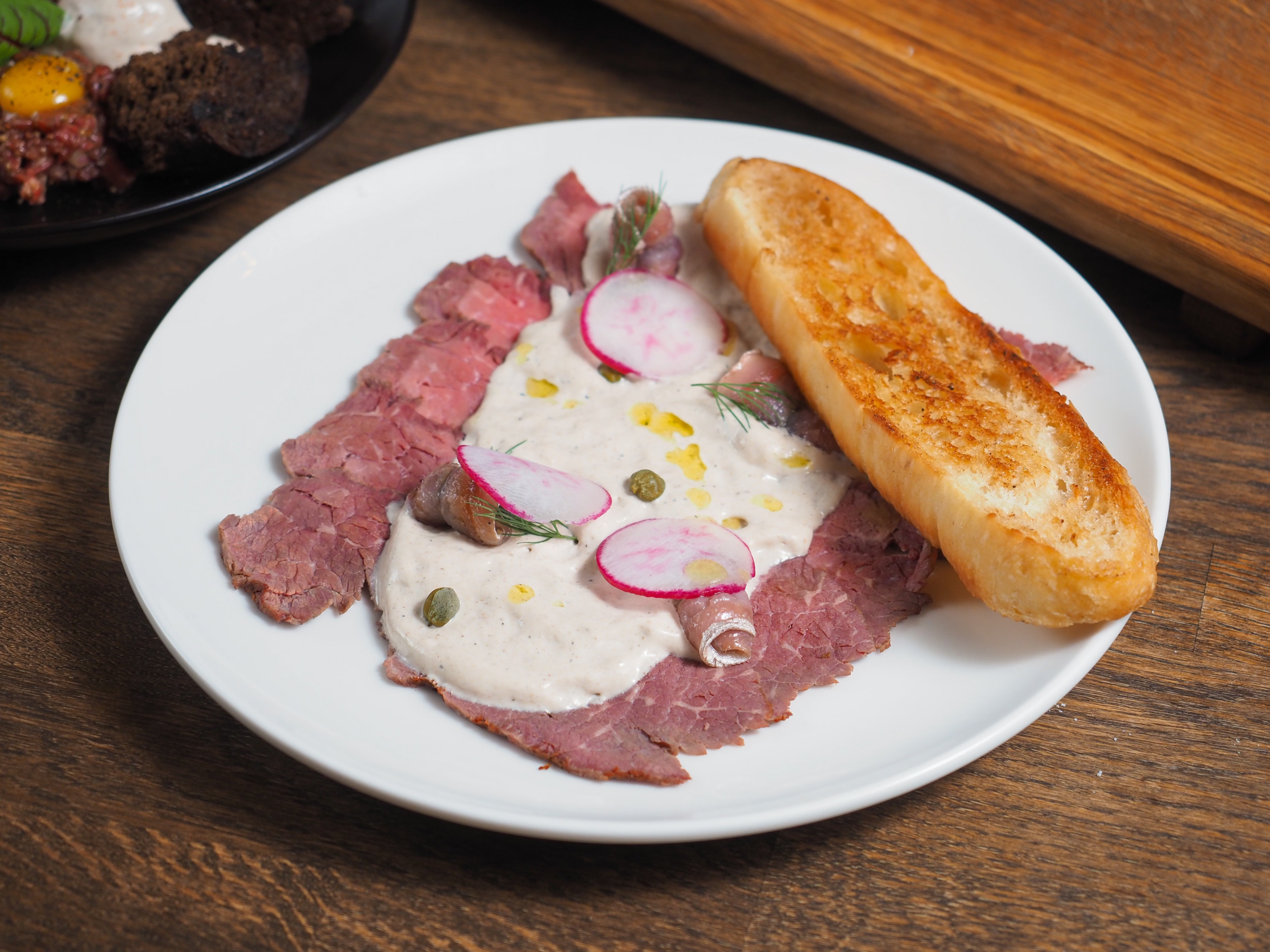
Some dishes are defeated by their own visuals, and creamed chipped beef on toast is one of them. Boomers knew this military-influenced comfort food as a hearty, inexpensive meal made from dried beef in a white cream sauce poured over toast. In many households, it was filling, familiar, and ready from basic pantry ingredients.
Its history helps explain its staying power. The dish was common in armed forces kitchens and later migrated into civilian homes, where economical cooking remained important. For families shaped by wartime habits or stories from parents who had lived through scarcity, this kind of meal represented resilience and practicality rather than culinary ambition.
Gen Z usually encounters it as a punchline before a plate. The name is awkward, the color palette is uninspiring, and cream sauce over toast reads as bland to a generation raised on bolder flavor profiles. Biscuits and gravy survived because they retained indulgent appeal and restaurant support. Creamed chipped beef did not. Once a food loses both context and charm, younger diners rarely volunteer for a taste.
Bologna Sandwiches
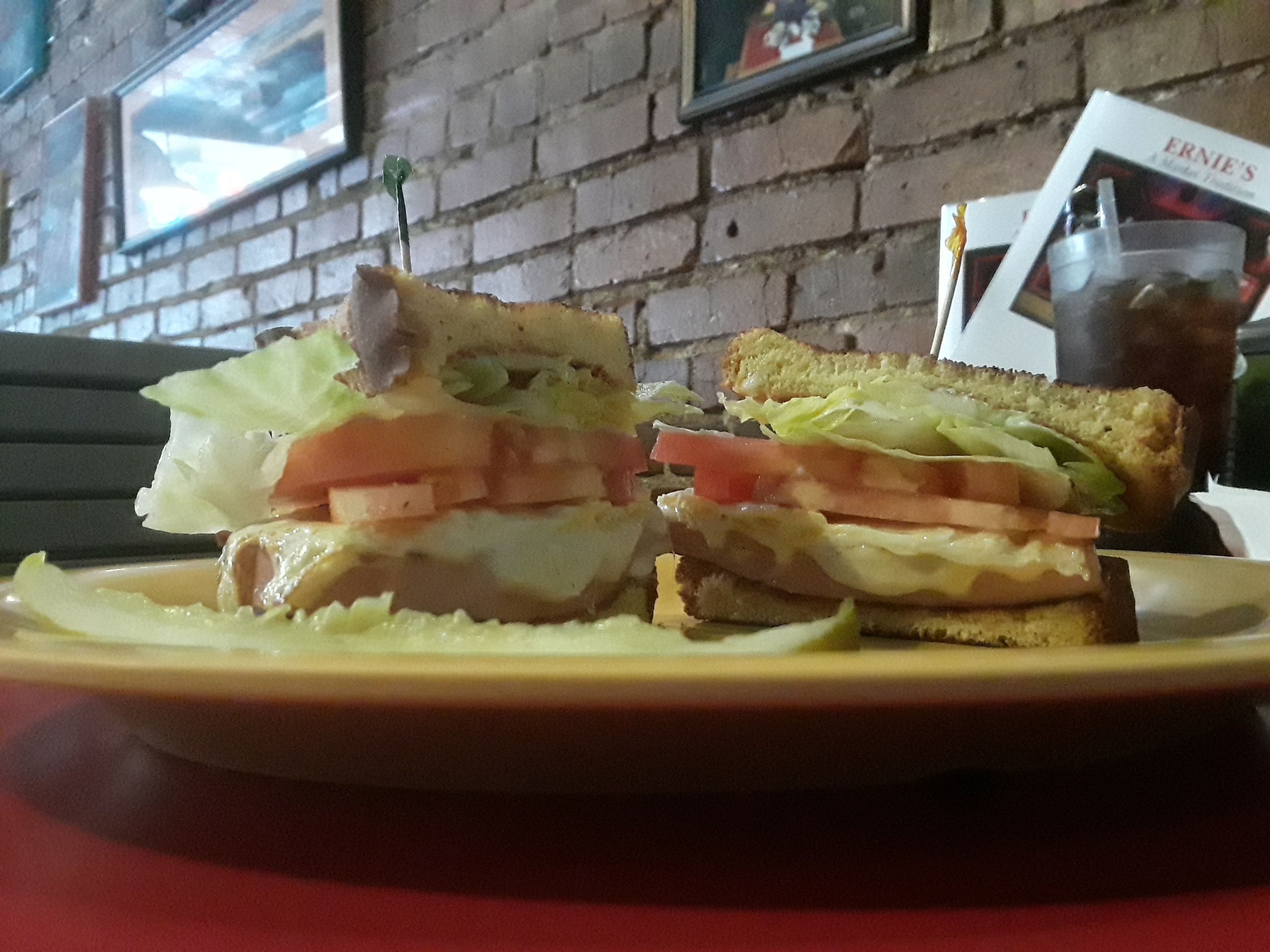
A plain bologna sandwich was once an ordinary lunch, not a symbol of low expectations. Boomers grew up with slices of bologna on white bread, often with mayonnaise, mustard, or a square of American cheese. It was cheap, kid-friendly, and easy to pack, which made it a dependable answer for school days and rushed afternoons.
Processed lunch meats thrived in the era of convenience-focused grocery shopping. They were pre-sliced, consistent, and heavily marketed to families seeking value. Bologna in particular benefited from its mild flavor and soft texture. For children, it was approachable. For parents, it was affordable. In a time before artisan deli culture became mainstream, it met the moment perfectly.
Gen Z often treats bologna as the definition of uninspired processed food. The texture is too smooth, the flavor too vague, and the pink uniform slice too artificial-looking for many younger consumers. Even those who happily eat hot dogs may reject bologna because it lacks novelty. Today's lunch identity leans toward wraps, grain bowls, or premium sandwiches. Bologna feels like a leftover from a less demanding food era.
Prune Whip and Other "Health" Desserts
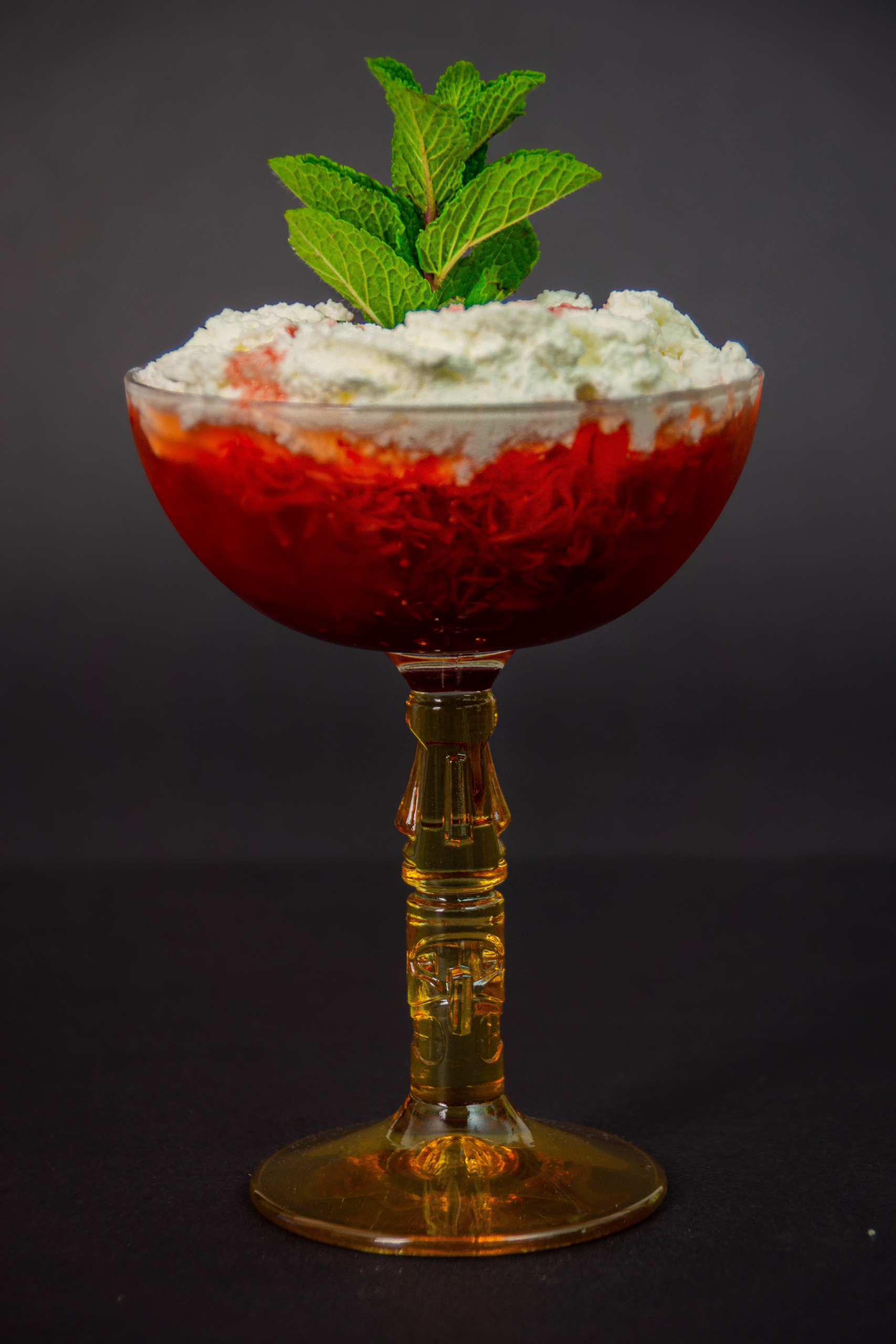
Dessert used to carry a very different kind of virtue. Boomers grew up around dishes like prune whip, stewed prunes, gelatin diet desserts, and baked fruit cups that were sold as treats but also promoted for digestion, lightness, or restraint. These were the sweets of a generation shaped by frugality, fiber advice, and a practical view of eating.
Prunes had serious cultural standing for decades. They were recommended by doctors, served in institutions, and folded into home menus as a sensible ingredient rather than a culinary punchline. The same went for many lightly sweetened desserts that valued function over indulgence. In earlier food culture, being good for you was often enough to justify being called dessert.
Gen Z's rejection is immediate because the framing no longer works. Younger consumers expect dessert to deliver pleasure first, even when it is vegan, high-protein, or reduced-sugar. A whipped prune dish sounds medicinal before the spoon even lifts. Modern wellness trends may celebrate gut health, but they package it in smoothie bowls and snack bars. The old health desserts lost the language that once made them appealing.

Leave a Reply