
Protein does not only come from chicken breasts and tubs of Greek yogurt. Some of the most useful high-protein foods in a Canadian grocery cart are the ones many shoppers walk past every week.
Dry Lentils
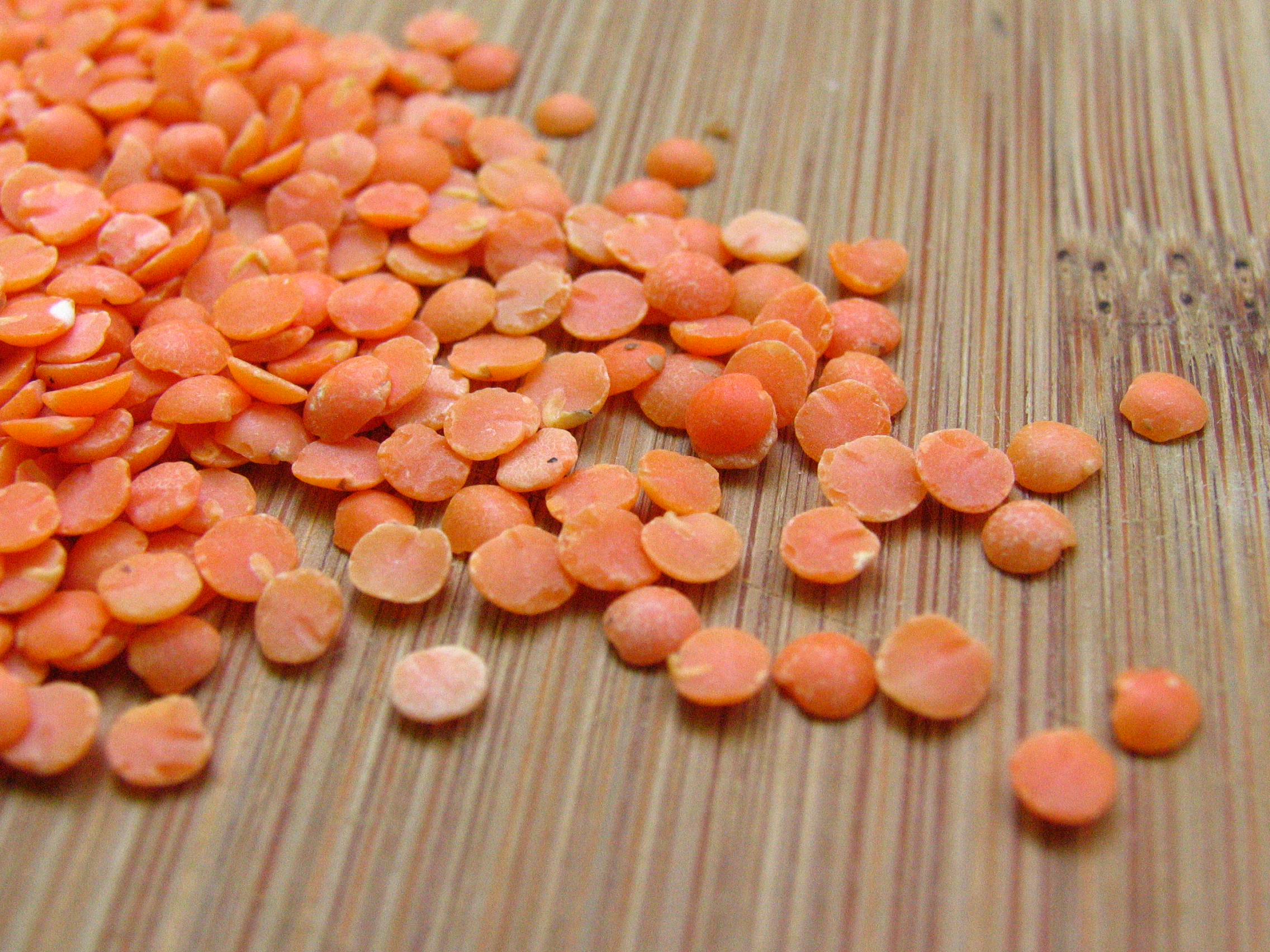
Lentils are one of the smartest protein buys in any Canadian supermarket. They are inexpensive, shelf-stable, and widely available in red, green, and brown varieties. A cooked cup typically provides around 18 grams of protein, which puts lentils well above what many people expect from a humble pantry staple.
What makes lentils especially practical is that they also bring fiber, iron, folate, and potassium. That combination matters because protein works best in a diet that is balanced, filling, and nutrient-dense. Many dietitians point to pulses like lentils as a reliable way to improve satiety while keeping food costs under control.
In real kitchens, lentils fit far beyond soup. They can bulk up pasta sauce, replace part of the ground beef in tacos, or turn a basic salad into a real meal. In Canada, where grocery prices have pushed many households to rethink staples, lentils stand out as one of the clearest examples of affordable protein hiding in plain sight.
Canned Chickpeas

Chickpeas have a reputation for being healthy, but their protein content is still underrated. A cooked cup delivers roughly 14 to 15 grams of protein, and canned versions make that nutrition available with almost no prep time. In a busy household, that convenience can be the difference between eating well and falling back on ultra-processed snacks.
Their real strength is versatility. Chickpeas can be mashed into sandwich fillings, roasted for crunchy snacks, stirred into curry, or blended into hummus. Because they have a mild flavor, they absorb spices and sauces easily, which makes them appealing even to people who do not usually plan meals around legumes.
There is also a budget advantage that is hard to ignore. A single can often stretches across multiple servings, especially when paired with grains or vegetables. For Canadians trying to increase protein without dramatically increasing food spending, chickpeas offer a practical middle ground between nutrition, convenience, and value.
Peanut Butter

Peanut butter is often treated like a spread for toast, but nutritionally it does much more than that. Two tablespoons usually provide about 7 to 8 grams of protein, along with healthy fats, magnesium, and vitamin E. That is not enough to count as a full meal on its own, but it is more significant than many shoppers realize.
Its usefulness comes from how easily it boosts everyday foods. Stirred into oatmeal, spread on apple slices, or blended into smoothies, peanut butter can quickly raise the protein content of breakfast or snacks. For children, students, and athletes, that makes it one of the most accessible protein helpers in the grocery store.
The main thing to watch is the ingredient list. Natural peanut butter with peanuts and salt is often the better choice than products loaded with added sugar or hydrogenated oils. In Canada, where peanut butter is a long-standing pantry staple, its familiar status can make people overlook just how nutritionally valuable it really is.
Rolled Oats

Oats are usually discussed as a fiber food, and that is fair, but they also contribute more protein than people expect. One dry cup of rolled oats contains roughly 10 grams of protein, which is notable for a grain-based staple. Even a standard serving can provide a meaningful start toward daily protein goals.
That protein becomes even more useful because oats are easy to pair with other nutritious foods. Milk, soy beverage, chia seeds, peanut butter, and pumpkin seeds all turn a bowl of oatmeal into something much more substantial. Instead of a light breakfast that fades fast, oats can become part of a genuinely filling morning meal.
Canadian shoppers also benefit from oats being easy to store and relatively affordable. They work in porridge, overnight oats, muffins, pancakes, and homemade granola. Because oats are so familiar, many people think of them only as comfort food, not as a quiet source of protein that supports energy, fullness, and meal balance.
Eggs

Eggs are not exactly a secret protein food, but many people still underestimate how efficient they are. One large egg contains about 6 grams of high-quality protein, and that protein is considered complete because it includes all nine essential amino acids. For the price and convenience, few grocery staples compete as well.
Their biggest advantage is flexibility across the day. Eggs can anchor breakfast, add substance to lunch, or turn leftover vegetables into a fast dinner. Hard-boiled eggs also travel well, making them one of the most useful ready-to-eat protein options for work lunches, road trips, and after-school snacks.
Nutrition experts have long noted that eggs offer more than protein alone. They also supply choline, selenium, vitamin B12, and other important nutrients. In Canadian households, eggs remain one of the most dependable staples because they can raise the protein quality of a meal without requiring much planning, cooking time, or money.
Cottage Cheese
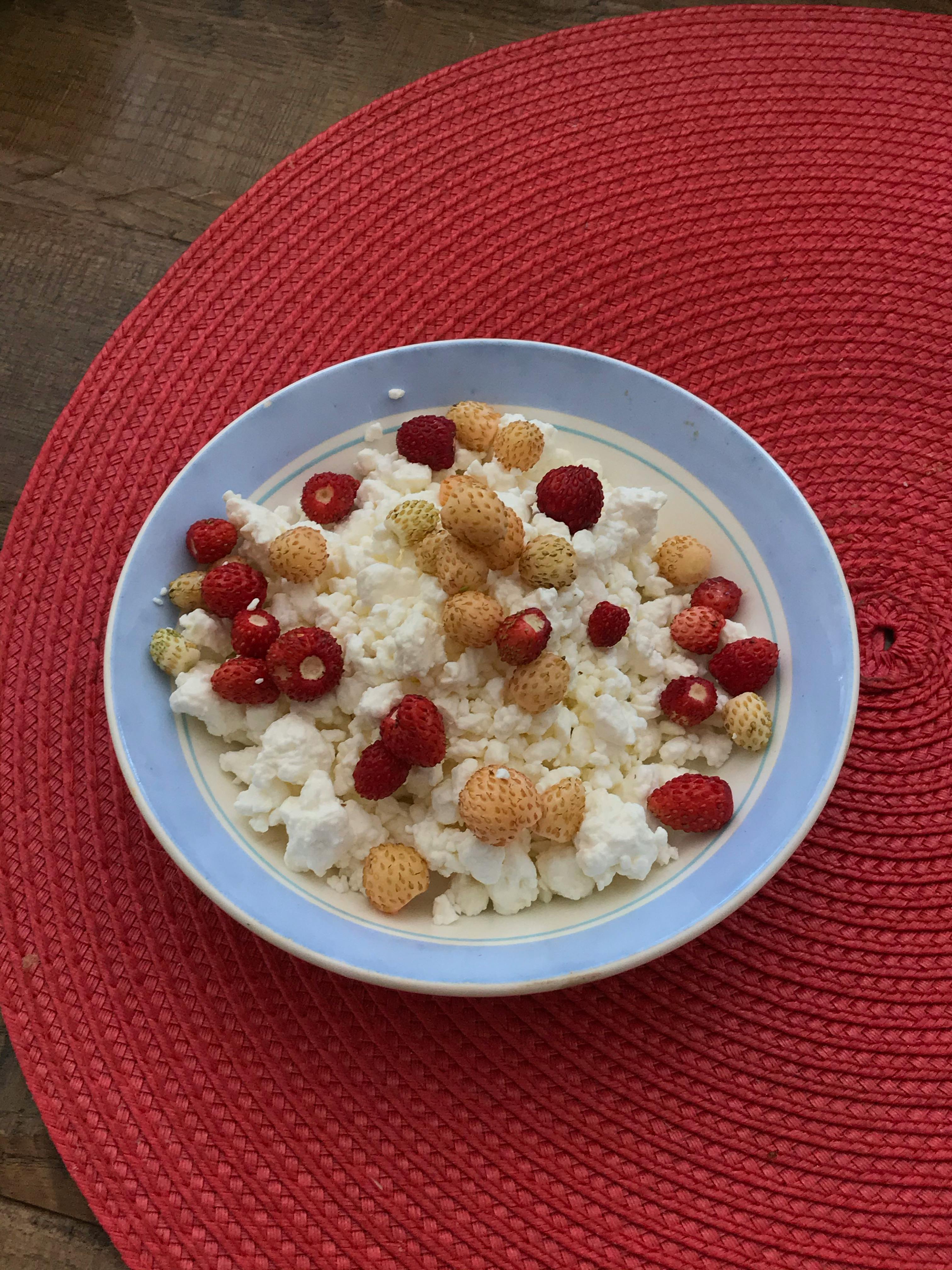
Cottage cheese is quietly making a comeback, and not just because of food trends. A ½ cup serving often contains 12 to 15 grams of protein, depending on the brand, which is an impressive amount for such a simple refrigerated staple. It is also usually lower in sugar than many flavored yogurts.
Its mild taste is one reason it works so well. Cottage cheese can be eaten with berries, tomatoes, cracked pepper, or whole grain toast. It also blends into smoothies, pancake batter, and pasta sauces, adding creaminess and protein without overwhelming the dish.
For Canadians looking for filling snacks, cottage cheese is especially useful. The combination of protein and a relatively slow digestion rate can help with satiety between meals. That matters in real life, where a balanced afternoon snack can prevent the late-day crash that often leads to less nutritious convenience foods.
Canned Tuna

Canned tuna is one of the most protein-dense staples in the grocery aisle. A typical 85-gram serving can provide around 20 grams of protein, making it one of the easiest ways to add a serious protein boost to lunch or dinner. Because it is shelf-stable, it is also a food-security staple in many homes.
The appeal goes beyond numbers. Tuna can be folded into sandwiches, grain bowls, salads, pasta, or baked casseroles with almost no effort. For students, shift workers, and families trying to get dinner on the table quickly, it offers a level of convenience that fresh proteins often cannot match.
Shoppers should still vary their seafood intake and pay attention to guidance around mercury, especially for children and pregnant people. Even so, canned tuna remains a strong option when used thoughtfully. In the Canadian grocery landscape, it is a classic example of a modest-looking pantry item that delivers much more protein than expected.
Pumpkin Seeds

Pumpkin seeds are easy to overlook because they are small, but they carry serious nutritional weight. A ¼ cup serving often contains around 8 to 9 grams of protein, along with magnesium, zinc, iron, and healthy fats. That makes them far more than a garnish scattered over salad.
One reason they are so valuable is that they can improve the protein profile of foods that are otherwise light. Added to oatmeal, yogurt, soups, or roasted vegetables, pumpkin seeds bring crunch and substance at the same time. They are especially useful for people trying to eat more plant-based meals without sacrificing fullness.
They also fit well into Canadian shopping habits because they store easily and work in both sweet and savory dishes. Unsalted or lightly salted versions are often the most versatile. In a grocery environment full of flashy "protein" products, pumpkin seeds show that whole foods still compete remarkably well on both nutrition and practicality.
Frozen Edamame
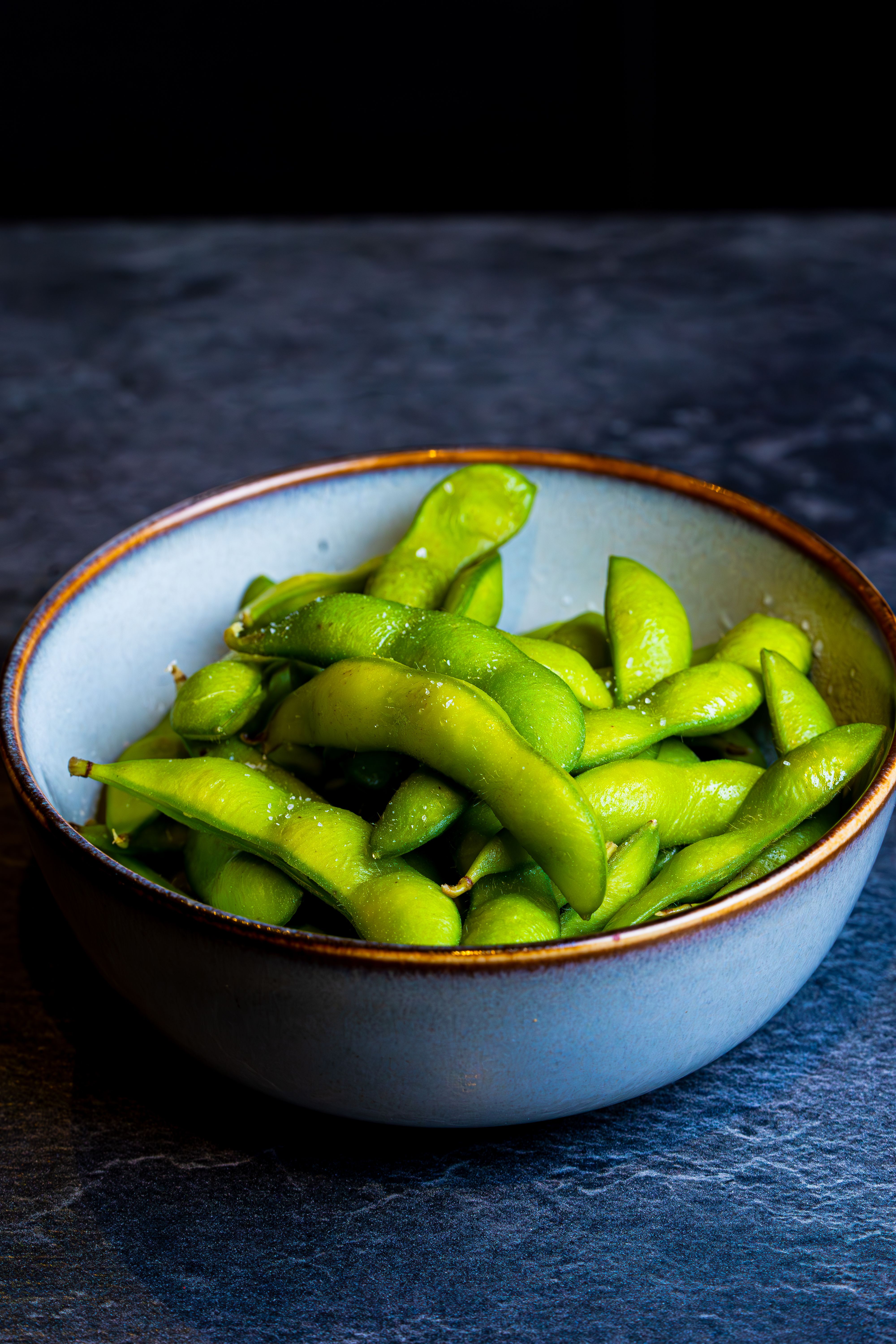
Edamame, or young soybeans, is one of the most underused protein staples in many Canadian freezers. A cup of shelled edamame can provide roughly 17 grams of protein, which puts it in the same conversation as many more celebrated high-protein foods. It also contributes fiber, folate, and iron.
Its freezer format is part of the appeal. Edamame can be steamed in minutes and added to rice bowls, noodle dishes, salads, and stir-fries. It also works as a snack on its own with a little sea salt, making it a smart replacement for lower-protein snack foods.
Soy foods have been studied extensively, and mainstream nutrition guidance generally supports them as part of a healthy diet. For shoppers looking for convenient plant protein, edamame is one of the strongest choices available. It is simple, widely stocked in larger Canadian grocery stores, and much more nutritionally powerful than its small size suggests.
Whole Wheat Bread

Bread rarely gets included in protein conversations, yet whole wheat bread can contribute more than people think. Depending on the brand, two slices often contain 6 to 10 grams of protein, especially in loaves made with denser whole grains, seeds, or added legumes. That can meaningfully raise the total protein in a basic meal.
The key is to see bread as part of a pattern rather than an isolated food. A sandwich made with whole wheat bread, tuna, egg, peanut butter, or cottage cheese can quickly become a balanced, protein-forward option. Even toast at breakfast gains more nutritional value when the base itself already contributes some protein.
Not all breads are equal, so label reading matters. Higher-fiber, whole grain varieties usually offer better overall nutrition than highly refined white loaves. In Canadian households, bread is such an everyday staple that its protein content often goes unnoticed, but over the course of a week, those grams can add up in a very useful way.




Leave a Reply