
Most people rinse produce quickly and assume the job is done. In reality, the best method is simpler than many kitchen myths suggest.
Why the usual produce-washing habits miss the mark

A fast splash under the tap feels responsible, but it often leaves behind the very things people want gone. Produce can carry soil, wax, pesticide residues, and microbes picked up during harvesting, packing, transport, and display. According to food safety guidance from the USDA and FDA, washing matters most because many fruits and vegetables are handled by multiple people before they reach your kitchen.
Another common mistake is using soap, bleach, or commercial cleaners on produce. Those products are not meant to be absorbed by porous skins or trapped in crevices, and residues can remain even after rinsing. Health agencies consistently advise against them because they can create a bigger ingestion risk than the original surface contamination you were trying to remove.
Even popular home tricks like soaking berries in vinegar are often misunderstood. Vinegar can reduce some surface microbes, but it is not a magic disinfectant, and overuse can damage delicate produce. In practical kitchen terms, correct handling and thorough rinsing under running water do more good for most households than complicated wash routines.
What actually works, according to food safety experts
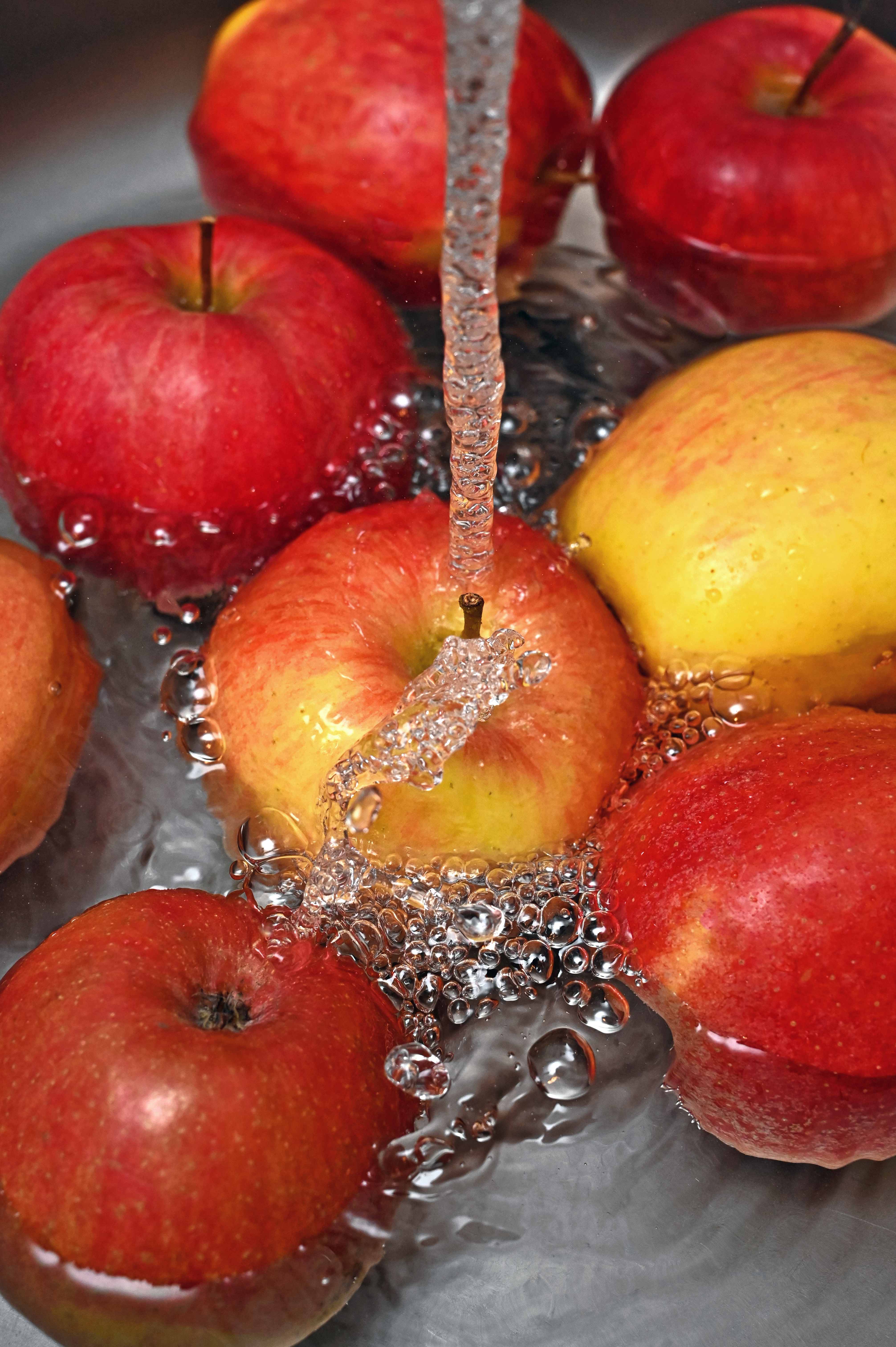
The most reliable method starts with your hands, not the produce. Wash your hands with soap and water for at least 20 seconds before touching fruits and vegetables, especially if you are preparing ready-to-eat items like apples, cucumbers, lettuce, or grapes. Clean cutting boards, knives, colanders, and countertops first so you do not re-contaminate what you just washed.
Next, rinse produce under cool running water. Firm items such as apples, potatoes, carrots, cucumbers, and melons should be rubbed with your hands as the water runs over them. For rough-skinned produce, a clean vegetable brush helps remove trapped dirt from grooves and textured surfaces that fingers may miss.
Drying is the step many people skip, yet it matters. Using a clean cloth towel or paper towel can further remove surface dirt and microbes loosened during rinsing. Dry produce also stores better in many cases because excess moisture encourages spoilage, especially for greens and berries that are already fragile when they come home from the store.
The right method for delicate, leafy, and firm produce
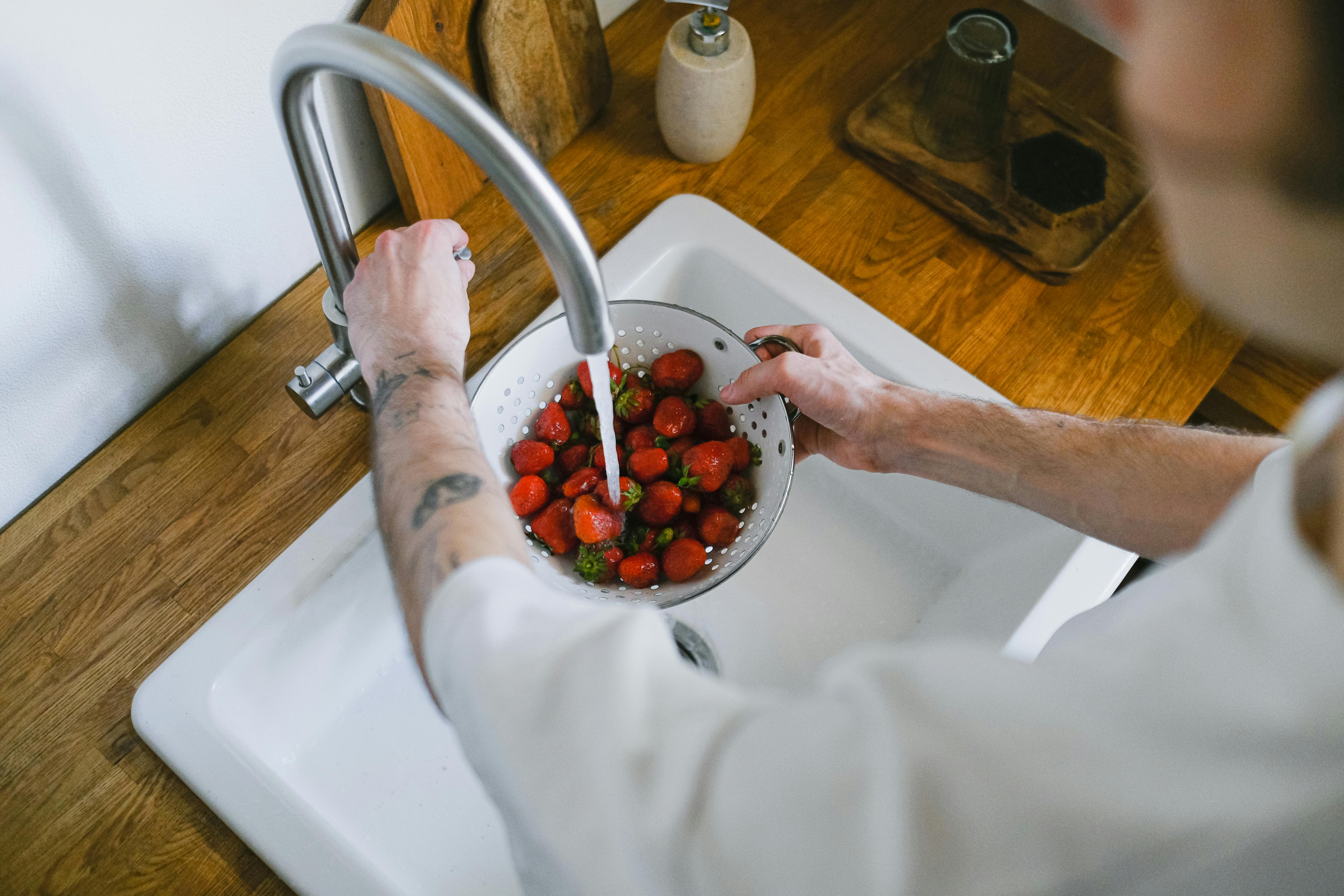
Tender produce needs a gentler approach. Berries, mushrooms, herbs, and ripe tomatoes can bruise or absorb water if handled too aggressively, so rinse them briefly just before eating or cooking. A salad spinner insert or colander can help support delicate items while cool water flows over them without excessive squeezing or soaking.
Leafy greens deserve extra attention because grit hides easily between layers. Separate leaves from heads of lettuce or cabbage, then rinse each section under running water. If dirt is heavy, swish leaves in a bowl of clean water, lift them out rather than pouring the water off, and repeat so the grit stays behind at the bottom.
Firm produce benefits from friction. Potatoes, beets, sweet potatoes, and melons often carry visible soil and should be scrubbed well, even if you plan to peel them. Cutting through an unwashed rind can drag microbes from the outside into the edible flesh, which is why washing avocados, oranges, and melons still matters.
What washing can and cannot remove
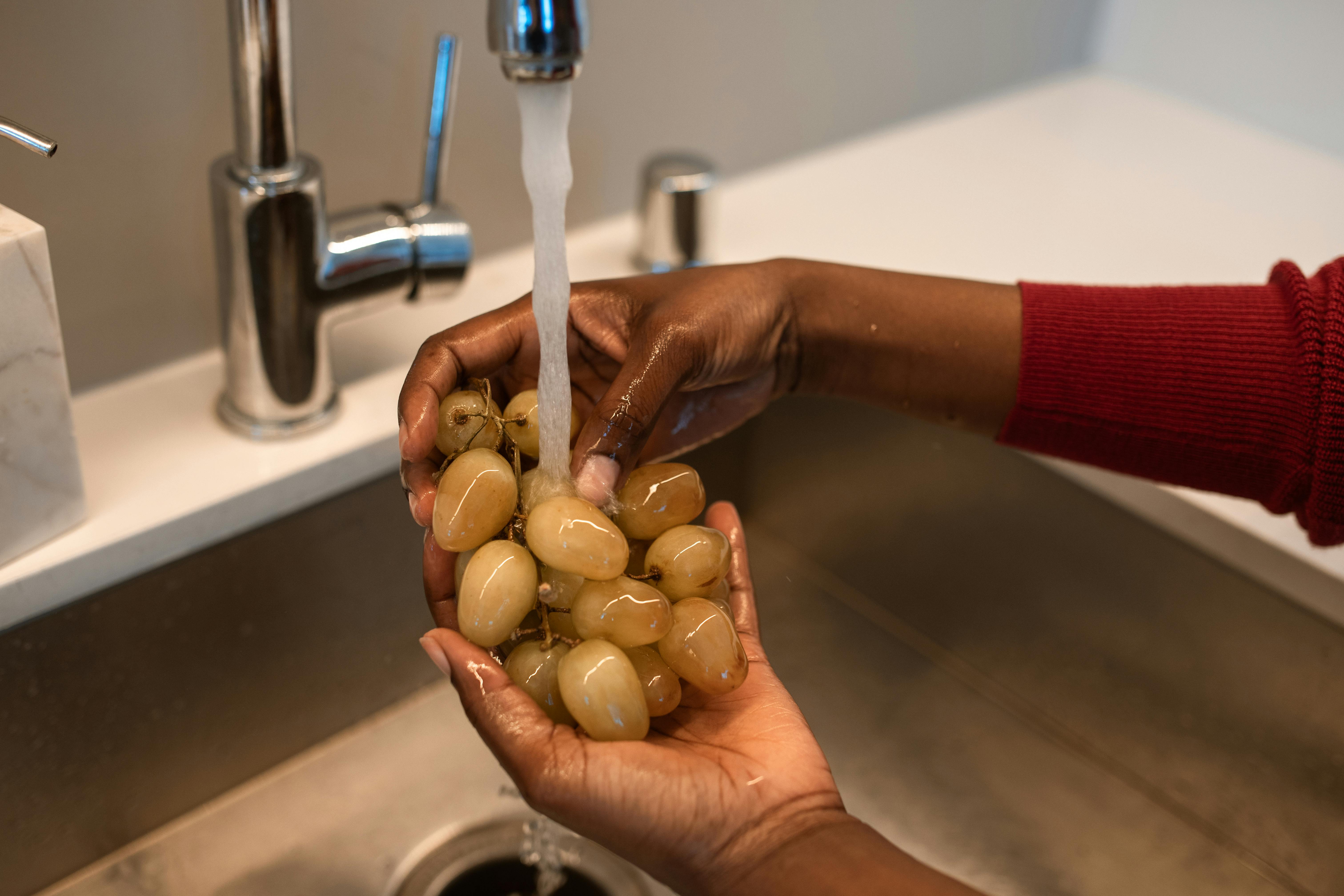
Washing produce reduces risk, but it does not sterilize food. Running water helps remove dirt, some bacteria, and a portion of surface pesticide residues, yet it cannot reliably eliminate all pathogens. If produce was contaminated internally while growing, no sink method can fully correct that, which is one reason outbreaks linked to greens and sprouts can still occur.
This matters because people often expect too much from homemade produce baths. Baking soda solutions have shown some usefulness on certain surface residues in lab settings, and a widely discussed study found they could help remove some pesticides from apples over time. But real kitchens are not laboratories, and long soaking can alter texture, flavor, and freshness.
Peeling can reduce additional residues and contamination on some items, but it also removes fiber and nutrients concentrated near the skin. The smarter choice is not to fear produce, but to wash it correctly and eat a wide variety of it. Public health experts consistently agree that the benefits of fruits and vegetables far outweigh the manageable risks.
Timing, storage, and the mistakes that shorten freshness

One of the biggest freshness mistakes is washing everything the moment you get home. While it sounds efficient, pre-washing can leave lingering moisture that speeds mold growth and breakdown, especially on berries, greens, and herbs. For those foods, it is usually better to wash right before use unless you dry them extremely well and store them with airflow.
Storage also affects safety after washing. Keep washed produce away from raw meat, poultry, seafood, and their juices in the refrigerator. Use separate drawers or containers when possible, and remember that reusable produce bags, bins, and crisper drawers need regular cleaning too, since trapped moisture and debris can transfer odors and microbes.
Temperature matters more than many people realize. Refrigerate perishable produce promptly, but store whole tomatoes, bananas, onions, and some tropical fruits according to their best texture needs. Good washing cannot compensate for poor storage, and poor storage can undo your efforts by increasing spoilage, sliminess, or off flavors within just a few days.
A simple produce-washing routine you can use every day

The best routine is easy enough to repeat without thinking. Start by washing your hands and cleaning the sink area or tools you will use. Rinse produce under cool running water, rubbing firm items and separating leafy layers as needed. Use a brush only for sturdy skins, and skip soap, bleach, and heavily scented produce washes.
Then dry what you washed with a clean towel or spinner if the item benefits from it. Wash delicate produce right before serving, and scrub melons, potatoes, and similar items before cutting. If something looks damaged, moldy, or unusually slimy, discard it rather than trying to wash the problem away.
This approach is not fancy, but it is the one food safety professionals return to again and again. It reduces dirt, lowers surface contamination, preserves quality, and avoids unnecessary chemicals. In other words, the smartest produce-washing method is not more complicated. It is more consistent, more informed, and much closer to plain running water than most people think.




Leave a Reply