
Strawberries can be gorgeous and still taste disappointing. The easiest fix is not exotic at all, and it can make average berries taste remarkably better in minutes.
The easy trick is macerating them with sugar
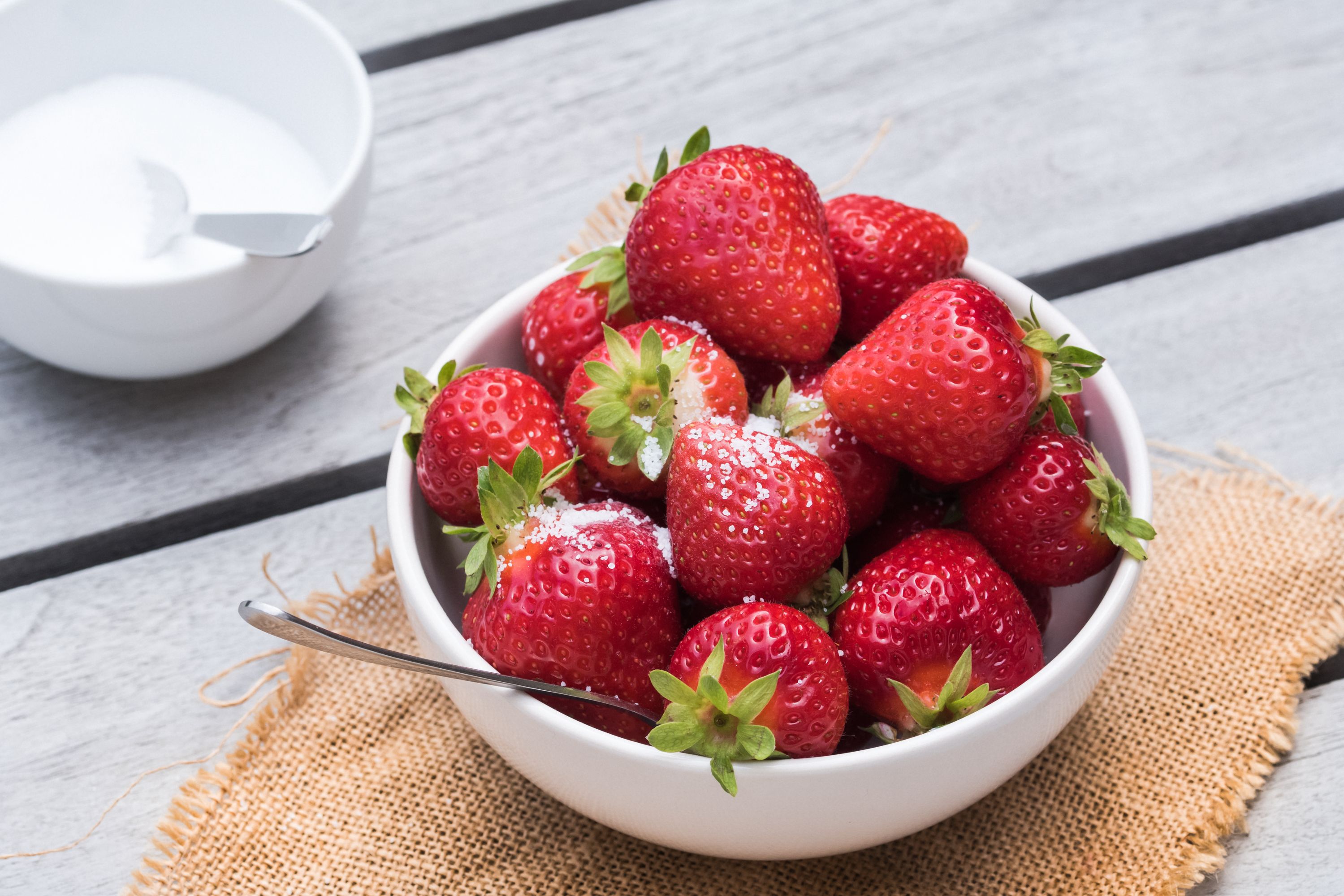
The best strawberries hardly need help, but many store-bought berries are picked early for shipping and shelf life. That often leaves them firm, watery, or less aromatic than peak-season fruit.
A light sprinkle of sugar changes that quickly. This technique is called maceration, and it simply means tossing cut strawberries with sugar and letting them rest so their juices begin to flow.
As the fruit sits, sugar pulls moisture from the berries through osmosis. That released liquid combines with dissolved sugar to create a glossy syrup, while the fruit itself becomes softer, juicier, and more intensely flavored.
Professional bakers and pastry cooks use this method constantly because it improves not only sweetness but also texture and aroma. It is especially useful when berries are decent but not exceptional, which is exactly how many supermarket strawberries arrive.
Why sugar makes strawberries taste more like themselves
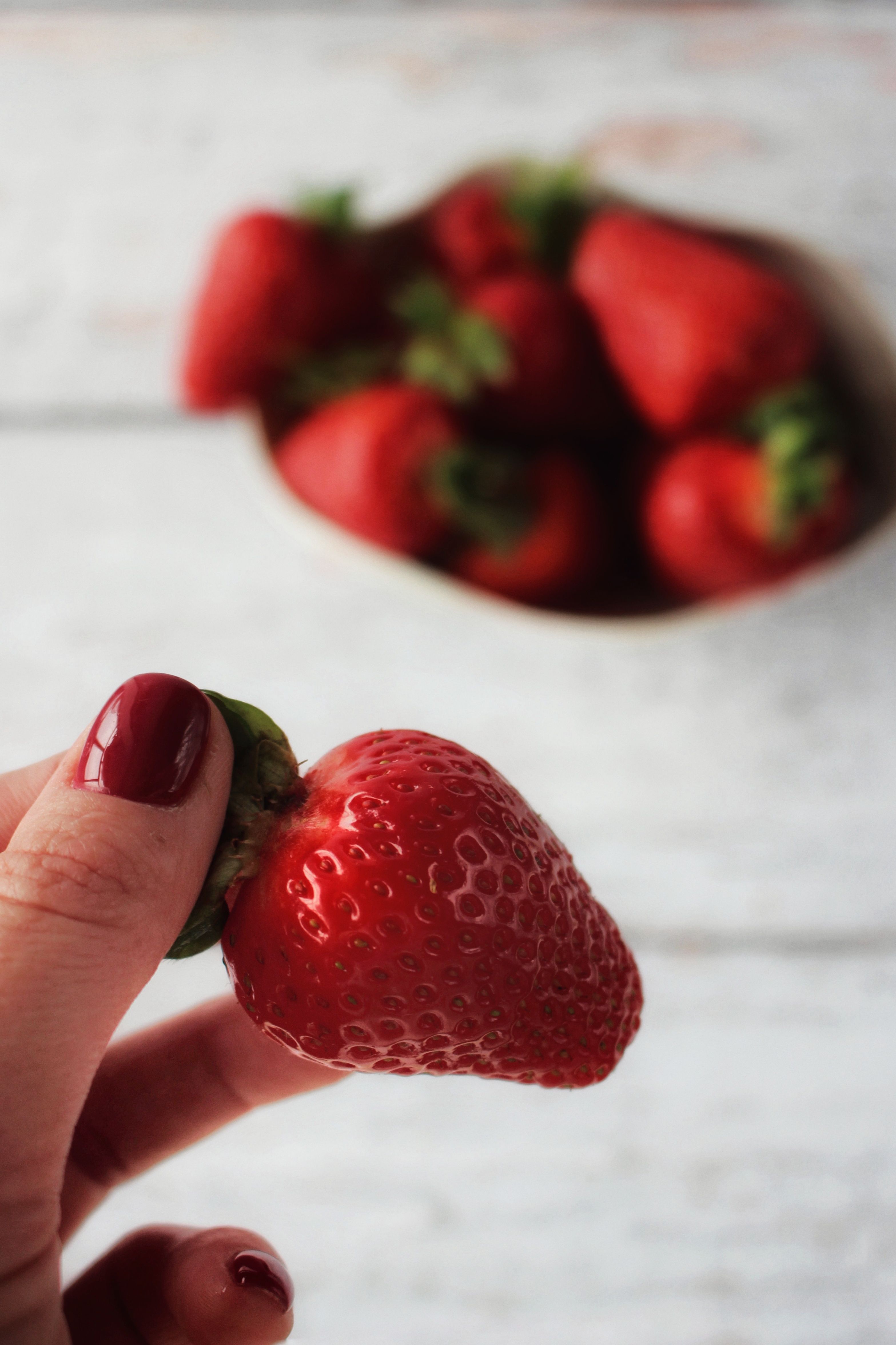
The goal is not to bury strawberries under sweetness. Used correctly, sugar amplifies flavor by balancing tartness and encouraging the natural strawberry aroma compounds to become more noticeable on the palate and through the nose.
Strawberries contain volatile compounds that shape their signature scent and taste. Food scientists have long noted that sweetness and aroma are deeply linked in how people perceive fruit flavor, so a small amount of sugar can make berries taste more complete.
Texture matters too. A dry, mealy strawberry often reads as bland even when its sugar level is reasonable. Maceration softens the flesh slightly and creates juice, which makes every bite feel riper and more satisfying.
This is why the trick works so well on out-of-season fruit. You are not creating flavor from nothing, but you are helping the berries express more of what is already there while smoothing over harsh tart notes.
How to do it without overdoing it

Start with washed, dried, and hulled strawberries. Slice or quarter them so the sugar can contact more surface area, then add about 1 to 2 teaspoons of sugar per cup of fruit, depending on how tart the berries taste.
Toss gently and let the bowl stand for 15 to 30 minutes. If the berries are very firm, they may benefit from closer to 30 minutes, while softer ripe fruit often needs much less time.
Taste after the first rest. If the fruit is still sharp, add a little more sugar, but do so gradually. You can always add more sweetness, yet once berries collapse into syrupy softness, the fresh texture is difficult to recover.
A pinch of salt can also help. It sounds unusual, but tiny amounts can sharpen sweetness perception and round out flavor, a trick many cooks use in fruit desserts just as they do in chocolate or caramel.
The berries that benefit most from this method
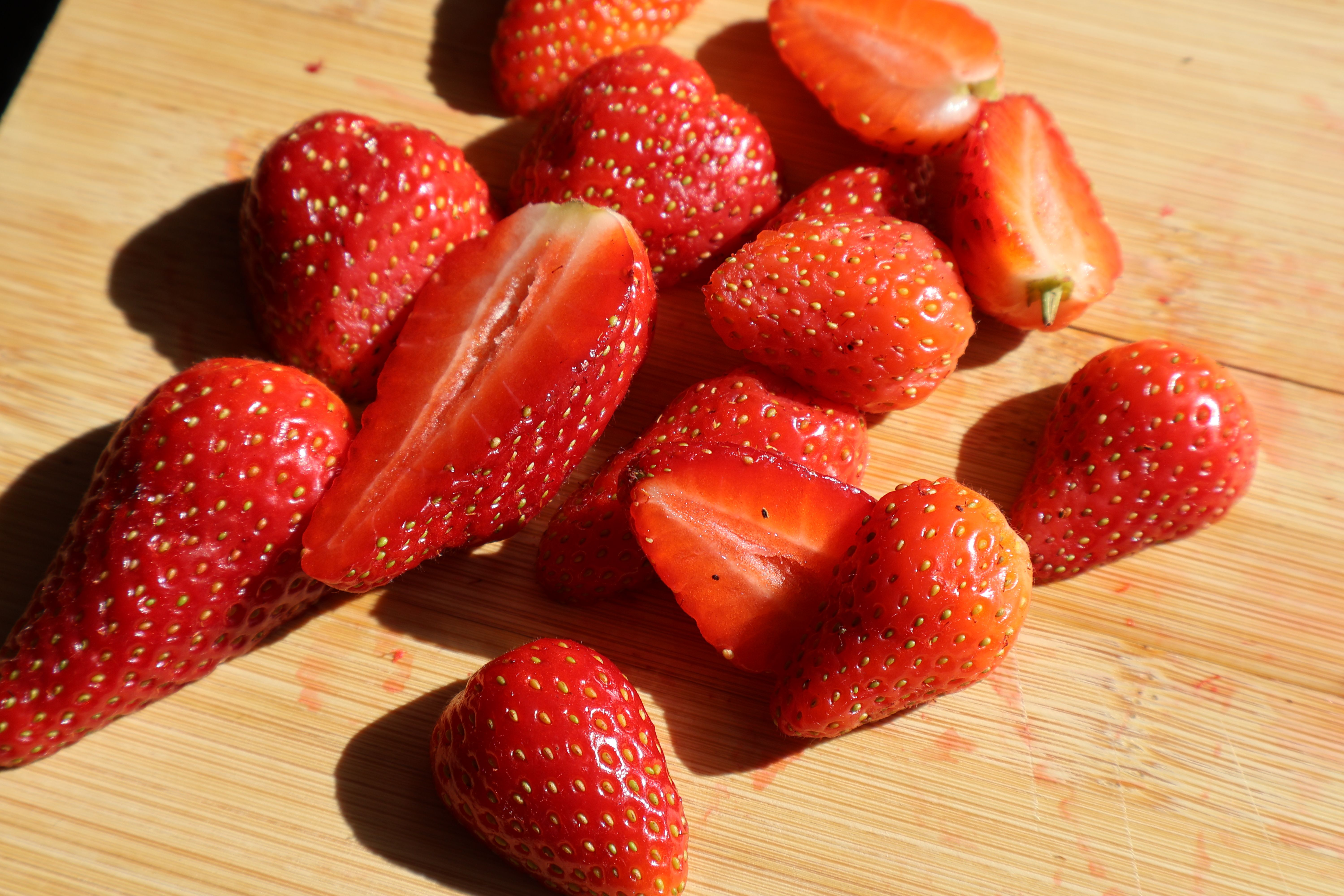
Not every strawberry should be treated the same way. Farmers market berries picked at peak ripeness may already be fragrant, tender, and sweet enough to eat plain, especially during local growing season.
The real winners are berries that look bright but taste flat. This often happens in winter or early spring, when fruit has traveled long distances and been bred for durability more than delicate flavor.
Larger berries also tend to benefit more than smaller, deeply red berries, though that is not a strict rule. Pale shoulders near the stem and a crisp, almost crunchy bite are often clues that maceration will help.
This trick is also excellent for fruit that is one day away from becoming too soft for snacking. Instead of letting those berries fade in the refrigerator, macerate them and spoon them over breakfast or dessert.
Best ways to use macerated strawberries

Once the berries release their juices, they become more versatile. The syrup is packed with color and flavor, which makes it valuable far beyond a simple bowl of fruit.
Spoon them over yogurt, oatmeal, pancakes, waffles, or French toast. They also pair beautifully with pound cake, angel food cake, shortcake, cheesecake, and vanilla ice cream, where the juices soak into every layer.
For a fresher finish, add a little lemon zest, a splash of orange juice, or a few torn mint leaves after macerating. Balsamic vinegar is another classic addition because its acidity deepens the berry flavor without overwhelming it.
You can even fold macerated strawberries into whipped cream or layer them into parfaits. In many restaurant desserts, that glossy berry syrup is exactly what gives the plate a polished, generous, fruit-forward look.
The common mistakes that ruin the result

The biggest mistake is using too much sugar. If the berries end up tasting candied rather than bright, you have masked their flavor instead of improving it, and the syrup can become cloying.
Another problem is letting them sit too long. After an hour or more, especially with ripe fruit, strawberries can lose their structure and turn limp. That may be fine for a topping, but not if you want distinct pieces.
Cold dulls flavor as well. If strawberries have been refrigerated, let them sit at room temperature for a short time before tasting, because fruit aromas become more expressive when they are not ice-cold.
Finally, do not expect this trick to rescue spoiled berries. Bruised, moldy, or sour-smelling fruit should be discarded. Maceration is a smart flavor boost for mediocre strawberries, but it cannot fix berries that are already past their prime.




Leave a Reply