
Montreal-style bagels look humble, but they are one of the most distinctive breads in North America. Once you understand what makes them different, they become surprisingly doable at home.
What makes a Montreal-style bagel different
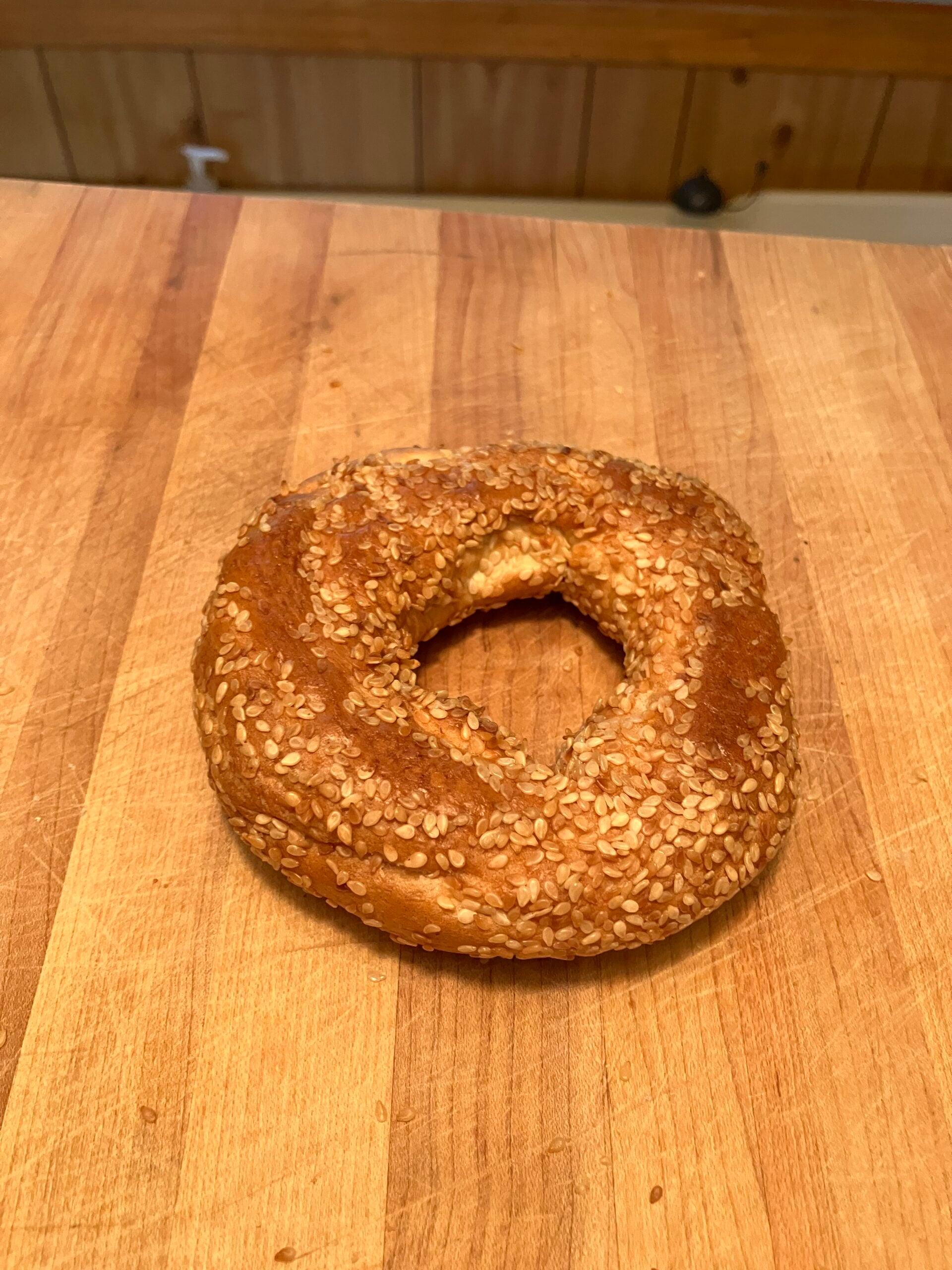
The first surprise is that a Montreal bagel is not just a smaller New York bagel. It is thinner, denser, slightly sweeter, and built around a bigger center hole that helps it bake fast and evenly.
Traditional versions are hand-rolled, boiled in honey-sweetened water, then baked at high heat until the crust turns deeply golden. The dough usually includes malt, sugar, egg, and very little salt, which creates a richer color and a faint sweetness without tasting like dessert.
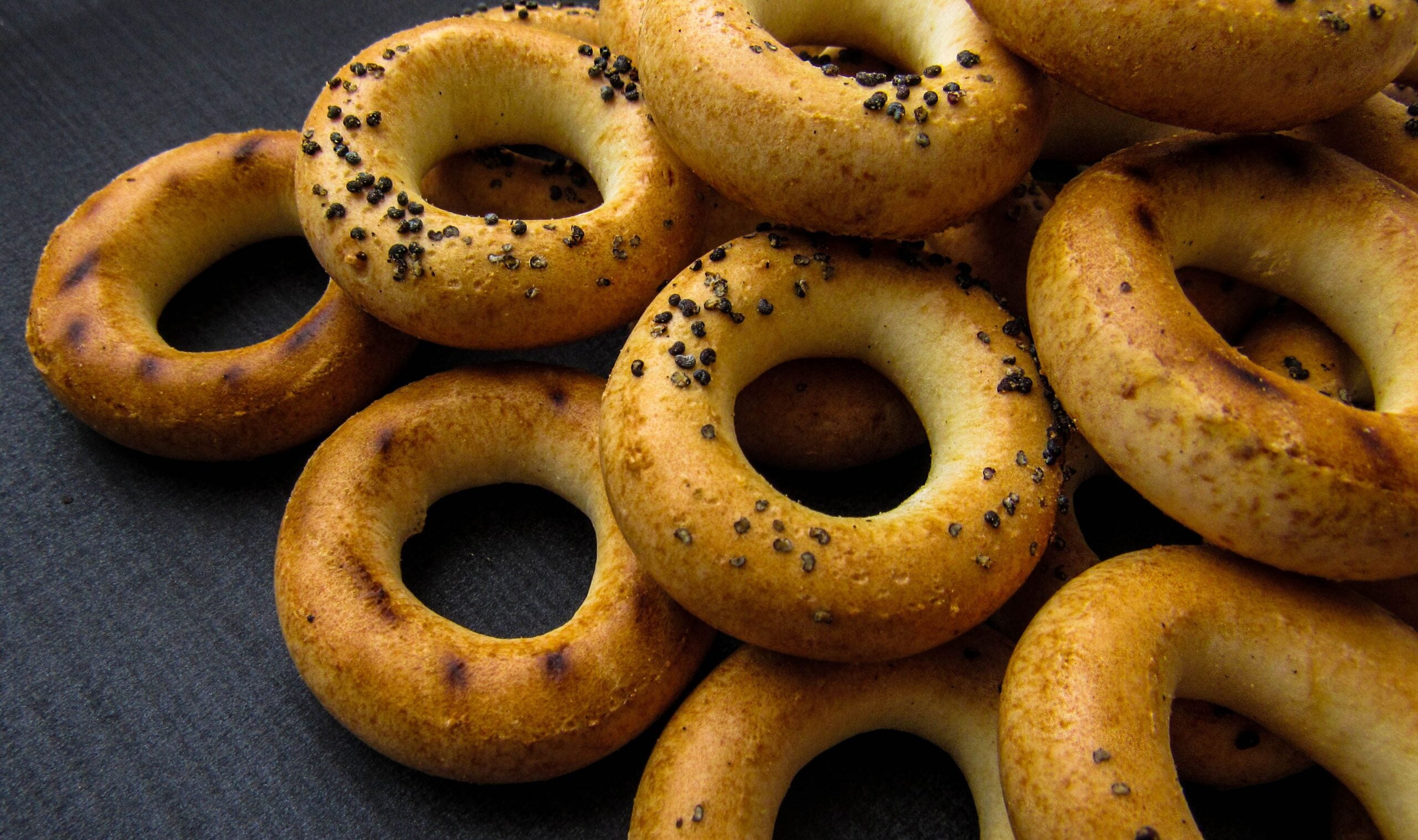
Another defining trait is texture. A proper Montreal-style bagel has a firm chew, a glossy shell, and a lightly blistered surface, often covered in sesame or poppy seeds. In Montreal bakeries, wood-fired ovens add char and aroma, but a home oven can still produce excellent results with good heat management.
The dough formula that gives the right chew
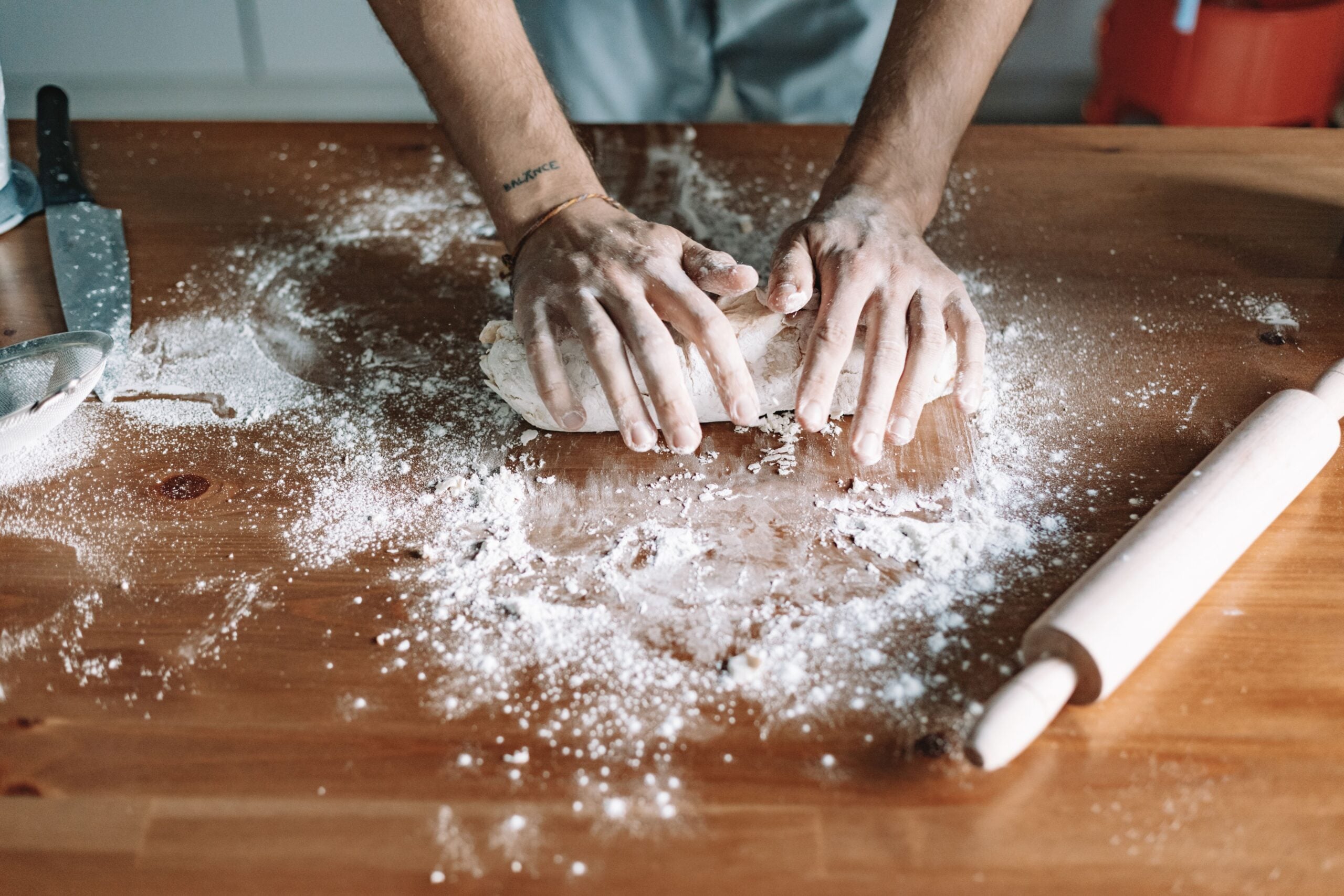
Everything starts with a relatively stiff dough. If the dough is too wet, the bagels puff too much and lose that compact, tight crumb that Montreal-style bagels are known for.
Bread flour is the safest choice because its higher protein supports chew. A strong home formula often uses flour, water, instant yeast, egg, oil, sugar or malt, and salt, with hydration kept lower than many lean breads. That lower hydration makes shaping slightly firmer, but it pays off in structure.
Mix until the dough is smooth and elastic, then give it enough kneading to build strength. This style does not rely on an airy, open interior. It relies on a disciplined dough that can survive boiling and intense baking while still staying pleasantly dense instead of heavy.
Shaping by hand is part of the signature
Here is where the character really shows up. Montreal-style bagels are usually not made by poking a hole through a round ball. They are formed by rolling a rope and wrapping it around the hand, then sealing the ends.
That method creates a more even ring and the classic large center opening. It also helps the bagel bake with the right balance of crust and crumb. If the hole looks too big before proofing, that is often fine, because it will shrink as the dough rests and bakes.
Keep the pieces modest in size. Many traditional Montreal bagels are lighter than standard deli bagels, which is one reason they feel pleasantly snackable. Uniform shaping matters because even a small difference in thickness changes how quickly each bagel boils, colors, and finishes in the oven.
Why the honey bath matters so much
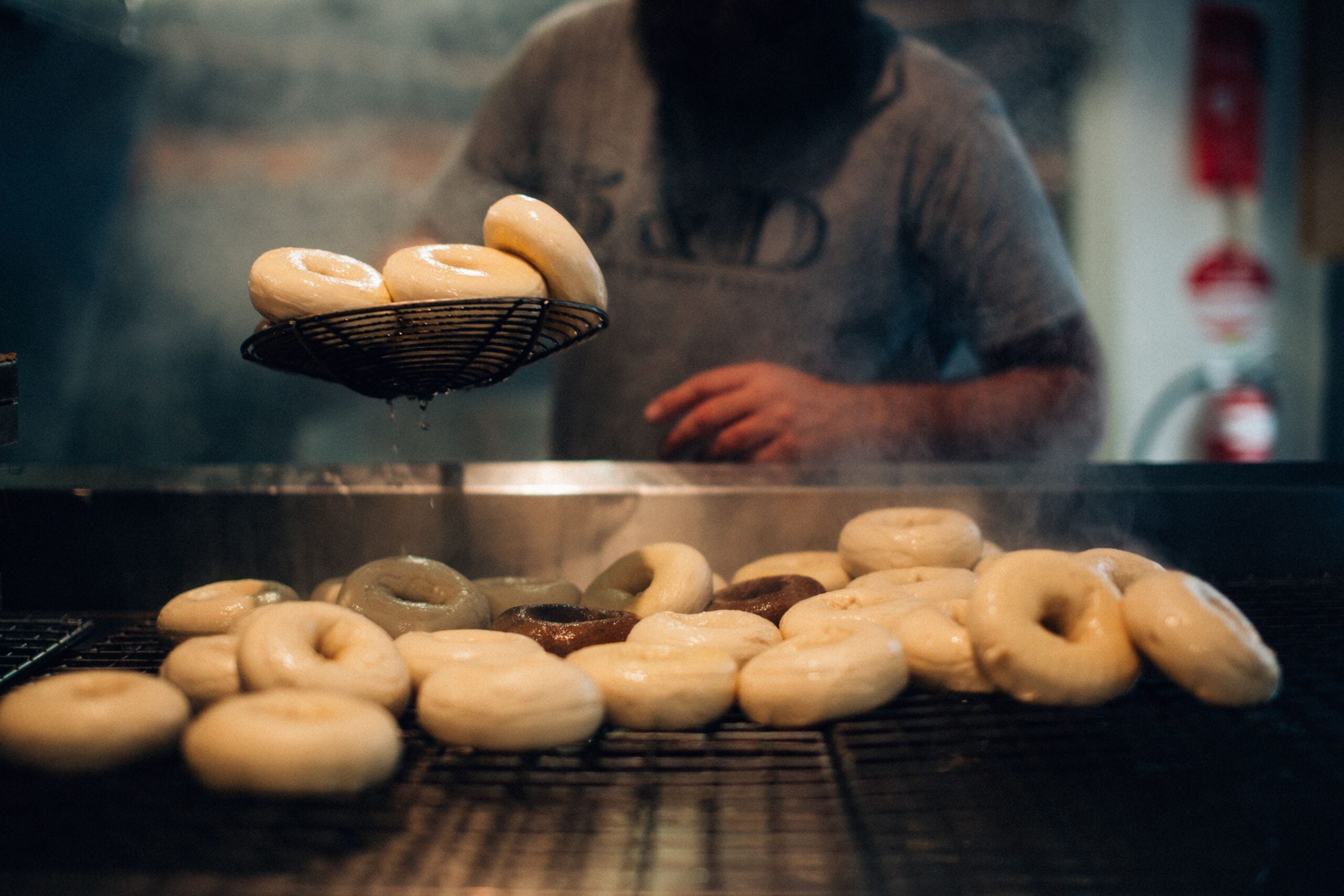
The boiling step is not decorative. It is one of the core techniques that defines both texture and flavor. A brief simmer sets the outer layer, helping create that shiny, resilient crust once the bagels hit high heat.
Montreal-style bagels are often boiled in water sweetened with honey, and that sweetness does more than perfume the kitchen. It encourages browning and gives the crust a subtle caramel note that distinguishes it from plainer boiled breads. Some bakers also use malt syrup in the dough for added depth.
Boil only briefly, usually around 30-60 seconds total, because overboiling can make the crust too thick. After boiling, transfer the bagels directly into seeds while the surface is tacky. That quick move helps sesame or poppy seeds cling generously, which is exactly what you want.
Baking for color, blistering, and a glossy crust
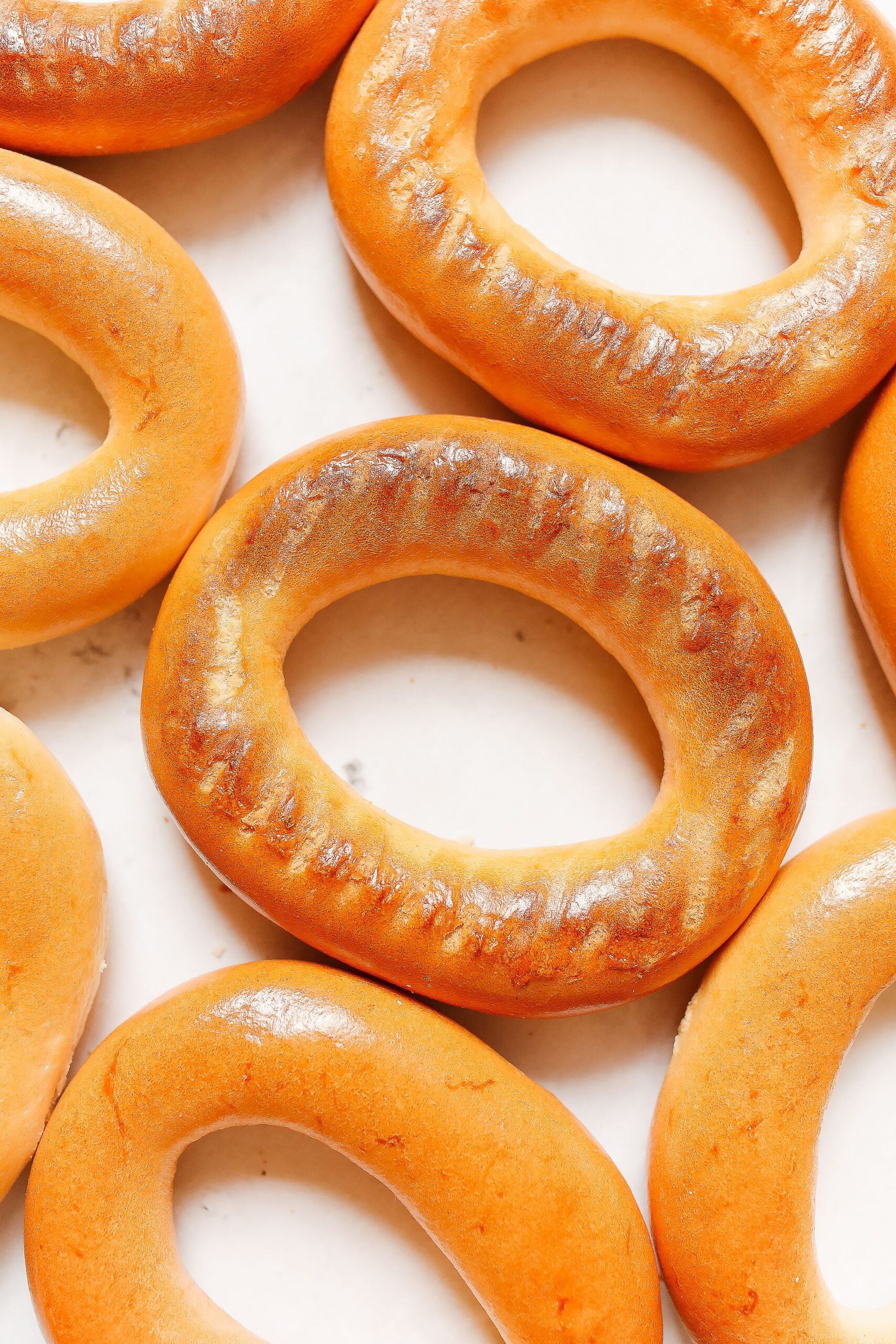
A hot oven is essential. While few home kitchens have wood-fired ovens, you can still mimic some of that intensity by fully preheating a baking stone or steel and giving the oven plenty of time to saturate with heat.
Bake at a high temperature so the crust sets quickly and browns deeply. Turning the bagels once during baking can help with even color, especially if your oven has hot spots. The goal is a lacquered exterior with dark golden patches, not a pale, breadlike finish.
If you want a closer bakery effect, bake one test bagel first and adjust from there. If it spreads too much, tighten the dough or shorten the proof. If it stays blond, extend the bake slightly or raise the heat. Good bagels are usually the result of small corrections, not dramatic changes.
Common mistakes and how to get better fast
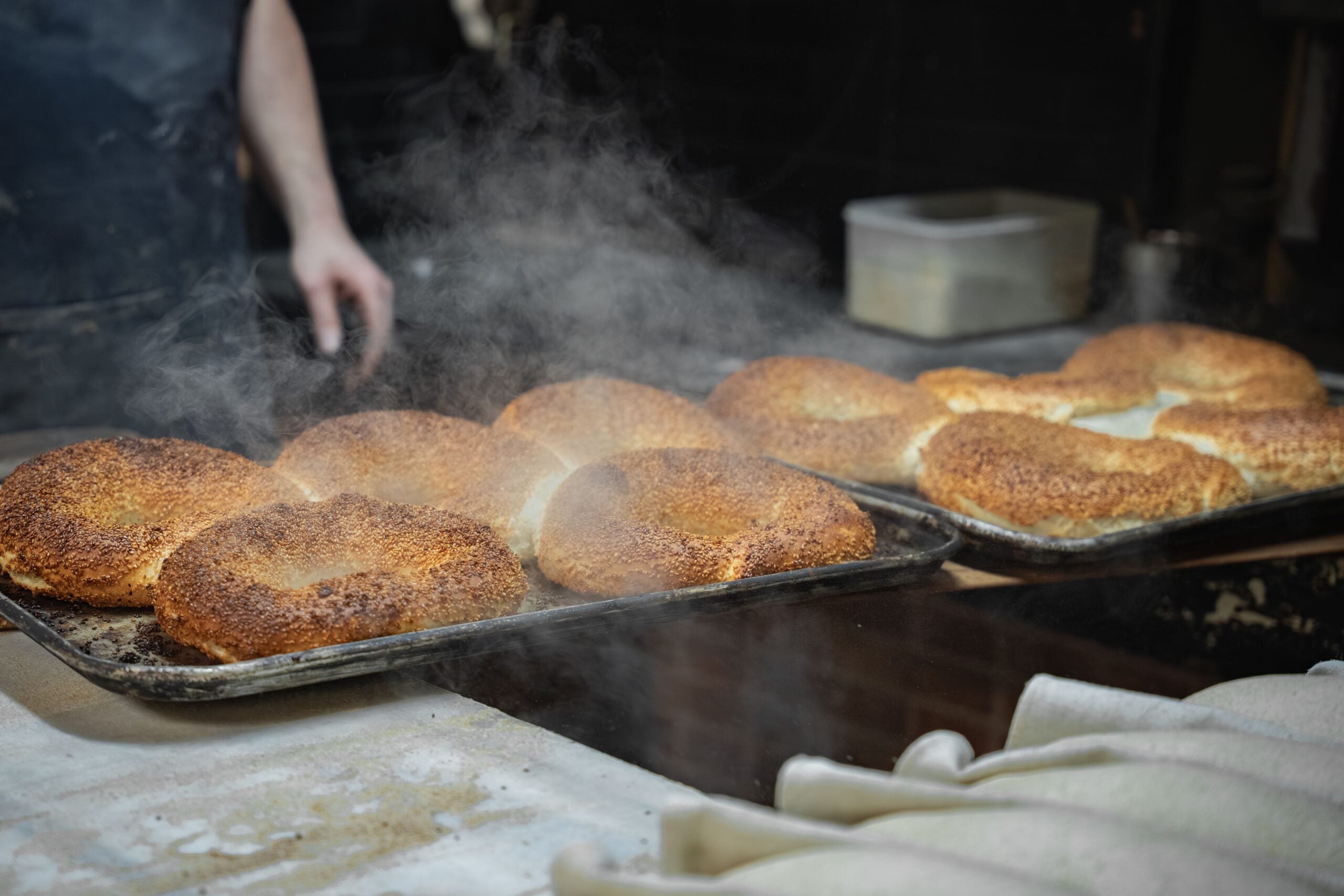
The biggest home mistake is treating these like standard bagels or dinner rolls. Overproofing makes them puffy, soft, and bready, which moves them away from the compact chew that makes Montreal-style bagels so recognizable.
Another common issue is underheating the oven or skipping the stone or steel. Without strong bottom heat, the crust lacks snap and color. Weak shaping can also cause seams to split, so press the ends together firmly and let the dough rest only as much as needed.
Improvement comes quickly because each batch teaches something visible. You can judge size, color, blistering, and crumb almost immediately. Once you dial in dough stiffness, shaping tension, boil time, and oven heat, making excellent Montreal-style bagels at home becomes less of a project and more of a dependable routine.


Leave a Reply