
Dunkin' says it will return to Canada in late 2026, reviving a brand that once had a much larger footprint in the country. The comeback sets up a real test: can a U.S. coffee and doughnut chain win over Canadian customers in a market where habits are already deeply set?
A brand Canada has seen before
This is not Dunkin's first try north of the border. The chain operated in Canada for years and, according to reporting by The Canadian Press, once had about 210 stores in the country before that presence faded.
By 2018, CBC reported that only one Dunkin' Donuts location remained in Canada, in Montreal. That long retreat matters because it means the 2026 launch is not a simple expansion story. It is a reintroduction to a market that remembers the brand, but not necessarily as a current part of everyday life.
For some customers, that history may create nostalgia. For others, it may raise a practical question about what will be different this time.
Tim Hortons is the obvious benchmark
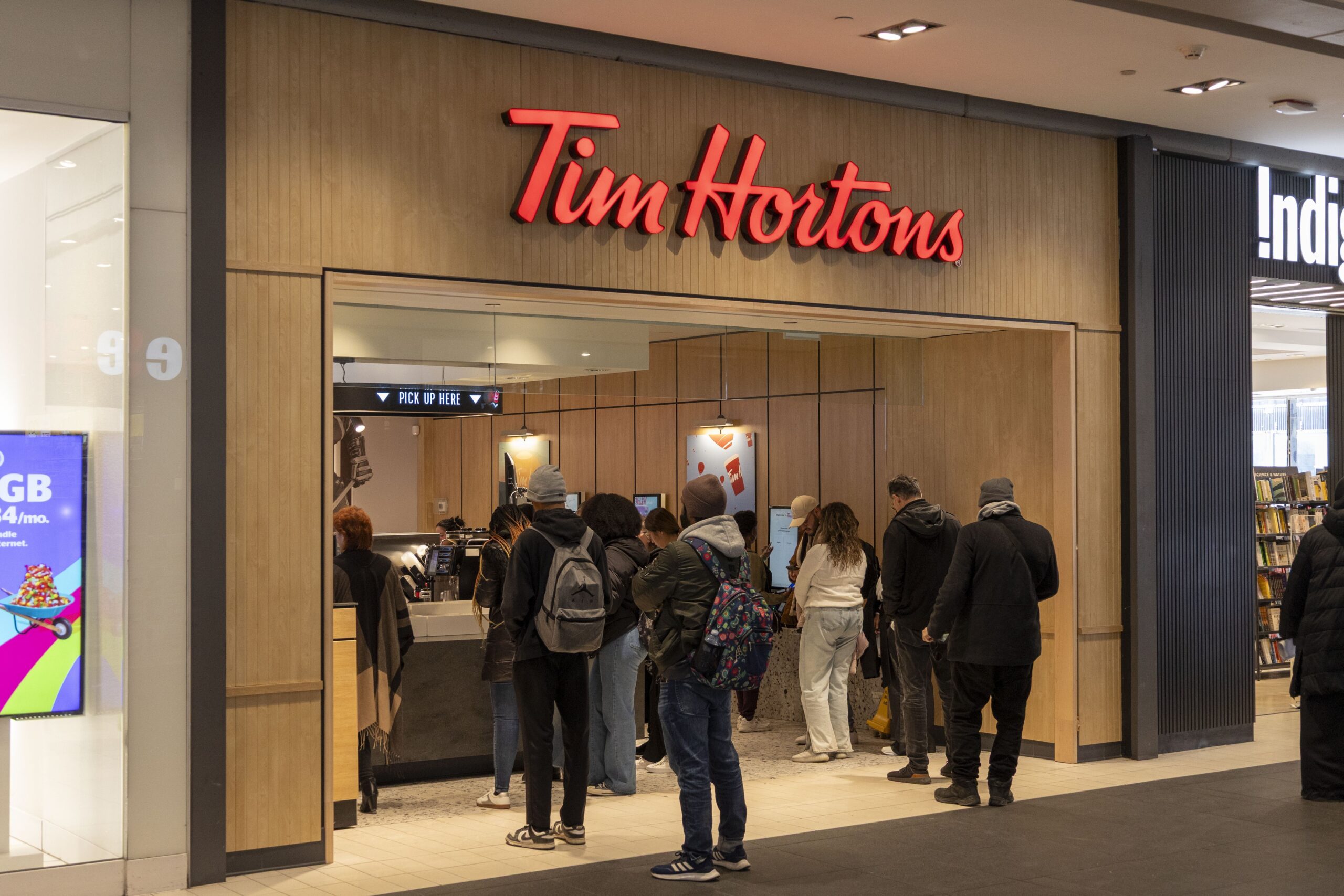
Any coffee chain entering Canada faces one giant comparison: Tim Hortons. Restaurant Brands International says Tim Hortons had more than 4,000 restaurants in Canada in recent company reporting, giving it a scale Dunkin' will not match at launch.
That matters because coffee runs are often about convenience, not just taste. A familiar chain with thousands of locations has an edge in morning routines, highway stops and neighborhood habits.
Dunkin' will need to offer more than a recognizable name. If its new Canadian stores are hard to find, or if the menu does not stand out, the sheer reach of Tim Hortons could limit how quickly Dunkin' becomes part of daily life.
Coffee habits leave room for a niche
A crowded market does not always mean a closed market. Canada has a strong coffee culture, and that can create room for another player, especially one with a clear identity around both coffee and doughnuts.
Dunkin' has spent years in the U.S. emphasizing beverages, especially iced drinks, espresso-based options and seasonal flavors. That could help it appeal to younger customers and people looking for a menu that feels a bit different from standard brewed coffee and a plain doughnut.
The key is that a niche is not the same as mass appeal. Dunkin' does not need to replace Canada's existing favorite to succeed, but it does need a reason for people to make a separate stop.
Menu localization could decide the response
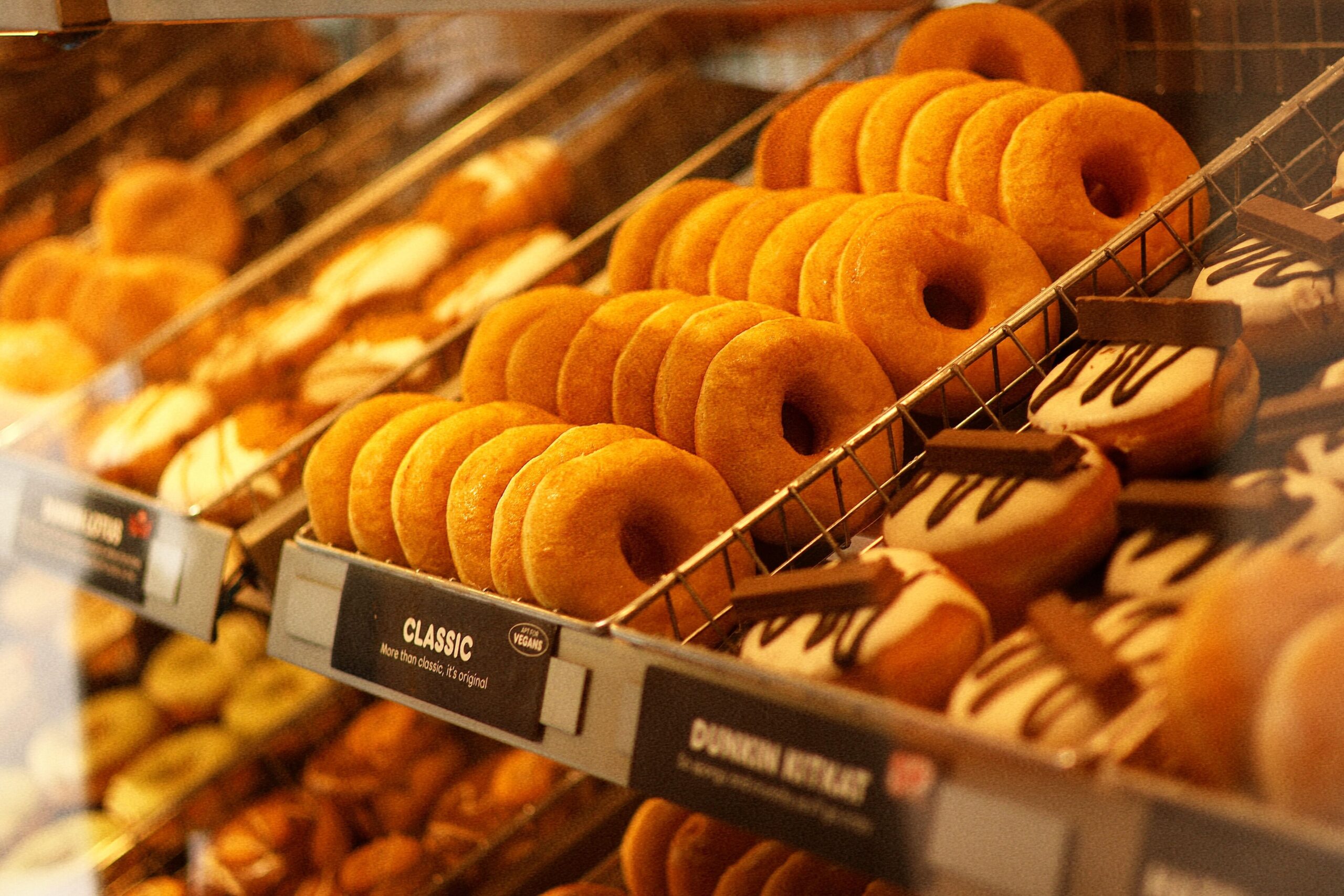
Food chains often succeed in new or returning markets when they adapt instead of copying and pasting. For Dunkin', that could mean balancing its familiar core items with menu choices that fit Canadian tastes and routines.
The company has not publicly detailed its full Canadian menu for the late 2026 return. That leaves open an important question: will it lean on classic doughnuts and hot coffee, or push harder on the drinks and breakfast items that have helped define the modern Dunkin' brand in the U.S.?
Pricing will matter too. In a value-conscious market, even a well-known name can struggle if customers see it as a novelty rather than an affordable habit.
The rollout itself will shape first impressions
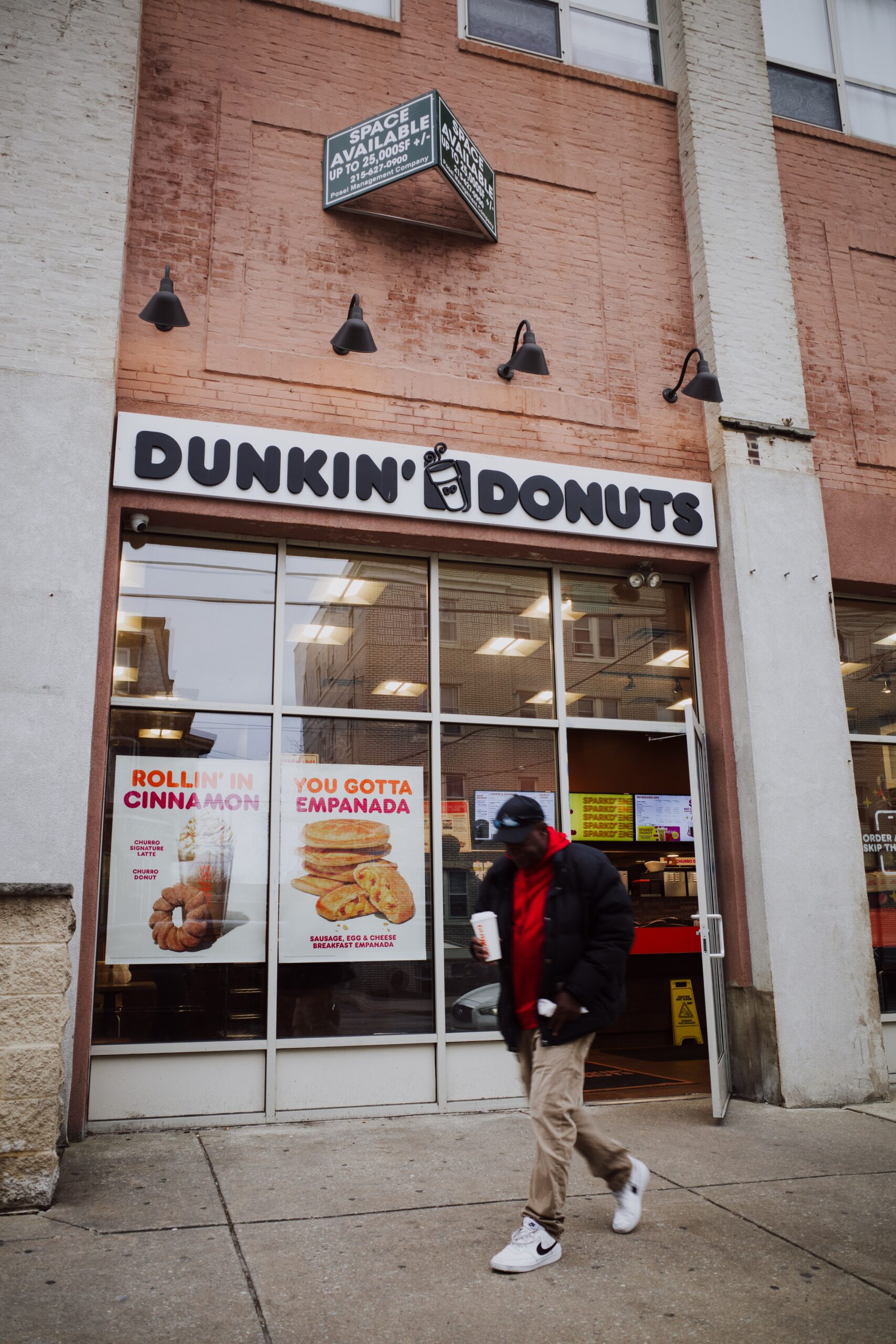
A comeback can feel exciting, but execution usually matters more than headlines. If Dunkin' opens in a small number of carefully chosen locations, it has a chance to build buzz and learn what works before expanding further.
On the other hand, a slow or uneven rollout can make it harder to build momentum. Customers may hear about the return long before they can actually try it, and that gap can cool early interest.
First impressions will likely hinge on basics: speed, consistency, store locations and whether the drinks and food match expectations. In a mature market, people may give a returning brand one try, but not many second chances.
A welcome return is possible, but not guaranteed
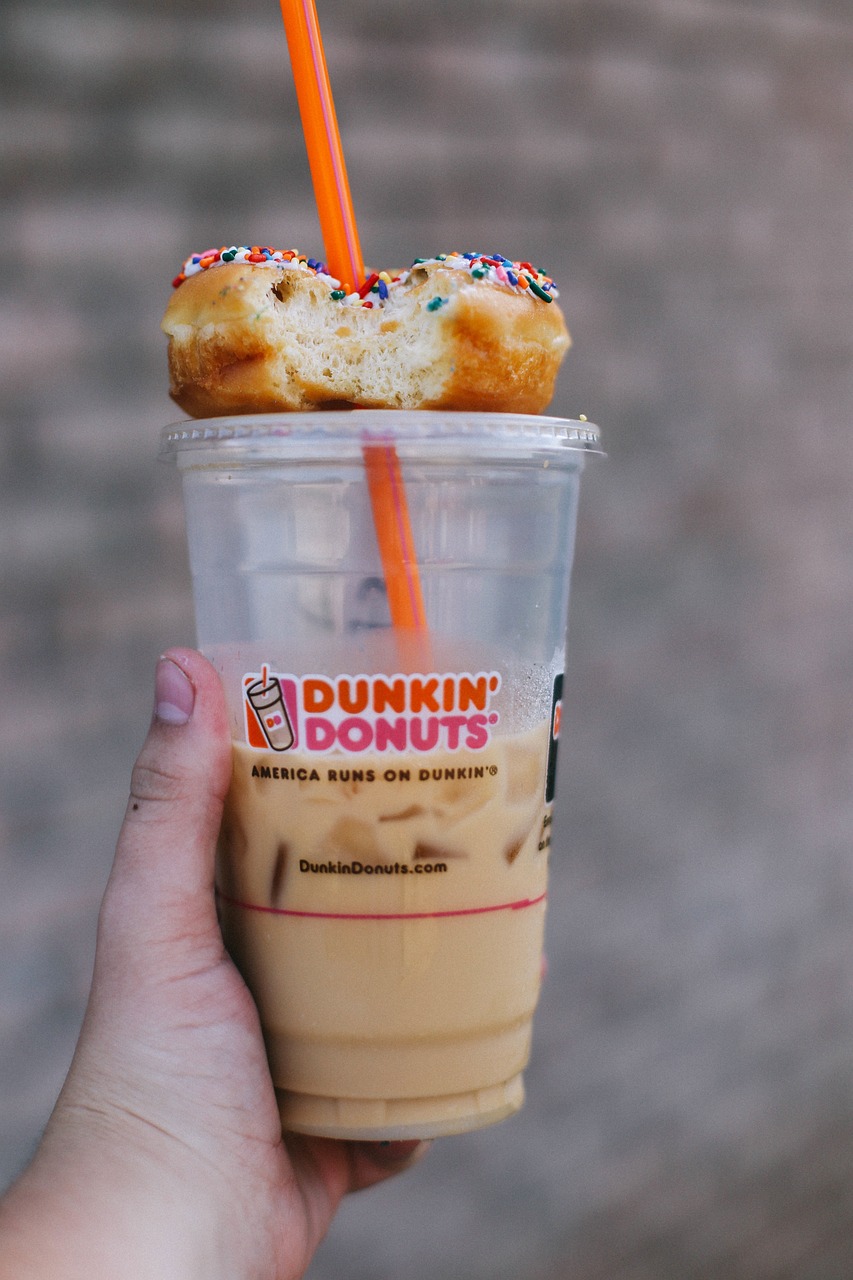
Canada is not an easy market for a coffee chain comeback, but it is not impossible either. Dunkin' arrives with name recognition, a clear specialty and a chance to tap into both nostalgia and curiosity.
Still, history suggests recognition alone will not be enough. To be embraced, Dunkin' will likely need a smart store strategy, competitive pricing and a menu that feels relevant to Canadian customers in 2026, not just familiar from years past.
That makes the real story less about the announcement and more about the follow-through. If Dunkin' learns from its earlier retreat, Canada may give it another shot.


Leave a Reply