
Some cravings feel strangely predictable. When stress hits, many people do not want just any food. They want the same few foods, again and again.
Your brain is built to favor fast comfort

The first clue is that stress pushes the brain into efficiency mode. Under pressure, the body releases cortisol and adrenaline, hormones designed to help you react quickly rather than think broadly. That shift makes the brain favor familiar rewards over careful decision-making. A 2024 review in appetite research found that acute stress often strengthens preference for highly palatable foods rich in sugar, fat, or refined carbohydrates.
This is why the usual trio often looks similar across households: something sweet, something salty, and something dense in calories. Ice cream, chips, pizza, cookies, fries, and chocolate keep appearing in stress-eating studies because they deliver rapid sensory reward. They are easy to imagine, easy to get, and easy for the brain to tag as relief.
Brain imaging research also shows that stress can weaken activity in regions linked to self-control while heightening response in reward circuits. In plain terms, the part of you that says "I should choose differently" gets quieter. The part that remembers pleasure gets louder.
Cortisol changes appetite in a very specific way
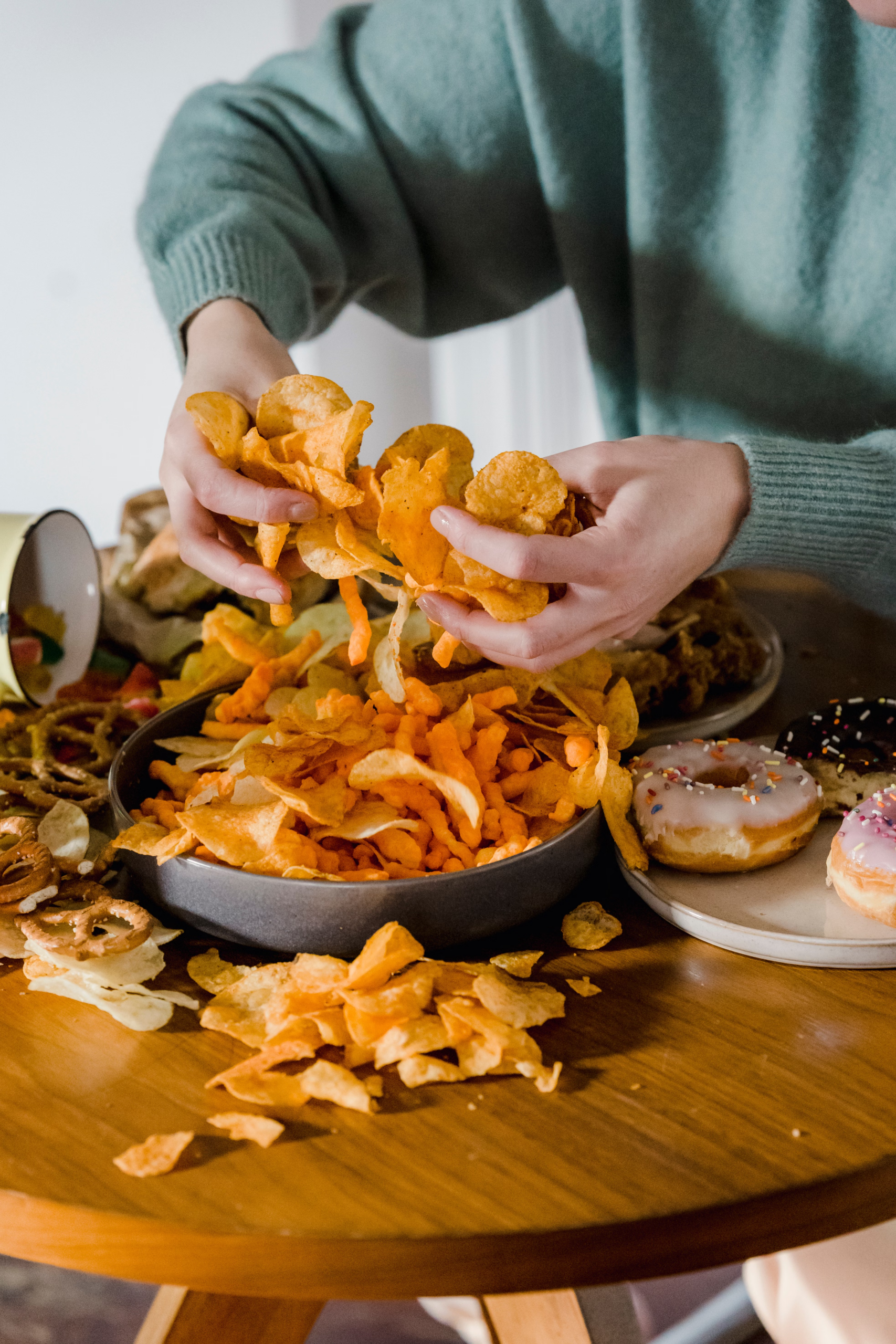
Here is where the biology gets more precise. Cortisol does not simply make people hungry. It often makes them hungry for energy-dense foods that can quickly raise blood sugar and produce a calming effect. Researchers have repeatedly found that people with higher stress responses are more likely to seek foods combining fat and sugar, a mix the brain experiences as especially rewarding.
That helps explain why three foods often dominate someone's stress menu. The body is not asking for random variety. It is searching for the fastest route to perceived safety, and calorie-rich comfort foods send that signal efficiently. The effect is stronger when stress lasts for days or weeks rather than a few tense minutes.
Chronic stress can also disturb sleep, and poor sleep changes hunger hormones such as ghrelin and leptin. When that happens, cravings intensify further, especially in the evening. So the craving may look emotional on the surface, but underneath it is often hormonal, neurological, and metabolic at the same time.
Memory teaches you which foods "work"

A different piece of the puzzle comes from learning and repetition. If you once ate macaroni and cheese, chocolate, or takeout after a hard day and felt even briefly soothed, your brain stores that pairing. Over time, stress itself becomes the cue, and the food becomes the expected answer. Neuroscientists call this a conditioned response.
This is one reason cravings are so personal even when they fall into common categories. One person reaches for cookies, another for fried chicken, another for cheesy pasta. The exact food varies, but the pattern is the same: the brain remembers what delivered comfort before and builds a shortcut back to it.
Real-world eating studies support this. People under recurring work or caregiving stress often report craving not just certain nutrients, but specific branded foods or meals connected to routine, nostalgia, or reward. In other words, you are not only craving calories. You may be craving familiarity, predictability, and emotional rehearsal.
The "same three foods" are usually engineered to hit all the right buttons
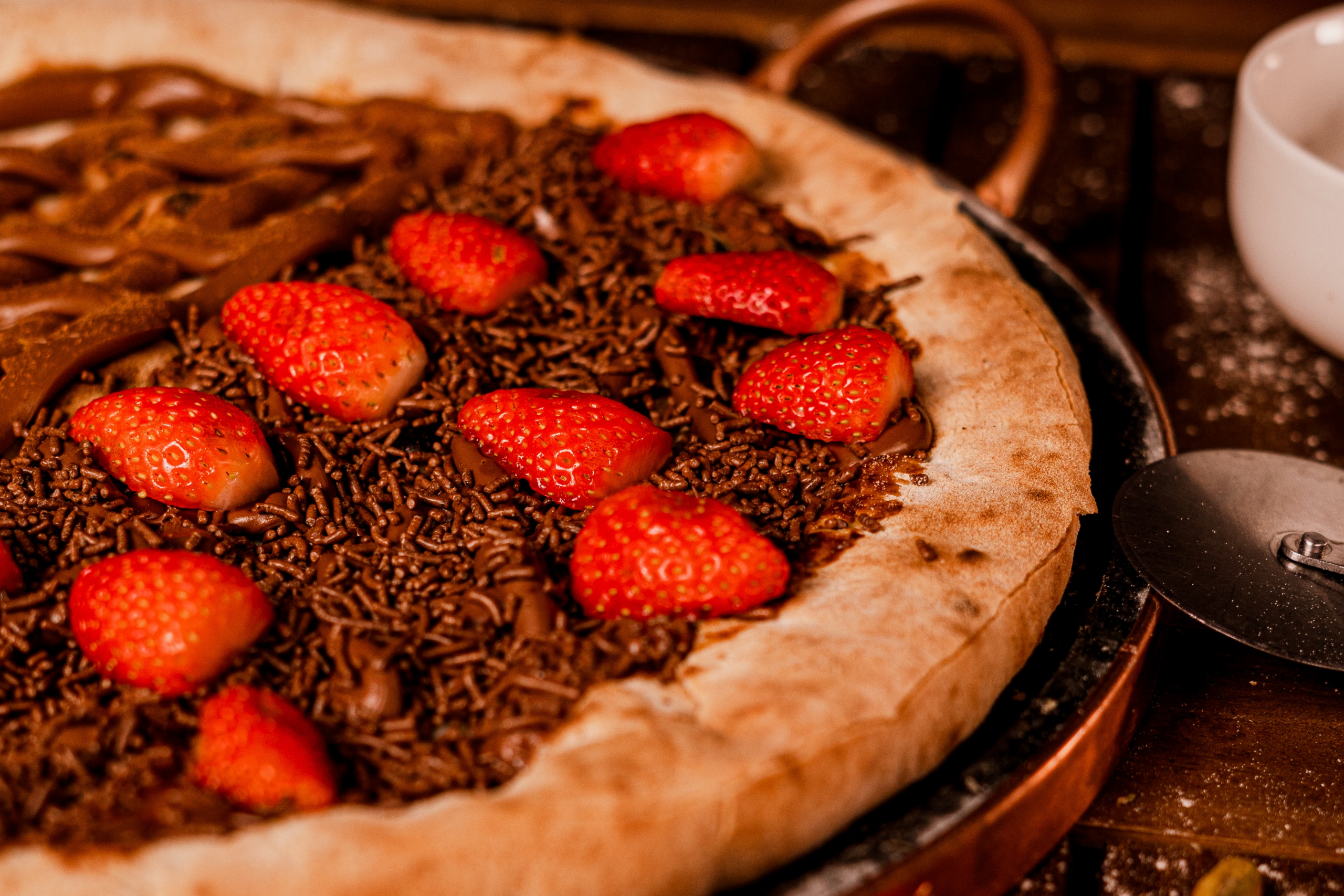
There is also a food-industry angle that matters. Many of the foods people crave under stress are designed to be hyper-palatable, meaning they combine salt, sugar, fat, and texture in ways that strongly stimulate reward pathways. Food scientists have known for years that these combinations encourage repeated eating by delivering quick pleasure with very little effort.
Think about the classic stress foods people describe most often. Potato chips offer crunch, salt, and rapid reward. Chocolate gives sweetness, fat, melt-in-the-mouth texture, and in some forms caffeine. Pizza combines refined crust, fat, salt, and often warm, comforting smells that trigger memory as much as hunger.
Because these foods are widely available, they become even more dominant in stress patterns. The brain tends to choose what is both rewarding and convenient. That is why people often crave the same three foods instead of a rotating list of twenty.
Blood sugar swings can lock the habit in place
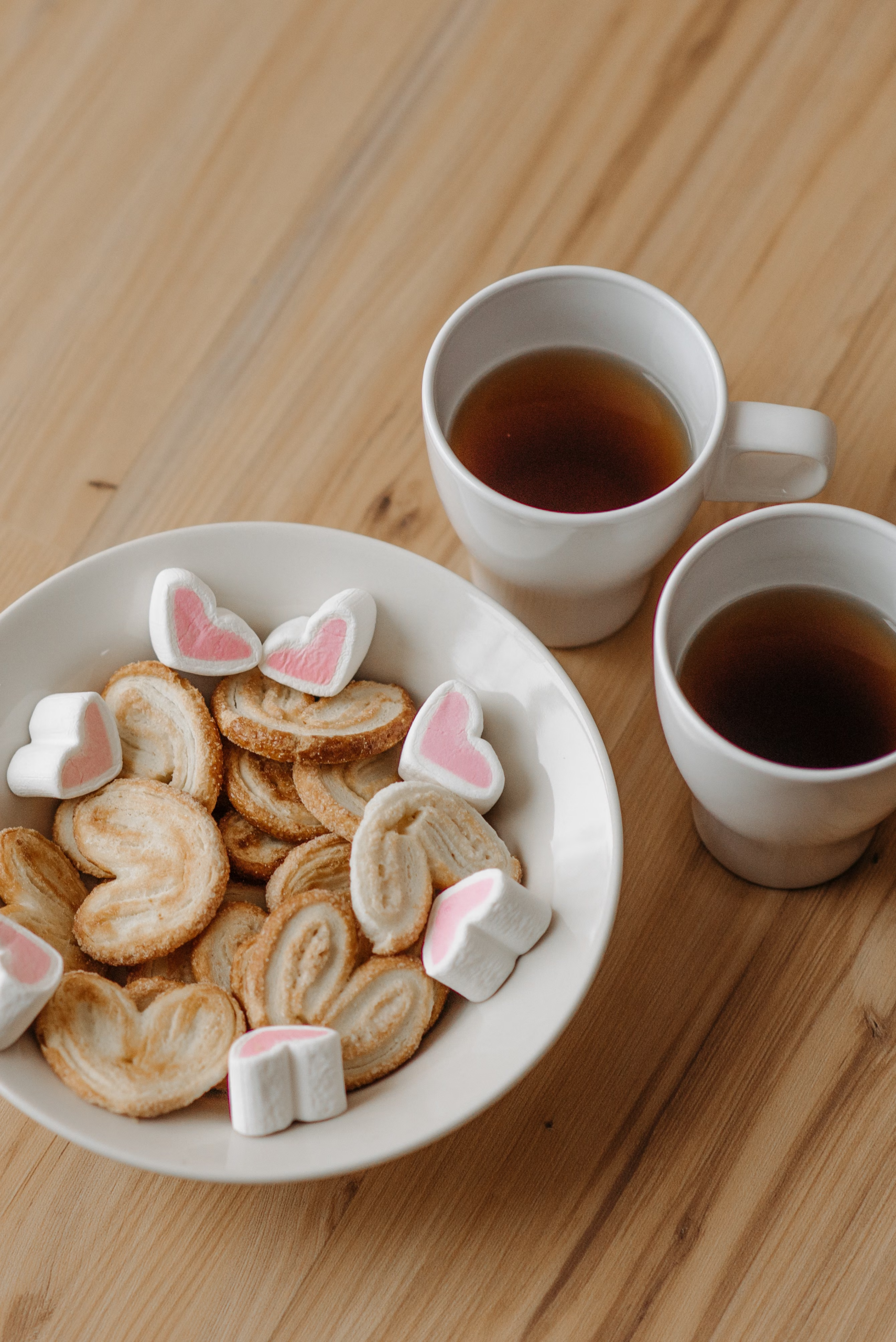
Another overlooked factor is blood sugar instability. When people are stressed, they often skip meals, drink more caffeine, sleep less, or eat at irregular times. That combination can lead to dips in energy that make quick-carbohydrate foods feel almost irresistible. What feels like a lack of willpower may actually be the body demanding rapid fuel.
Once a person eats a highly refined comfort food, blood sugar can rise sharply and then fall again. That crash may bring fatigue, irritability, and another craving soon after. The loop can be especially strong with sweet snacks, baked goods, or salty processed foods eaten alone rather than as part of a balanced meal.
Clinicians who work in nutrition and behavioral health often see this pattern in office workers, students, and new parents. Stress narrows food choices, irregular eating amplifies cravings, and repeated relief strengthens the cycle. The same three foods keep winning because the body and brain have learned to expect them together.
Science says the craving is real, but not unbeatable

The most useful takeaway is that these cravings are real signals, not moral failures. They reflect an interaction between stress hormones, reward learning, food design, and daily routine. Understanding that changes the question from "Why am I so weak?" to "What is my brain trying to solve right now?"
Studies in behavioral medicine suggest that the best response is not harsh restriction. People do better when they reduce the trigger load and create competing routines, such as eating regular protein-rich meals, improving sleep, taking short walks after stressful events, and keeping satisfying but less processed foods available. Even a brief pause before eating can weaken the automatic loop.
If you always want the same three foods when life feels heavy, that pattern makes scientific sense. Your brain is choosing familiar, fast-acting relief. Once you understand the system, you can start changing it without shame and with far better odds of success.




Leave a Reply