
In a culture built around speed, slow cooking is making a steady comeback. The appeal is not nostalgia alone, it is a practical response to busy schedules, rising food costs, and a growing desire for meals that feel grounding as well as convenient.
Set it and step away
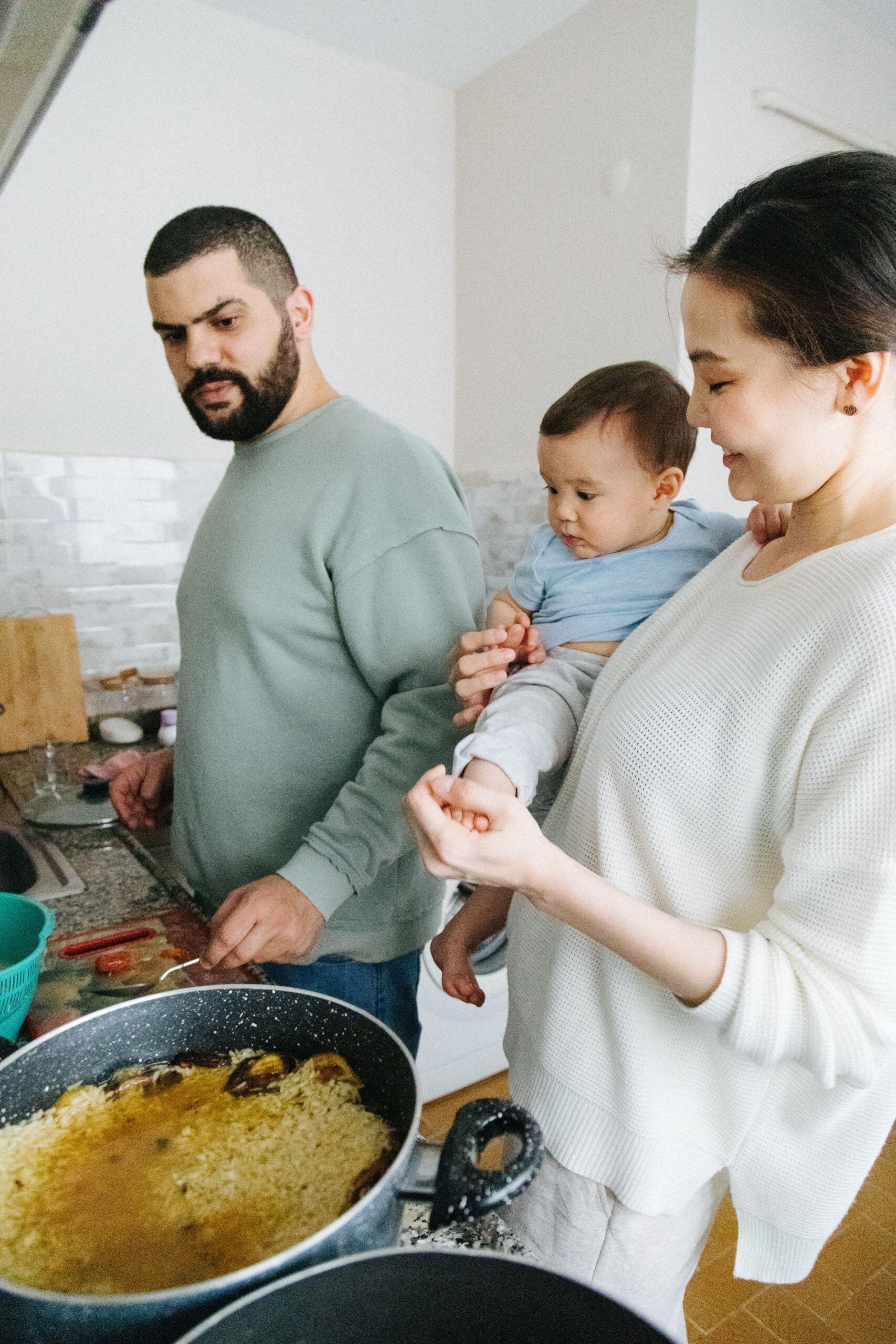
One reason slow cooking fits modern life is simple: it works while people do other things. A slow cooker or a low oven lets dinner progress during work, school pickups, or a crowded evening at home.
That kind of hands off cooking matters in an always on world. Instead of managing multiple pans and timing every step, many cooks can combine ingredients early and return later to a finished meal that needs little more than serving.
The result is not speed in the usual sense, but relief. Slow cooking shifts effort away from the most stressful part of the day, and that trade is a big part of its renewed appeal.
Cheap cuts become the best part
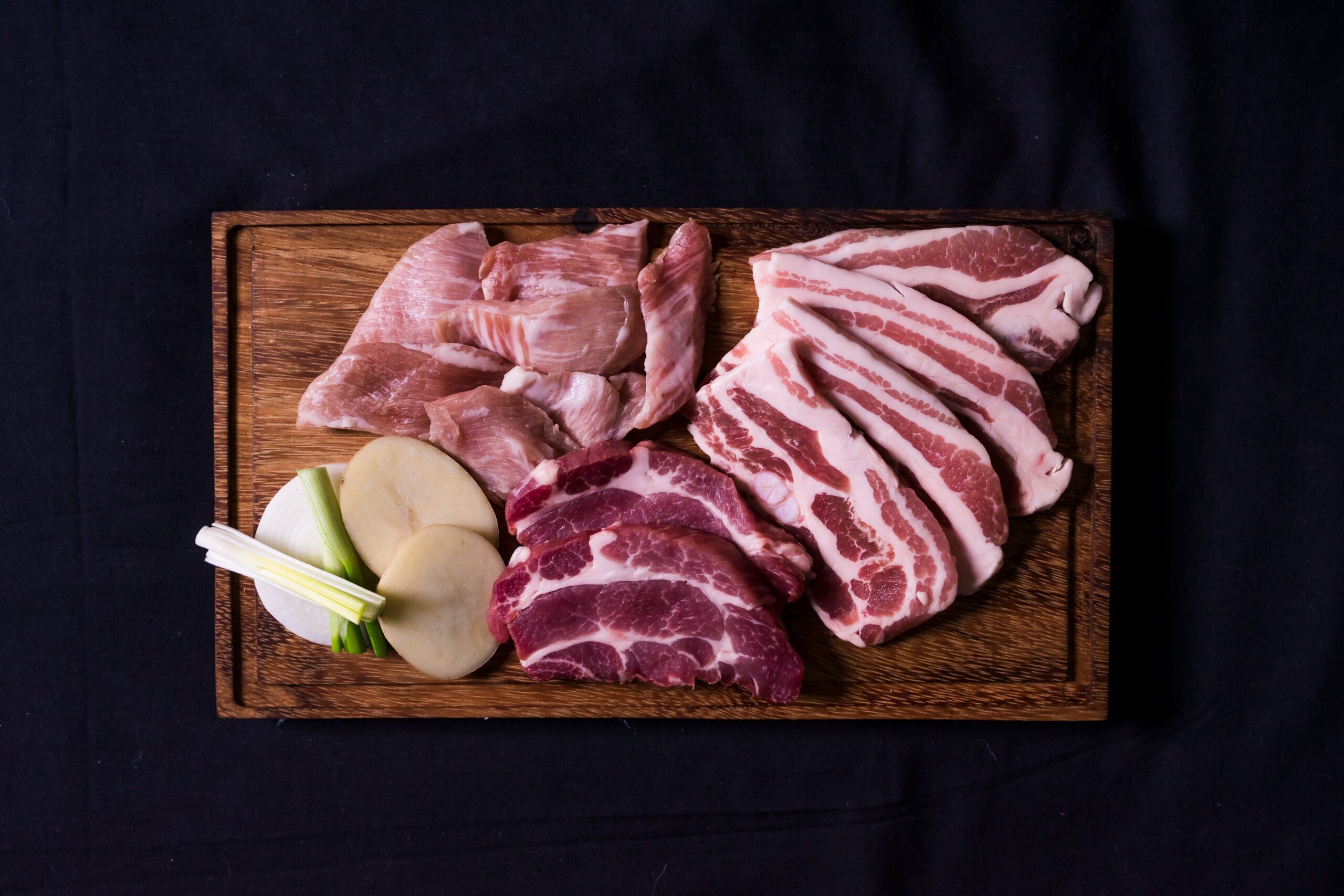
Slow cooking also lines up with the way many people shop now. Tougher, less expensive cuts like chuck, brisket, pork shoulder, and chicken thighs often become tender and richly flavored after hours of gentle heat.
That matters when food budgets are under pressure. Techniques once seen as old fashioned are useful again because they can stretch ingredients, turn beans and grains into satisfying meals, and make a small amount of meat feed more people.
The payoff is culinary as well as financial. Time does work that expensive ingredients cannot always replace, building body in stews, soups, and braises through patience rather than added cost.
Flavor develops slowly
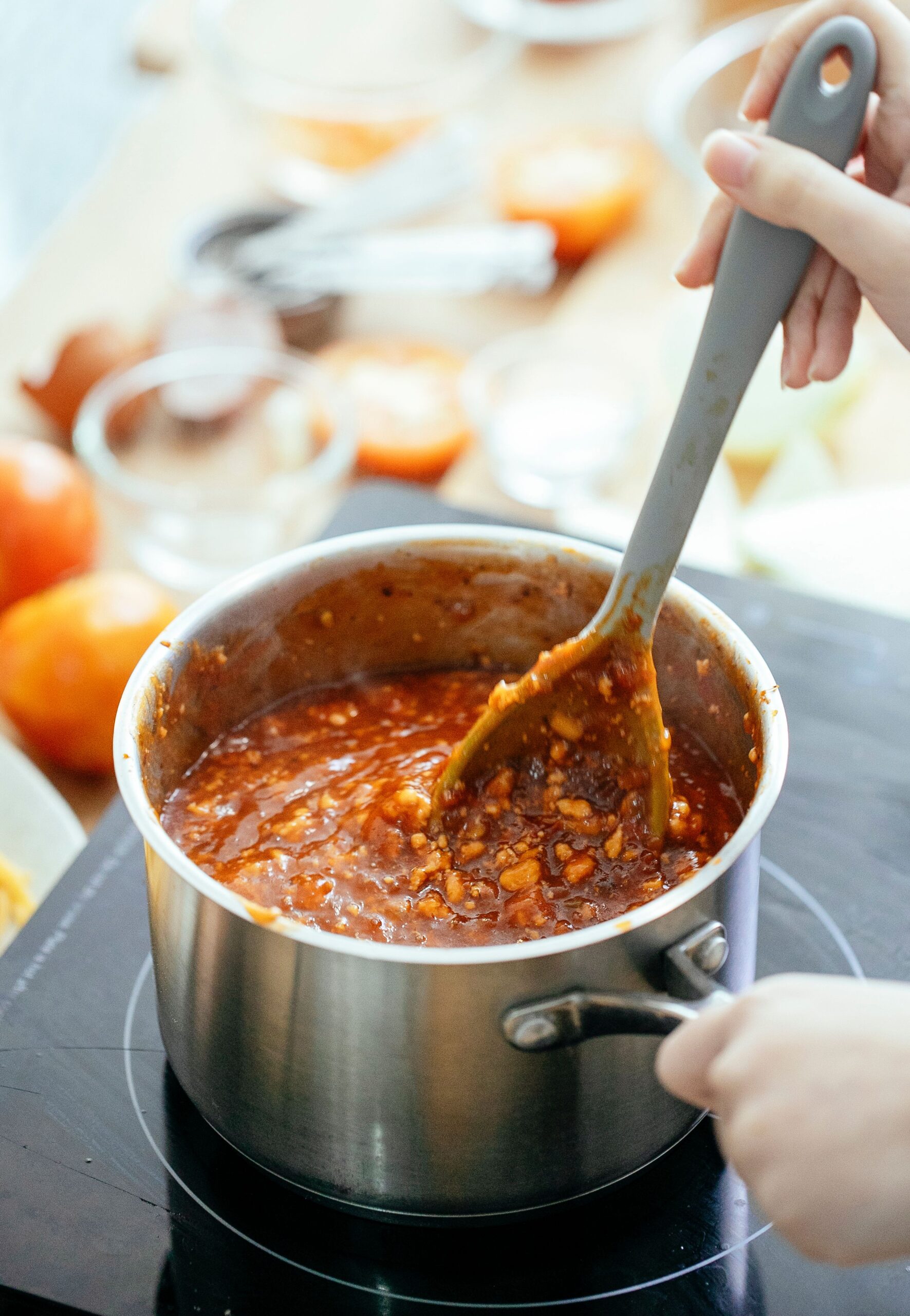
Some foods simply get better when they are not rushed. Stocks, ragus, chili, curries, and braised vegetables gain depth as their ingredients soften, mingle, and concentrate over time.
This is one reason restaurant logic does not always match home cooking. Fast methods are valuable, but slow cooking can create textures and layered flavors that are hard to reproduce in a quick skillet meal, especially with humble ingredients.
That difference is easy to taste. On the second day, many slow cooked dishes improve even more, making them especially useful for leftovers, meal prep, and households trying to cook once and eat well more than once.
The kitchen becomes calmer

The return of slow cooking is also about mood. Many people now want meals that feel restorative, and a pot that simmers quietly for hours can make the kitchen feel less like a production line and more like part of the home.
There is a sensory appeal here that convenience foods rarely offer. The gradual aroma of onions, garlic, herbs, broth, or spices creates a sense of anticipation long before dinner reaches the table.
That feeling helps explain why slow cooking attracts people beyond strict necessity. It offers not just food, but rhythm, and for households tired of constant alerts and rushing, that can be a meaningful draw.
Old techniques suit new tools
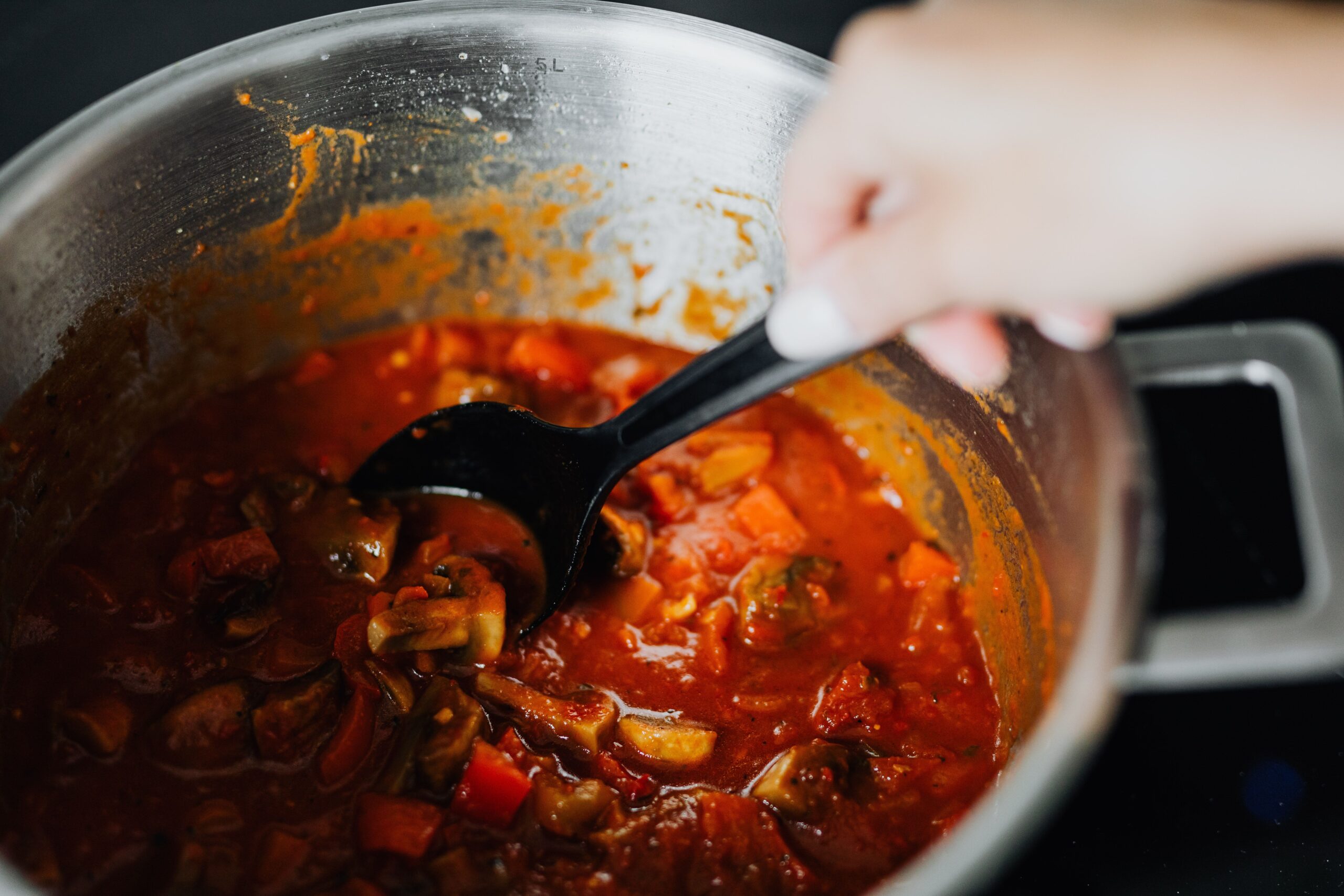
The revival is not a rejection of technology. In many homes, it is powered by it. Programmable slow cookers, multicookers, and smart appliances make long cooking easier to fit into daily routines.
These tools solve common worries by controlling temperature and timing more consistently than a distracted cook can. They also open the door to overnight oats, yogurt, beans, broths, and braises that once demanded more attention.
What looks traditional on the plate can be highly modern in practice. The comeback of slow cooking owes a lot to appliances that reduce friction while preserving the flavor and comfort people associate with older methods.
Comfort food with staying power
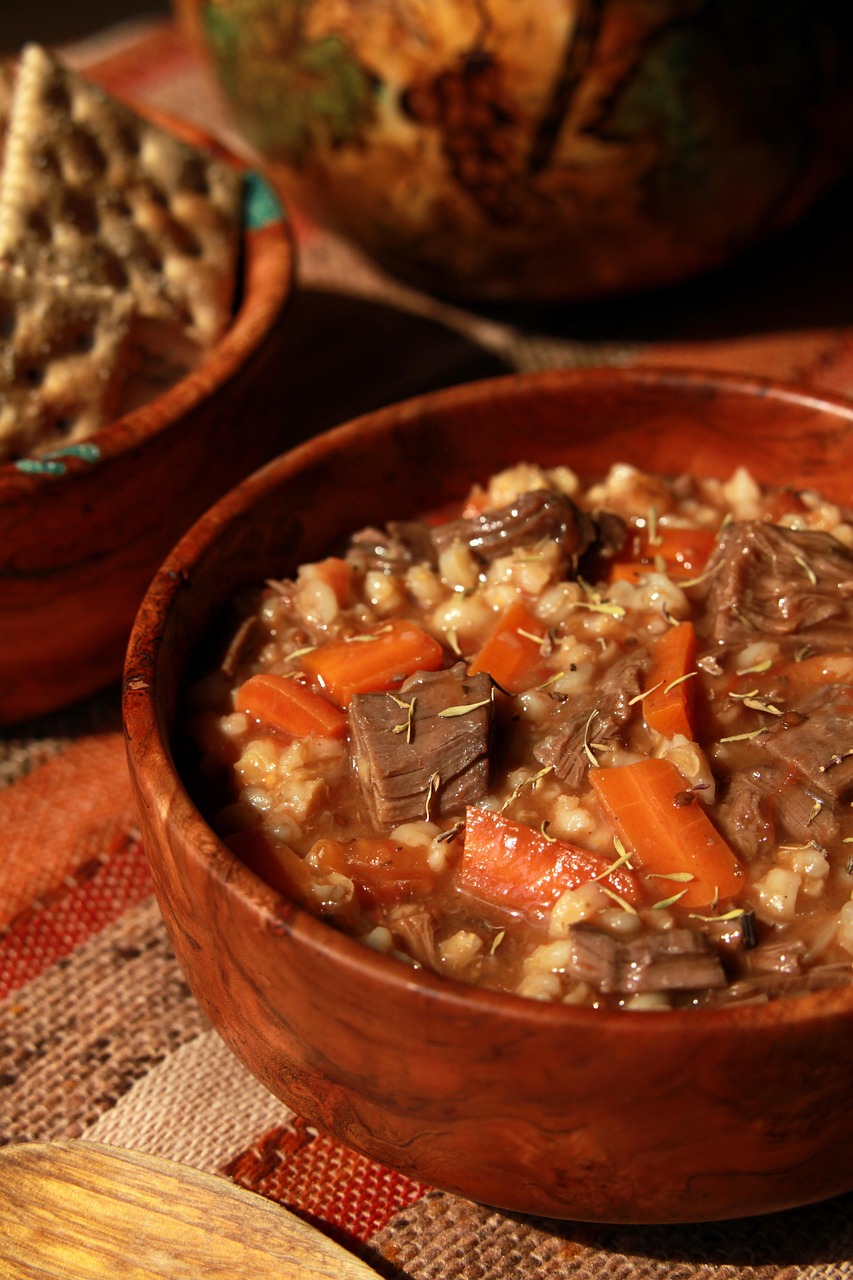
In the end, slow cooking lasts because it answers several needs at once. It can save effort, make good use of affordable ingredients, improve leftovers, and produce the kind of deeply savory meals that people often crave when life feels fragmented.
It also connects everyday cooking to older habits that were built around patience and resourcefulness. That connection feels timely, not quaint, because many households are again looking for methods that are practical, flexible, and satisfying.
Slow cooking is returning not because the world has become less busy, but because it has not. In a fast culture, its steady pace solves problems that speed alone cannot.

Leave a Reply