
Tea can calm, sharpen, comfort, or refresh. Much of that experience depends less on the tea you buy and more on how you prepare and drink it.
Temperature changes everything
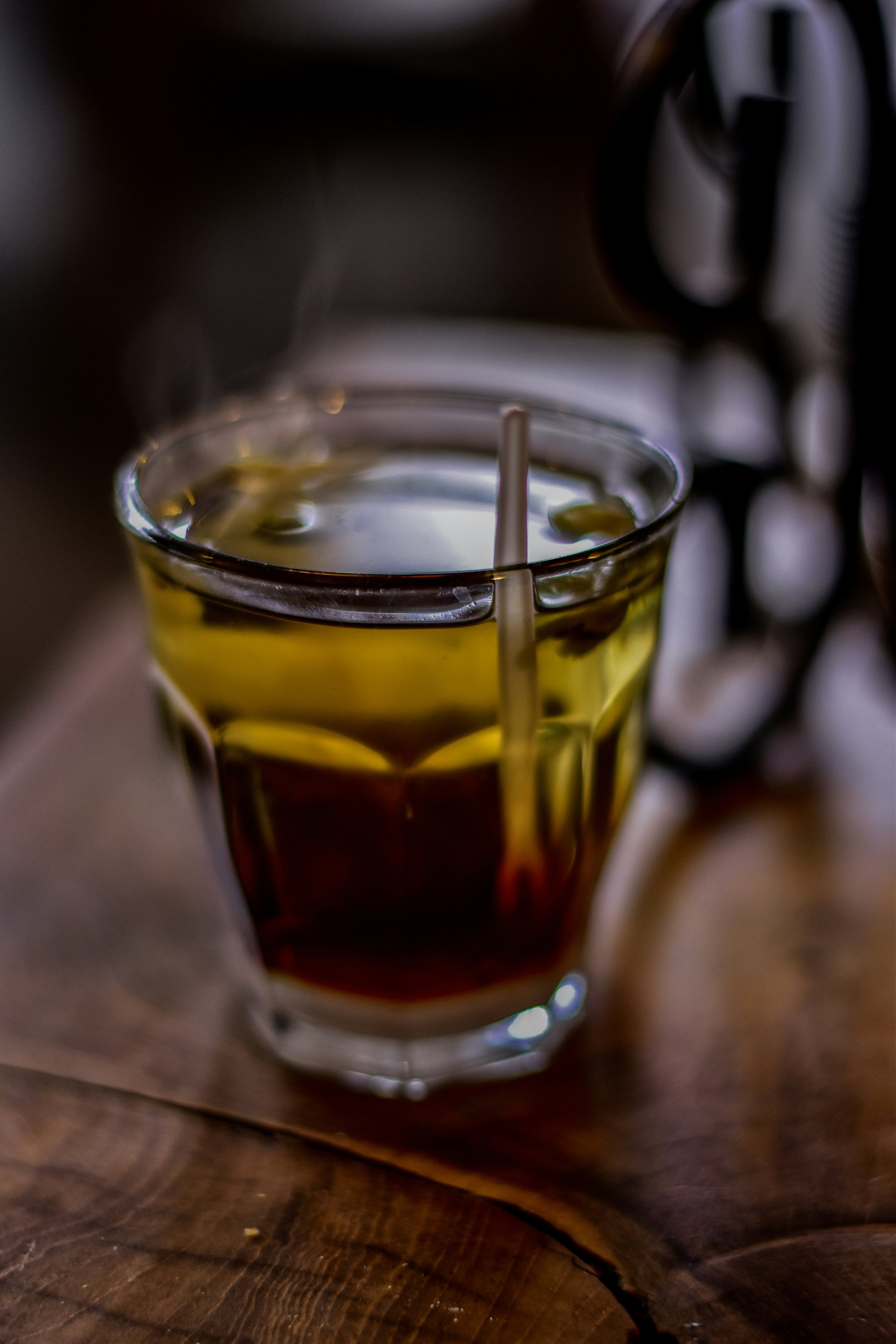
The first thing most people notice in tea is flavor, but temperature controls how that flavor reaches you. If tea is too hot, your tongue cannot clearly detect sweetness, floral notes, or gentle bitterness. You mostly register heat. That means a well-made tea can taste flat, harsh, or one-dimensional simply because it is being drunk too soon.
There is also a health reason to slow down. The World Health Organization has noted that regularly drinking very hot beverages may raise the risk of esophageal irritation and long-term damage. Letting tea cool slightly is not just about comfort. It allows both better tasting and safer drinking.
Different teas open up at different serving temperatures. Green tea often tastes brighter when warm rather than piping hot, while black tea can hold structure as it cools. Professional tasters know this well. They judge tea across a temperature curve because aroma, body, and aftertaste shift with every few minutes.
Timing affects your body more than brand
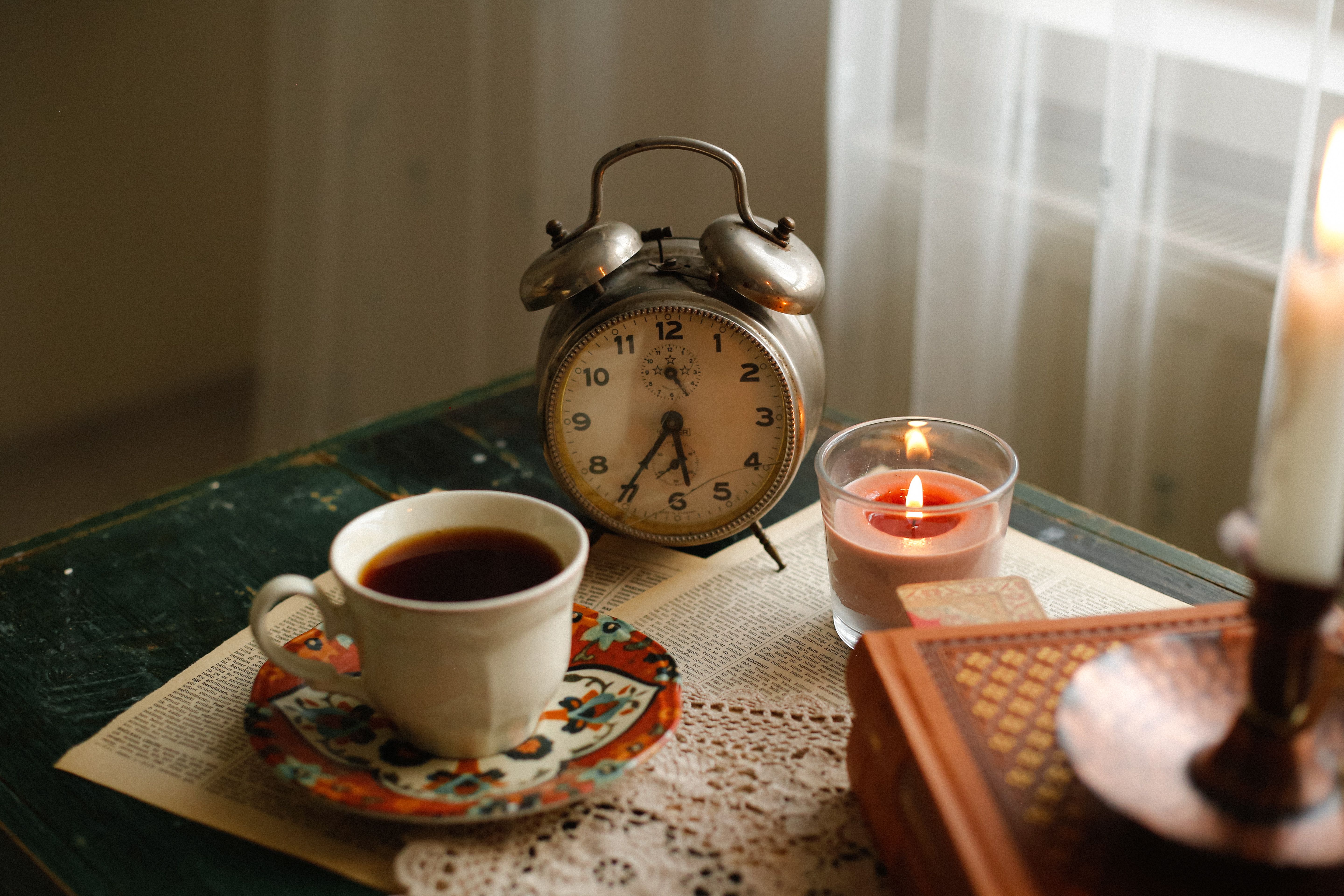
A premium tea cannot override bad timing. Drinking strong black tea first thing on an empty stomach can feel rough for some people because tannins may increase nausea or stomach discomfort. By contrast, taking tea after food often softens that effect and produces a steadier, more pleasant lift.
Caffeine is another factor people underestimate. Tea usually contains less caffeine than coffee, but it still matters when you drink it. Mid-morning tea may improve alertness and concentration, while late-evening tea can interfere with sleep, especially in sensitive drinkers or people already under stress.
Research on caffeine and sleep consistently shows that even moderate intake later in the day can reduce sleep quality. That matters because poor sleep changes how your body handles the next day's caffeine. Many people blame the tea itself when the real issue is that the timing created a cycle of fatigue, dependence, and restless nights.
The cup, pace, and setting shape perception

Tea is not consumed in a vacuum. The vessel, speed, and surroundings all influence how you experience it. A thick ceramic mug holds heat differently from thin porcelain, changing both aroma release and sip temperature. Even cup width matters because smell contributes heavily to flavor, and a narrow cup directs aroma differently than a broad one.
Pace matters just as much. Fast drinking usually means fewer pauses for aroma, less awareness of aftertaste, and more chance of swallowing tea while it is still too hot. Slow sipping creates small sensory resets. You notice texture, sweetness, astringency, and the way the tea evolves as it cools.
Setting also changes perception. A rushed tea at a noisy desk can taste sharper and less satisfying than the same tea enjoyed quietly. Behavioral research has long shown that context affects sensory judgment. In simple terms, calm settings often make people more attentive, and attention is a major part of taste.
Brewing habits decide whether tea helps or hurts
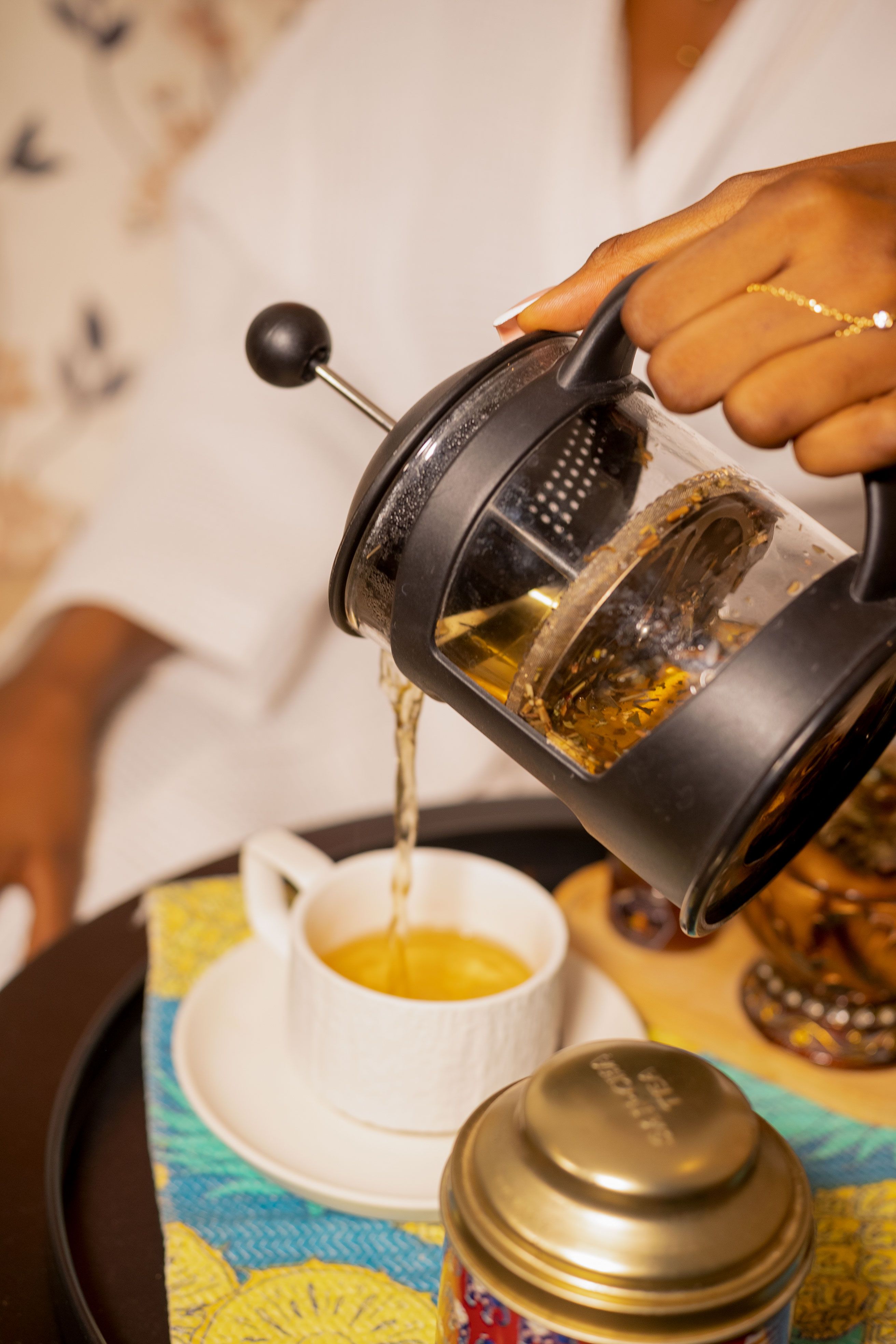
Many complaints about tea actually begin in the kettle. Over-steeping can flood the cup with bitterness and excessive astringency, especially in black and green teas. Under-steeping can leave tea watery and disappointing. In both cases, people often conclude they bought poor tea when the problem was extraction, not quality.
Water quality is equally important. Hard water can mute delicate flavors, while water that has been boiled repeatedly may taste flat because dissolved gases change. Tea professionals often prefer fresh water for each brew. That one habit can make an ordinary tea taste cleaner, sweeter, and more balanced.
Portion size also shapes the experience. A giant mug of strong tea may deliver more caffeine and tannins than your body wants in one sitting. A smaller cup prepared with care often feels better and tastes better. This is why many traditional tea cultures favor modest servings and multiple attentive pours rather than one oversized brew.
Tea works differently with food, stress, and hydration

Tea does not act on your body in isolation. Drinking it alongside rich, salty, or sugary foods changes what you taste and how you feel afterward. A brisk black tea may refresh the palate after a heavy breakfast, while a delicate white tea can disappear beside strongly flavored snacks.
Stress changes the experience too. When you are anxious, caffeine can feel stronger, and bitterness may seem more pronounced. That is one reason the same tea can feel soothing on one day and irritating on another. Your nervous system is part of the cup, whether you think about it or not.
Hydration is another overlooked issue. Tea contributes to fluid intake, and according to major nutrition authorities, moderate tea consumption is generally compatible with hydration. Still, replacing plain water all day with very strong tea may not feel ideal for everyone. Balance matters more than rigid rules.
Ritual turns tea from a drink into a tool

What makes tea powerful is often the ritual surrounding it. A repeated method of heating water, steeping leaves, waiting, and sipping slowly creates a reliable pause in the day. Psychologists who study habit and behavior often note that small rituals can improve focus, reduce stress, and support emotional regulation.
This helps explain why the same inexpensive tea can feel deeply restorative in one context and forgettable in another. If you use tea as a transition between tasks, a screen break, or a moment of quiet before bed, the effects become larger than flavor alone. The method shapes the meaning.
In the end, tea quality still matters, but it is not the main driver most people think it is. Drink at a sensible temperature, brew with care, match timing to your body, and give the cup your attention. When you change the way you drink tea, even average tea can become excellent.




Leave a Reply