
Everyone has heard the rule. Few people realize it was built around restaurant psychology, not great drinking.
The myth became popular for a reason

The idea behind avoiding the cheapest bottle is simple: diners do not want to look stingy, especially in business dinners, dates, or celebratory meals. So they move one step up. Restaurateurs have understood that instinct for decades.
Wine directors and hospitality consultants have long noted that the second-cheapest bottle often becomes a "safe" social choice. It feels slightly more generous than the lowest-priced option without requiring real commitment. That predictable behavior gives restaurants a clear pricing target.
In many dining rooms, the cheapest bottle is priced to anchor expectations, while the next one is positioned for volume. That does not automatically make it bad wine. It means its placement on the list may owe more to human behavior than to quality or value.
How wine lists steer your eye
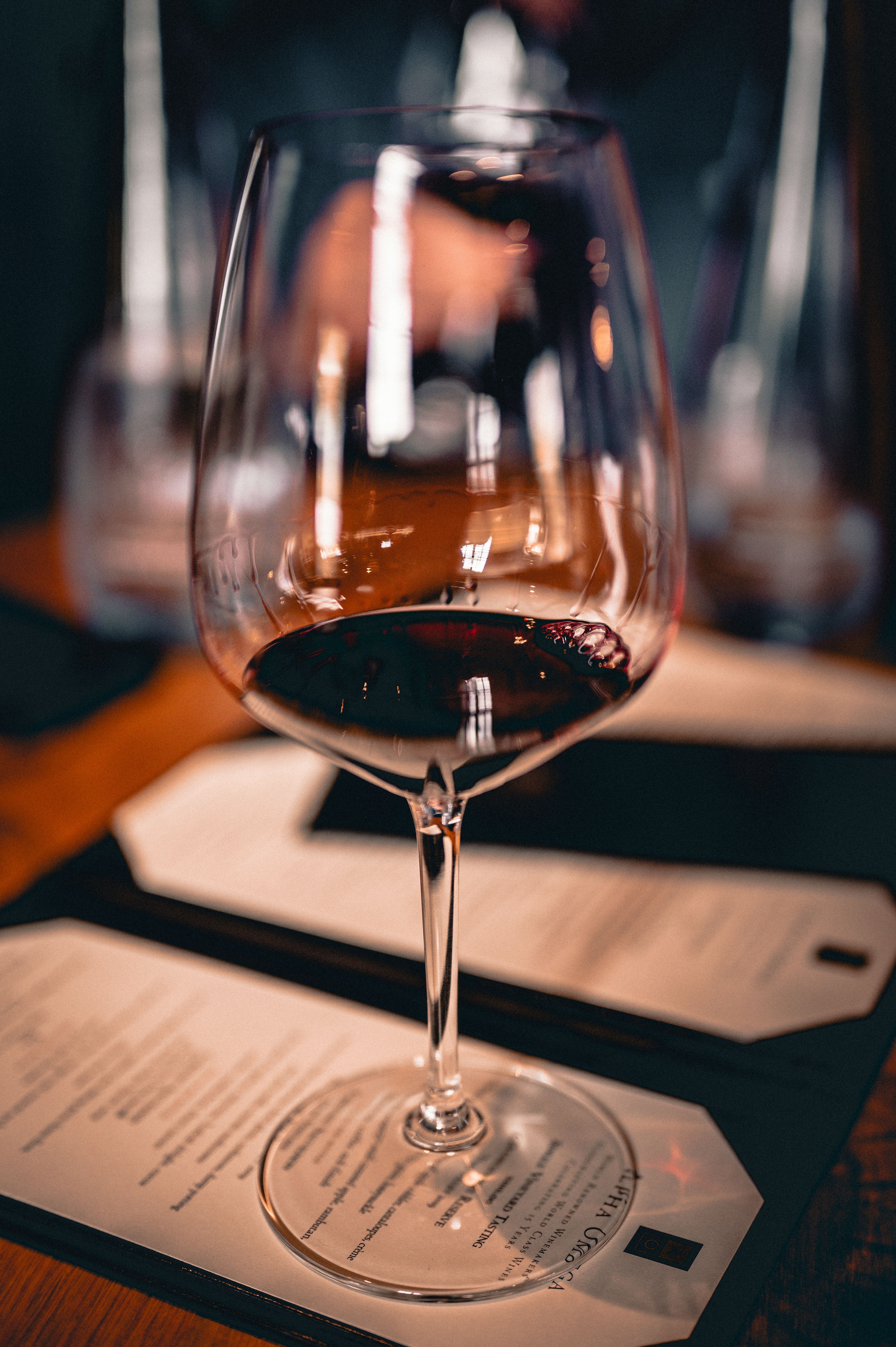
A wine list is rarely just a catalog. It is a sales tool, carefully arranged to guide attention, frame price comparisons, and encourage certain spending patterns. The same behavioral tactics used in retail and menus often appear in bottle selection.
One common tactic is anchoring. When a list includes several expensive bottles, a $68 wine can suddenly feel modest, even if the restaurant bought it for a fraction of that amount. Against a $150 Cabernet, the second-cheapest bottle may seem prudent rather than inflated.
Another factor is decoy pricing. If the least expensive wine is intentionally plain or unexciting, the next option appears meaningfully better. Diners then believe they are making a savvy upgrade, even when the quality jump is small and the markup jump is large.
Why the second-cheapest bottle may offer weak value

Restaurants do not apply the same markup evenly across all wines. Industry professionals frequently explain that lower-priced bottles often carry higher percentage markups because they must still cover storage, stemware, service, and inventory costs. That structure can distort value at the bottom of the list.
A bottle that retails for $12 might appear on a list for $45, while a bottle retailing at $35 might be listed at $75. The first seems cheaper in absolute terms, but the second can represent a far fairer deal relative to what is in the glass.
This is why the second-cheapest bottle can sit in an awkward zone. It attracts cautious buyers, yet it may still bear an aggressive markup. In practical terms, you may be paying extra for social comfort rather than better farming, winemaking, or aging potential.
What smart diners do instead

Experienced diners rarely order by price position alone. They look for regions with weaker brand recognition, varietals outside the current fashion cycle, or producers from strong recent vintages that have not yet become status purchases. Value usually hides in these spaces.
For example, a diner skipping entry-level Napa Cabernet might find better balance and character in a cru Beaujolais, Etna Rosso, Muscadet, dry Riesling, or Portuguese red blend. These categories often deliver complexity without the prestige premium attached to famous labels.
Another reliable move is to ask the sommelier or server a narrow question. Instead of saying, "What's a good bottle?" ask, "What on this list is drinking well and priced fairly?" That invites a value-based recommendation rather than a prestige-driven one.
The cheapest bottle is not automatically a mistake

There is nothing inherently embarrassing about ordering the least expensive wine. In many thoughtful restaurants, the lowest-priced bottle is there because it is versatile, honest, and designed to pair broadly with food. Some wine programs treat that slot with real care.
Casual bistros, neighborhood Italian spots, and wine-focused restaurants often use affordable bottles to express house style. A crisp Vinho Verde, simple Côtes du Rhône, or fresh domestic rosé may be exactly what the meal needs. Price alone does not predict pleasure.
The old rule survives because many diners fear judgment more than disappointment. Yet most staff care far more about whether you enjoy the bottle than where it ranks numerically. Confidence, not price climbing, is usually the better ordering strategy.
The best order is the one made with intention
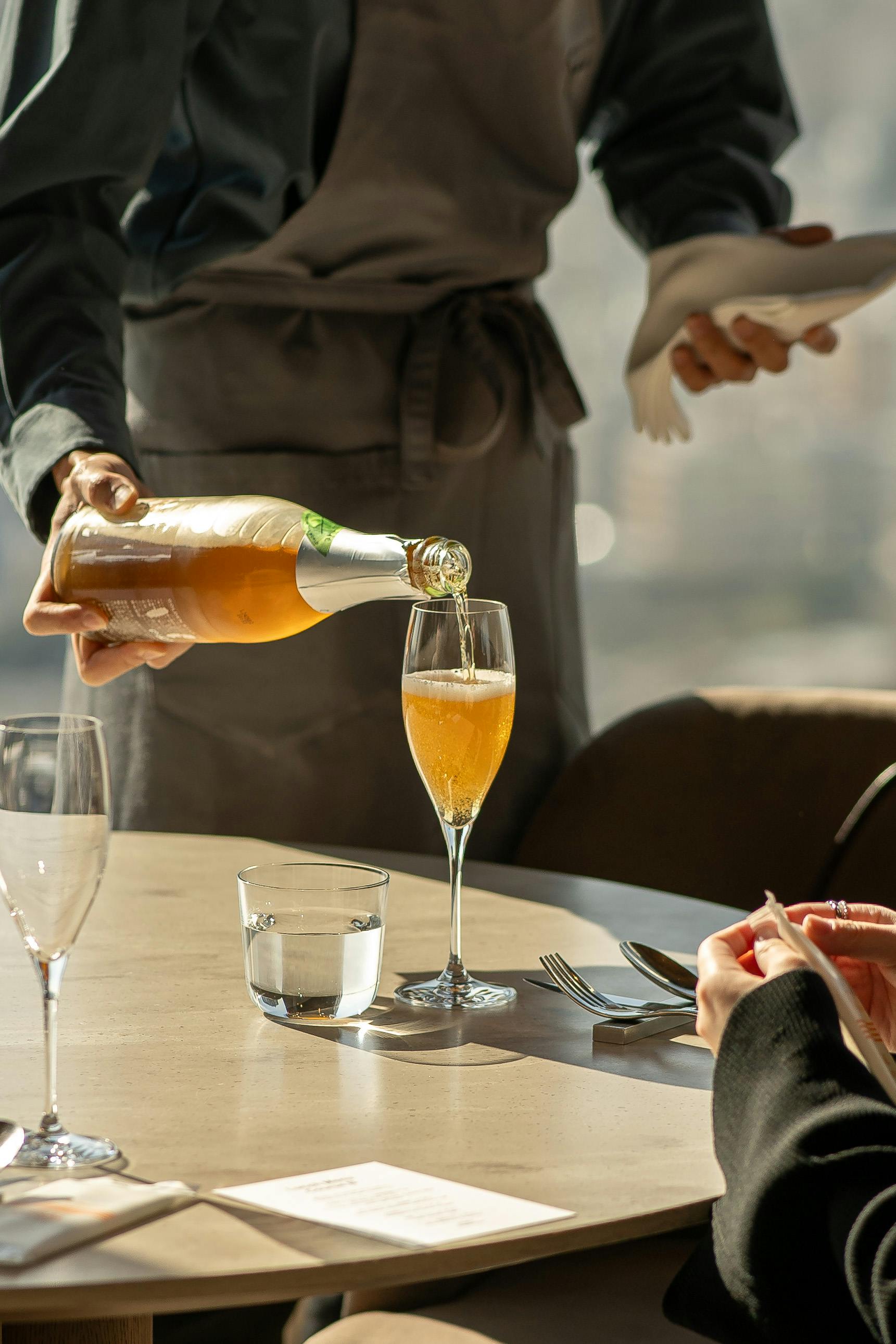
A better rule is this: never order the second-cheapest bottle just because it is the second-cheapest bottle. That choice is reactive. It hands control to the list designer and assumes the middle of your comfort zone must also be the best value.
Instead, scan the list for unfamiliar regions, compare grapes rather than prestige names, and consider what you are eating. Acid, body, and texture matter more at the table than whether the bottle costs $12 more than the cheapest option.
When diners understand the pricing game, they stop treating wine lists like social minefields. The result is usually better wine, better value, and a more relaxed meal. That is the real secret, and it has nothing to do with the second-cheapest bottle.



Leave a Reply