
For many families, Thanksgiving is supposed to bring everyone to one table. For Canadians with close relatives in the United States, the calendar often does the opposite.
Two countries celebrate the same idea on different dates
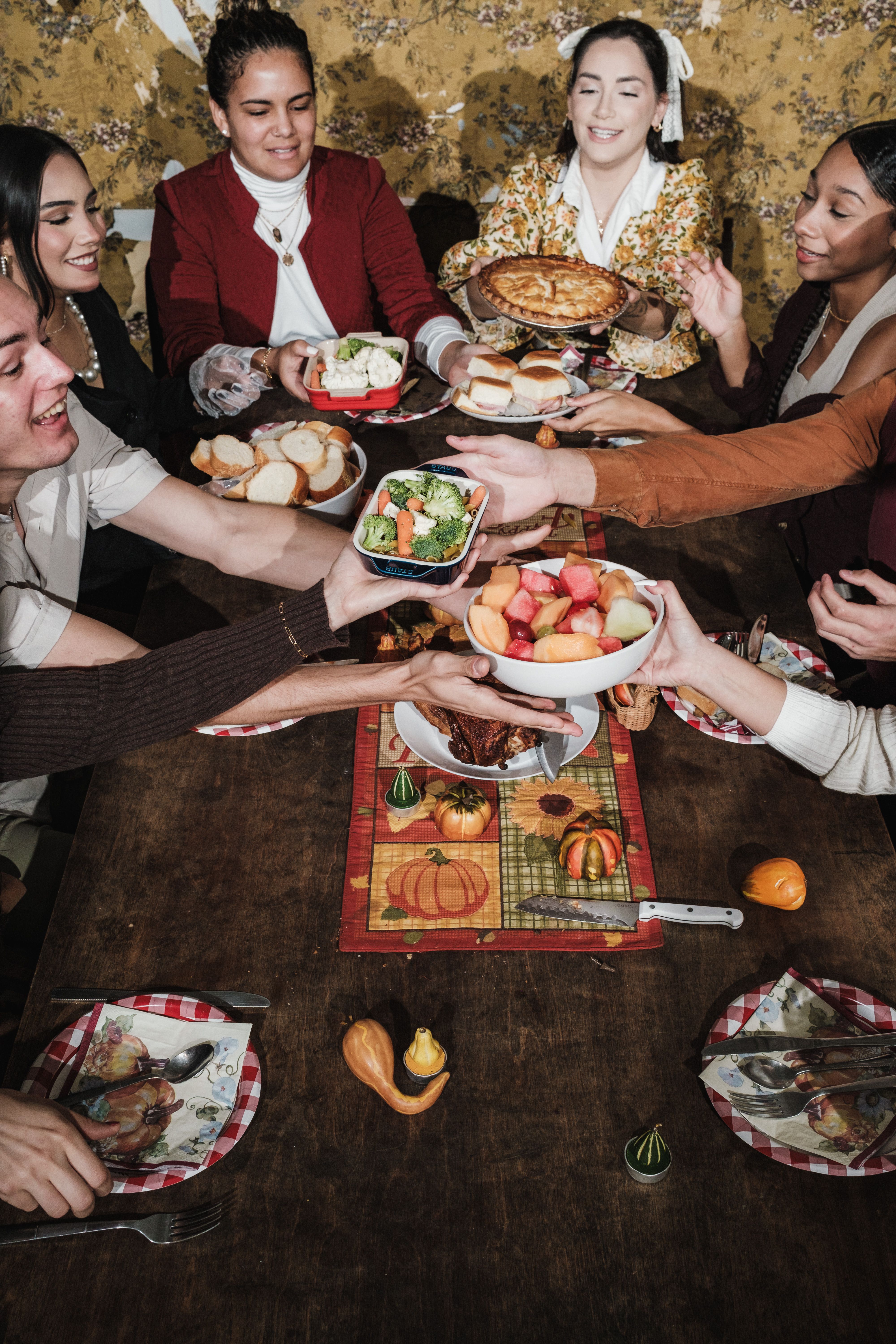
At first glance, the problem seems minor. Canada marks Thanksgiving on the second Monday in October, while the United States celebrates it on the fourth Thursday in November, creating a gap of roughly six weeks.
That difference matters because family gatherings are not simple social calls. They require booking flights, arranging time off, coordinating school breaks, and often deciding which side of the border gets the larger reunion.
The dates also reflect different national rhythms. Canadian Thanksgiving is tied more closely to the harvest season and an earlier autumn climate, while the American holiday sits at the start of a broader year-end holiday period that flows into December.
For mixed Canadian-American families, that means one tradition arrives when leaves are still turning and another comes just as winter travel pressures begin. The result is not confusion over meaning, but conflict over timing.
Work, school, and distance turn two holidays into a real burden

The biggest strain is practical rather than emotional. Most people cannot easily travel internationally twice within six weeks, especially if they have children in school, limited vacation days, or jobs with rigid staffing demands.
Canadian Thanksgiving falls outside the major U.S. school holiday calendar, which makes it harder for American relatives to attend without missing classes or work. By late November, Canadians face the reverse problem when they try to head south.
Cross-border travel also comes with added complexity. Passports, customs delays, weather uncertainty, and rising airfares can make even a short trip between Toronto and Chicago or Vancouver and Seattle feel like a major operation.
According to long-observed travel patterns reported by major carriers and border agencies, peak holiday periods drive up costs and wait times quickly. Families often conclude that attending both Thanksgivings is simply unrealistic.
Money pressures force families to choose one table over another

The emotional tension often begins with a budget. A family of four paying for flights, baggage, fuel, hotels, and meals may find that one Thanksgiving trip is manageable, but two is financially hard to justify.
That calculation has become sharper in years of high inflation. Food costs, accommodation rates, and airfare have all seen periods of notable increases, leaving less room for families to treat holiday travel as a routine annual expense.
Even when relatives offer spare bedrooms, the hidden costs remain. There may be pet care, missed hourly wages, childcare adjustments, rental cars, or extra days off that are not fully paid.
In practice, money turns a sentimental question into a strategic one. Families begin asking not where they most want to be, but which celebration is cheaper, easier, and less disruptive to the rest of the year.
Tradition and loyalty can make the split feel personal

What looks like a scheduling issue on paper can feel deeply symbolic at home. Choosing one Thanksgiving over the other may be interpreted, fairly or not, as choosing one side of the family.
That is especially true in households where traditions carry strong emotional weight. One branch may insist on the October turkey dinner, while the other treats the November holiday as the larger, more culturally central event.
American Thanksgiving also carries a distinct media and retail presence. Football, parades, Black Friday shopping, and extended long-weekend travel can make it feel bigger, which sometimes leaves Canadian relatives feeling their holiday is treated as secondary.
In many cross-border families, no one says this openly at first. Yet over time, repeated absences can harden into resentment, particularly for grandparents and cousins who measure closeness by holiday attendance.
Some families solve it by rotating, merging, or celebrating twice
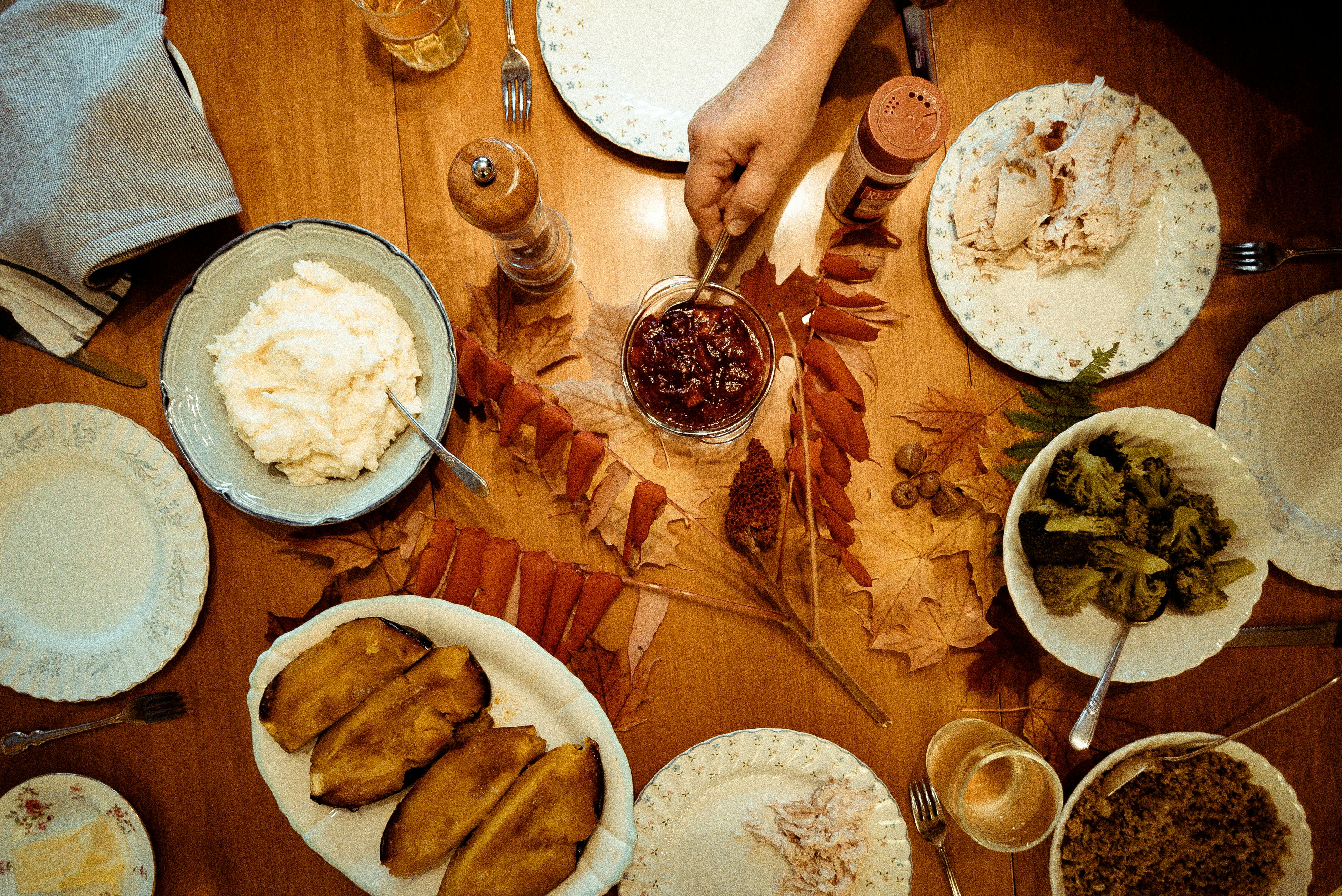
Many families adapt with practical creativity. One common solution is rotation: Canada one year, the United States the next, with clear expectations set well in advance so no one feels blindsided.
Others hold a separate family meal on a nearby weekend. The date changes, but the essential ritual stays intact, allowing relatives to gather without fighting the official national calendars.
Some households embrace two Thanksgivings at home. They may host a smaller Canadian dinner in October and join American relatives virtually or in person in November, treating each event as distinct rather than competing.
Technology has also softened the divide. Video calls from the kitchen, shared recipes, and coordinated toasts cannot replace being there, but they can preserve a sense of participation when travel is not possible.
The calendar gap reveals how modern families actually live

In the end, the split says less about turkey than about the structure of modern family life. Cross-border relatives live under different work rules, school systems, travel markets, and cultural expectations, even when their relationships are close.
Thanksgiving exposes those differences because it asks for presence, not just affection. Love may be constant, but calendars are not, and the mismatch can turn a cherished tradition into a recurring negotiation.
Still, many families learn that connection does not depend on one perfect date. The strongest cross-border households often survive by treating Thanksgiving not as a test of loyalty, but as a chance to make room for more than one way of gathering.




Leave a Reply