
Some foods feed hunger. Others briefly hold life together.
Rotisserie chicken now does both, which helps explain why it has become one of the most emotionally loaded items in the modern grocery store.
The chicken that solves more than dinner
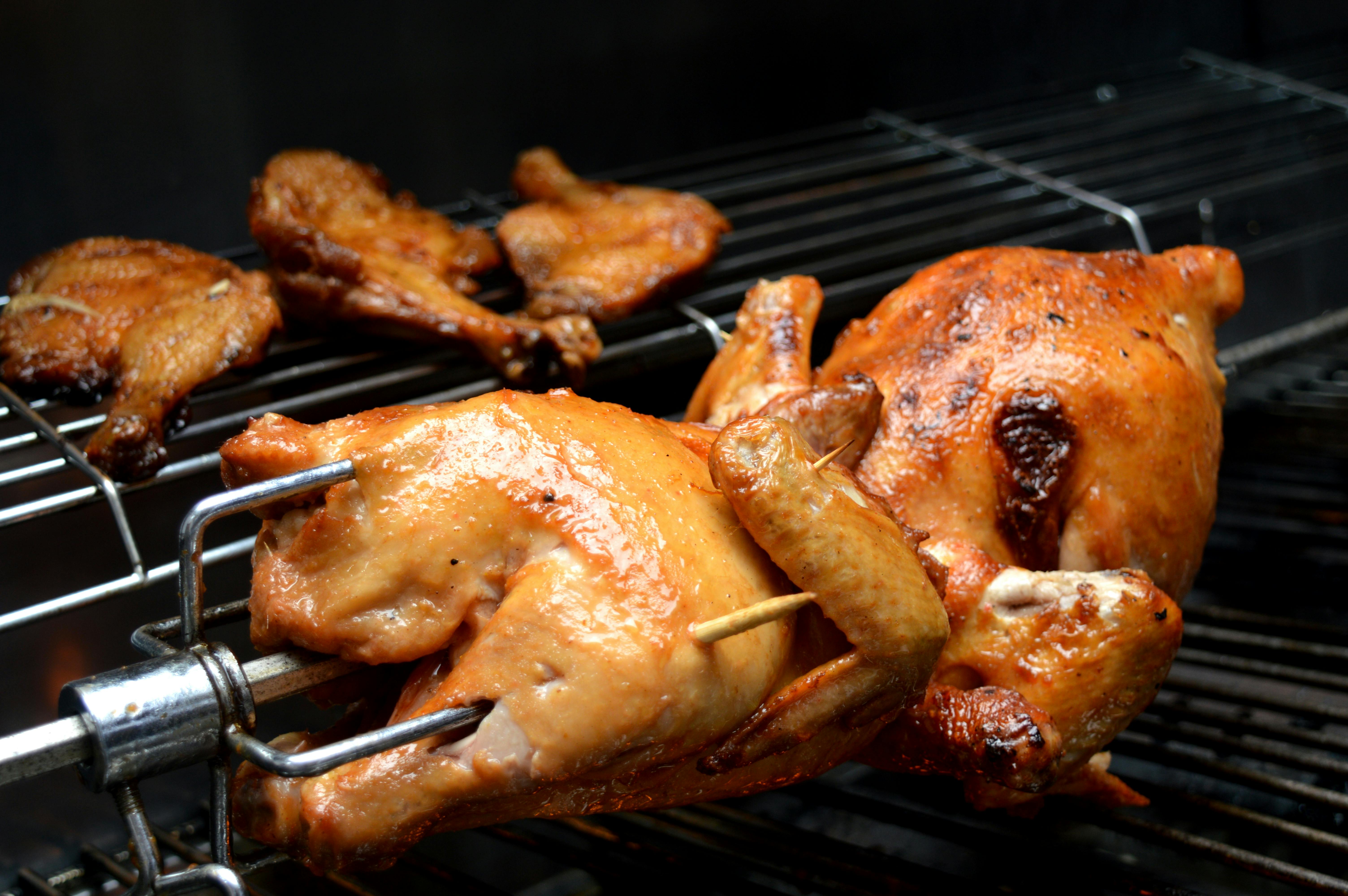
At first glance, rotisserie chicken is just prepared food sold under warm lights near the front of the store. In practice, it solves a chain of problems at once. It answers the daily question of what to cook, removes prep time, reduces cleanup, and usually costs less than ordering takeout for even one person. That bundle of benefits is what gives it unusual cultural power.
Price matters more than nostalgia here. Retailers such as Costco and many supermarket chains have kept rotisserie chickens aggressively affordable, often around the price of a specialty coffee and a pastry. Food industry analysts have long described them as loss leaders, products sold cheaply to bring shoppers through the door. Consumers may not use that term, but they understand the deal instantly: this is one of the few ready-made dinners that still feels financially rational.
The appeal grows stronger when life is crowded. A parent leaving work late, a student managing exams, or an adult caring for aging relatives may not need a culinary experience. They need a fast, acceptable, filling meal that does not create more work tomorrow. Rotisserie chicken succeeds because it offers relief first and flavor second, and for many households that order of priorities feels exactly right.
Convenience became emotional, not just practical

Convenience foods used to be discussed mainly in terms of efficiency. Today, they are also about mental bandwidth. Behavioral researchers studying decision fatigue have shown that repeated choices wear people down over the course of a day. By evening, even small domestic decisions can feel disproportionately difficult, especially for people balancing work, caregiving, finances, and constant digital interruption.
That is where rotisserie chicken becomes more than a shortcut. It removes multiple decisions at once: protein, cooking method, timing, seasoning, and often the next day's lunch. Grocery stores position it strategically because the smell, visibility, and immediacy signal that one problem has already been handled. In a consumer environment overloaded with options, that kind of certainty has emotional value.
The language people use around it reveals this shift. They often do not say they are buying a delicious bird. They say they are "getting through the week," "too tired to cook," or "needing a win." Those phrases point to stress management, not gastronomy. The chicken stands in for permission to stop trying so hard for one night, and in a culture that rewards relentless optimization, that permission can feel deeply comforting.
Inflation, labor strain, and the economics of exhaustion
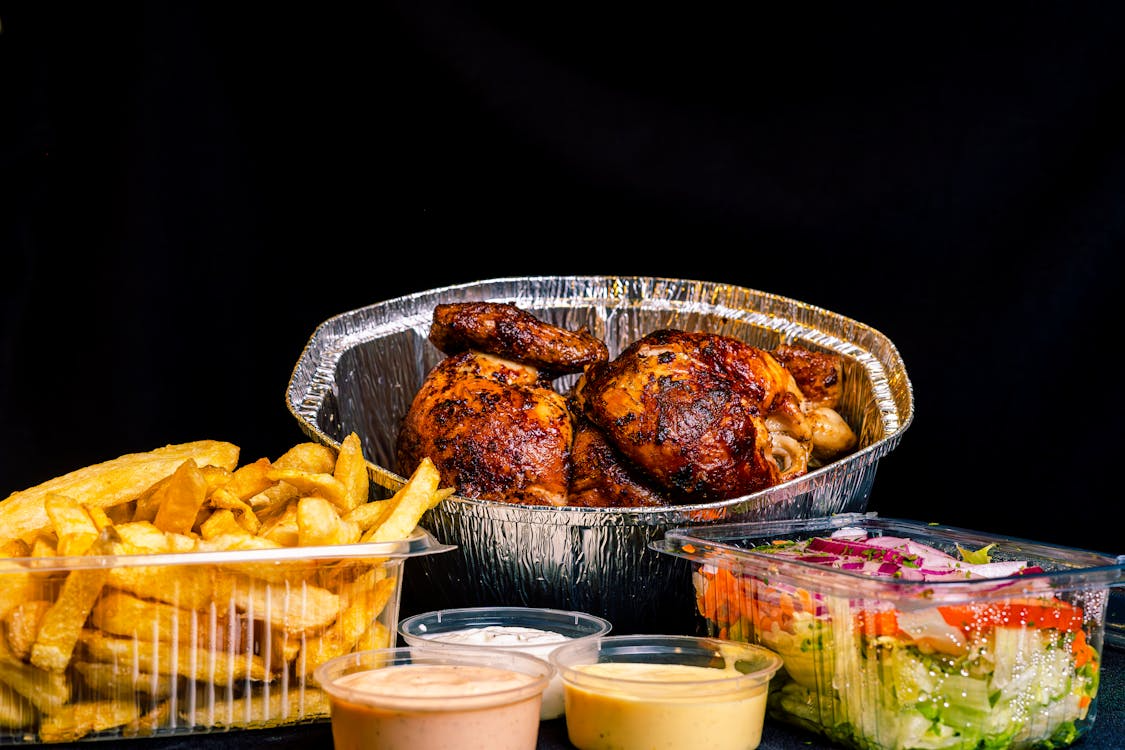
Rotisserie chicken did not become symbolic in a vacuum. It rose in prominence during years when food prices climbed, wages felt stretched, and household routines became less predictable. According to U.S. inflation data over the past several years, groceries and restaurant meals both became noticeably more expensive, but prepared supermarket staples often remained one of the least painful compromises between cost and effort.
The economics are surprisingly persuasive. A single rotisserie chicken can become dinner, next-day sandwiches, soup, tacos, salad topping, or pasta add-in. Home economists have long noted that consumers evaluate value not only by sticker price but by yield, flexibility, and waste reduction. Compared with buying raw chicken, seasoning it, roasting it, and paying the energy and time costs yourself, the store-bought version often wins on total household efficiency.
Labor patterns add another layer. More people work irregular schedules, commute long distances, or remain reachable after office hours. Many households also have fewer adults available for domestic labor than older family models assumed. In that context, rotisserie chicken is not a lazy option. It is an adaptation to an economy that extracts time from people faster than it rewards them, making exhaustion itself a major force in food choice.
Social media turned an ordinary meal into a shared language
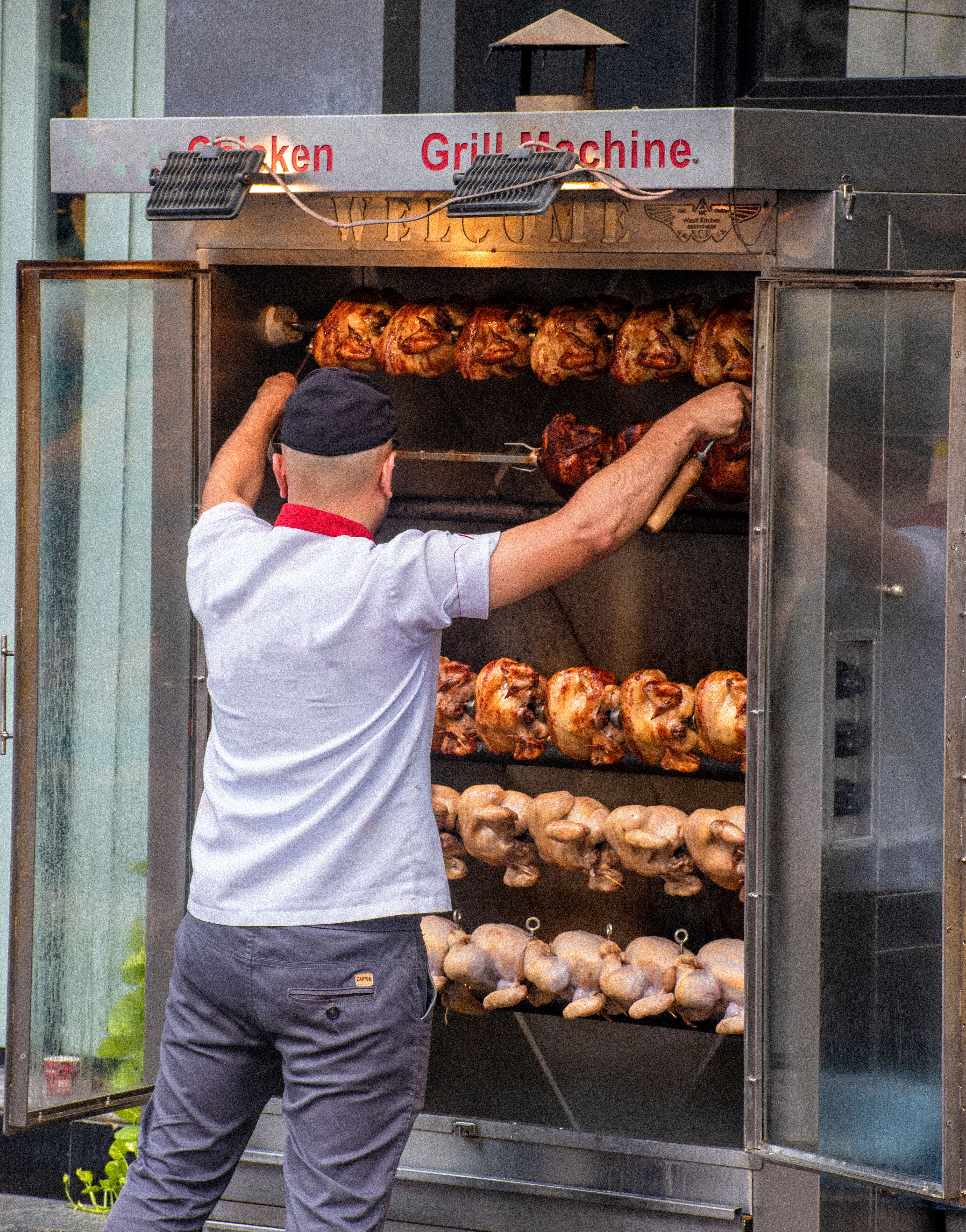
A decade ago, rotisserie chicken was mainly a grocery purchase. Now it is also a joke, a meme, a confession, and a symbol of adult life online. On TikTok, Instagram, and Reddit, people routinely post about eating it straight from the container, turning it into several budget meals, or buying it in moments of emotional collapse. The humor works because the experience is widely recognized.
Internet culture has given the chicken a second life as social shorthand. It represents burnout without requiring a dramatic speech. Saying "I got a rotisserie chicken" can mean work ran late, the kids are melting down, money is tight, or motivation has vanished. The statement carries more context than it seems to. Like other humble foods that become cultural markers, it gains meaning because so many people project their own struggles onto it.
There is also a subtle dignity in that humor. Instead of pretending every meal is intentional, beautiful, and nutritionally optimized, people use rotisserie chicken to admit ordinary limits. That honesty cuts against the polished fantasy of lifestyle culture. The result is a rare food icon that feels democratic: cheap enough for many budgets, familiar across regions, and emotionally legible to almost anyone who has ever walked into a store too tired to think.
Why comfort food now looks plain, practical, and familiar

Comfort food is often imagined as something rich, nostalgic, or celebratory. Rotisserie chicken is different. Its comfort lies in neutrality. It is savory but not challenging, warm but not elaborate, and widely acceptable to children, adults, picky eaters, and people who simply want something dependable. In stressful periods, predictability can be more soothing than indulgence.
Psychologists who study stress and eating behavior often note that people seek foods associated with safety, routine, and low risk. Rotisserie chicken fits that profile unusually well. It rarely surprises, requires no special skill, and can be paired with nearly anything already at home. Rice, bread, salad, frozen vegetables, tortillas, or plain potatoes all work. That flexibility lowers the chance of dinner becoming another source of friction.
Its sensory cues matter too. The warmth of the container, the smell near the deli counter, and the visual signal of a whole cooked meal create an immediate sense of readiness. Unlike snacks that soothe briefly but solve nothing, rotisserie chicken suggests substance. It says the evening is manageable. That is why it has become a coping mechanism in the clearest sense: not because it fixes life, but because it helps people feel capable of facing the next few hours.
What rotisserie chicken says about modern life
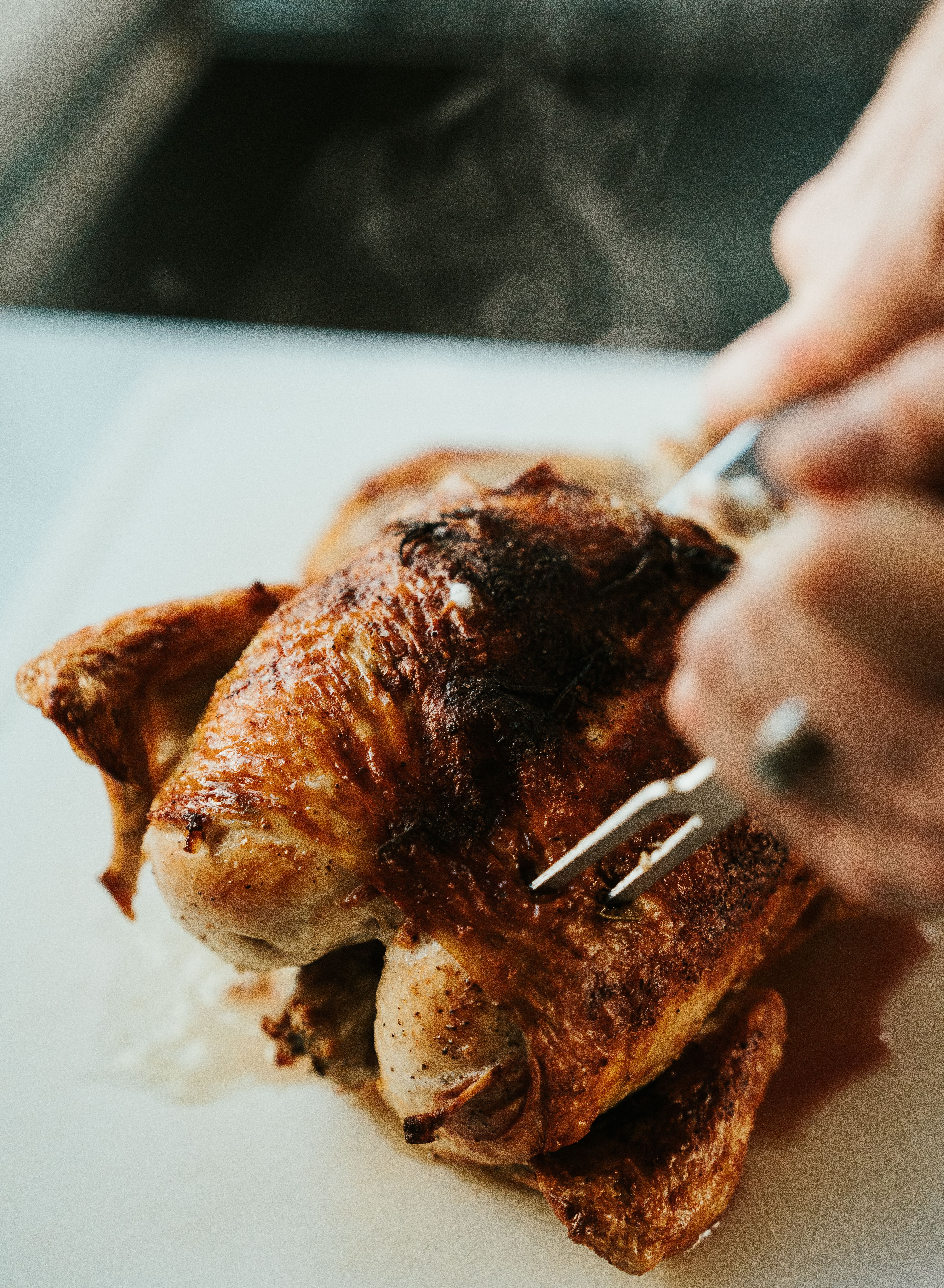
Every era has foods that reveal how people are really living. Rotisserie chicken tells a story about time scarcity, economic anxiety, shrinking domestic capacity, and the search for small forms of control. It is not merely popular because it tastes good. It is popular because it aligns with a society in which many people are overextended and need low-cost systems of support hidden inside everyday routines.
There is a larger lesson in its rise. When a grocery item becomes a symbol of emotional survival, it suggests that coping has become woven into basic consumption. People are not always looking for pleasure or even nutrition in the abstract. They are looking for reduction of strain. The modern meal often succeeds not by impressing anyone, but by removing obstacles and preserving enough energy for tomorrow.
That does not make rotisserie chicken sad. If anything, it reflects a practical kind of resilience. People take what is available, useful, and affordable, then build a workable evening around it. Somewhere along the way, the bird under the heat lamp became a tiny household intervention, a purchased pause, and a reminder that sometimes getting dinner on the table is not a small task at all. It is how people keep going.




Leave a Reply