Some food trends fade quickly. Single-serve baking is not one of them.
It keeps returning because it solves real problems in ordinary kitchens, from waste and portion control to cost, convenience, and comfort.
It Matches the Way More People Actually Live
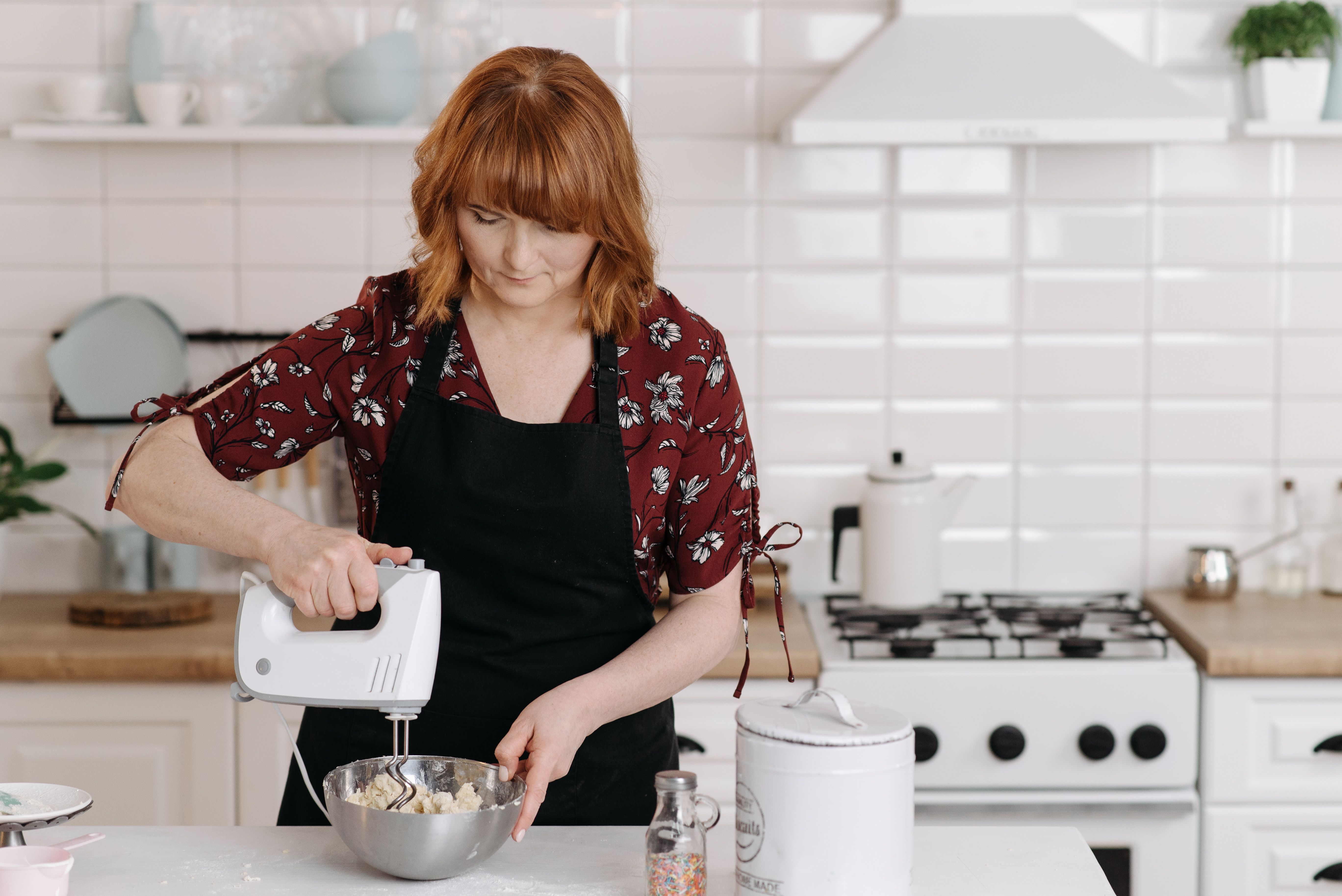
The biggest reason single-serve baking keeps reappearing is simple: households are smaller than many classic recipes assume. Traditional baking formulas were built for families, parties, church suppers, and neighborhood sharing. A pan of brownies, a layer cake, or a dozen muffins made sense when more people were at the table. For a person living alone, a couple without children, or roommates with different schedules, those same recipes can feel impractical from the start.
Demographic changes have made that mismatch more visible. In many countries, one-person households have grown steadily over the past few decades, and delayed marriage, urban living, and aging populations have all contributed. A full-size cake may sound appealing in theory, but it often becomes leftovers that linger too long. Single-serve baking answers that with a more realistic promise: one cookie, one ramekin cake, one baked oatmeal, one biscuit. It aligns the recipe with the eater.
This is also why single-serve baking has traction across age groups. College students want desserts they can make in limited kitchen spaces. Busy professionals want something fresh without committing to a whole batch. Older adults may no longer want to manage large quantities of food. What unites them is not trend-chasing but practicality.
Even culturally, food has become more individualized. People stream different shows, work different hours, and eat on different schedules under the same roof. The idea of making one warm treat for yourself no longer feels unusual. It feels modern, efficient, and in many cases more honest than pretending every kitchen still cooks for six or eight.
Waste Reduction Gives It Staying Power
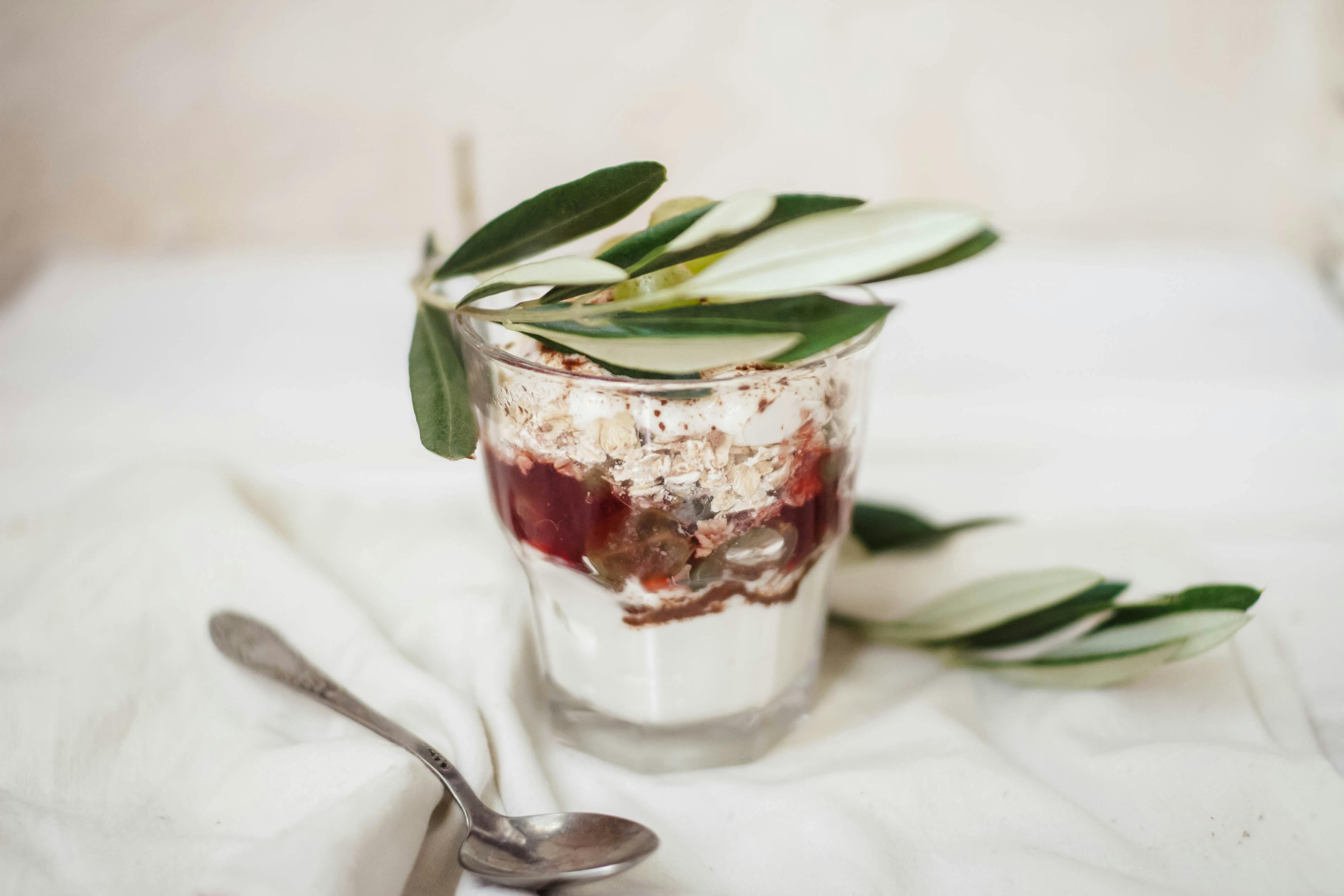
What keeps a food format alive is not novelty alone but usefulness, and single-serve baking is useful in a period when people are more sensitive to waste. Throwing away stale cake, dry muffins, or half a loaf of quick bread feels especially frustrating when grocery prices are high. Ingredients such as butter, eggs, chocolate, nuts, and vanilla have all had periods of price pressure in recent years. A failed large-batch bake costs more than it once did, and even a successful one can feel wasteful if much of it goes uneaten.
Single-serve recipes reduce that risk at nearly every stage. They use fewer ingredients, demand less time, and lower the penalty for experimentation. If a person wants to test a gluten-free flour blend, a sugar substitute, or a new flavor combination, making one portion is financially smarter than baking a full pan. It is the culinary version of a small bet, and that matters in households where every grocery purchase is scrutinized.
There is also a psychological shift behind this. People increasingly talk about sustainability not only in terms of packaging and food miles but in terms of what actually gets consumed. A homemade dessert that ends up in the trash is still waste, even if it came from a well-intentioned scratch recipe. Single-serve baking narrows the gap between desire and use. You make what you want, eat what you make, and move on.
The freezer can solve some surplus problems, but not every baked good survives freezing well, and not every baker wants a freezer full of individually wrapped slices. Single-serve baking removes the storage question entirely. In that sense, its appeal is not just culinary. It reflects a broader preference for right-sized consumption, where the quantity fits the moment instead of creating a future burden.
It Fits the Convenience Culture Without Feeling Like Fast Food
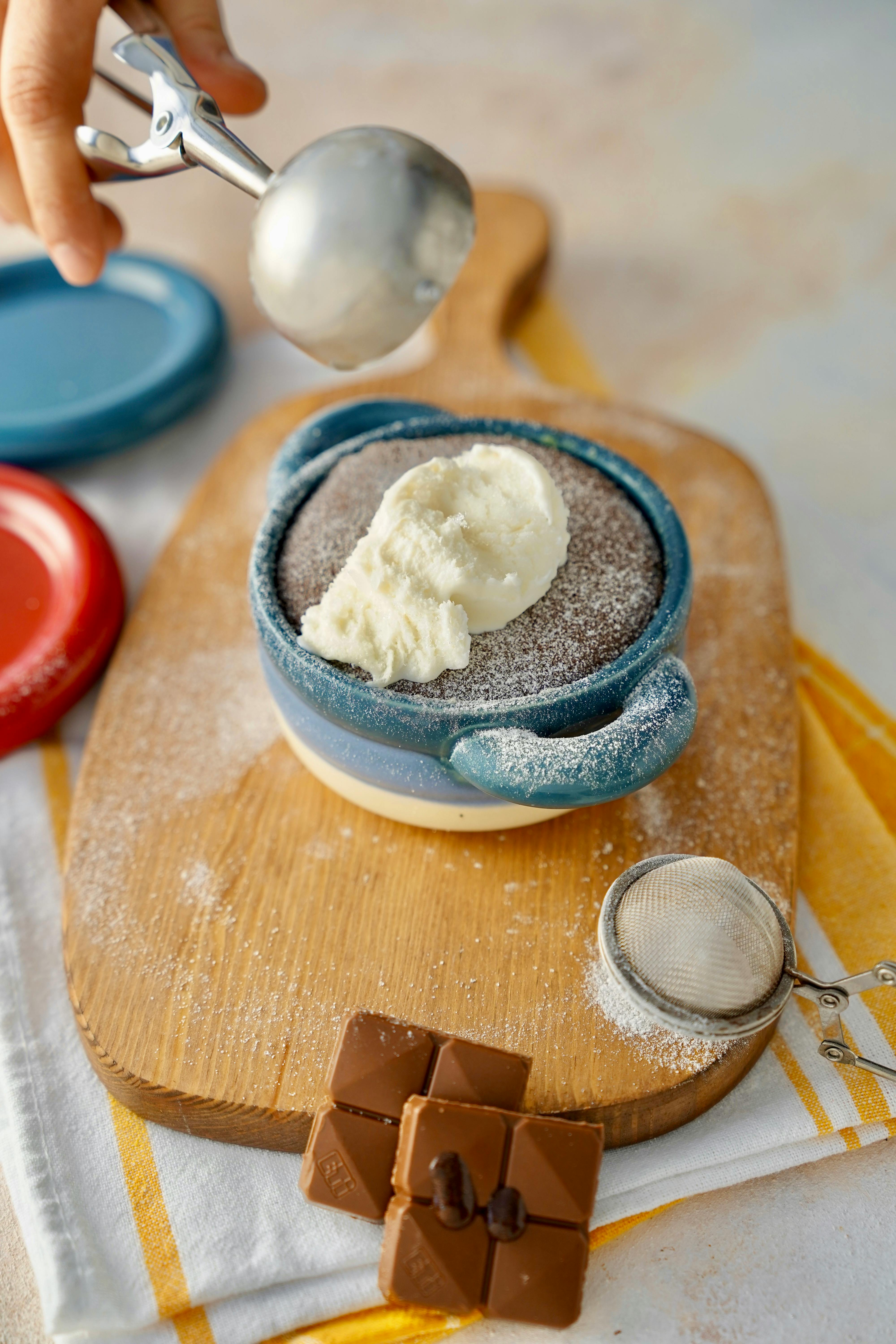
Convenience is often discussed as if it belongs only to packaged snacks and takeout, but single-serve baking has found a place in the same conversation. It offers speed and simplicity while preserving the emotional value of making something from scratch. That combination is powerful. People want food that is easy, but they also want rituals that feel personal, restorative, and a little more meaningful than tearing open a wrapper.
The rise of mug cakes helped prove the point. They were not always the best example of baking craft, and some became internet jokes for rubbery texture or uneven cooking. But their popularity revealed a real appetite for fast, portioned desserts made at home. A five-minute brownie in a ramekin or a microwave cake in a mug may not replace a bakery pastry, yet it satisfies a specific need: fresh dessert now, with minimal cleanup and no leftovers.
Technology and media habits have reinforced this behavior. Social platforms reward recipes that are visual, compact, and low-commitment. A one-person cookie skillet or a single cinnamon roll is easier to present and easier for viewers to imagine making right away. Recipe developers know this, which is one reason these formats keep circulating. They fit modern attention spans without requiring people to stop caring about quality.
At the same time, convenience no longer automatically means low standards. Many single-serve recipes are now carefully engineered, with attention to crumb, moisture, and balance. Food writers and test kitchens have refined them well beyond the novelty stage. What once looked like a shortcut now looks more like a category, one built for people who want immediacy without surrendering freshness or control.
Portion Control Makes It Emotionally and Nutritionally Appealing

Single-serve baking stays relevant because it occupies a rare middle ground between indulgence and restraint. People often do not want to ban sweets, but they also do not want a tray of bars on the counter for three days. One serving offers a clear boundary. It creates room for pleasure without turning dessert into a repeated temptation simply because it is sitting within reach.
That appeal reaches beyond dieting culture. Nutrition experts have long noted that environment shapes eating behavior, and portion size strongly influences consumption. If a household has twelve cookies available, more cookies are likely to be eaten. If there is one fresh cookie, the decision is simpler and often more satisfying. The dessert becomes intentional rather than ambient. For many people, that feels healthier psychologically as well as physically.
There is another emotional factor at work: permission. A single-serving recipe can feel easier to justify than a large-batch bake, especially on an ordinary weeknight. It removes the sense of excess. You are not making a giant cake "just because." You are making one warm apple crisp after dinner or one small chocolate cake on a stressful Tuesday. That scale makes comfort feel reasonable instead of extravagant.
This is especially important in wellness-conscious markets, where consumers are skeptical of extremes. The same person who buys high-protein yogurt or reads labels for added sugar may still want dessert. Single-serve baking supports moderation without moral drama. It does not demand abstinence, and it does not encourage overproduction. That balance is one reason it keeps resurfacing in magazines, cookbooks, and recipe platforms whenever food culture swings back toward mindful eating.
It Encourages Experimentation and Low-Risk Creativity
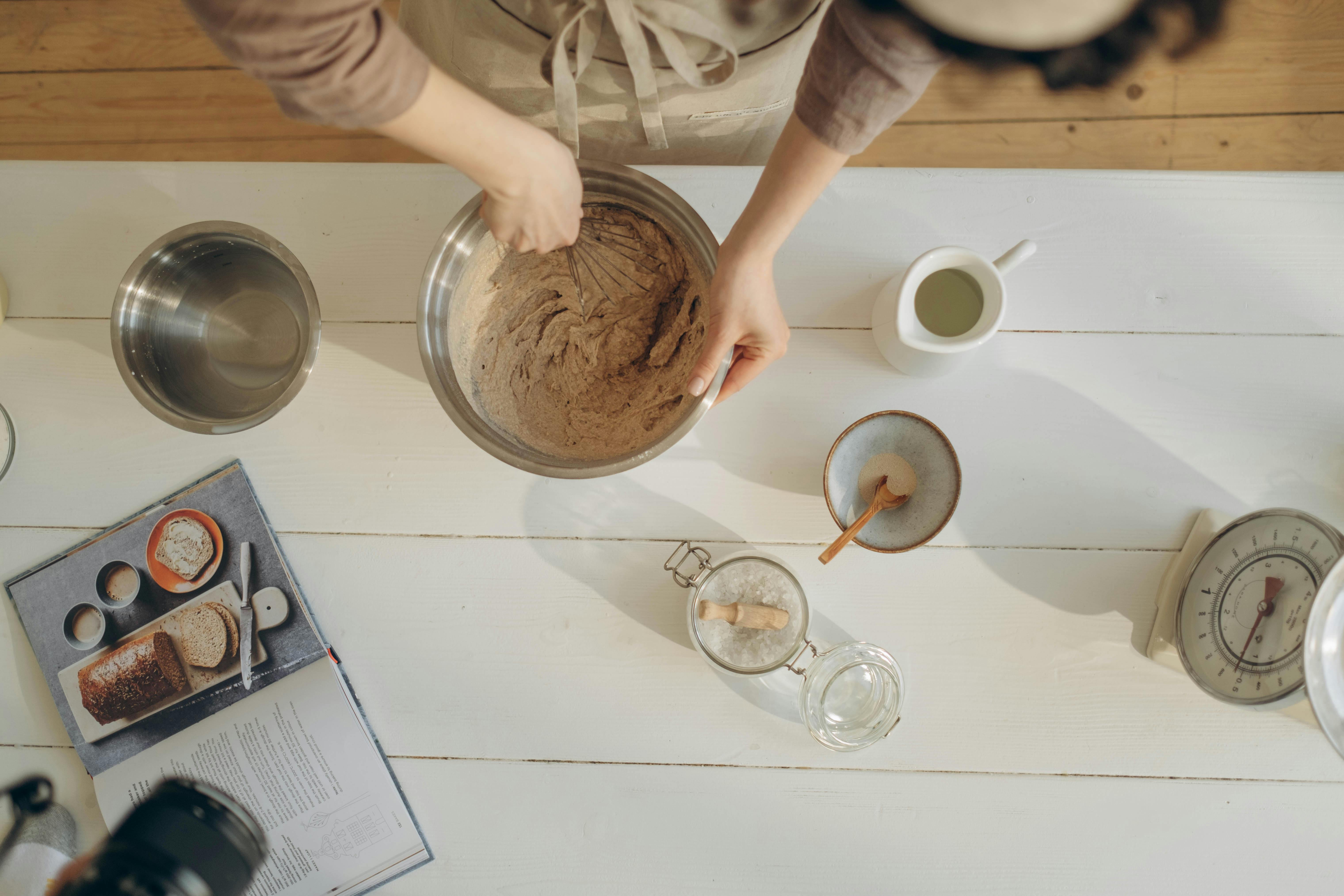
One of the least appreciated strengths of single-serve baking is how well it supports learning. Large recipes can be intimidating because they ask for commitment. If a technique fails, more ingredients are lost, more time is wasted, and disappointment feels bigger. Small-format baking lowers those stakes. A home baker can test brown butter, tahini, rye flour, cardamom, or olive oil in a single dessert without risking an entire afternoon's work.
This has made single-serve baking especially popular among newer bakers. Someone with limited experience may not be ready to tackle laminated dough or a three-layer cake, but a small cobbler or mini clafoutis feels approachable. The scale is manageable, the process is visible, and mistakes are easier to diagnose. You learn faster when the project is compact. That educational value helps explain why these recipes often trend during periods when more people are cooking at home.
Professional recipe developers have also embraced the format for practical reasons. Smaller recipes allow for rapid iteration, and they reflect how audiences increasingly use recipes today: less for formal occasions, more for flexible daily life. A single banana left on the counter becomes one banana muffin. Half an apple becomes one turnover. A spoonful of peanut butter turns into a small cake. The recipe works with scraps and odds rather than demanding perfect planning.
Creativity also thrives because single-serve desserts invite personalization. One person adds espresso powder, another uses berries, another swaps dairy-free milk. The result feels custom, not standardized. In an era when food identity matters, that is a major advantage. Single-serve baking is not only efficient; it is adaptable. It keeps returning because it lets people play, learn, and improvise in a way that larger, more rigid recipes often do not.
Nostalgia, Comfort, and Media Cycles Keep Reviving It
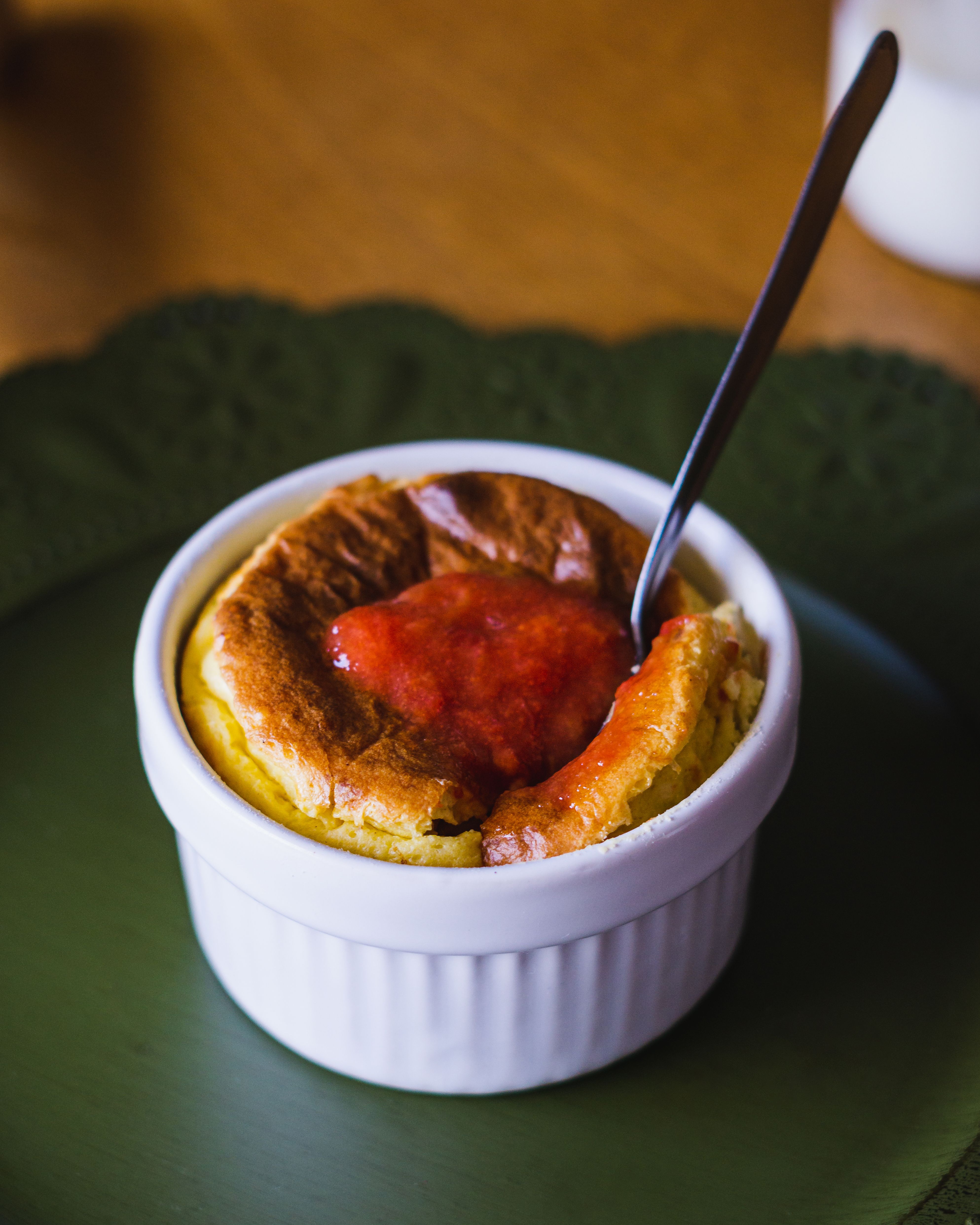
Food returns in cycles, and single-serve baking benefits from that pattern as much as any style of cooking. Every few years, audiences rediscover the appeal of cozy, manageable home rituals. When the world feels expensive, fast, or unstable, recipes that promise warmth and control tend to rise. A personal cobbler or mini pot pie dessert fits that emotional climate perfectly. It is comforting, familiar, and small enough to feel achievable even on a difficult day.
The pandemic years gave this format another boost, but the roots go deeper than that moment. During lockdowns, many people cooked more for themselves and smaller household units. They wanted treats without waste, projects without complexity, and comfort without a trip to the store for specialty ingredients. Single-serve recipes met all three needs. Even after routines normalized, the habits remained because the logic behind them had not changed.
Media cycles keep amplifying the comeback. Editors, cookbook authors, and social creators revisit single-serve formats because they perform well and because the premise is instantly understandable. The best versions combine emotional resonance with practical utility, which is exactly what strong food content needs. One-person brownies and mini cheesecakes are easy to title, easy to photograph, and easy to click on. That recurring visibility makes the category feel new again, even when it is really resurfacing in another wave.
What looks like repetition is actually durability. Single-serve baking keeps showing up because it answers recurring conditions: smaller households, budget pressure, changing wellness goals, and a steady appetite for comfort. It is not a gimmick that somehow refuses to disappear. It is a format that remains useful whenever daily life demands food that is affordable, manageable, and satisfying in exactly the right amount.