
Cheap no longer wins by default. In many stores, the middle aisle is losing traffic even when it holds the lowest-priced options.
The old supermarket map is losing its power
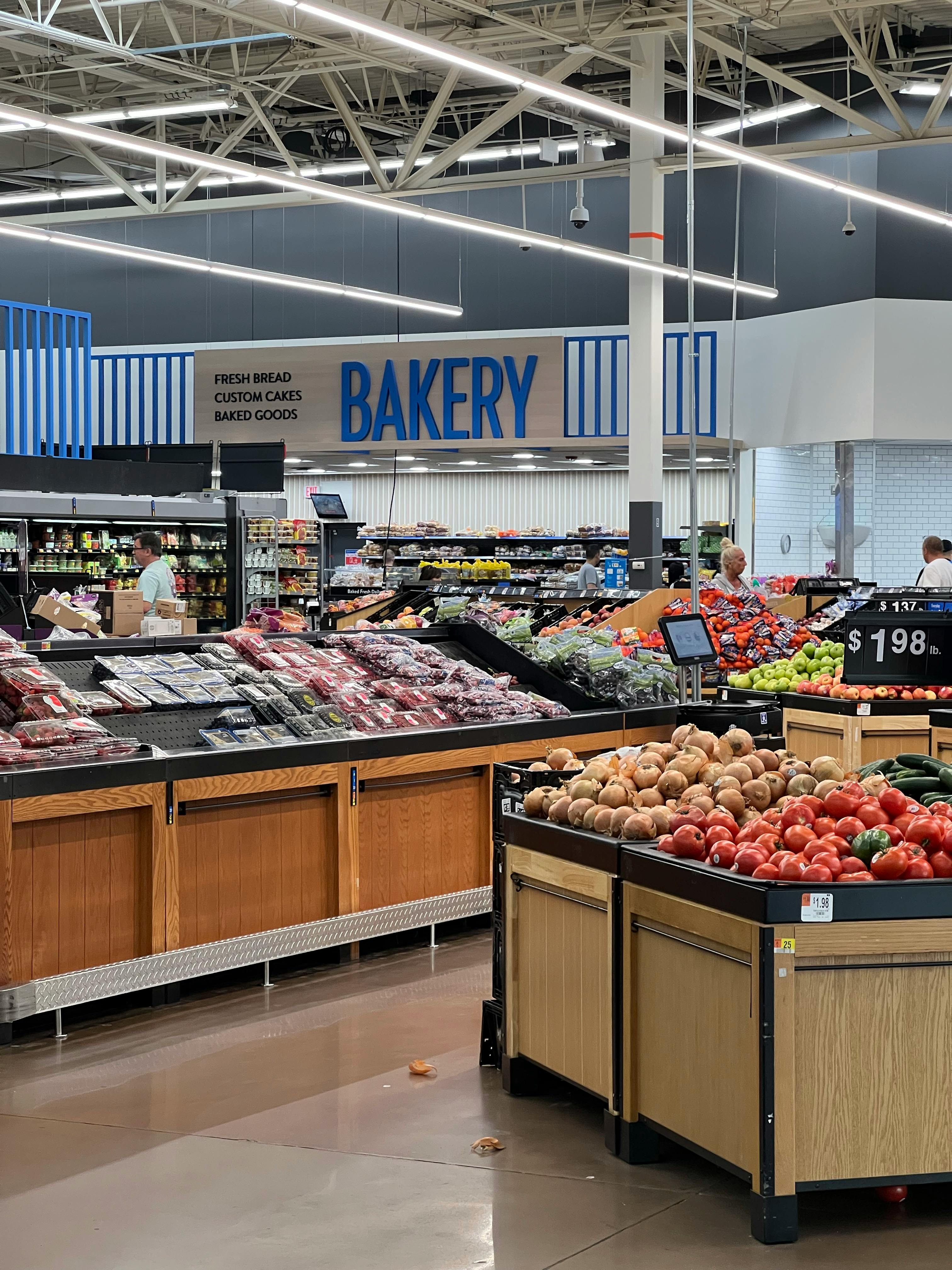
For decades, retailers relied on a familiar pattern. Fresh produce, bakery, dairy, and meats sat around the store perimeter, while shelf-stable goods filled the center. That layout trained shoppers to cross the middle aisles routinely, picking up cereal, canned goods, snacks, paper products, and impulse extras along the way.
That pattern is weakening because shopping trips have changed. Many consumers now enter stores with shorter lists, tighter schedules, and stronger intentions. Instead of browsing, they move directly to what they need, often hugging the outer edge where staple fresh items are easier to spot and compare.
Retail analysts have noted that quick-trip behavior has grown since the pandemic years. When shoppers are making smaller, more frequent visits, they are less likely to wander. A cheaper box of crackers in aisle 7 matters less if the shopper never turns into aisle 7 at all.
Time, not price, is becoming the real premium
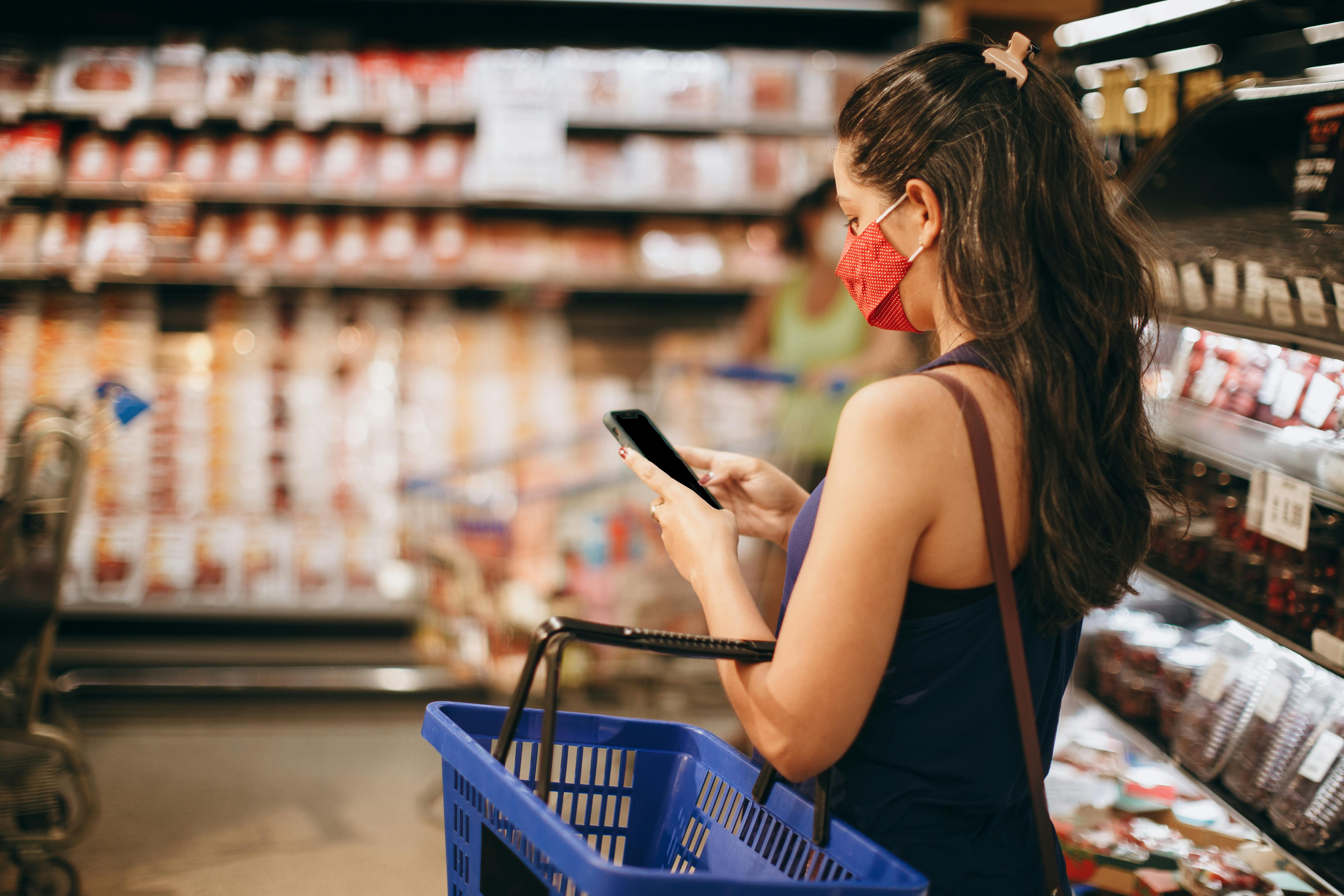
Speed now shapes grocery behavior as strongly as budget. For a parent shopping after work or a commuter stopping in on the way home, saving five minutes can feel more valuable than saving $2 on pantry items. That tradeoff is one of the biggest reasons the middle aisle gets ignored.
Store apps, digital shopping lists, and curbside habits have reinforced this mindset. Once shoppers get used to targeted buying, they carry that efficiency into in-person trips. They know the exact brand, quantity, and section they want, and the middle aisle often represents delay, not discovery.
There is also a psychological cost to lingering. More choices create more decision fatigue, especially in center-store categories where dozens of similar products compete on one shelf. Faced with a long aisle of low-priced but highly repetitive options, many consumers would rather avoid the mental work entirely.
Health goals are quietly pushing shoppers outward

The middle aisle still contains many bargains, but it also carries a reputation problem. Consumers increasingly associate center-store products with ultra-processed foods, added sugar, sodium, and long ingredient lists. Even when that perception is not fully fair, it influences where carts go.
Fresh departments benefit from a stronger health halo. Fruit, vegetables, yogurt, eggs, and prepared fresh meals appear simpler and more aligned with wellness routines. A 2024 wave of consumer surveys across food retail showed that many households are trying to buy fewer heavily processed snacks and more recognizable ingredients.
That shift matters because shopping is partly aspirational. People do not only buy for price; they buy for the version of themselves they want to be. If the middle aisle symbolizes backsliding on health goals, even cheaper products can lose to more expensive items that feel cleaner or fresher.
Promotions are no longer as persuasive as they used to be

A discount used to pull shoppers deeper into the store. Today, promotions compete with a more skeptical customer who has seen shrinkflation, confusing unit pricing, and endless sale tags. Cheap alone does not create urgency if shoppers suspect the value is less impressive than it looks.
Private-label growth has changed the equation too. Many lower-priced options now exist across the store, not just in the center aisles. If a shopper can buy affordable salad kits, eggs, rotisserie chicken, or frozen vegetables without walking past rows of shelf-stable goods, the middle loses another advantage.
Retailers are also pushing meal solutions at the front and perimeter. End caps, grab-and-go coolers, and prepared food stations catch attention fast. These displays satisfy immediate needs, which often beats the slower, more deliberate task of searching center shelves for the absolute lowest price.
Store design and digital habits are redirecting foot traffic
The path shoppers take is increasingly engineered around convenience. Many modern stores place high-demand essentials near the entrance or create shortcut lanes that let people bypass large parts of the center. That design reduces congestion, but it also reduces accidental discovery in the middle aisle.
Online grocery has had a spillover effect on physical stores. Consumers who regularly build digital carts become less open to browsing because they are trained to search by item, not by aisle. In-store, that same habit produces direct, efficient movement rather than slow exploration.
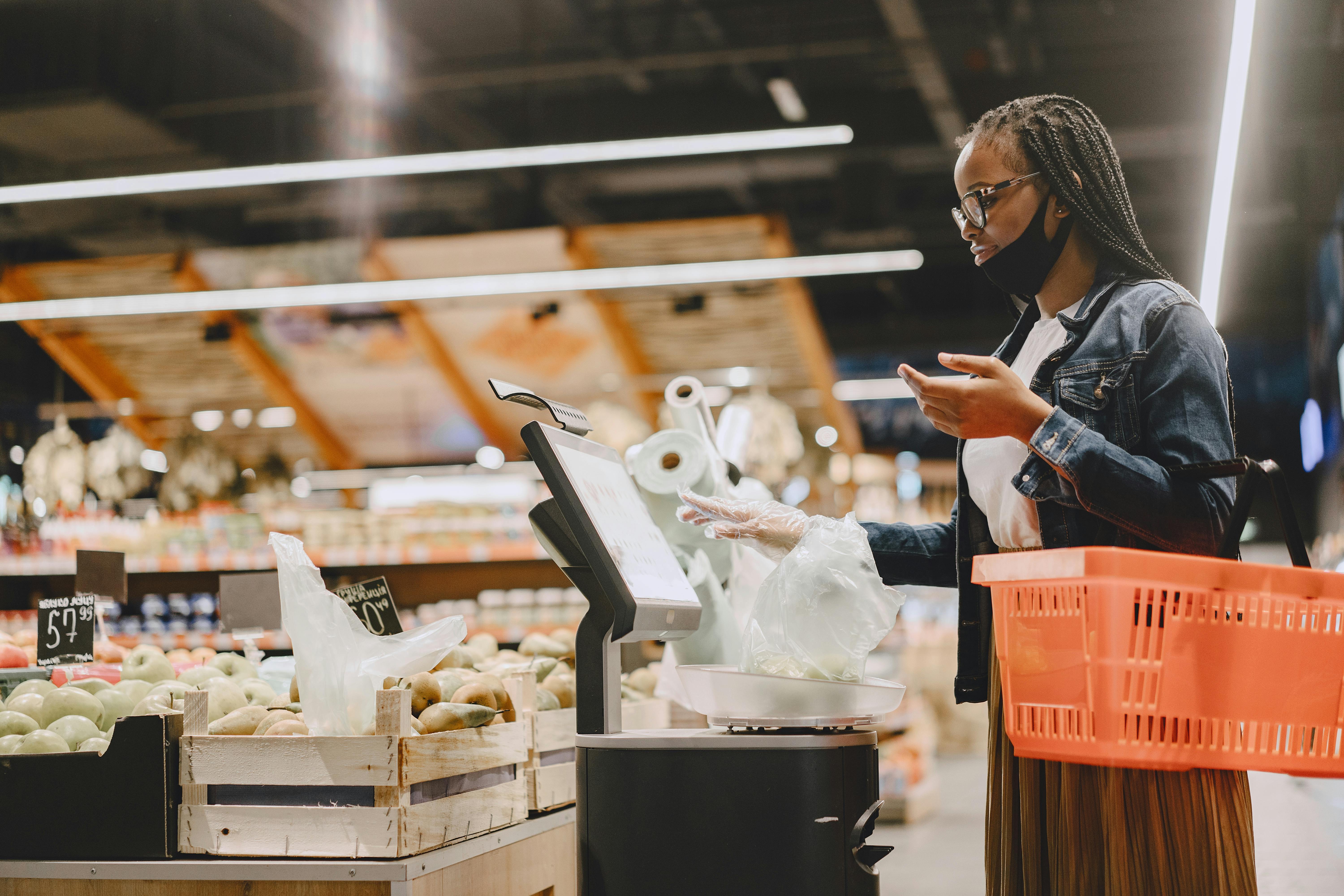
Even self-checkout plays a role. Shoppers using baskets instead of full carts often buy less and finish faster. With fewer bulky center-store items and less patience for detours, they naturally prioritize compact, immediate purchases over long scans of discounted pantry inventory.
The middle aisle is not dead, but it must earn attention differently
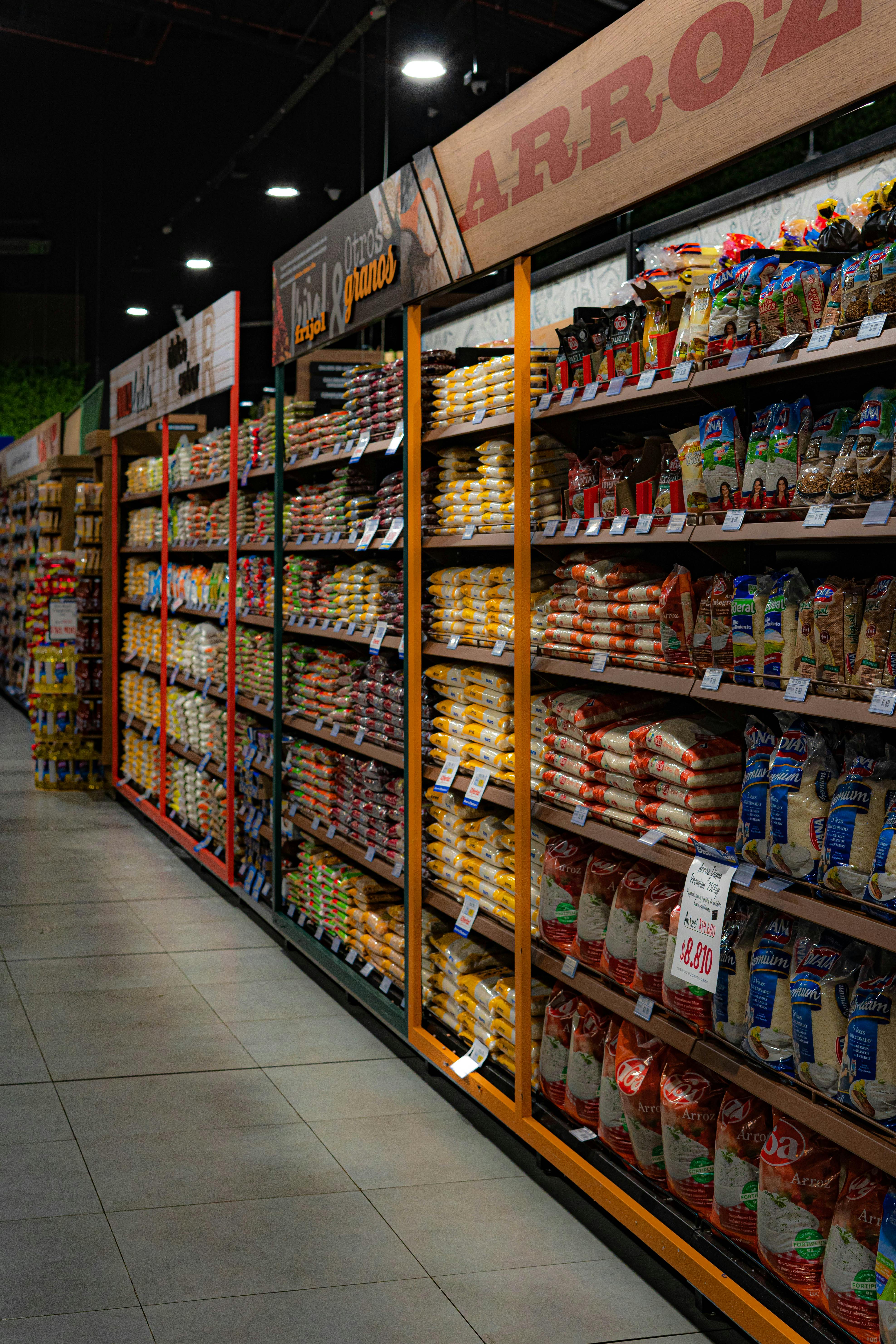
Center-store categories still matter enormously. Household supplies, pet food, pasta, canned tomatoes, coffee, and cleaning products remain essential purchases. But those aisles can no longer rely on habit alone, because habit has been replaced by mission-driven shopping and stronger filters around time, health, and trust.
Retailers that adapt tend to make the middle aisle easier to navigate and more relevant. Clearer signage, tighter assortments, stronger unit-price transparency, and better cross-merchandising can help. So can highlighting genuinely useful value, such as meal bundles or healthier pantry staples that solve a real need.
For shoppers, the shift reflects a broader truth about modern spending. People still care about price, sometimes intensely, but they now weigh it against effort, identity, and confidence. When the middle aisle feels slow, confusing, or out of step with personal goals, even a cheaper product can be easy to skip.



Leave a Reply