A discount sticker can now shape dinner as much as a family recipe. Sale-day shopping has become a powerful force in how households choose ingredients, plan meals, and think about cooking at home.
Discounts now decide the menu before hunger does
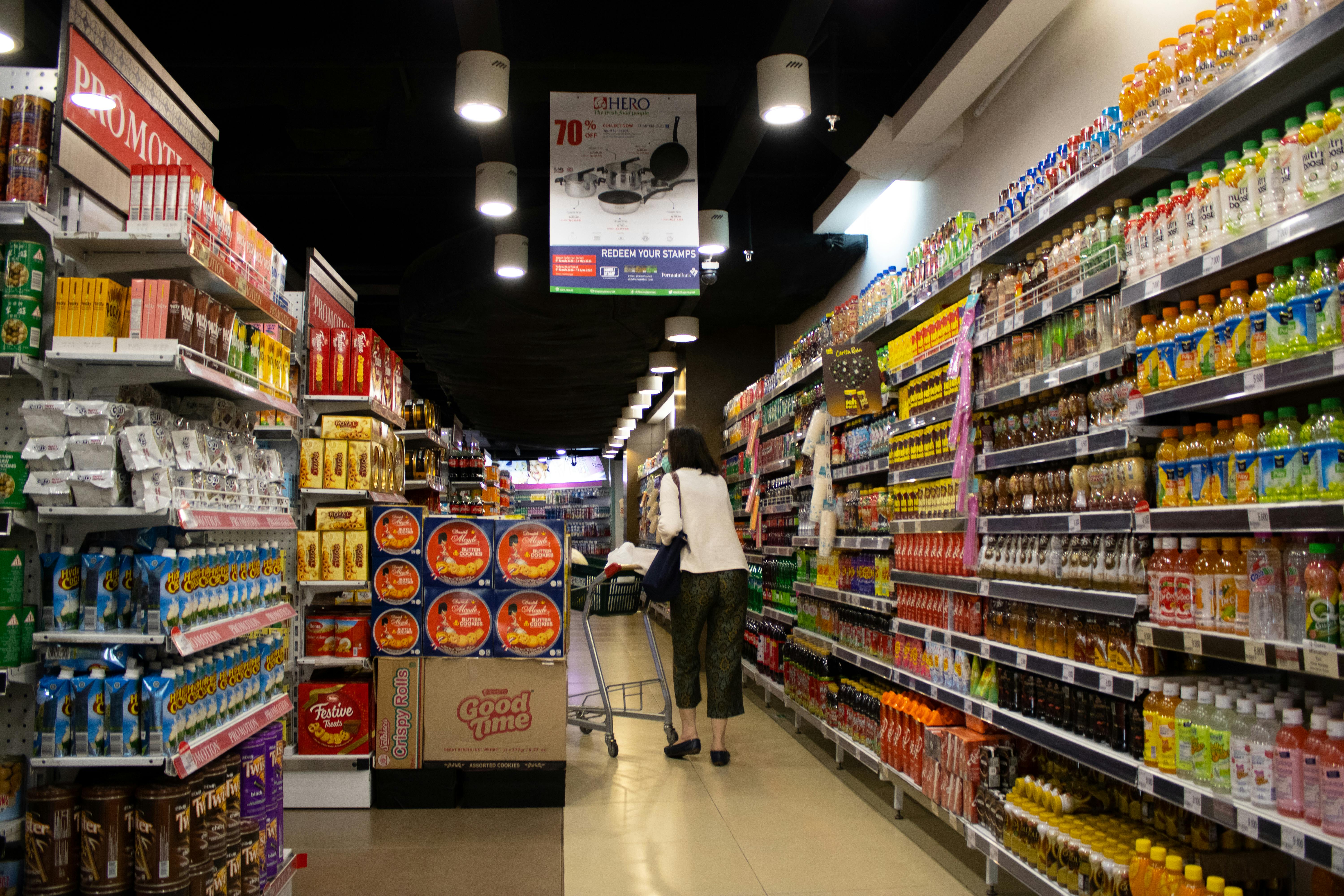
The old pattern was simple: people decided what they wanted to eat, then went to the store to buy the ingredients. Sale-day shopping has flipped that sequence. Many households now begin with promotions, loyalty app offers, and bulk discounts, then build meals around what is cheapest or most strategically priced that week. This change is not just about frugality. It reflects a new kind of kitchen decision-making where price signals influence taste, routine, and even cooking confidence.
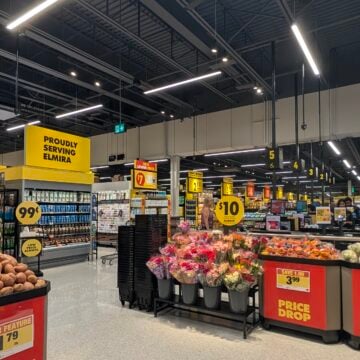
Retailers have become highly sophisticated in how they shape those decisions. Supermarkets use weekly circulars, digital coupons, app-only deals, and limited-time markdowns to direct attention to specific ingredients. A shopper who planned pasta may end up making stir-fry because bell peppers, chicken thighs, and bottled sauces are all featured at once. According to food retail analysts, temporary price reductions are among the strongest drivers of unplanned grocery purchases, especially in fresh and frozen categories where perceived savings feel immediate and useful.
This has changed the mental structure of meal planning. Instead of maintaining a fixed rotation of favorite dishes, more people now keep a flexible list of possible meals based on what is on sale. Home cooks increasingly think in templates rather than recipes: a grain bowl, a soup, a sheet-pan dinner, a taco night. The specific ingredients can change according to deals. This flexibility can make cooking feel more creative, but it also means the market is quietly steering what ends up on the table.
There is also a psychological effect. Shoppers often feel they are cooking smarter when they successfully turn sale items into meals with low waste. That sense of efficiency matters in a time when food prices remain a major household concern. What once looked like bargain hunting now functions as a central cooking strategy, especially for families trying to balance nutrition, convenience, and cost.
Technology has made bargain-driven cooking faster and more deliberate

What changed sale-day shopping most was not only pricing but visibility. Digital tools now tell shoppers exactly when to buy, what is worth buying, and how long a deal will last. Grocery apps, retailer alerts, cashback programs, and digital flyers have turned sale awareness into a constant stream of prompts. For many households, the shopping list is no longer handwritten from memory. It is assembled in conversation with a phone screen that keeps surfacing new opportunities.
That has made cooking more deliberate in one sense and more reactive in another. A shopper can compare unit prices, scan for protein discounts, and match coupons to weekly menus with impressive precision. At the same time, technology can nudge people into buying ingredients they had not considered, simply because the savings appear too good to ignore. A discounted air fryer accessory, a buy-one-get-one sauce, or a flash sale on shrimp can quickly redirect what the household cooks that week.
Social media adds another layer. Sale finds are now shared as content. Creators build entire meal plans around low-cost hauls from discount grocers, warehouse stores, and supermarket markdown bins. Viewers do not just see recipes. They see a system for cooking economically, often with step-by-step explanations of how to stretch ingredients across several days. This has made cost-conscious cooking feel less private and more like a mainstream skill worth learning and displaying.
The result is a kitchen culture that blends budgeting with performance. People increasingly take pride in saying a meal was made from marked-down salmon, reduced bakery bread, or produce bought at the end of the day. In earlier decades, discount-driven cooking may have been framed as necessity. Today it is often presented as resourceful, strategic, and even aspirational, especially when paired with efficiency and low waste.
Sale cycles are changing what skills home cooks value most
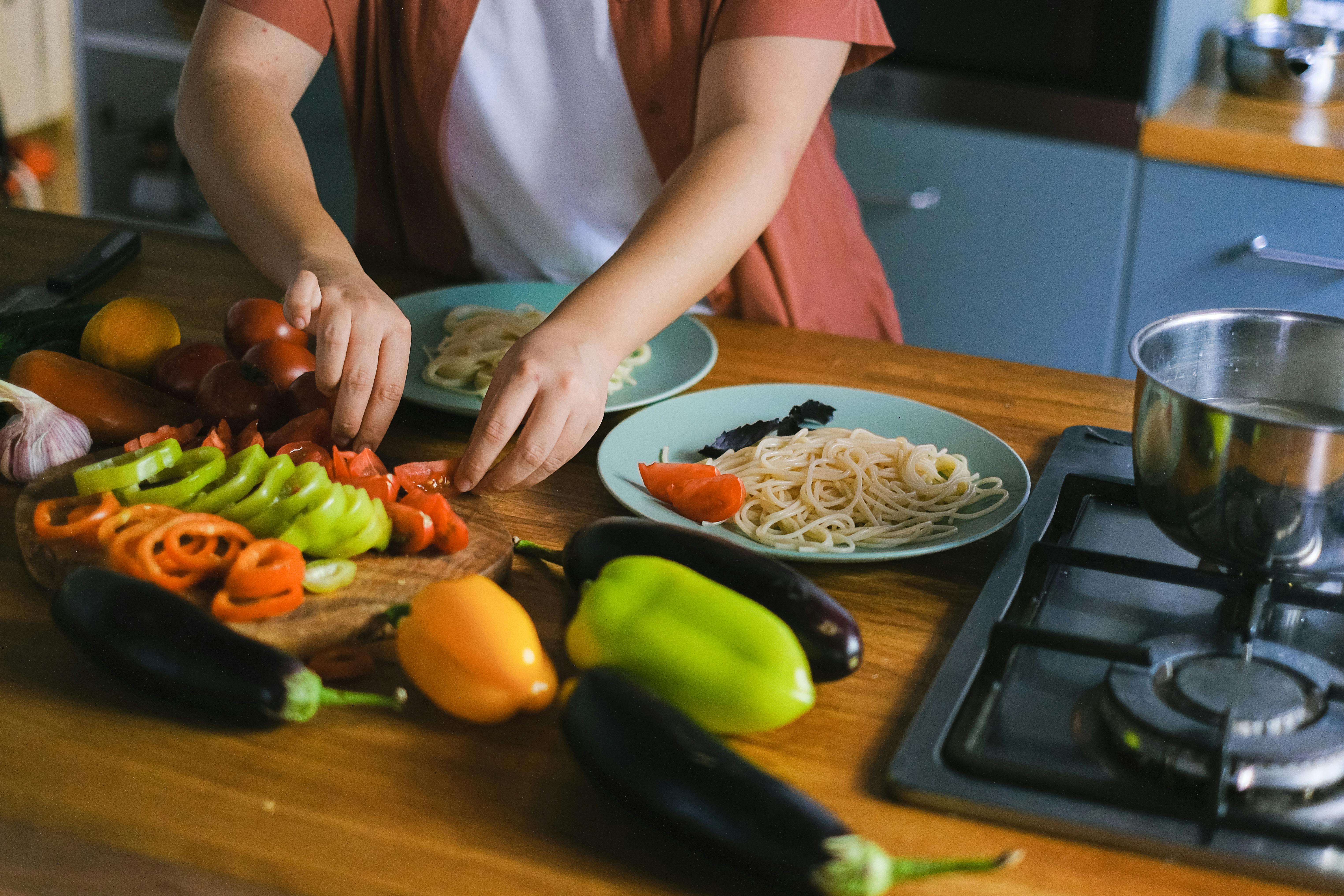
When promotions shape ingredients, the most useful cooking skills also change. Precision baking and elaborate recipe memorization still matter, but sale-day cooking rewards a different set of abilities. The strongest home cooks today are often the ones who can improvise, substitute, preserve, and repurpose. They know how to turn discounted yogurt into marinade, stale bread into crumbs, bruised fruit into compote, and extra roast chicken into soup, tacos, or fried rice.
This is one reason certain cooking methods have become so popular. Sheet-pan meals, slow cookers, pressure cookers, and air fryers all work well with variable ingredients and uneven quantities. They suit the logic of sale-day buying because they can handle substitutions without much loss of quality. A household that bought zucchini instead of broccoli, pork shoulder instead of beef, or frozen berries instead of fresh can still produce a reliable meal. Flexibility, not perfection, becomes the key kitchen talent.
Professional chefs and food educators have increasingly emphasized these adaptive skills. Cooking classes, newspaper food columns, and test kitchen publications now regularly teach formula-based cooking rather than rigid recipes. The message is clear: learn the structure of a stir-fry, soup, frittata, roast, or grain bowl, and you can cook from what is available and affordable. That advice aligns perfectly with how many consumers now shop, especially when weekly sales determine ingredient flow.
There is a cultural shift here as well. For years, food media often celebrated aspiration through rare ingredients and polished presentation. Sale-day shopping has helped pull attention back toward practical intelligence in the kitchen. The admired cook is increasingly the one who can feed four people well from discounted produce, pantry staples, and leftovers. That is not a lowering of standards. It is a redefinition of culinary competence around real household conditions.
The future kitchen will be built around flexibility, not fixed recipes
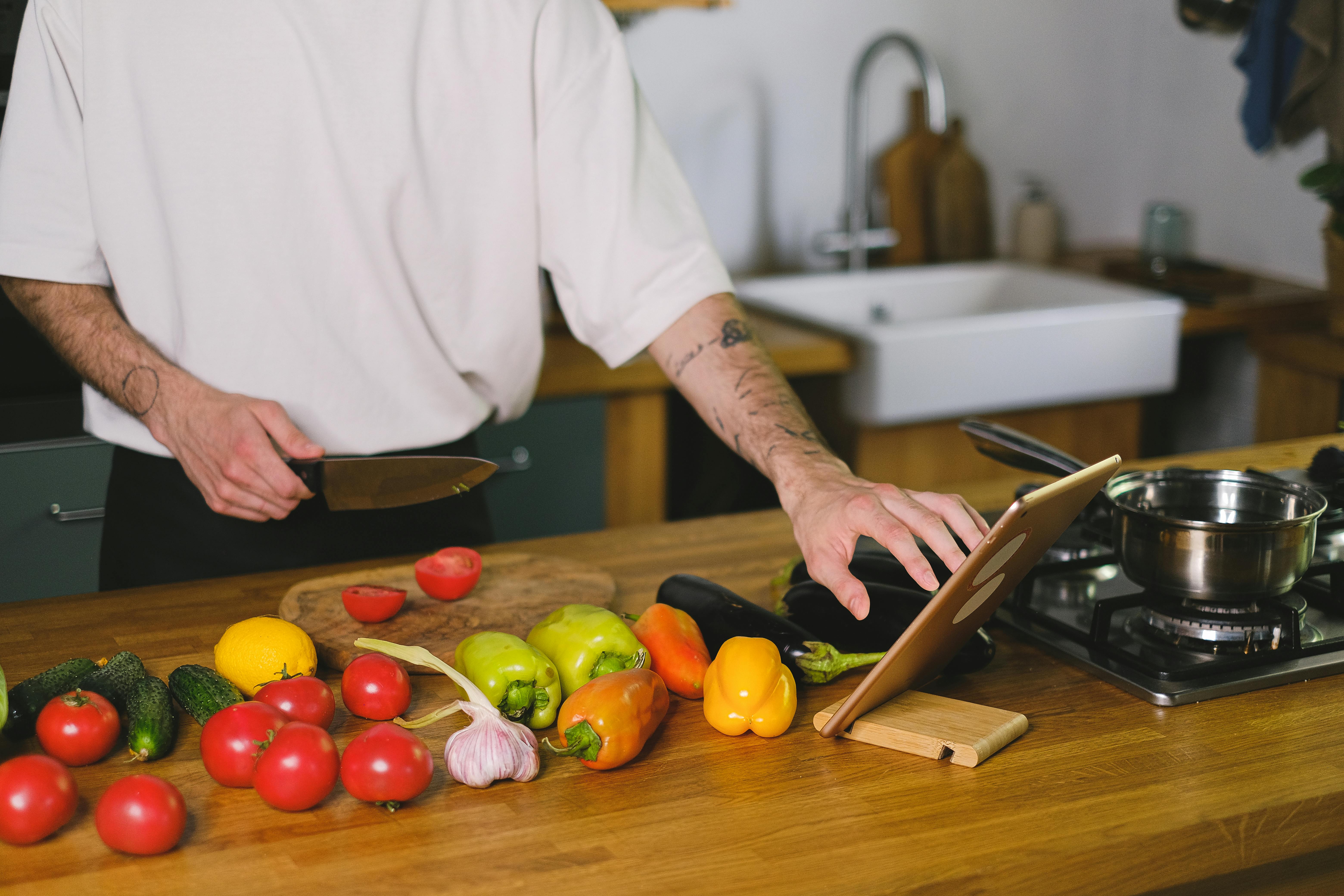
The biggest change sale-day shopping has created is philosophical. Cooking at home is becoming less about executing a predetermined recipe and more about responding intelligently to what is available. That mindset favors flexible meal architecture, stronger pantry planning, and a more dynamic relationship between stores and kitchens. It is a major departure from the old idea that good cooking begins with a strict ingredient list.
Retailers are likely to reinforce this direction. Expect more personalized promotions, better inventory-based discounts, and smarter apps that suggest meals directly from purchased sale items. Some grocery platforms already offer recipe prompts tied to current deals, making the connection between discount and dinner almost seamless. As these systems improve, shoppers may rely even more on retailers to shape what they cook, intentionally or not.
Food brands are adapting as well. More products are now marketed as versatile bases rather than single-use ingredients. Broths, sauces, seasoning blends, frozen vegetables, and cooked grains are framed as shortcuts for turning whatever is on hand into a meal. This reflects a broader understanding of how people live now. They want value, speed, and room to adapt when a sale changes the plan. The era of rigid weekly menus is giving way to a looser but often more resilient style of home cooking.
In the end, sale-day shopping is changing the way people cook because it changes the order of decision-making. Price comes earlier, flexibility matters more, and creativity is increasingly tied to constraint. For many households, that is not a compromise. It is a practical and modern way to cook, shaped by economics, technology, and a new respect for making good meals from what the week happens to offer.