
Morning eating habits are changing fast. For many people taking ozempic users, breakfast has become less about routine and more about strategy.
The medication changes how hunger shows up

One major reason breakfast is getting a makeover is that ozempic users reduce appetite and slow stomach emptying. That can make large meals feel unappealing, especially early in the day. Many users report they simply cannot tolerate sugary cereals, pastries, or heavy fast-food breakfasts the way they once did.
A smaller meal needs to work harder nutritionally. Protein stands out because it helps support fullness even when portions shrink. Dietitians who work with ozempic users often say the first meal matters because it can set the tone for steadier eating later, rather than a day built around skipping meals and then under-eating key nutrients.
This matters because reduced appetite is not automatically the same as balanced nutrition. People on these medications may eat less overall, but they still need adequate protein, vitamins, minerals, and fluids. A protein-rich breakfast is one of the simplest ways to begin closing that gap.
Protein helps protect muscle during weight loss

Weight loss is often the goal with ozempic drugs, but experts have become increasingly vocal about body composition. When people lose weight quickly, they can lose not only fat but also lean muscle mass. That is one reason high-protein breakfasts are gaining traction among clinicians, trainers, and patients alike.
A 2024 wave of reporting in medical journals and major health outlets highlighted the concern that rapid weight reduction without enough protein or resistance exercise may leave people weaker over time. Muscle matters for everyday strength, balance, metabolism, and long-term weight maintenance. Preserving it is not just a fitness goal. It is a health goal.
Breakfast offers an easy place to anchor that effort. Eggs, Greek yogurt, cottage cheese, protein smoothies, tofu scrambles, and higher-protein oatmeal combinations can deliver meaningful amounts without requiring a large meal. For people who struggle to eat much later in the day, that morning intake can be especially valuable.
Blood sugar steadiness is part of the appeal

Another reason this trend is spreading is that many high-protein breakfasts are lower in refined carbohydrates than traditional morning fare. That shift can help reduce the sharp rise and fall in blood sugar that some people feel after juice, sweet coffee drinks, muffins, or white toast-heavy meals.
Even for users taking ozempic primarily for obesity rather than diabetes, steadier energy is a real benefit. Protein paired with fiber and healthy fat can create a more even sense of satisfaction across the morning. That often means fewer cravings and less temptation to graze on convenient snack foods before lunch.
Real-world eating patterns support this. Someone who swaps a bagel and flavored latte for plain Greek yogurt with berries and nuts may notice they stay comfortable longer. The change is not magic. It is a practical response to how slower digestion and smaller appetites reshape what feels good to eat.
Tolerance and side effects shape food choices

For many users, this is not only about nutrition science. It is also about comfort. Ozempic medications can cause nausea, early fullness, bloating, or food aversions, especially during dose increases. Breakfast foods that are simple, mild, and protein-rich often feel easier to manage than greasy or very sweet options.
That helps explain the popularity of foods like scrambled eggs, a small protein shake, or yogurt with fruit. These choices are usually straightforward, portion-friendly, and less overwhelming than a heavy diner-style breakfast. They can also be adjusted easily based on tolerance, which matters when appetite changes from day to day.
Clinicians commonly advise patients to eat slowly and stop before they feel too full. A protein-centered breakfast fits that approach well because even a modest serving can contribute meaningfully to daily needs. In that setting, quality becomes more important than quantity.
The wellness market is responding quickly
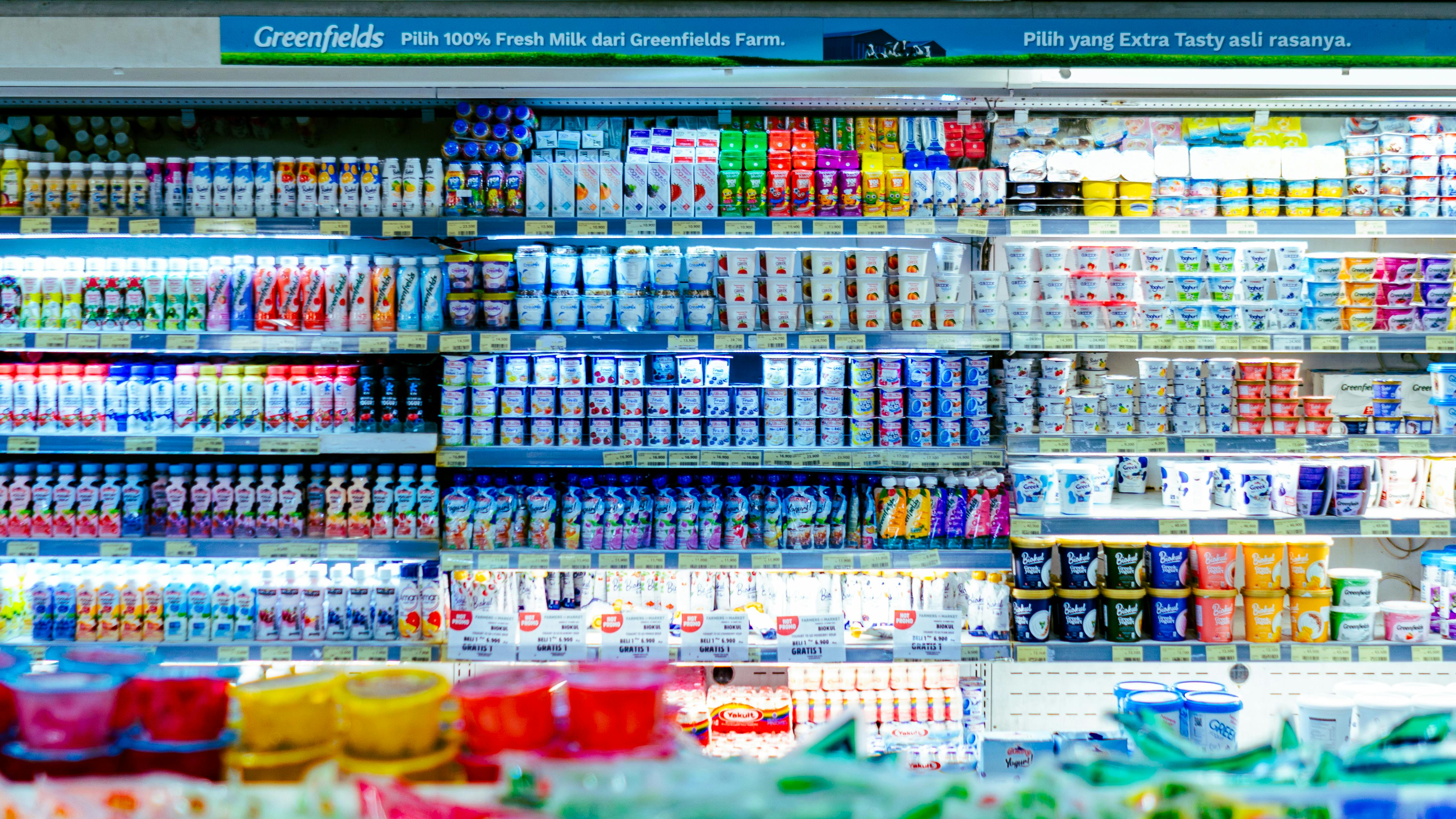
Food companies have noticed the shift. Grocery shelves now feature more high-protein waffles, drinkable yogurts, breakfast sandwiches, and ready-to-mix shakes marketed to people seeking fullness and weight-management support. While not every product is ideal, the category's growth reflects a genuine behavioral change.
Registered dietitians often caution that the label "high protein" is not enough on its own. Some packaged breakfasts still contain substantial added sugar or are low in fiber. The better options combine protein with a reasonable ingredient list and enough substance to support satiety without causing digestive discomfort.
Social media has accelerated the trend as well. Users share "GLP-1 friendly" breakfast ideas because mornings are often the hardest time to decide what sounds tolerable. In that sense, the movement is part medical, part cultural, and part highly practical problem-solving.
What a smart high-protein breakfast looks like

The best breakfasts for GLP-1 users are not necessarily large or expensive. They are usually balanced, easy to digest, and realistic to repeat. Many dietitians suggest aiming for a meaningful protein serving, then adding fiber-rich produce or grains and adequate hydration, especially since reduced appetite can also reduce fluid intake.
Examples include eggs with whole-grain toast and berries, cottage cheese with chia and fruit, or a smoothie made with protein, milk, and spinach. For plant-based eaters, soy yogurt, tofu, edamame, and nut or seed additions can help close the protein gap. Convenience matters, so simple routines often work best.
The broader lesson is clear. As GLP-1 medications change how people eat, breakfast is becoming a key opportunity to protect muscle, improve comfort, and make smaller meals count. High-protein mornings are catching on because they answer several needs at once.




Leave a Reply