
The next time your favourite restaurant seems to offer fewer choices, it may not be by accident. Across Canada, many eateries are trimming their menus as a smart way to manage rising costs without driving customers away with higher prices.
Smaller Menus Can Help Hold Prices Steady

Many Canadian restaurants are facing rising costs for food, labour, rent, utilities, and transportation. Instead of responding with another round of menu price increases, some operators are choosing a different strategy by reducing the number of dishes they serve.
A smaller menu allows restaurants to focus their spending on ingredients that sell consistently. Rather than stocking dozens of specialty items that may only be ordered occasionally, kitchens can purchase fewer ingredients in larger quantities, often reducing waste and improving inventory management.
For customers, this approach can help keep prices more stable. While some menu favourites may disappear, restaurants hope that offering fewer choices today will prevent even higher prices tomorrow.
Fewer Dishes Mean Less Food Waste

Every menu item requires its own ingredients, and not all of them are used at the same pace. Restaurants with large menus often need to keep specialty ingredients in stock even if they are ordered only a few times each week.
When those ingredients expire before being used, the business loses money through food waste. Reducing menu size allows kitchens to rely on ingredients that are used more frequently, helping improve freshness while lowering unnecessary waste.
Less waste also benefits the environment. Throwing away fewer ingredients means fewer resources are lost throughout the food supply chain, making streamlined menus both financially and environmentally practical.
Simpler Menus Help Kitchens Work Faster
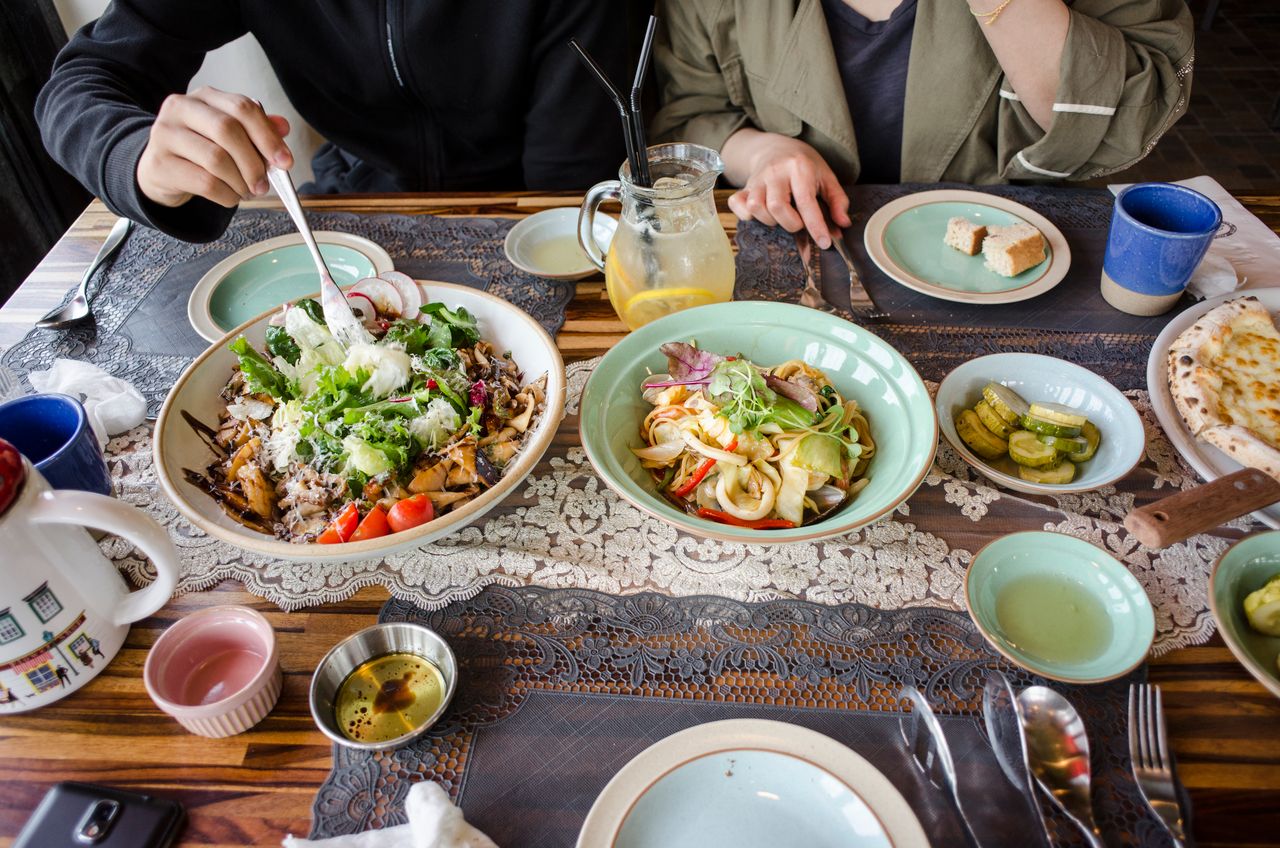
Busy kitchens depend on efficiency, especially during lunch and dinner rushes. Every additional menu item adds more preparation steps, ingredients, equipment, and cooking techniques that staff must manage at the same time.
With a smaller menu, chefs and kitchen teams can prepare meals more quickly because they repeat the same recipes more often. Familiarity improves speed, organization, and communication, allowing restaurants to serve customers more efficiently during peak hours.
Faster preparation can also improve the overall dining experience. Shorter wait times help restaurants serve more guests while reducing stress for both kitchen employees and front-of-house staff.
Restaurants Can Focus on Their Strongest Dishes

Not every menu item contributes equally to a restaurant's success. Some dishes become customer favourites, while others generate few orders despite requiring additional ingredients and preparation time.
By analyzing sales data, many restaurants identify which meals perform best and remove slower-selling options. This allows chefs to concentrate on dishes that customers already enjoy while improving consistency across the menu.
A more focused menu can strengthen a restaurant's identity. Rather than trying to offer something for everyone, businesses often build stronger reputations by preparing a smaller selection of signature dishes exceptionally well.
Managing Ingredients Becomes Much Easier

Ingredient costs have become increasingly unpredictable due to inflation, weather events, transportation expenses, and global supply chain disruptions. Restaurants that rely on large numbers of specialty ingredients often face greater challenges when prices suddenly increase or products become unavailable.
Simplified menus reduce that complexity. Purchasing fewer ingredients makes inventory easier to monitor, supplier relationships simpler to manage, and unexpected shortages less disruptive to daily operations.
This flexibility allows restaurants to adapt more quickly when market conditions change. Instead of constantly rewriting prices or substituting ingredients, they can maintain a more reliable dining experience for customers.
Consistency Matters More Than Endless Choice

Many restaurant owners believe customers value consistency just as much as variety. Serving fewer dishes allows chefs to perfect recipes, maintain quality standards, and deliver meals that taste the same every time a customer visits.
Consistency also helps train new employees more effectively. Kitchen staff can master recipes faster, reducing mistakes and helping restaurants maintain service quality even during busy periods or staff shortages.
For diners, a shorter menu does not necessarily mean fewer good options. In many cases, it reflects a restaurant's decision to prioritize quality, freshness, and value over offering an overwhelming number of choices.




Leave a Reply