
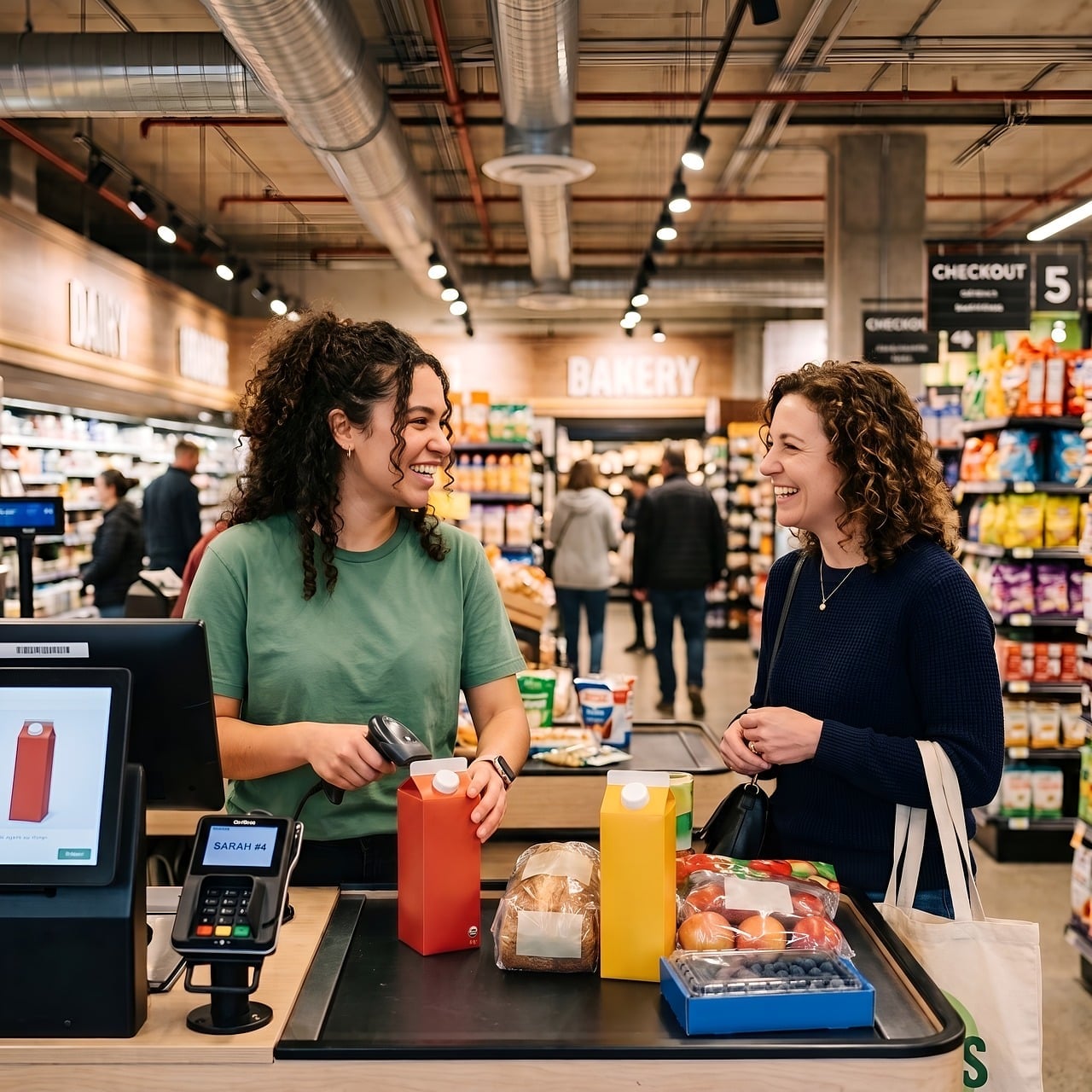
Sticker shock at the supermarket is no longer limited to low-income households. Across Canada, many middle-income families are now shopping where they once assumed they never would: the discount grocery counter.
Food inflation changed the psychology of grocery shopping

The shift started with prices that rose faster than many paycheques. According to Statistics Canada, food purchased from stores posted sharp increases through the inflation surge, and even as headline inflation cooled, grocery bills remained painfully high. For many households, the issue was not one unusually expensive week. It was the realization that a normal cart now costs materially more every single month.
That kind of pressure changes behavior quickly. Middle-income shoppers who once prioritized convenience, brand loyalty, or one-stop premium stores began comparing flyers, switching chains, and timing purchases around promotions. What used to feel like bargain hunting started to look like basic financial management.
Retail analysts have noted that consumers often trade down in waves. First they cut restaurant spending, then premium packaged goods, then they shift stores altogether. Canada is now deep into that final stage, where discount banners are attracting customers from well beyond their traditional base.
Housing and debt squeezed the room left for groceries

The grocery story cannot be separated from the broader household budget. Mortgage renewals at higher rates, elevated rents, and rising utility and insurance costs have left many families with far less flexibility than their income alone might suggest. A household that looks solidly middle class on paper may still feel cash-strapped after fixed bills are paid.
Debt has amplified the squeeze. Higher interest rates raised monthly payments on lines of credit, credit cards, and variable-rate loans, narrowing the margin available for discretionary spending. Groceries, unlike travel or entertainment, cannot simply be eliminated, so shoppers adjust by changing where and how they buy.
This is why discount stores have gained appeal even among professionals with steady jobs. Teachers, office workers, tradespeople, and dual-income families are not necessarily earning less. They are facing a harsher cost structure, and food has become one of the few large expenses where quick savings are still possible.
Discount shopping lost much of its stigma

One of the biggest changes is cultural, not just financial. Discount grocery shopping used to carry a class signal for some consumers, especially in suburban areas where store choice was tied to identity and routine. That barrier has weakened as inflation became a shared national experience.
Now value-seeking is seen less as a sign of hardship and more as evidence of common sense. Shoppers openly discuss price matching, loyalty points, private-label products, and bulk purchases with little embarrassment. Social media has normalized frugal strategies, from freezer meal planning to comparing identical products sold under cheaper store brands.
Major grocers have responded to this shift by leaning harder into value messaging. Discount banners, aggressive flyer specials, and expanded house-brand offerings are no longer niche tactics. They are central to how chains compete for households that still have income, but far less tolerance for paying a premium.
Private labels and smaller trade-offs make switching easier

Middle-income Canadians are not necessarily abandoning quality. In many cases, they are discovering that lower prices do not require dramatic sacrifice. Store brands have improved significantly in packaging, consistency, and taste, making the move to discount formats easier than it would have been a decade ago.
That matters because grocery decisions are emotional as well as financial. If shoppers can switch from a national cereal brand to a private-label version, or buy frozen vegetables instead of fresh out of season, they preserve the feeling of providing well for their families while still cutting costs.
Retail data has repeatedly shown that consumers make these trade-offs incrementally. They may keep paying for a preferred coffee or baby product while saving on pantry staples, cleaning supplies, and snacks. Discount stores benefit because they offer enough acceptable substitutes across many categories to produce meaningful savings without a full lifestyle downgrade.
Family shoppers are becoming far more strategic

Another reason middle-income households are turning to discount chains is that shopping itself has become more planned. Families are entering stores with tighter lists, weekly budgets, and clearer price thresholds. Impulse buying drops when consumers know that overspending on groceries could mean trimming somewhere else later in the month.
Parents in particular are adapting fast. Feeding teenagers, packing lunches, and managing higher protein, dairy, and produce costs can turn even a decent income into a balancing act. Discount retailers that offer larger pack sizes, simple promotions, and predictable low prices help families manage volume without as many surprises at checkout.
This planning mindset also favors multi-store habits. Many Canadians now split their trips between a discount grocer, a warehouse club, and a conventional supermarket for select items. That extra effort would have seemed unnecessary to many middle-income shoppers before, but today it is increasingly routine.
This shift says more about Canada than about individual shoppers

The crowded discount aisle is not simply a story about thrift. It reflects a wider affordability problem in which wage growth has not fully restored purchasing power after years of rising essentials. When middle-income households start behaving like lower-income households at the checkout, it signals pressure that extends well beyond groceries.
It also tells retailers and policymakers something important. Consumers have become highly price sensitive, and that sensitivity can persist long after inflation slows. Once shoppers learn new habits and discover cheaper alternatives, many do not return fully to old patterns.
So the move toward discount grocery shopping may outlast the current cost crunch. For millions of Canadians, it is no longer a temporary adjustment. It is a durable reset in how value is defined, how household resilience is built, and how the middle class navigates an economy that feels less forgiving than it once did.




Leave a Reply