
A luxury breakfast can look surprisingly modest at first glance. That contrast makes more sense once you see what hotels are really selling in the morning.
Luxury hotels sell experience, not volume
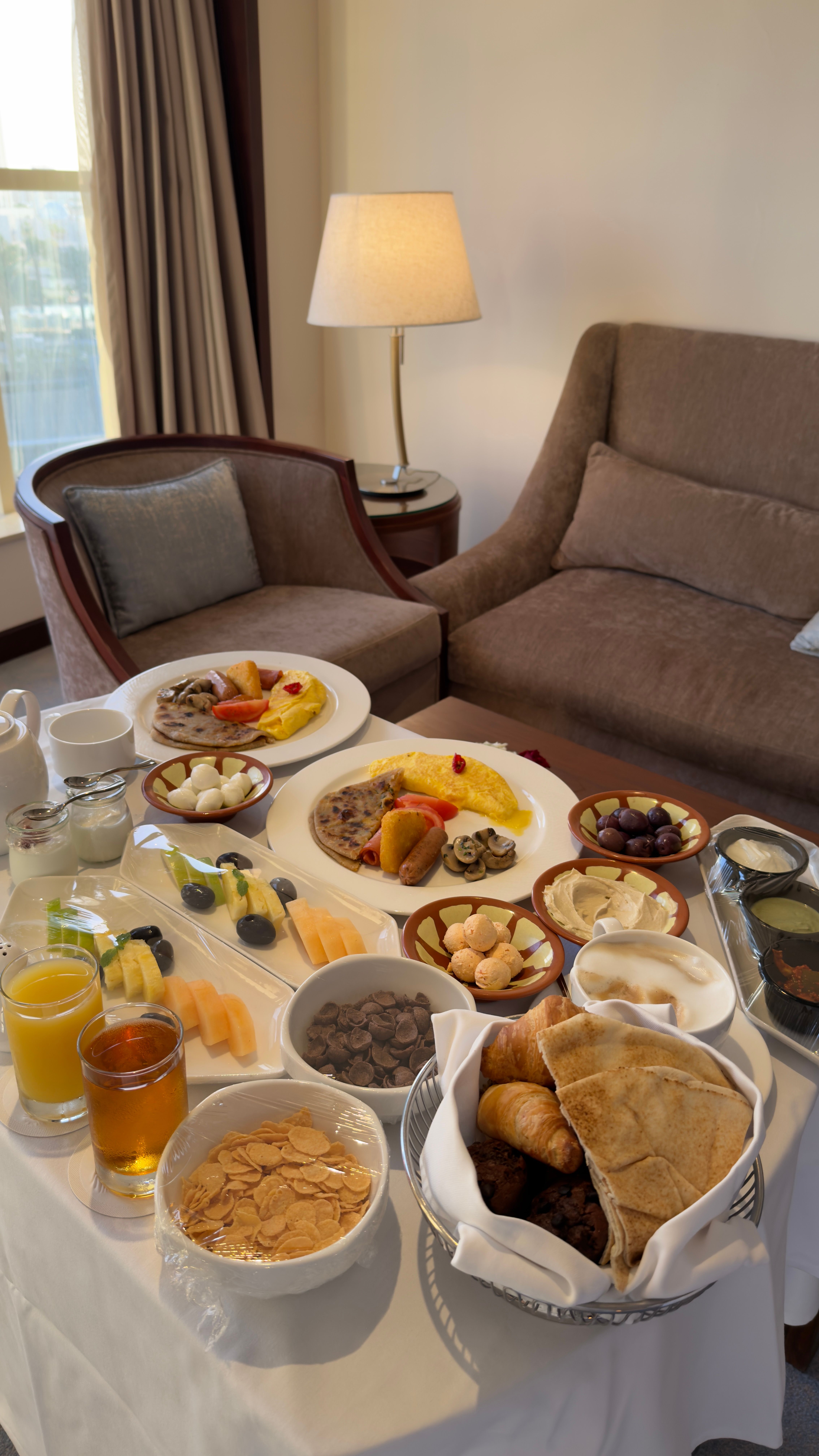
The first difference is philosophical. Budget hotels often use breakfast to reassure guests that they are getting strong practical value, so abundance matters immediately. A crowded buffet with toast, eggs, cereal, fruit, waffles, and pastries signals generosity in a way every traveler understands.
Luxury hotels usually compete on refinement rather than quantity. Their breakfast is designed to feel curated, calm, and premium, even when the plate holds less food. A smaller serving can highlight smoked salmon, house-made jam, artisanal bread, or eggs cooked to order instead of a buffet tray piled high.
This is common in high-end hospitality because perception shapes satisfaction. Industry consultants have long noted that upscale guests tend to judge breakfast by freshness, presentation, ingredient quality, and service pace more than by sheer portion size. In other words, five excellent items can outperform fifteen average ones.
Portion control protects quality and consistency
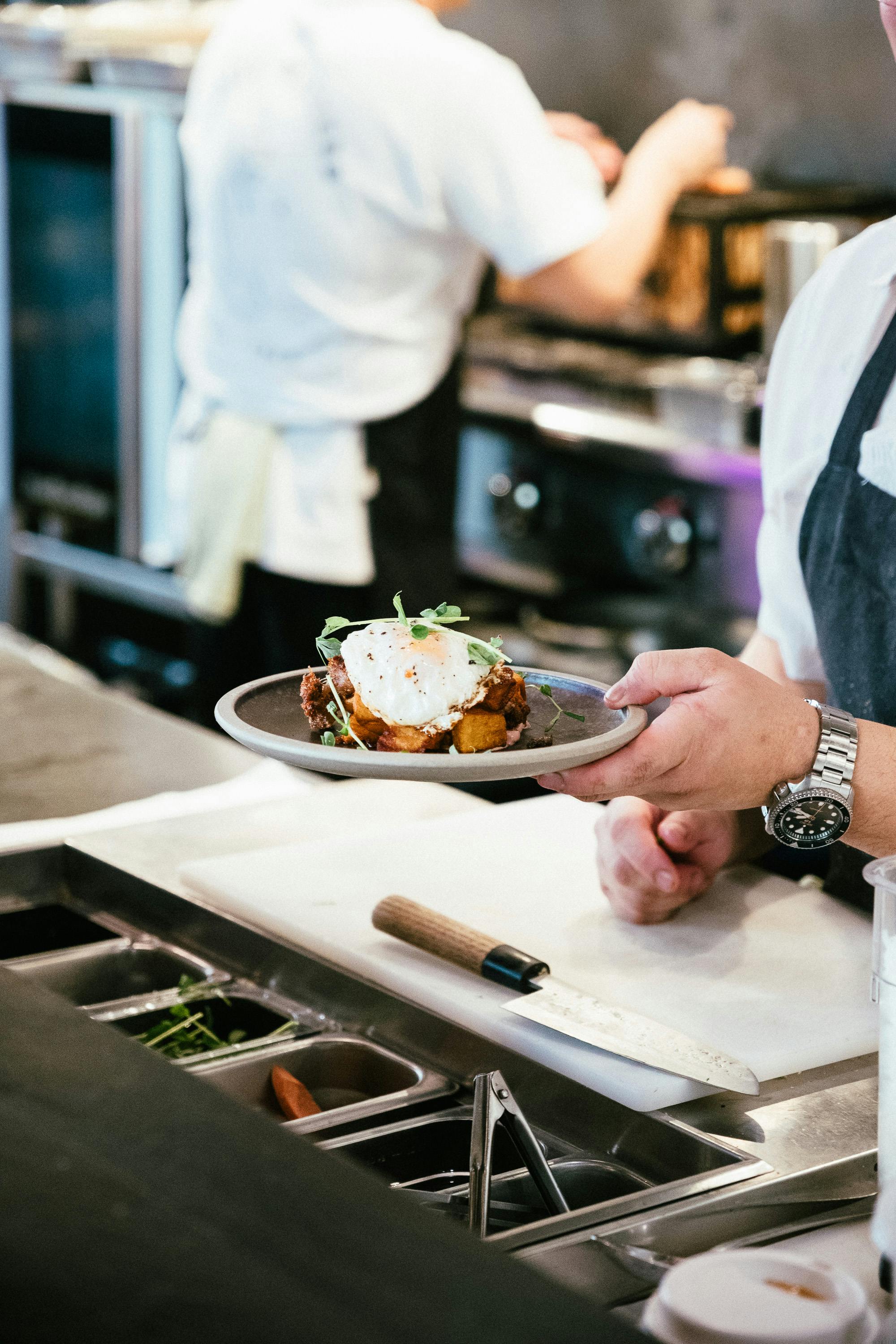
Small breakfasts also help luxury hotels defend one thing they prize above all else: consistency. A premium property cannot afford limp pastries, drying scrambled eggs, or fruit that has been sitting too long under bright lights. Serving less at a time makes it easier to keep each item at its best.
This matters especially in à la carte dining rooms and boutique hotels with lower breakfast traffic than mass-market chains. Instead of filling a giant buffet and hoping demand matches supply, luxury properties often produce in smaller batches. That reduces waste while keeping texture, temperature, and appearance under tighter control.
According to hospitality management research, food waste is a major cost center for hotels, especially at breakfast buffets. Upscale operators may willingly spend more on ingredients, but they still avoid overproduction. Smaller portions are often a practical way to balance luxury standards with operational discipline.
Upscale guests often eat differently

Here is another overlooked factor: luxury travelers do not always want a heavy breakfast. Many are business guests heading to meetings, wellness-minded travelers, or international visitors whose morning eating habits differ from the large American-style hotel buffet.
High-end hotels study these patterns closely. If guest data shows strong demand for yogurt, espresso, berries, avocado toast, and made-to-order egg dishes, there is less reason to offer oversized servings of hash browns, biscuits, and bulk sausage links. Smaller plates can better match modern preferences for lighter, more customized meals.
There is also a timing issue. Guests at luxury resorts may have late brunch reservations, spa appointments, or long tasting menus later in the day. A restrained breakfast fits that rhythm. Budget hotels, by contrast, often serve travelers who want one filling meal before driving, touring, or working for hours.
Breakfast is priced differently at each end of the market
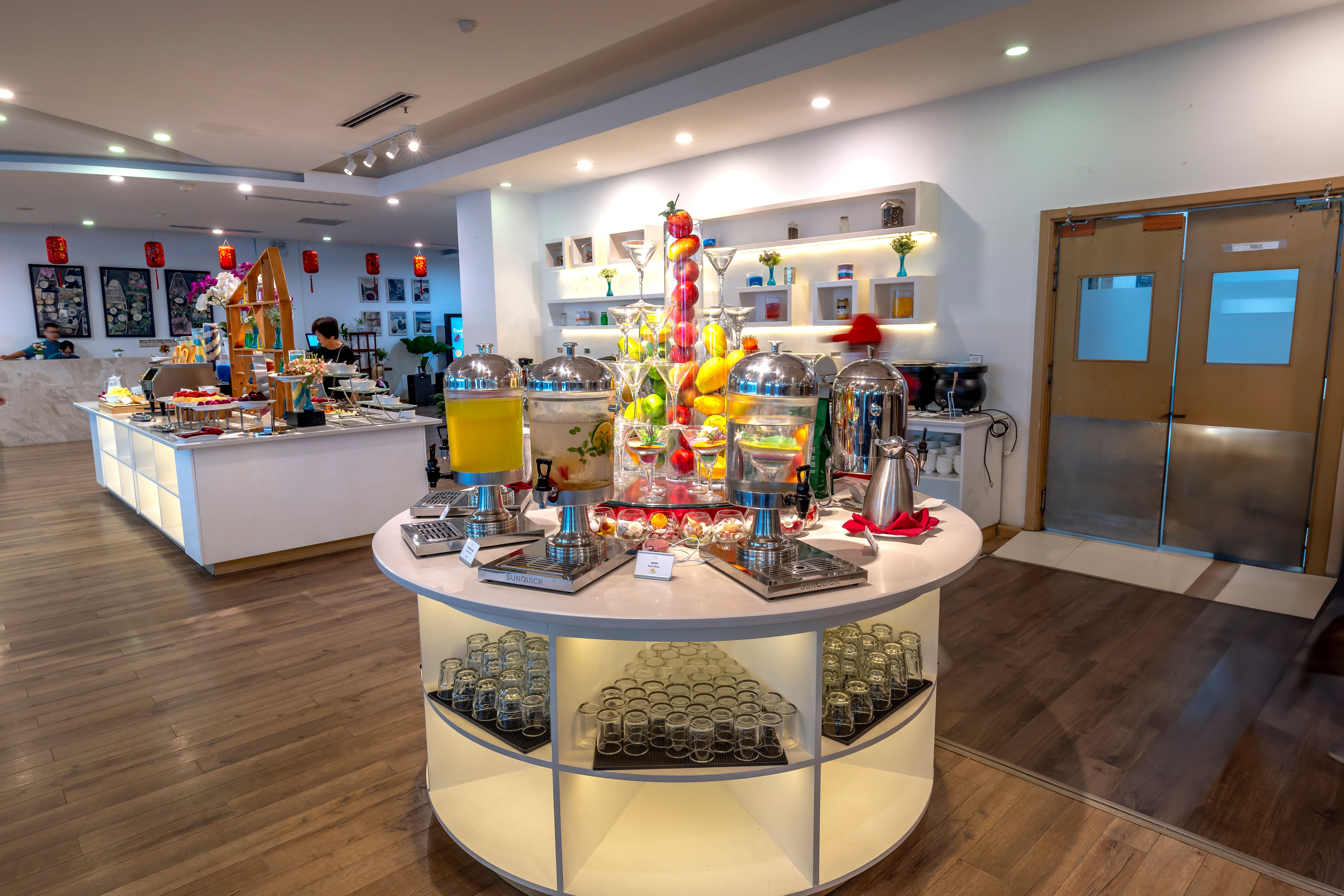
In many budget hotels, breakfast is bundled into the room rate and functions as a selling tool. The operator wants guests to compare listings and think, this place includes breakfast, parking, and Wi-Fi. A large self-serve spread helps justify the booking and appeals to cost-conscious travelers.
Luxury hotels use a different revenue model. Breakfast may be partially included for elite members, sold separately, or offered through an upscale restaurant where margins depend on premium ingredients and labor-intensive preparation. In that setting, a smaller plated meal can actually support profitability better than an all-you-can-eat format.
This is why two hotels can spend very different amounts while creating opposite impressions. A budget property may buy lower-cost ingredients in bulk and look generous through volume. A luxury hotel may spend more per guest overall, yet present less food because each component is more expensive to source and prepare.
Service style changes what "enough" looks like
The setting itself changes expectations. In a budget hotel breakfast room, guests usually serve themselves, clear quickly, and leave. The food has to be visible, convenient, and abundant because there is little personalized guidance from staff and limited opportunity to shape the guest's experience.
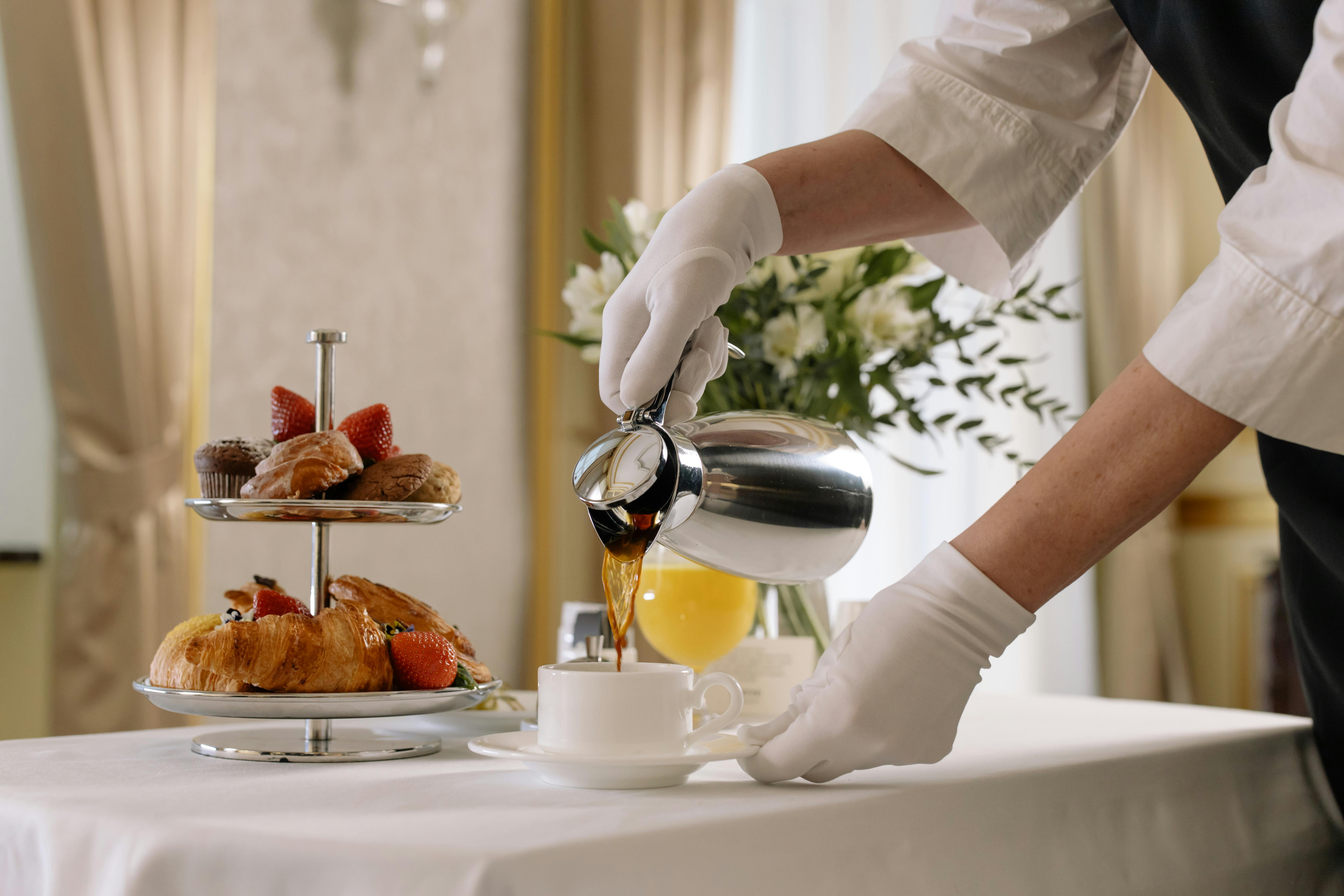
Luxury hotels often replace that model with table service, tasting-style presentation, and optional add-ons. A server may bring fresh juice, coffee, pastries, and a main dish in sequence, making the meal feel more complete than the first plate suggests. What seems small at the start can become substantial over the course of service.
This layered structure also creates a sense of control and calm. Instead of confronting an overflowing buffet, guests are guided through a paced breakfast. For many upscale travelers, that measured rhythm feels more luxurious than limitless quantity, even if the final calorie count is lower.
Smaller does not always mean less generous

It is easy to mistake smaller portions for stinginess, but that is not always accurate. In luxury hospitality, generosity is often expressed through choice, customization, ingredient quality, dietary flexibility, and attentive service rather than by placing the maximum possible food in front of every guest.
Some of the best high-end breakfasts include local honey, seasonal fruit, regional cheeses, specialty coffee, and dishes tailored to allergies or preferences. Those features cost money and require planning, but they do not necessarily produce a visually huge meal. The value is embedded in care, not scale.
Budget hotels and luxury hotels are solving different problems in the morning. One aims to deliver fullness fast and efficiently. The other aims to deliver comfort, precision, and brand identity. Once you understand that difference, the smaller luxury breakfast stops looking skimpy and starts looking intentional.




Leave a Reply