
The buffet line used to feel like part of the vacation itself. Now, in many hotels, it is quietly being replaced by smaller, smarter, and more profitable dining formats.
Buffets no longer make financial sense for many hotels
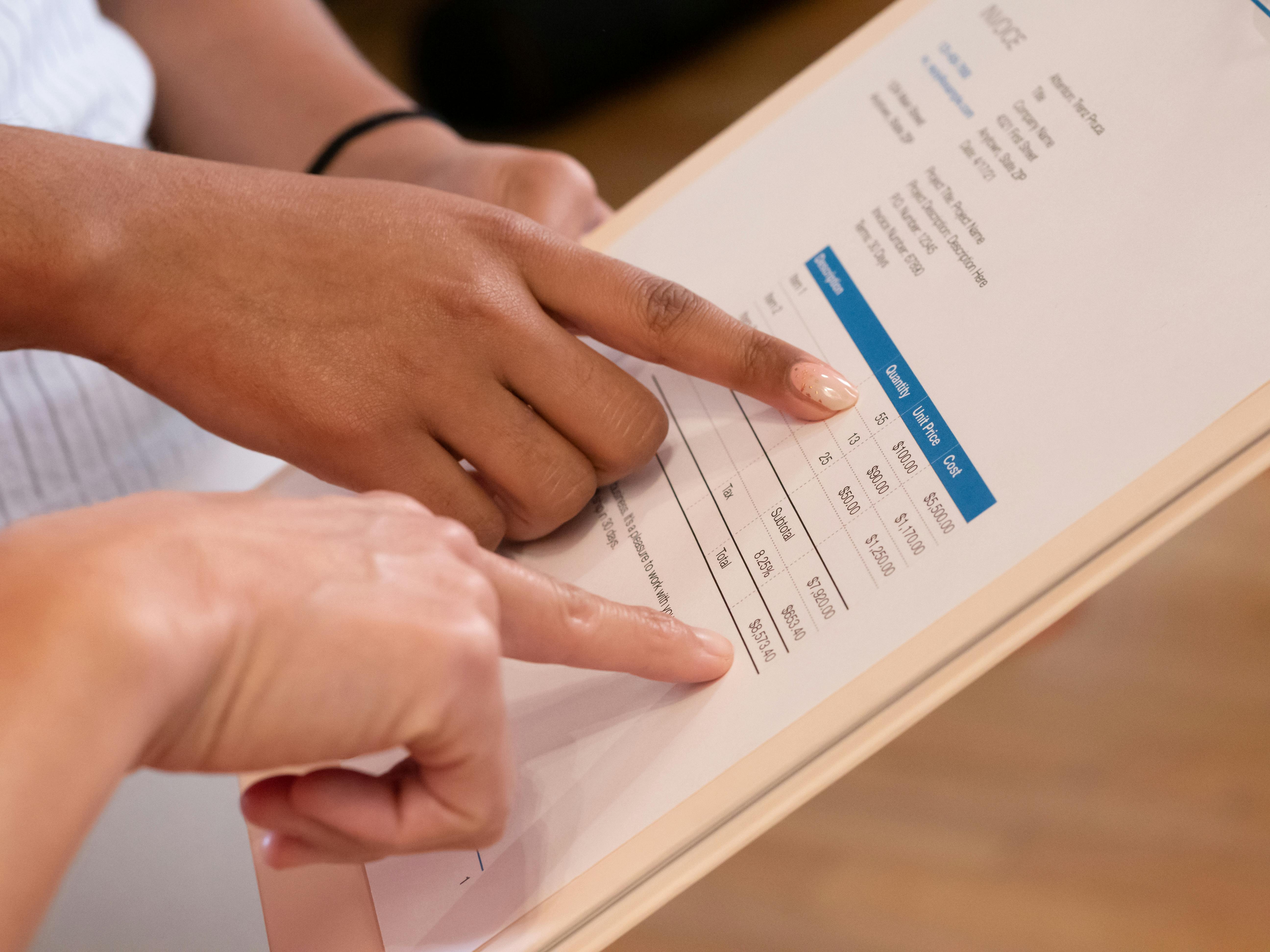
At first glance, buffets seem efficient because they let one kitchen feed many people at once. In practice, they are expensive operations with thin margins. Hotels must prepare more food than guests are likely to eat so stations look full until the final service window, and that overproduction quickly inflates costs.
Food inflation has made that problem much worse. Eggs, dairy, coffee, meat, and fresh fruit, which are all buffet staples, have seen repeated price spikes in recent years. According to reporting from Reuters and industry analysts, hospitality operators have faced sustained pressure from higher ingredient, transport, and utility costs, making the traditional all-you-can-eat format far less attractive.
The math is especially hard for midscale and upscale hotels. Guests expect variety, freshness, and constant replenishment, which means more waste and more staffing. A plated breakfast or limited à la carte menu, by contrast, gives hotels tighter portion control and a clearer path to profitability.
Labor shortages changed the economics behind the scenes
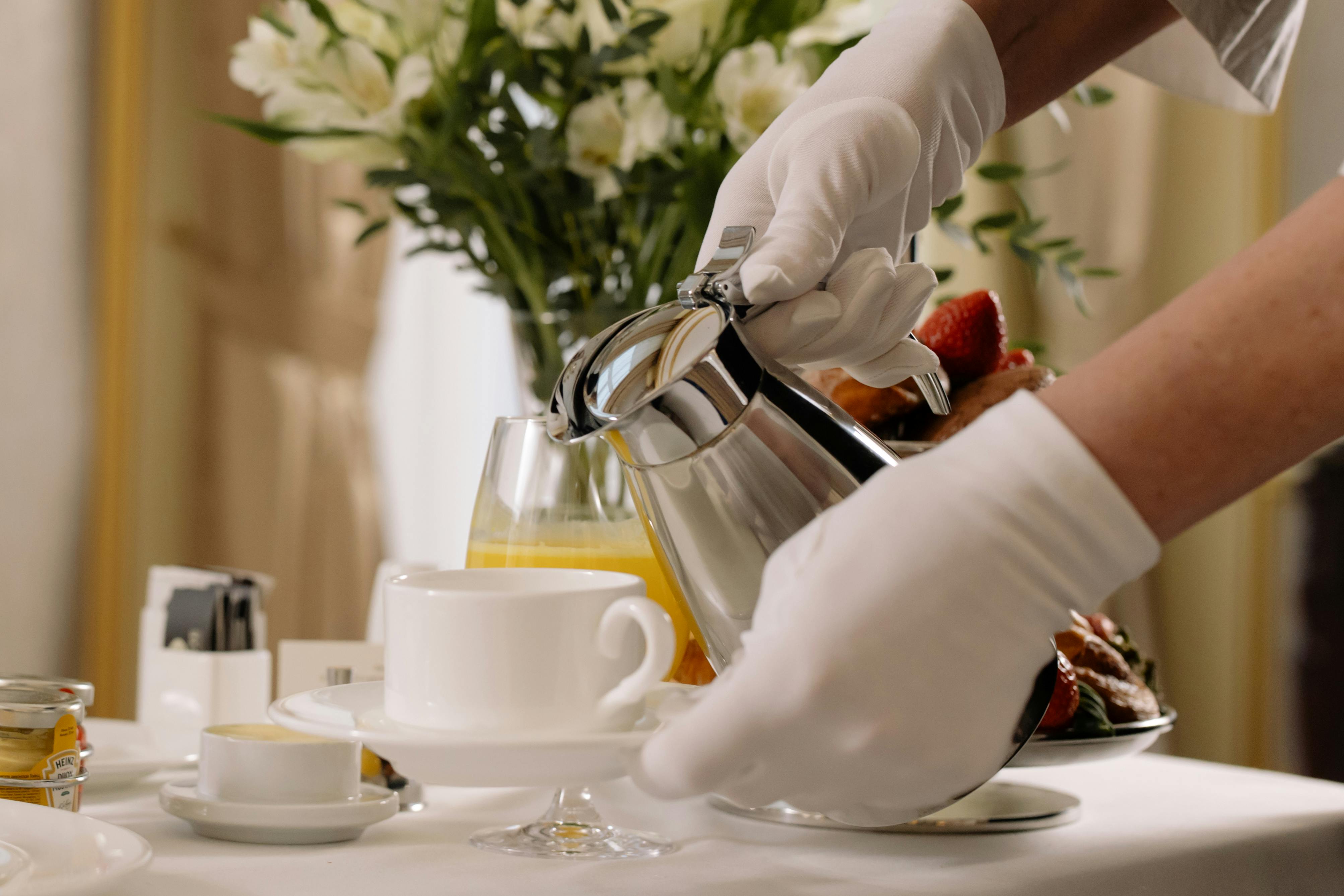
What guests see as a self-serve setup actually requires a large amount of labor. Staff must cook in batches, refill trays, monitor temperatures, clear tables, sanitize serving utensils, restock plates, and manage the flow of the room. When hospitality labor became harder to find after the pandemic, buffets became one of the first services many hotels reconsidered.
Major hotel groups have repeatedly discussed staffing constraints in earnings calls and investor updates. The issue is not just wage growth, though that matters. It is also the difficulty of recruiting early-morning kitchen staff, stewards, and attendants for work that is physically demanding and often compressed into a short breakfast rush.
Limited-service models solve several of those problems at once. Grab-and-go counters, breakfast boxes, and order-at-the-counter concepts need fewer employees and less constant supervision. For operators trying to stabilize service levels, buffets increasingly look like a legacy format from a labor market that no longer exists.
Guests want speed, customization, and lighter meals
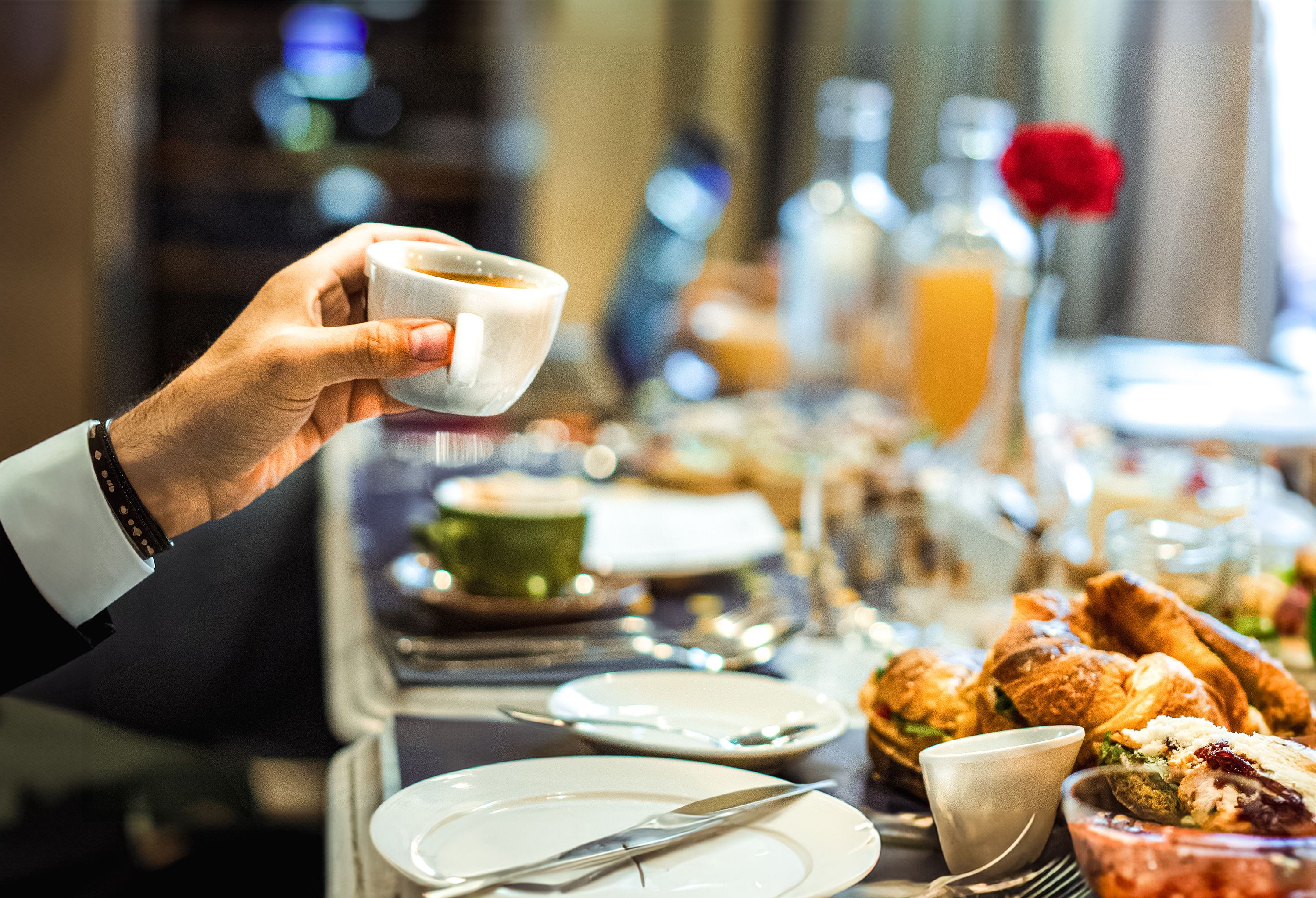
Traveler behavior has changed more than many hotel operators expected. Business travelers often want coffee, protein, and a quick exit rather than a long breakfast in a dining room. Leisure guests, meanwhile, are more likely to split meals, sleep later, or eat outside the hotel after finding nearby options on review and map apps.
There is also a broader shift in how people think about eating. Many guests now look for gluten-free items, plant-based choices, high-protein breakfasts, or lower-sugar options. Buffets can offer variety, but they struggle with precision, labeling consistency, and cross-contact concerns in ways that made-to-order meals handle better.
Hotels are adapting to those preferences with curated menus and hybrid service. Instead of thirty average choices, many properties now offer six or eight stronger ones. That approach feels more modern to guests and helps hotels avoid the stale image that buffet dining has developed in some markets.
Health and hygiene concerns permanently altered perceptions
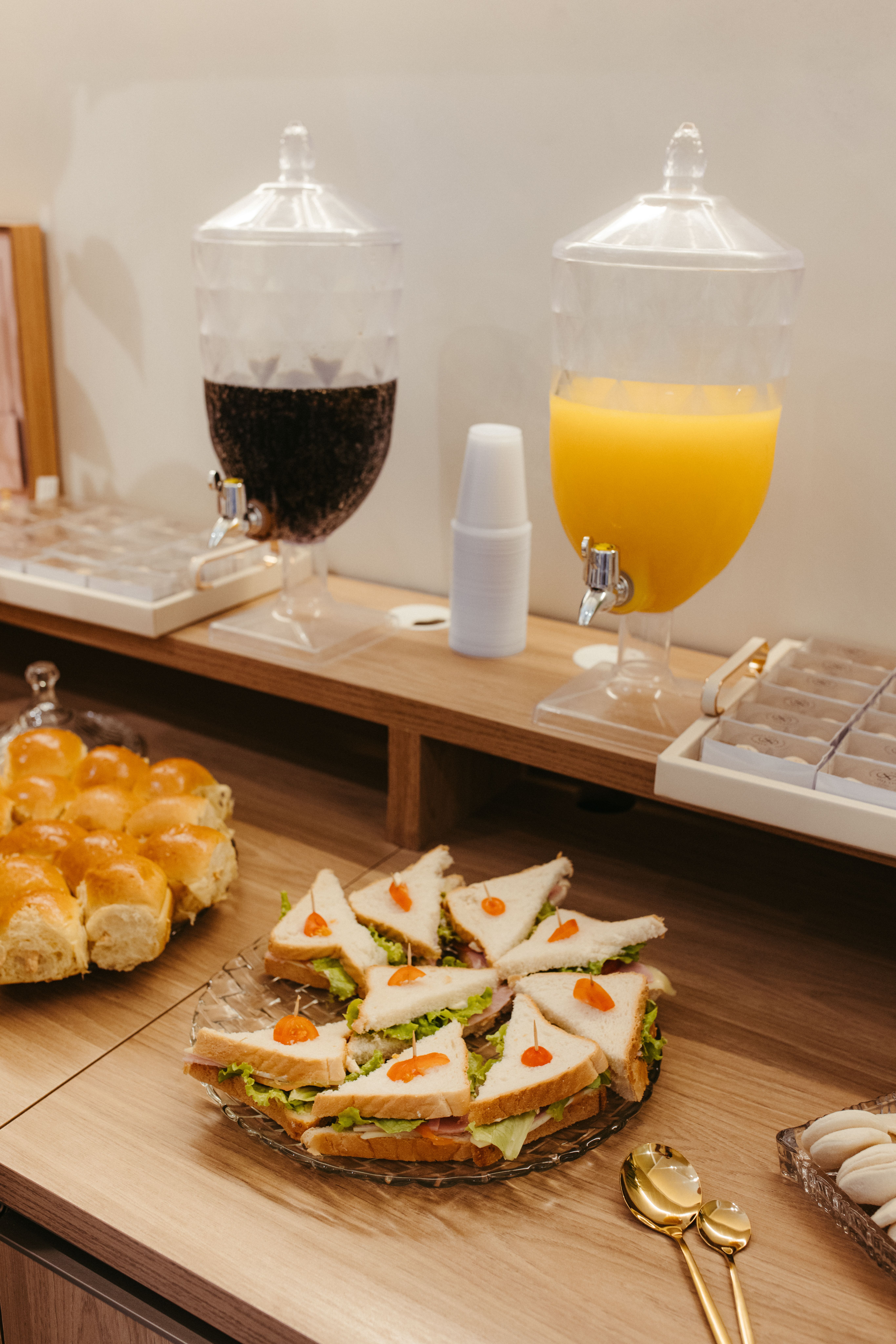
The pandemic did not kill hotel buffets, but it changed how many travelers view shared serving spaces. Tongs touched by hundreds of hands, open-air food displays, and crowded lines became symbols of avoidable risk. Even after restrictions eased, the psychological impact remained, especially among older guests and international travelers.
Hotels responded in different ways. Some switched to staff-served buffets, others installed sneeze guards and single-portion cups, and many removed communal stations altogether. These changes improved confidence, but they also added cost and reduced the speed that once made buffets appealing.
Public health expectations are now simply higher. Guests notice sanitation more, and hotels know that one visible lapse can harm reviews and brand trust. In that environment, individually plated or packaged options often feel safer, cleaner, and easier to defend from both an operational and reputational standpoint.
Food waste has become a bigger business and brand issue

One uncomfortable truth sits at the center of every buffet model: abundance usually creates waste. To maintain the appearance of value, hotels keep trays full even when demand is uncertain. That means pastries, fruit, eggs, and hot items are frequently discarded once service ends because they cannot be safely reused.
This matters financially, but it also matters publicly. A 2024 study and repeated findings from hospitality sustainability groups have shown that buffet service can generate significantly more waste per guest than plated meal formats. In a period when hotel brands are making environmental promises, that mismatch is hard to ignore.
Waste reduction has become part of brand identity, especially for large chains courting younger travelers and corporate clients with sustainability targets. Smaller menus, pre-order systems, and made-to-request breakfasts allow hotels to buy less, throw away less, and present that efficiency as a sign of responsibility rather than reduced generosity.
The buffet is not vanishing everywhere, but it is being redefined
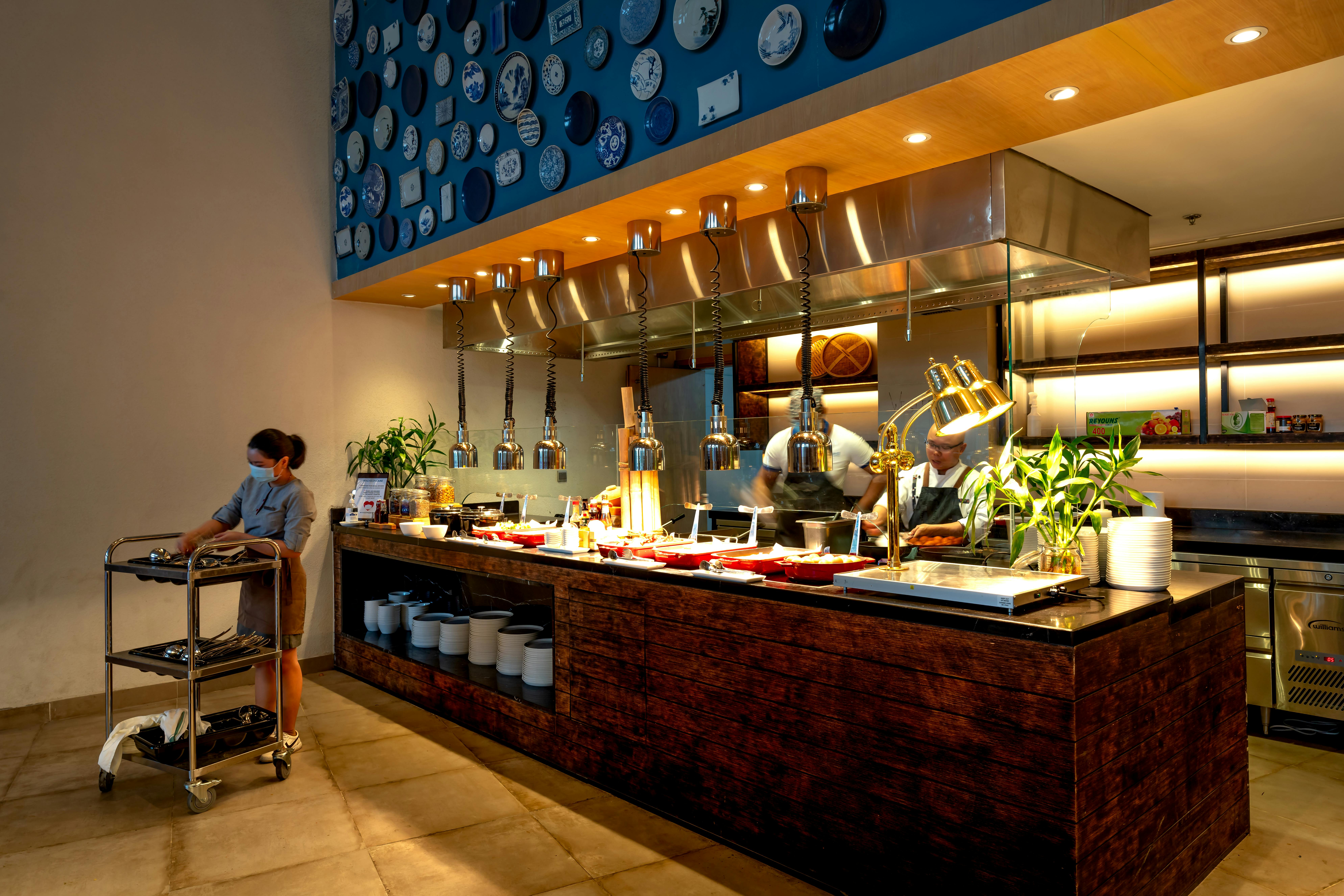
Buffets are not disappearing in every segment. Large resorts, all-inclusive properties, convention hotels, and some luxury brunch venues still use them effectively because volume is predictable and guests see the experience itself as part of the value. In those settings, the scale can still justify the cost.
What is fading is the default buffet at ordinary city hotels, airport properties, and business-focused brands. There, operators are replacing one-size-fits-all spreads with formats that better match modern demand. Think barista-led breakfast counters, compact cold stations, or menus that combine a few self-serve items with made-to-order dishes.
The change is less about loss than evolution. Hotels are moving away from excess and toward control, flexibility, and relevance. For many travelers, that may ultimately mean better food, less waste, and a dining experience designed for how people actually travel now.



Leave a Reply