
Some foods earned a bad reputation long before nutrition science became more precise. Fatty steak and butter are two of the clearest examples.
The old fear around saturated fat is being re-examined
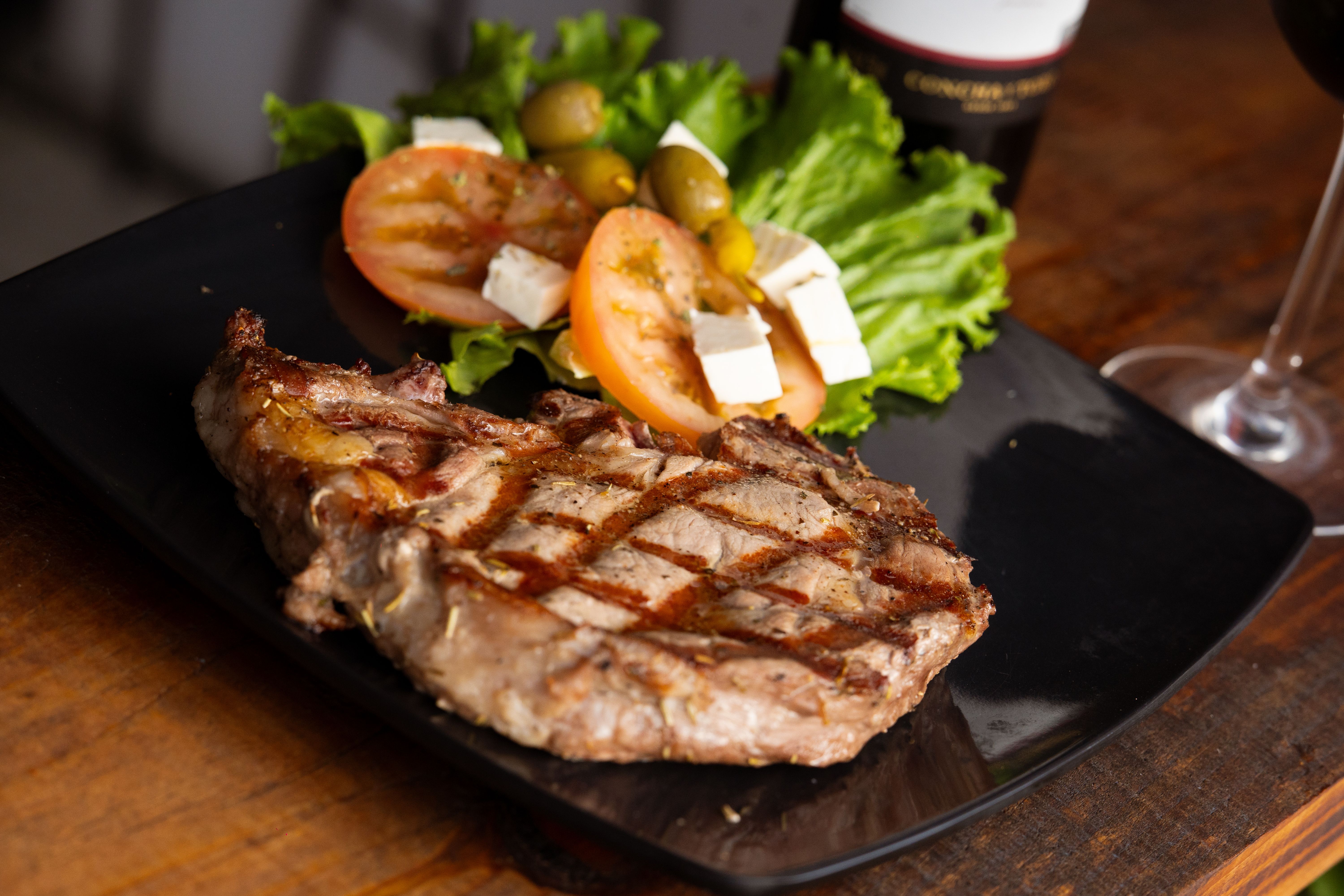
For years, public health advice treated saturated fat as a direct path to heart disease. That message was simple, memorable, and incomplete. More recent reviews have found the picture is far more nuanced, with researchers noting that overall dietary pattern matters more than any single food.
A key issue is that older advice often grouped all saturated-fat-rich foods together. Butter, yogurt, processed meats, and an unprocessed steak were discussed as if they worked the same way in the body. They do not, and newer research increasingly evaluates foods in their full context rather than by one nutrient alone.
What replaces saturated fat also matters. Swapping butter or steak for refined carbohydrates, sugary breakfast foods, or ultra-processed snacks does little to improve health and can sometimes worsen triglycerides, hunger, and blood sugar control. Many experts now focus less on blanket fat avoidance and more on food quality and metabolic health.
Fatty steak delivers more than just calories
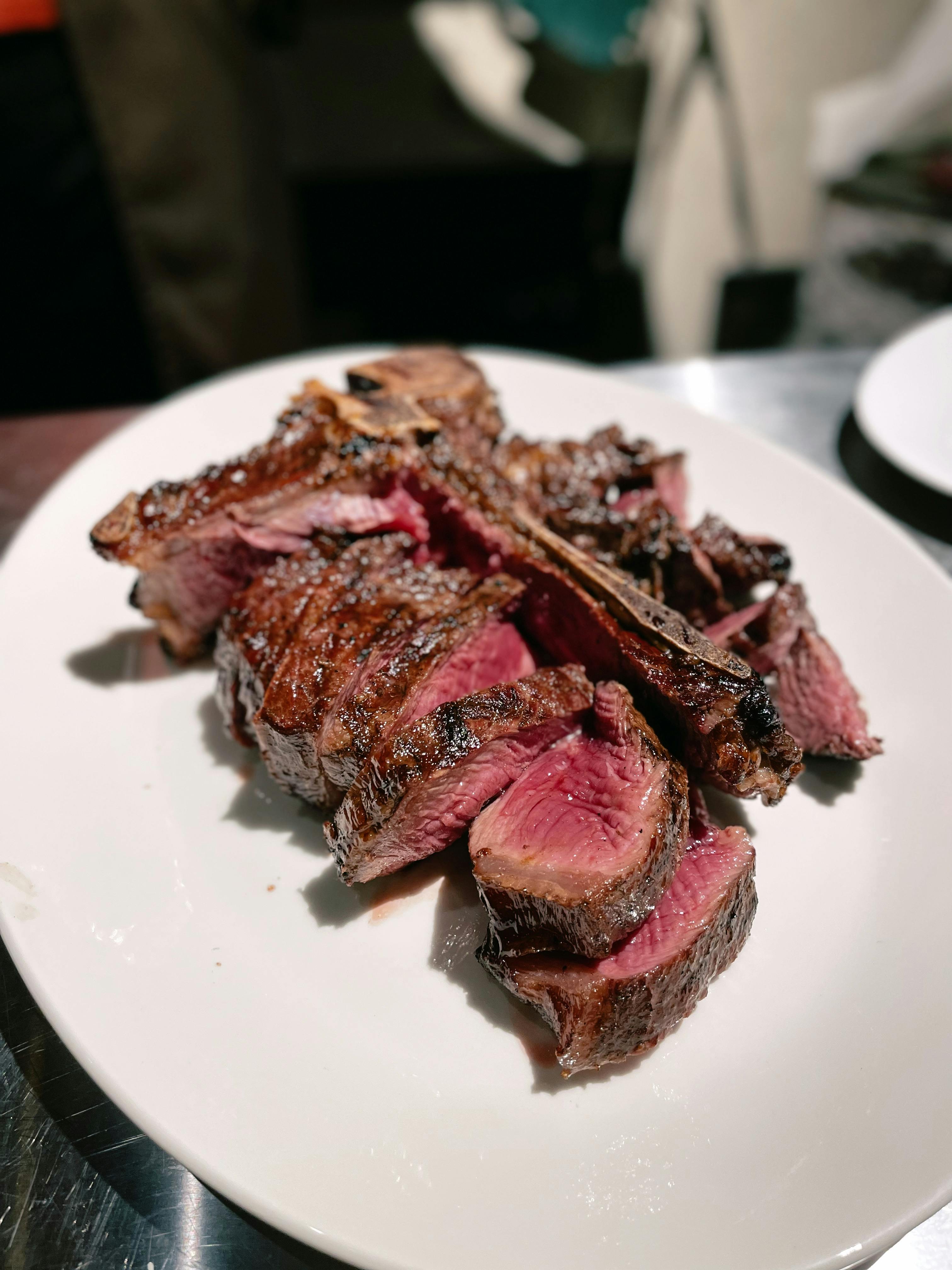
A well-marbled steak is not simply a source of fat. It provides complete protein with all essential amino acids, along with highly bioavailable iron, zinc, selenium, vitamin B12, niacin, and creatine. These nutrients are especially valuable for muscle maintenance, red blood cell production, energy metabolism, and immune function.
Fat in steak also helps make the meal more satisfying. Because fat slows digestion and protein has a powerful satiety effect, a steak-based meal can keep people full for longer than a low-fat meal built around refined starch. In real life, that can mean fewer cravings, less snacking, and better appetite control.
The type of fat in beef is often misunderstood as well. Beef contains saturated fat, but it also contains monounsaturated fat, the same broad category found in olive oil and avocados. Depending on the cut and the animal's diet, a substantial share of beef fat is monounsaturated, which complicates the idea that fatty steak is automatically harmful.
Butter offers useful nutrients and culinary advantages

Butter is frequently dismissed as empty fat, yet it contains more than energy. It provides fat-soluble vitamins such as vitamin A, along with smaller amounts of vitamin E and vitamin K2, particularly in butter from grass-fed animals. It also contains butyrate-related compounds, which have drawn interest for their role in gut and colon health.
There is also a practical reason butter can support better eating habits. Foods cooked with butter often taste richer and more satisfying, making it easier to enjoy minimally processed vegetables, eggs, fish, or potatoes without relying on bottled sauces filled with seed oils, sugar, stabilizers, and additives. Pleasure matters because sustainable eating has to be realistic.
Portion size still matters, of course. Butter is calorie-dense, so health benefits do not come from eating it recklessly. But using a sensible amount of real butter in a whole-food diet is very different from building a diet around pastries, fast food, and packaged desserts that also happen to contain saturated fat.
The food matrix matters more than one isolated nutrient
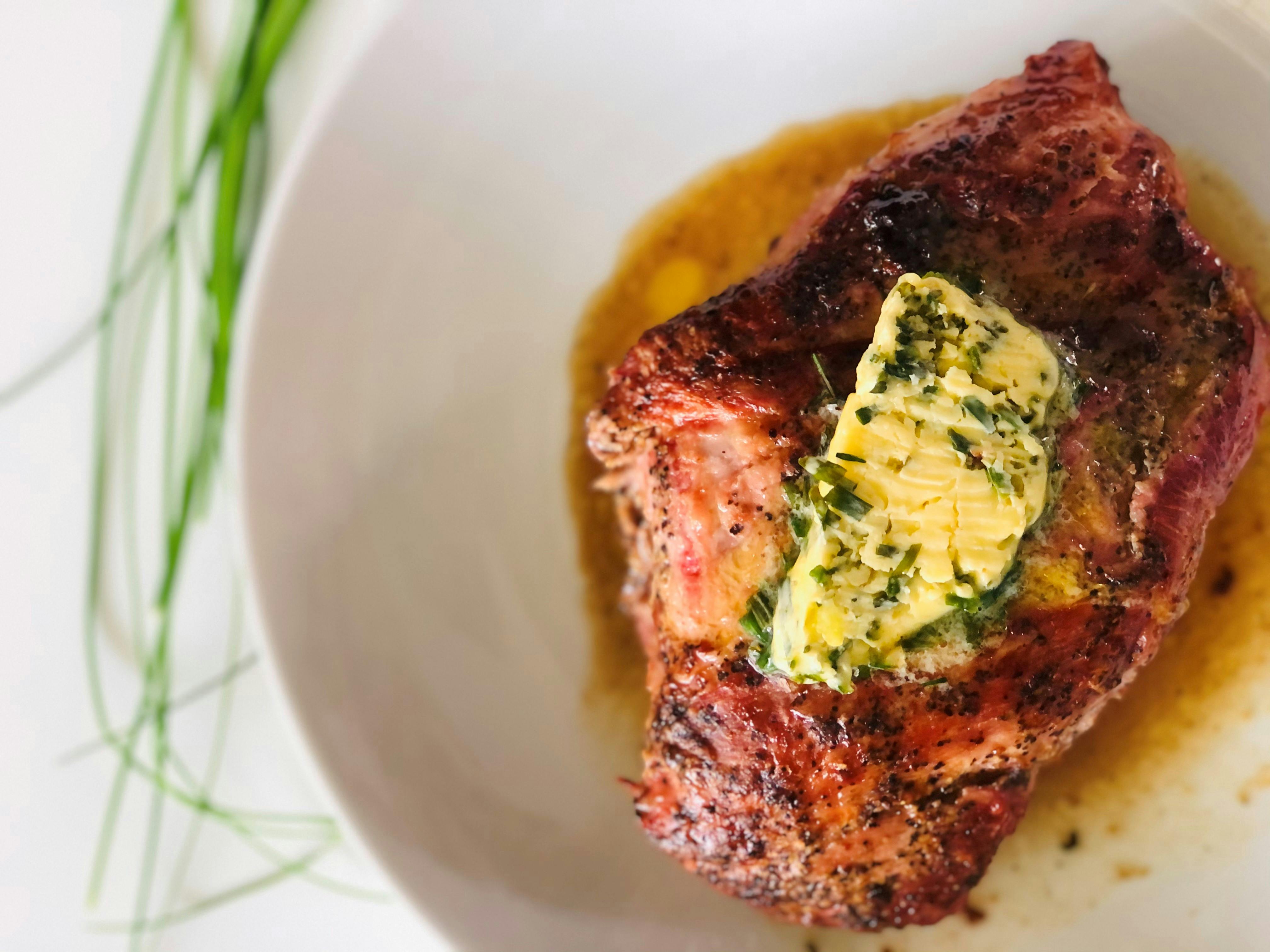
Nutrition science increasingly looks at the food matrix, meaning the way nutrients are packaged within a whole food. A steak comes with protein, minerals, and fats in a structure the body handles differently than processed meat products. Butter, likewise, is different from a shelf-stable spread filled with emulsifiers and industrial ingredients.
This shift helps explain why observational studies sometimes find neutral results for full-fat dairy or unprocessed red meat when eaten in balanced diets. Health outcomes depend on the entire eating pattern, activity level, sleep, waist size, smoking status, and degree of food processing. Isolating one nutrient often misses the real drivers of disease.
A person eating steak with vegetables, beans, and fruit is not in the same category as someone eating a fast-food double burger, fries, soda, and dessert. Context changes everything. That is why modern diet discussions increasingly center on dietary patterns such as Mediterranean, lower-carb whole-food, or traditional eating models rather than nutrient panic.
These foods may help with blood sugar and appetite control

One of the strongest arguments for including fatty steak or butter is that they can make meals more stable and satisfying. Meals centered on protein and fat generally produce a slower rise in blood sugar than meals heavy in white bread, sweetened cereal, or pastries. For people with insulin resistance, that difference can be meaningful.
A breakfast of eggs cooked in butter, for example, often keeps hunger lower for longer than toast with jam or a low-fat muffin. A steak with vegetables may prevent the late-night rebound hunger that follows a high-carb, low-protein dinner. In practical terms, better satiety can support weight management without constant calorie counting.
This does not mean everyone needs a high-fat diet. It means some people do better when they stop fearing natural fats and instead build meals around protein, fiber, and minimally processed ingredients. Clinical experts who work with obesity and type 2 diabetes often see improved adherence when meals are filling enough to feel normal.
Healthy depends on the whole person and the whole diet

No single food is universally healthy for every person in every amount. Someone with familial hypercholesterolemia, advanced heart disease, or specific lipid abnormalities may need a more tailored approach. Individual responses to saturated fat vary, and blood testing, family history, and medical guidance still matter.
For the average healthy adult, though, fatty steak and butter can fit comfortably into a balanced diet built around whole foods. They are especially useful when they replace ultra-processed products marketed as healthier but loaded with refined starches, sweeteners, and artificial ingredients. Real food often beats engineered food.
The most evidence-based view is not that butter and fatty steak are miracle foods. It is that they were oversimplified for decades. Eaten in reasonable portions, alongside vegetables, fruits, legumes, or other nutrient-dense staples, they can be part of a diet that supports health, satisfaction, and long-term consistency.



Leave a Reply