
A farmers market is never just a place to buy tomatoes. It is a snapshot of a province's land, laws, economy, and habits.
Climate changes the entire market calendar
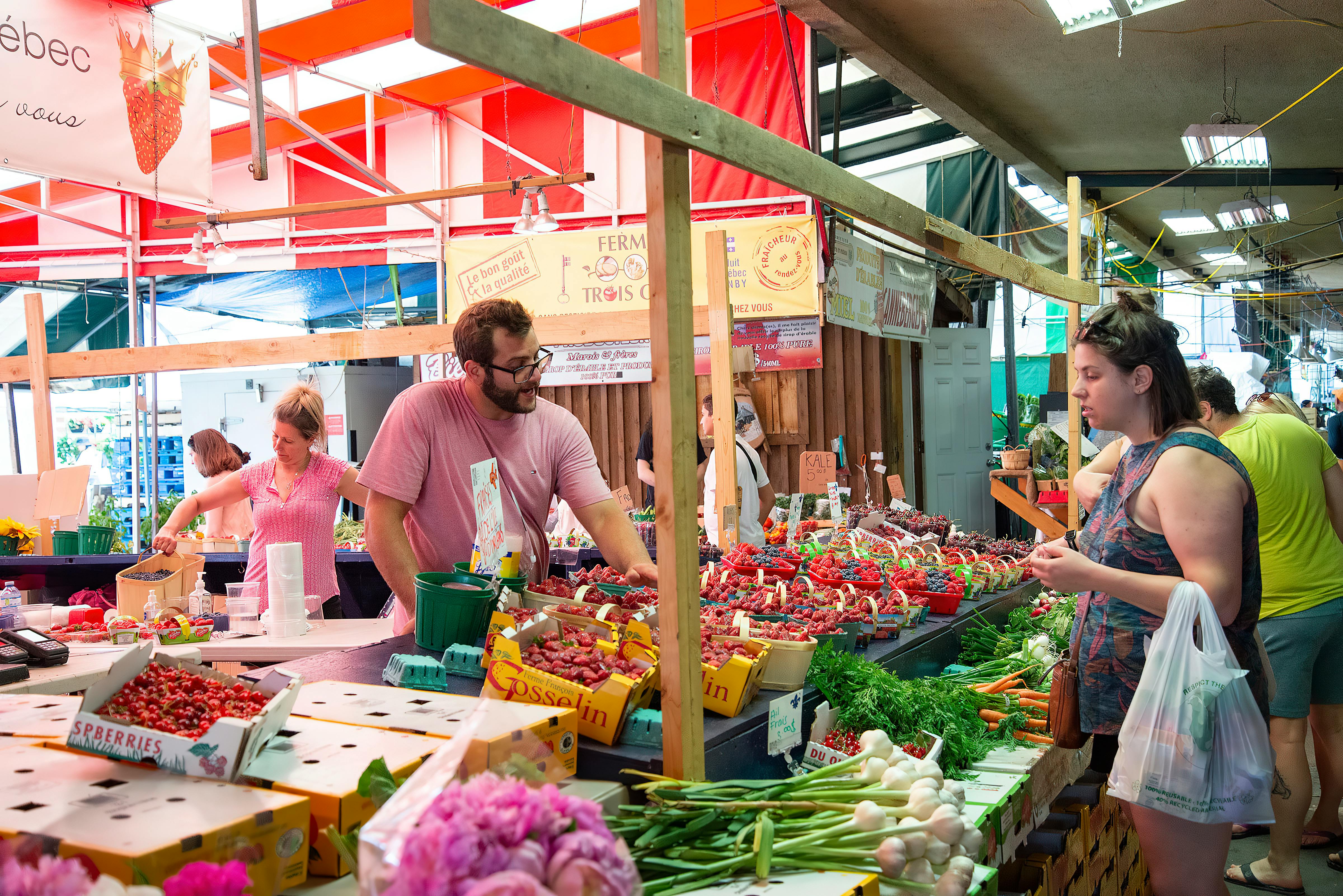
Weather is the first force shaping market culture, and it does so more powerfully than most shoppers realize. In warmer provinces with longer growing seasons, markets can run for more months of the year and offer a broader range of fresh produce at any given time. In colder provinces, the calendar is tighter, which makes peak-season abundance feel more intense and more celebrated.
That difference affects what people expect when they arrive. In some regions, shoppers look for asparagus, berries, and corn in a fairly predictable progression from spring to late summer. In provinces with shorter seasons, root vegetables, greenhouse crops, preserves, honey, and storage apples often hold a larger place because they better match local growing conditions.
Climate also affects vendor strategy. A producer in a milder province may build a business around weekly fresh harvests across many months, while a farmer in a harsher climate may rely on a brief, high-volume season supported by freezing, canning, baking, or value-added goods. The result is a market atmosphere that can feel either leisurely and extended or urgent and intensely seasonal.
Agriculture determines what "local" really means
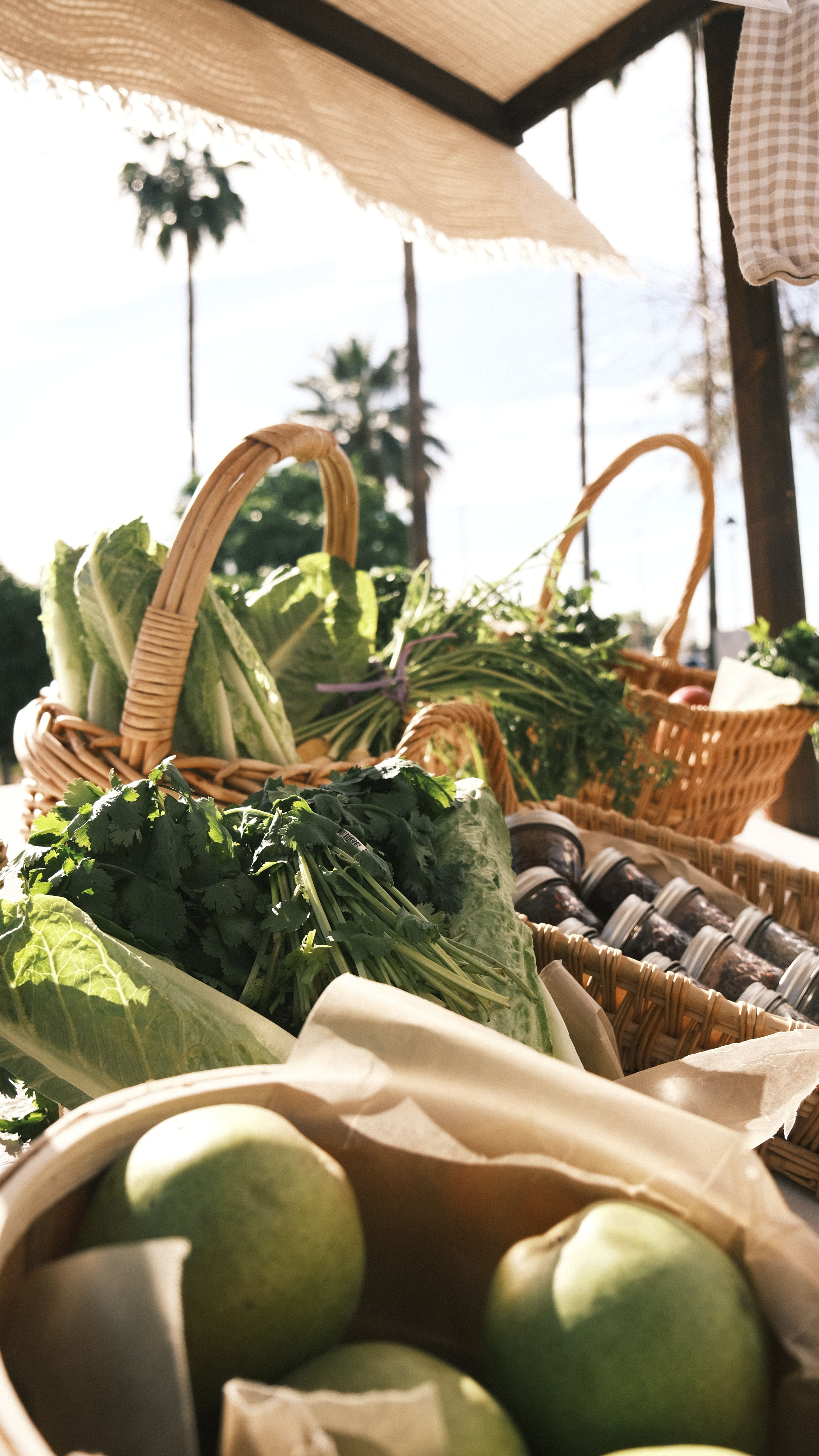
Every province has its own agricultural backbone, and that determines the identity of its farmers markets. In one place, dairy, orchard fruit, and mixed vegetables may dominate. In another, shoppers may find more grains, beef, lamb, maple products, wild blueberries, seafood-adjacent food traditions, or small-scale greenhouse production shaped by local geography.
The idea of "local" therefore changes from province to province. In highly diversified farming regions, consumers may expect a market table to carry everything from salad greens and peaches to artisan cheese and cut flowers. In less diversified areas, local food may mean potatoes, cabbage, carrots, meats, preserves, and baked goods, with fewer fresh fruit options because the land and season simply do not support them.
This is not a sign of a weaker market culture. It is often the opposite. Markets become culturally stronger when they reflect what a province genuinely produces well rather than imitating another region's ideal. That is why some markets feel deeply tied to place: they mirror the working landscape around them.
Provincial rules shape who can sell and what can be sold
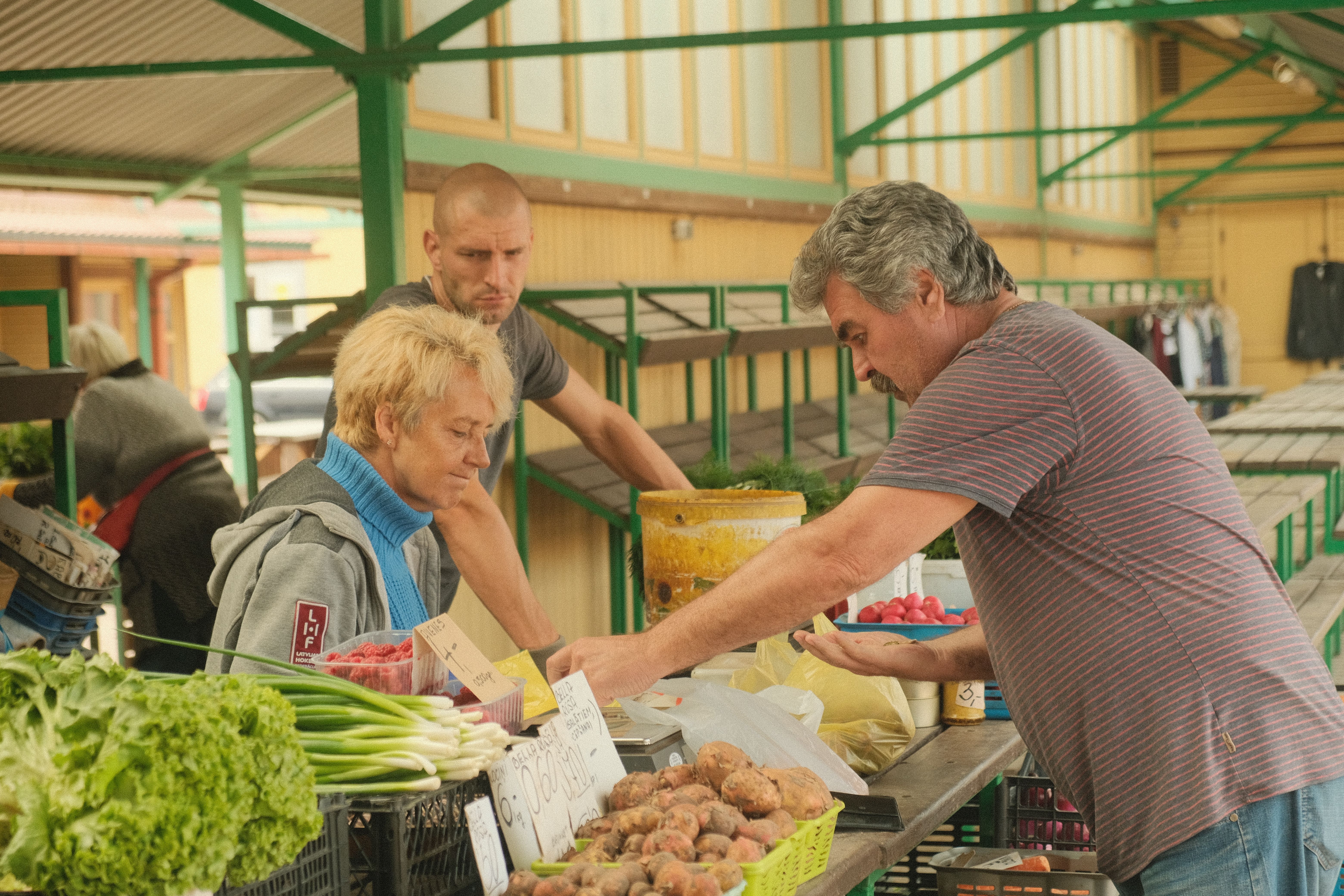
Behind the charm of handwritten signs and fresh bread, regulation plays a major role. Provinces set different rules around meat inspection, dairy sales, egg grading, food processing, alcohol sampling, craft definitions, and what counts as farm-direct commerce. Those rules can either widen or narrow the range of vendors at a market.
For example, stricter processing requirements may make it harder for very small producers to sell certain foods without using inspected kitchens or licensed facilities. In some provinces, this pushes markets toward baked goods, produce, and shelf-stable items. In others, clearer on-farm processing pathways help create stronger prepared-food sections and more specialty products.
Market governance matters too. Some markets require vendors to grow or make most of what they sell, while others allow resellers or a broader mix of artisans. That single policy decision changes the feel of the entire event. A market built around producer-only rules often feels more agricultural, while a hybrid market may function more like a weekly community festival.
Demographics and income influence shopping habits
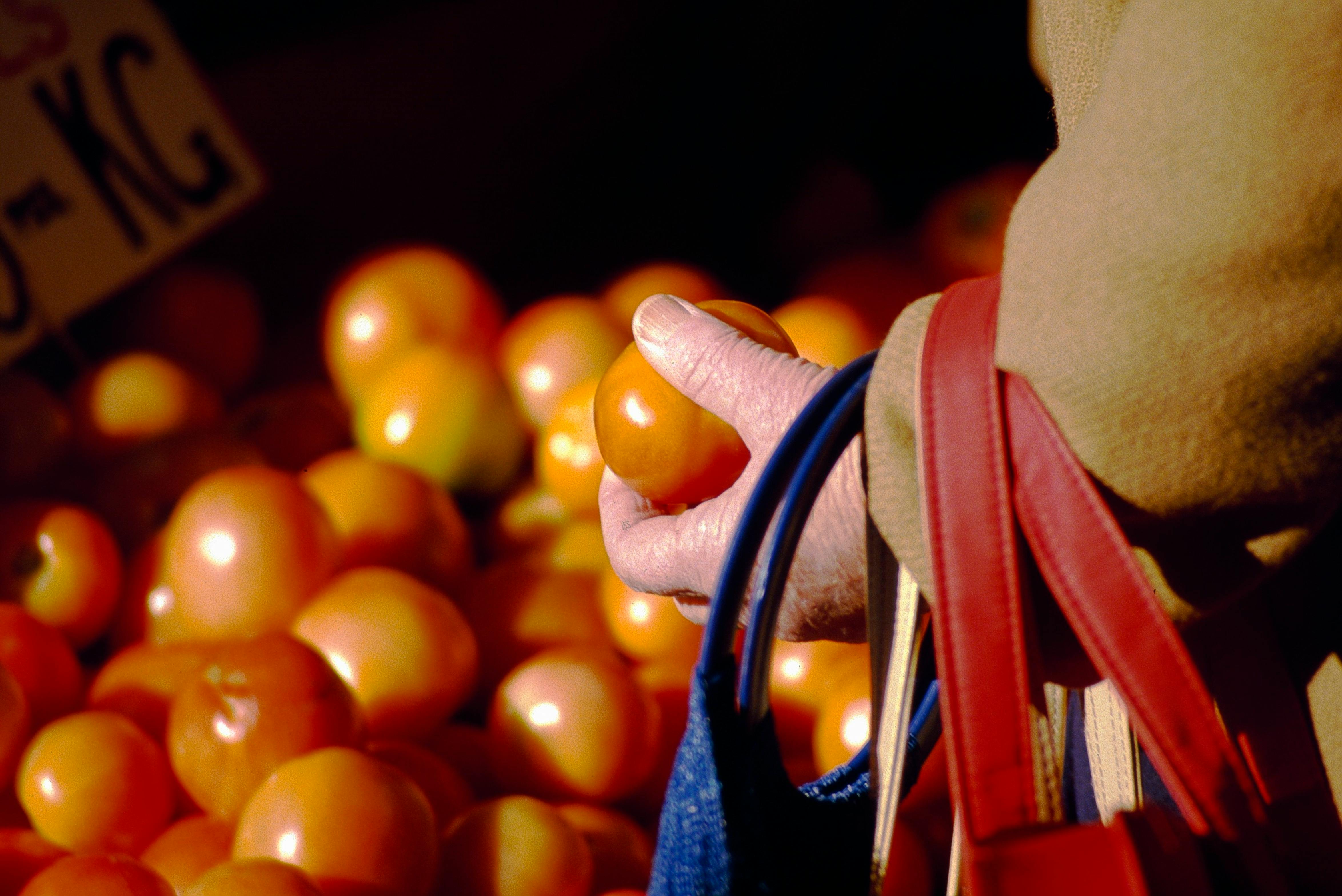
Who shops at a market is just as important as what is sold there. In densely populated, higher-income urban areas, farmers markets often become part of a lifestyle economy that includes specialty coffee, organic produce, heritage breeds, and chef-driven prepared foods. The experience can feel curated, social, and premium, with customers willing to pay more for traceability and craft.
In smaller cities and rural towns, markets may serve a more practical role. Shoppers often come for staple goods, direct relationships with farmers, and prices that compete with grocery stores during peak harvest. A dozen eggs, a bag of potatoes, or fresh jam may matter more than an elaborate food trend.
Tourism changes behavior as well. Provinces with strong summer travel seasons often see markets become cultural showcases where visitors buy smoked fish, local spirits, handcrafted sweets, or regional specialties. In that setting, the market sells identity along with food, and vendors adapt accordingly.
History and culture decide what the market means to people
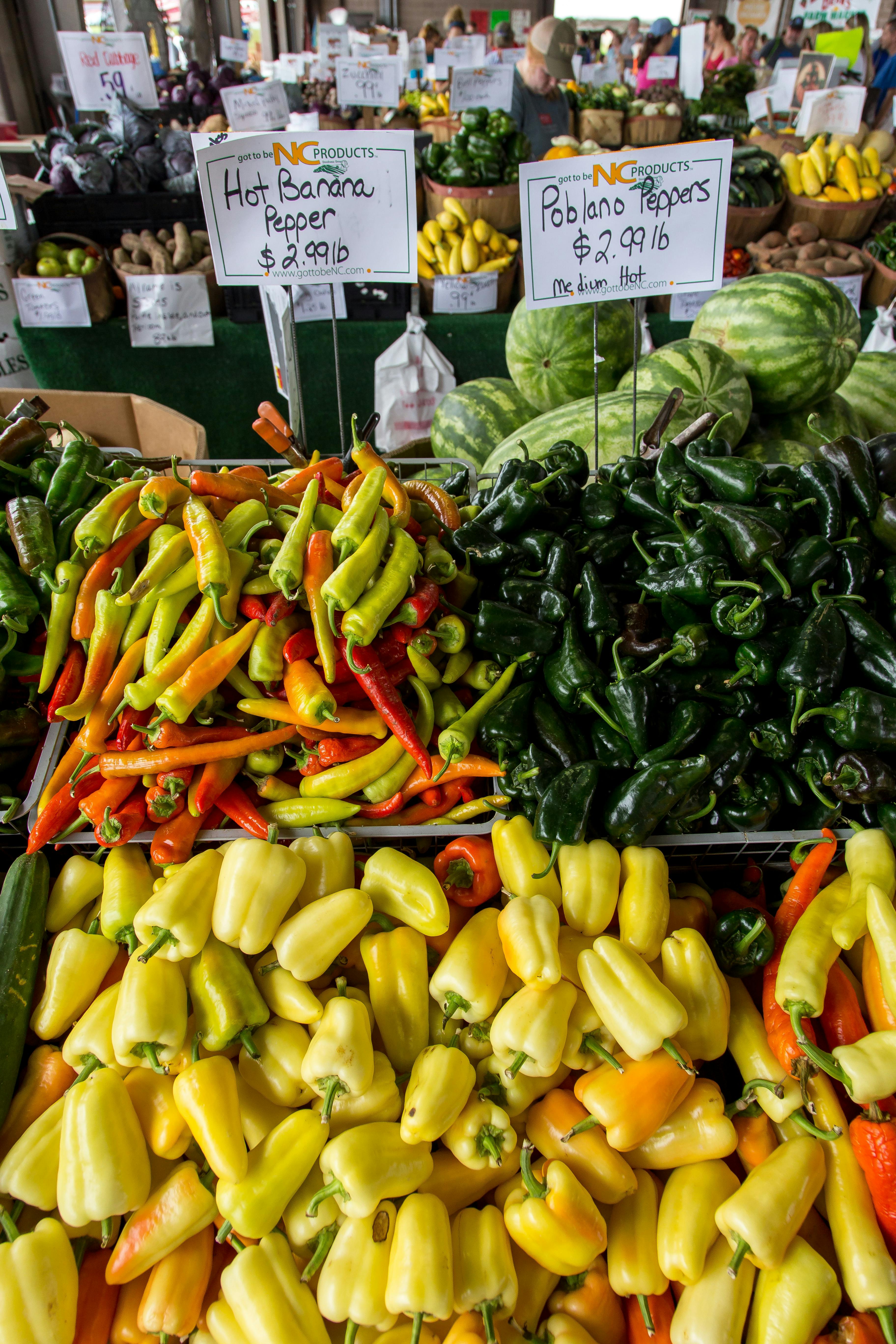
Some provinces inherited strong public-market traditions from older settlement patterns, port cities, or long-established farm belts. Others built market culture more recently through food movements, municipal revitalization, or demand for direct-to-consumer sales. That history shapes whether a market is seen mainly as a shopping venue, a civic institution, or a weekend social ritual.
Cultural communities also leave a visible mark on what appears on tables. Indigenous food knowledge, Acadian traditions, prairie preserving habits, immigrant baking styles, and regional fishing or hunting cultures all influence what people make, sell, and value. A market becomes richer when it reflects those lived histories instead of flattening them into a generic local-food aesthetic.
This is why two provinces can use the same term, farmers market, and still mean very different things. In one province it may evoke heirloom vegetables and live music. In another, it may signal preserves, meat pies, community fundraising, and practical bulk buying before winter.
Infrastructure and economics create the final differences
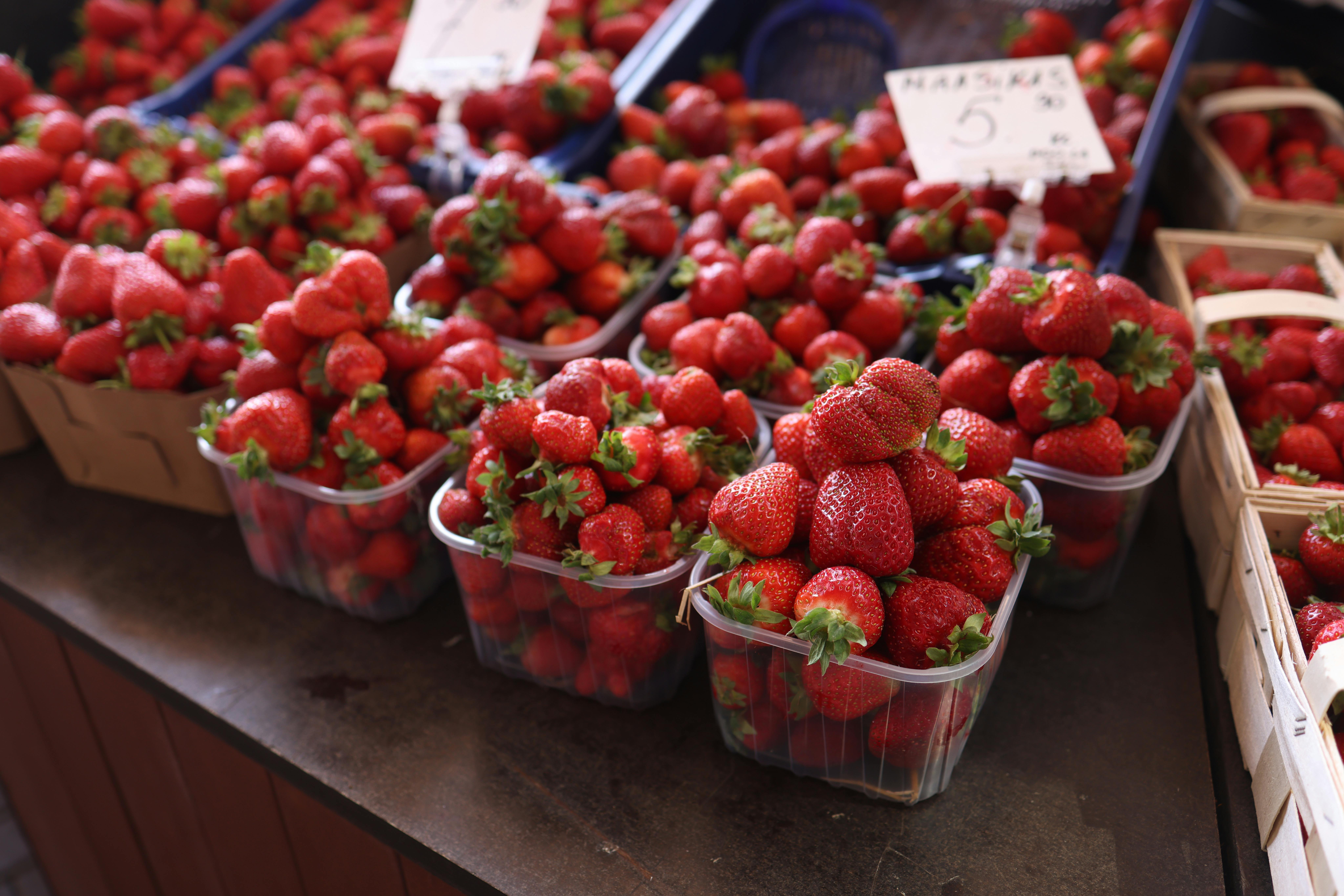
The last major factor is infrastructure. Transportation networks, cold storage, greenhouse access, abattoirs, commercial kitchens, broadband tools for preorders, and even ferry schedules can determine whether small producers can realistically reach market. A province may have excellent growers, but if logistics are weak, market variety and consistency can still be limited.
Economics deepen that divide. Land prices, fuel costs, farm size, labor availability, and insurance expenses all influence what vendors can profitably bring to town. According to repeated reporting across Canadian agriculture, smaller operators are often squeezed hardest by rising input costs, which can shift markets toward higher-margin goods or fewer sellers overall.
Put together, these differences explain why farmers markets do not develop a single national culture. They are local systems, and local systems reflect local realities. Province by province, the mix of climate, crops, law, history, and economics produces markets that feel distinct because they truly are distinct.




Leave a Reply