
Taste begins before the first bite. Long before food reaches the tongue, the brain is already deciding how good it is likely to be.
The brain eats with the eyes first
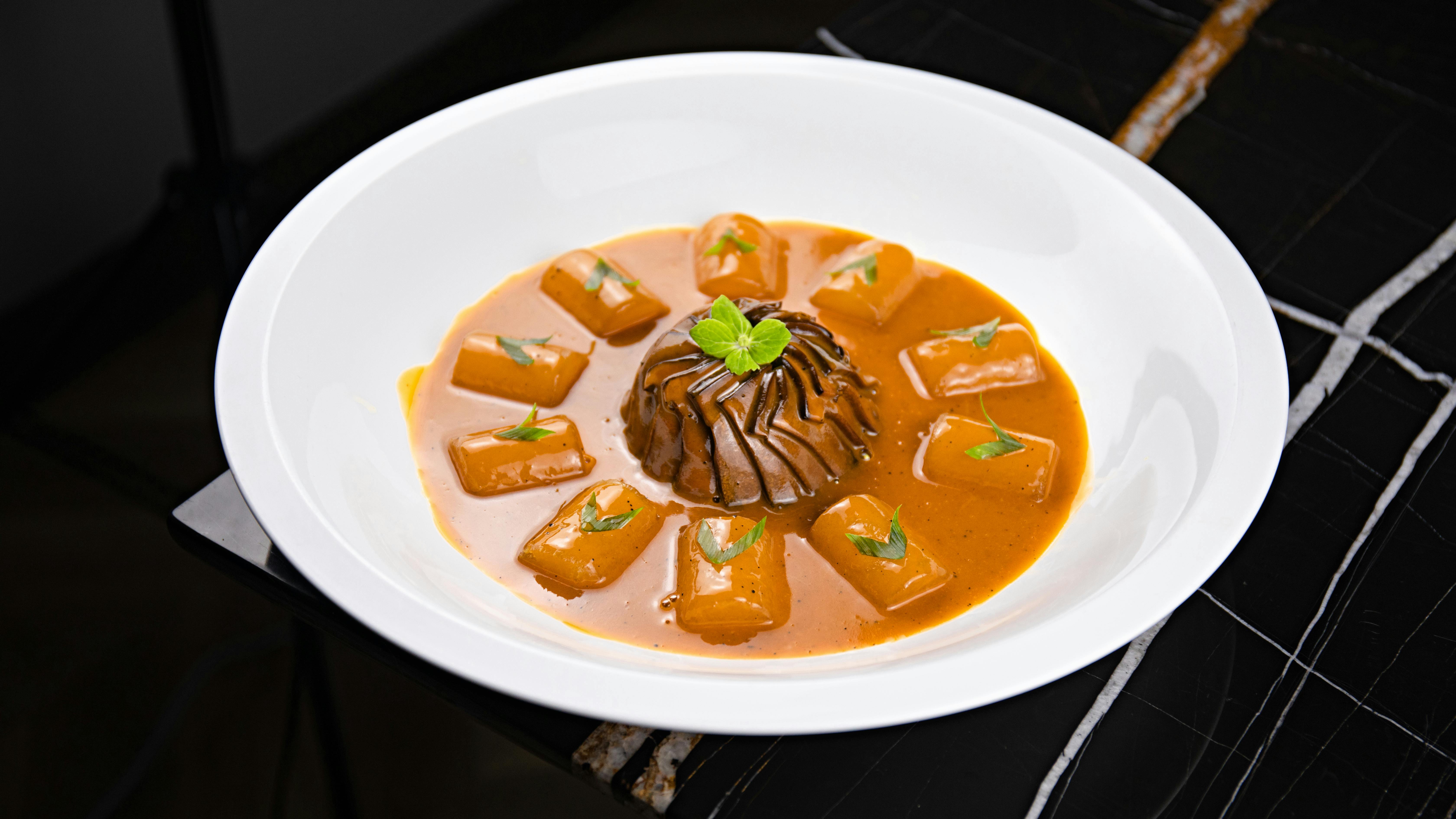
A dish that looks costly often activates a simple mental shortcut: if it appears premium, it must be better. Researchers in sensory science have shown that visual cues shape flavor expectations within seconds, influencing how sweetness, richness, and freshness are judged once food is tasted.
Plating plays a major role here. A small portion centered on a wide plate, careful color contrast, and glossy sauces can signal precision and quality. The same cake served from a paper tray may feel ordinary, but on ceramic with a garnish, many people describe it as more refined.
This is not snobbery so much as prediction. The brain uses appearance to prepare for flavor, and those predictions can alter the actual experience. When the expectation is high, the bite often seems to confirm it.
Price changes perception more than people realize

One of the strongest influences on taste is the price tag. In repeated studies involving wine, participants rated drinks as better when they believed the bottle cost more, even when the liquid was identical. Brain imaging research has also found that expected price can increase activity in regions associated with pleasure.
That effect extends well beyond wine. Coffee in premium packaging is often described as smoother. Chocolate in a heavy box can seem richer and more complex. According to consumer psychologists, price works as a quality signal, especially when people feel uncertain about how to judge a product on their own.
Restaurants use this skillfully. Menu design, elegant descriptions, and selective pricing help frame certain dishes as elevated experiences. Once diners accept that frame, taste tends to follow.
Context can season food better than salt
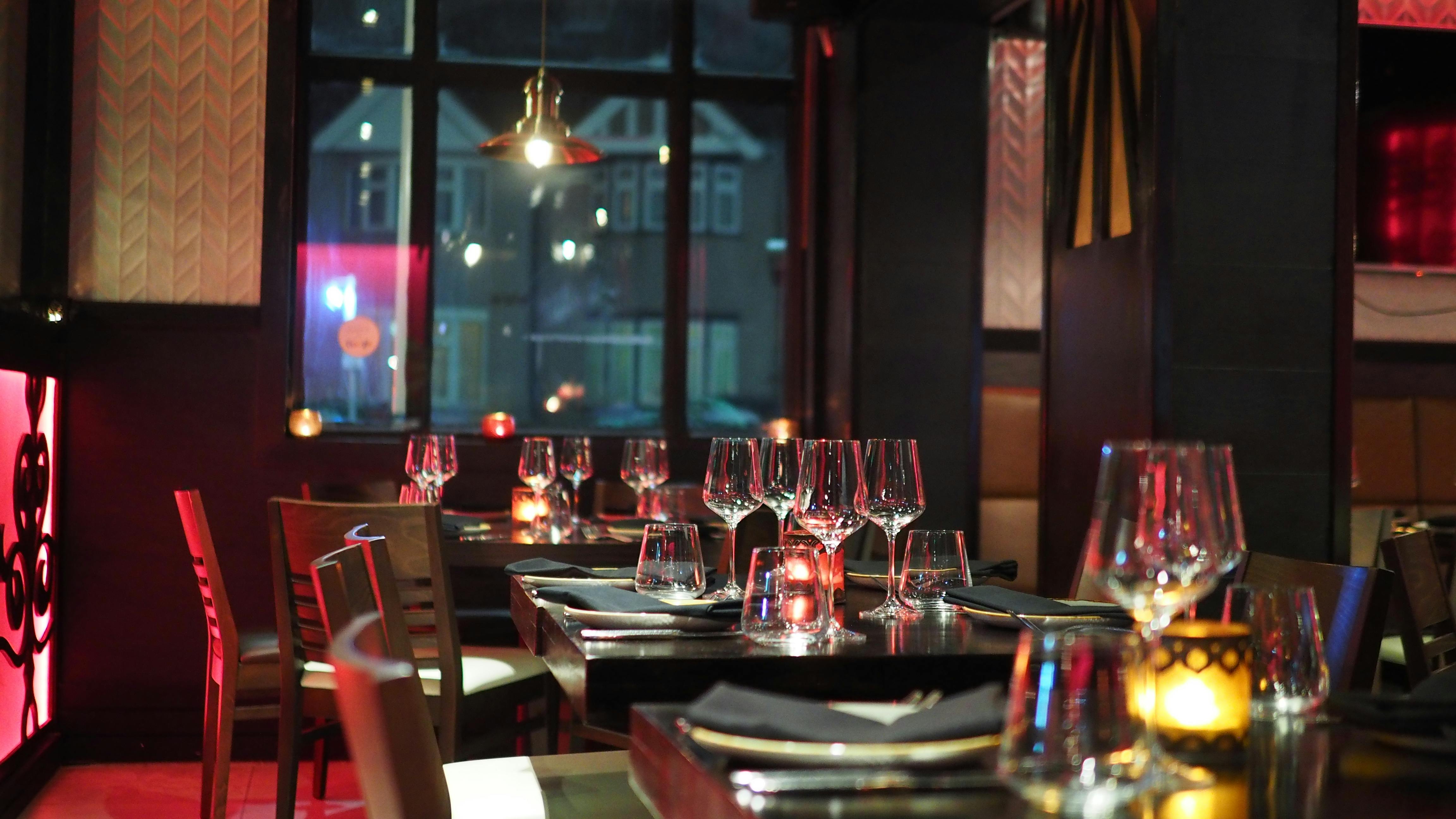
Where people eat matters almost as much as what they eat. Lighting, music, tableware, and service all influence perceived flavor. A 2024 study on multisensory dining found that soft lighting and curated soundscapes increased ratings for sweetness, balance, and overall enjoyment.
Heavy cutlery can make food seem more valuable. Crisp linens, quiet rooms, and attentive staff suggest care and expertise. Even the pace of service matters, because a slower arrival can build anticipation and make the dish feel more important.
This is why the same pasta may taste more memorable in a stylish restaurant than at home from a storage container. The environment helps write the story, and the brain often tastes the story along with the food.
Scarcity and exclusivity make bites feel special
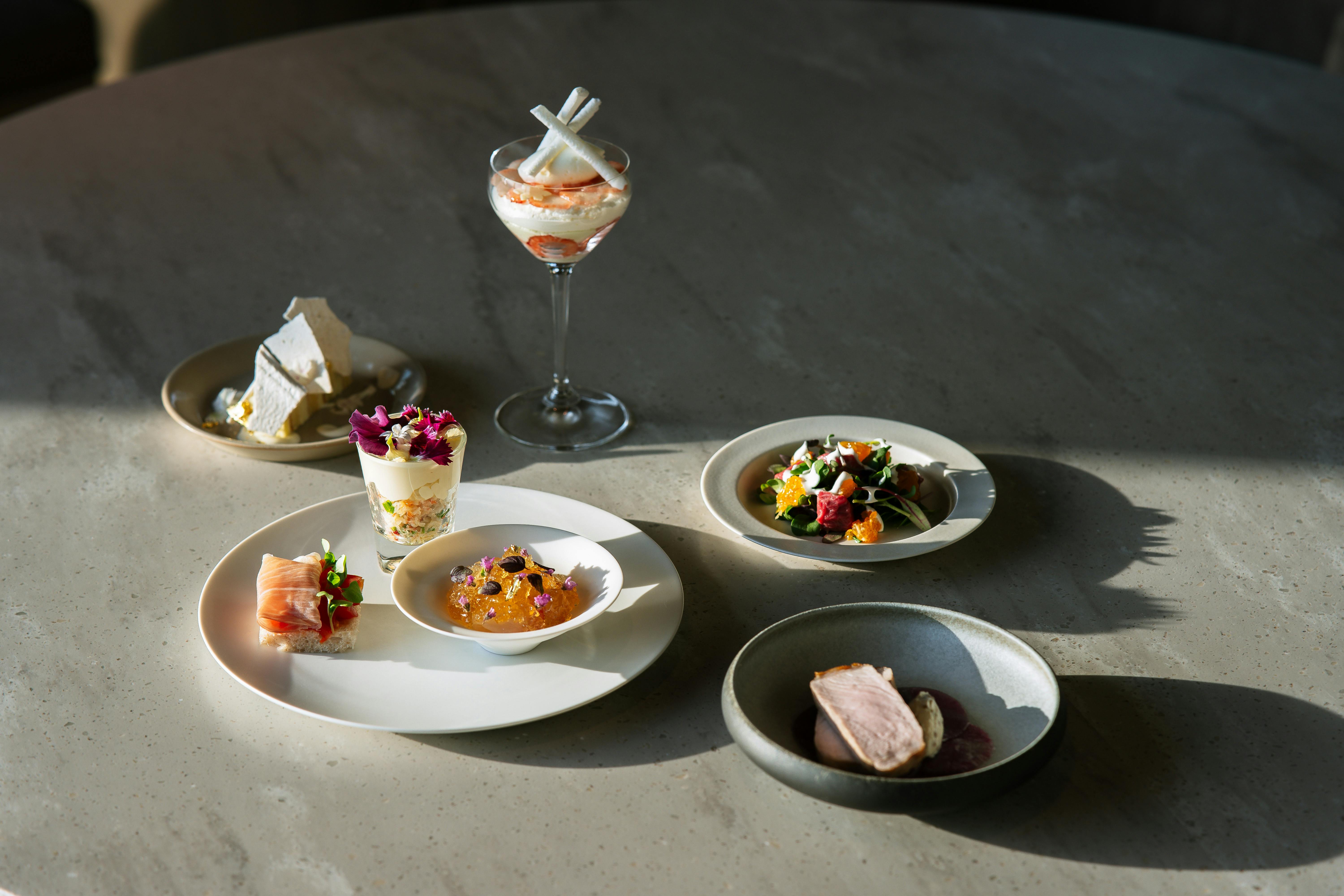
People tend to value what seems rare. Limited menus, chef's specials, seasonal ingredients, and reservation-only dining create a sense that a meal is worth noticing. That feeling can intensify attention, and attention itself often makes flavor feel sharper and more meaningful.
Luxury brands understand this instinct well. When a dessert is described as small-batch, hand-finished, or available for one week only, it gains emotional weight before it is even sampled. Diners become primed to detect nuance because they expect nuance to be there.
This does not mean the food is bad. Often it is excellent. But exclusivity can make modest differences seem dramatic, especially when the meal is treated like an event rather than a routine purchase.
Social signals also shape what seems delicious

Food is never just fuel. It is also status, identity, and belonging. When people see an expensive-looking meal in a fashionable room, they may read it as evidence of expertise, success, or taste, and that social meaning can feed directly into enjoyment.
Psychologists sometimes call this expectation transfer. If trusted friends, critics, or influencers signal that a place is exceptional, diners often arrive ready to be impressed. That readiness can heighten positive judgments and soften criticism of flaws that might stand out elsewhere.
Photos amplify the effect. Highly styled dishes are designed to photograph well, and once a meal looks impressive on screen, many people experience it as impressive in person too.
What this means for diners and for restaurants
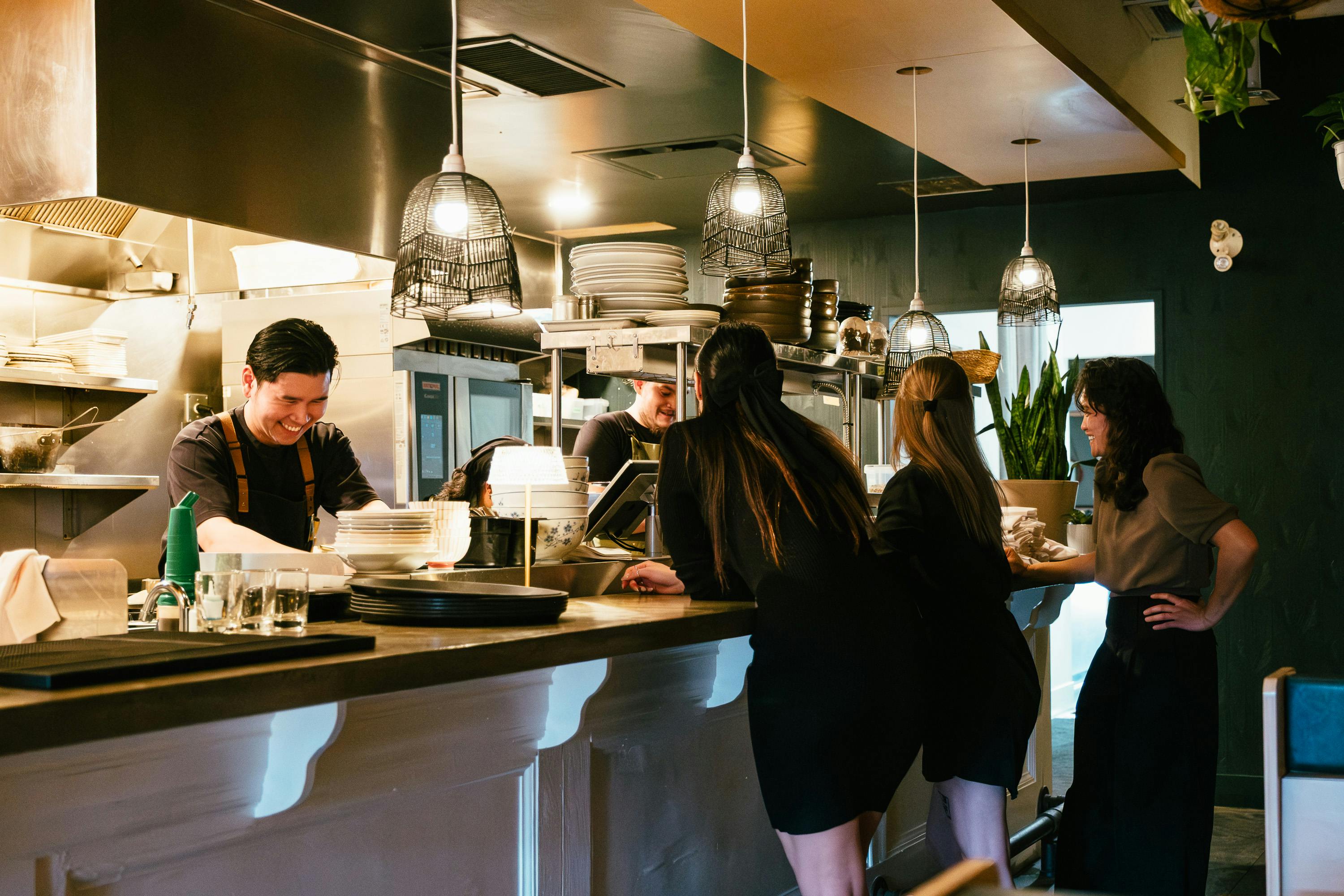
The lesson is not that expensive-looking food is fake. It is that flavor is a full-brain experience, shaped by cues that are visual, social, and emotional as much as chemical. A beautifully presented meal can genuinely feel better because perception is part of taste, not separate from it.
For diners, this awareness can be useful. It helps explain why a simple meal in the right setting feels extraordinary, or why an average dessert can seem unforgettable after a long wait and a dramatic presentation. Knowing the effect does not cancel it out.
For restaurants, the takeaway is powerful and practical. Quality still matters, but design matters too. When presentation, atmosphere, and expectation align, people often taste more pleasure than ingredients alone would predict.




Leave a Reply