
Eating alone used to carry a social stigma. Today, it increasingly signals independence, convenience, and a changing relationship with food and time.
Changing routines are reshaping mealtimes

The biggest reason solo dining is growing is simple: daily schedules no longer line up as neatly as they once did. Shift work, hybrid jobs, freelancing, and longer commuting patterns have made shared mealtimes harder to organize. For many adults, lunch now happens between meetings, errands, or travel rather than at a set hour.
Household structures have changed too. More people live alone, marry later, or remain single for longer stretches of adulthood. In many cities, one-person households are among the fastest-growing living arrangements, which naturally increases the number of meals eaten without company.
Researchers tracking time use have also noted that family meals have declined in many countries over the past few decades. That does not mean people value connection less. It means modern life often fragments the day, turning eating into a practical act that must fit around everything else.
Social attitudes have become more relaxed
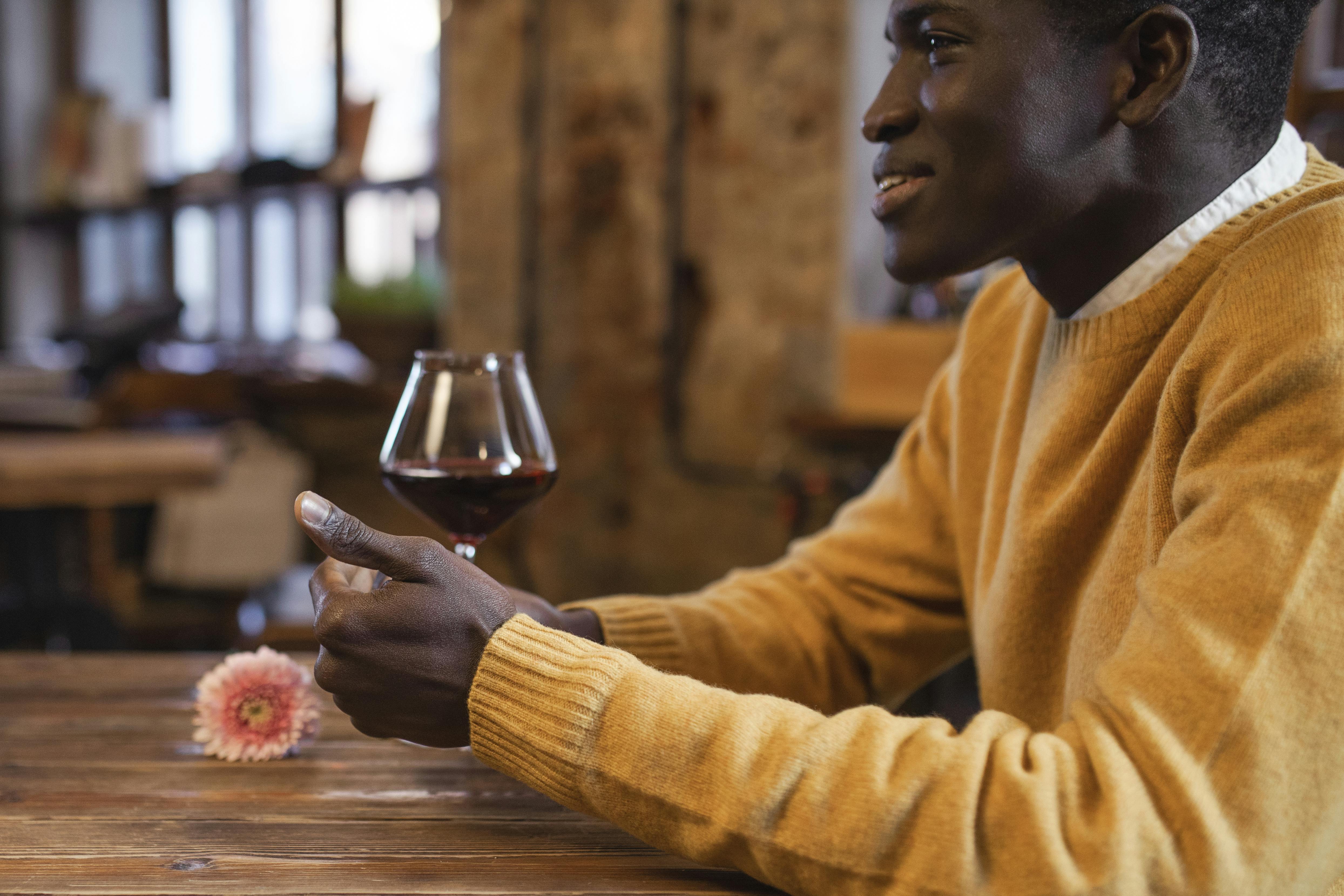
Solo dining feels more popular because it is more accepted. In the past, eating alone in a restaurant could be interpreted as awkward, lonely, or even embarrassing. That judgment has softened as public ideas about independence, self-care, and personal choice have changed.
Younger adults, in particular, tend to view time alone differently than earlier generations did. Dining solo can be framed as confidence rather than isolation, especially in cultures that increasingly celebrate doing things independently, from traveling alone to attending events solo.
Restaurants have adapted to this shift. Counter seating, communal tables, smaller floor plans, and fast-casual concepts make dining alone feel natural instead of conspicuous. In parts of Japan, South Korea, and major Western cities, businesses now openly cater to solo customers because demand is clear and growing.
Technology makes solitary meals feel less isolating
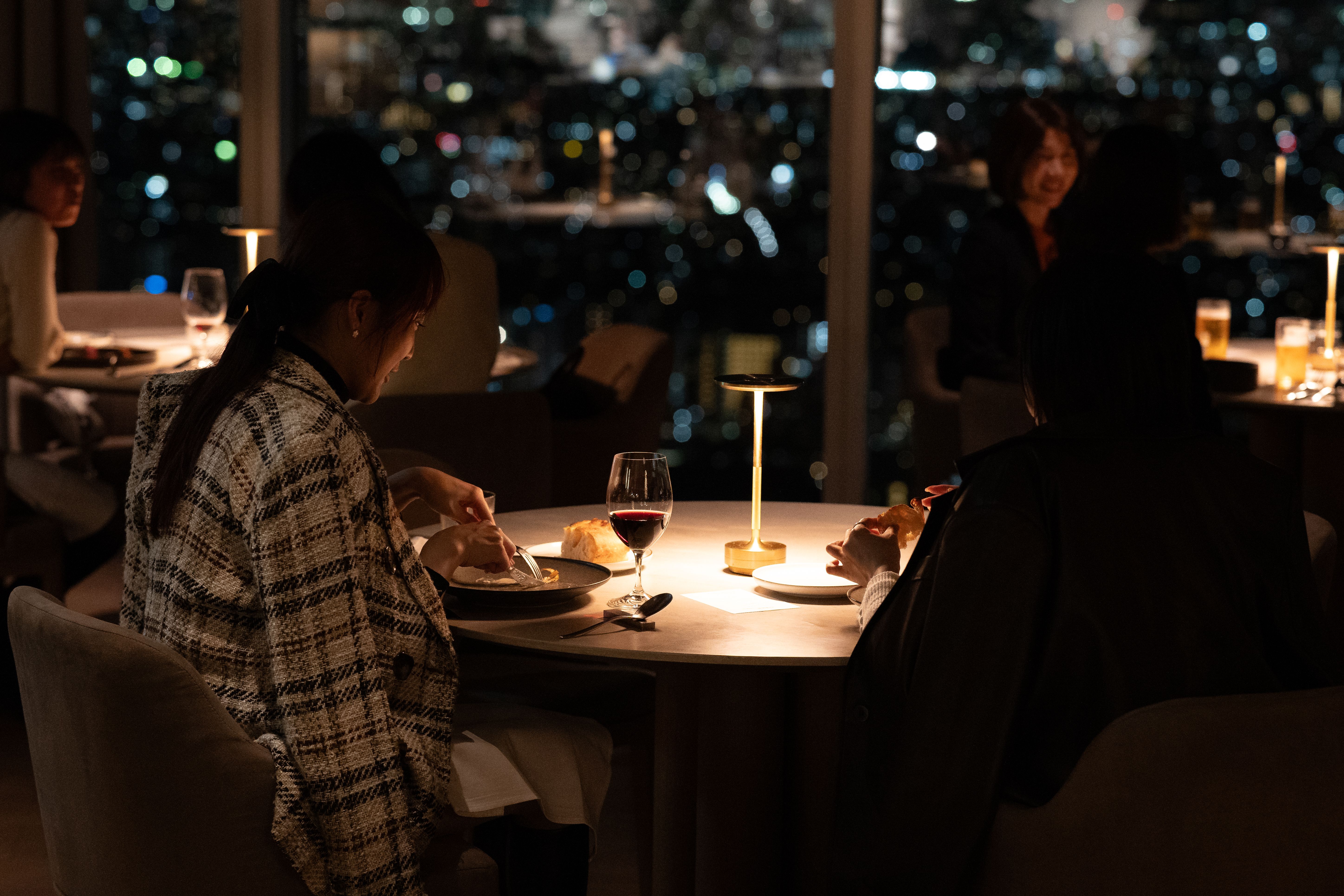
A person eating alone today is rarely cut off from the world. Smartphones, podcasts, streaming video, and messaging apps have changed the emotional texture of solitary time. A lunch break alone can still include conversation, entertainment, or work, making the experience feel fuller and more comfortable.
This matters because one old fear around eating alone was boredom. Digital habits have largely erased that barrier. Many people now use solo meals to catch up on news, answer messages, listen to a favorite show, or simply enjoy a quiet scroll without needing social interaction.
Food delivery has reinforced the same pattern at home. Eating alone no longer requires formal meal planning or cooking for one, which many people find inefficient. With restaurant apps and prepared meals widely available, solo eating has become easier, cheaper in some cases, and far more routine.
Personal control is a major appeal

For many people, eating alone is not a compromise. It is a preference. A solo meal gives full control over timing, budget, pace, and food choice without needing to negotiate with anyone else. That can make the experience feel restful rather than empty.
People with demanding jobs often describe solo meals as one of the few parts of the day they can fully manage. There is no pressure to make conversation, split a bill, wait for others, or adapt to different tastes. In a culture where attention is constantly pulled in many directions, that autonomy has real value.
Health behavior also plays a role. Some people find they eat more mindfully when alone, choosing foods that match their goals rather than social expectations. Others simply appreciate being able to savor a meal slowly, which can turn dining into a small act of recovery.
Urban life supports the trend

Cities make solo dining easier because anonymity is built into urban life. In dense neighborhoods, people regularly move through cafés, food halls, and restaurants without knowing the people around them. That lowers the social pressure attached to being seen alone.
The economics of city living also matter. Small apartments can make cooking less appealing, while abundant nearby food options make eating out more convenient. A single person grabbing ramen, salad, or a sandwich after work is often making an efficient decision, not a symbolic one.
Business districts have strengthened this pattern for years. Office workers commonly eat on their own due to staggered schedules and limited break times. As flexible work expands, that habit has spread beyond downtown cores into neighborhood cafés and casual restaurants throughout the day.
Eating alone now reflects choice more than loneliness
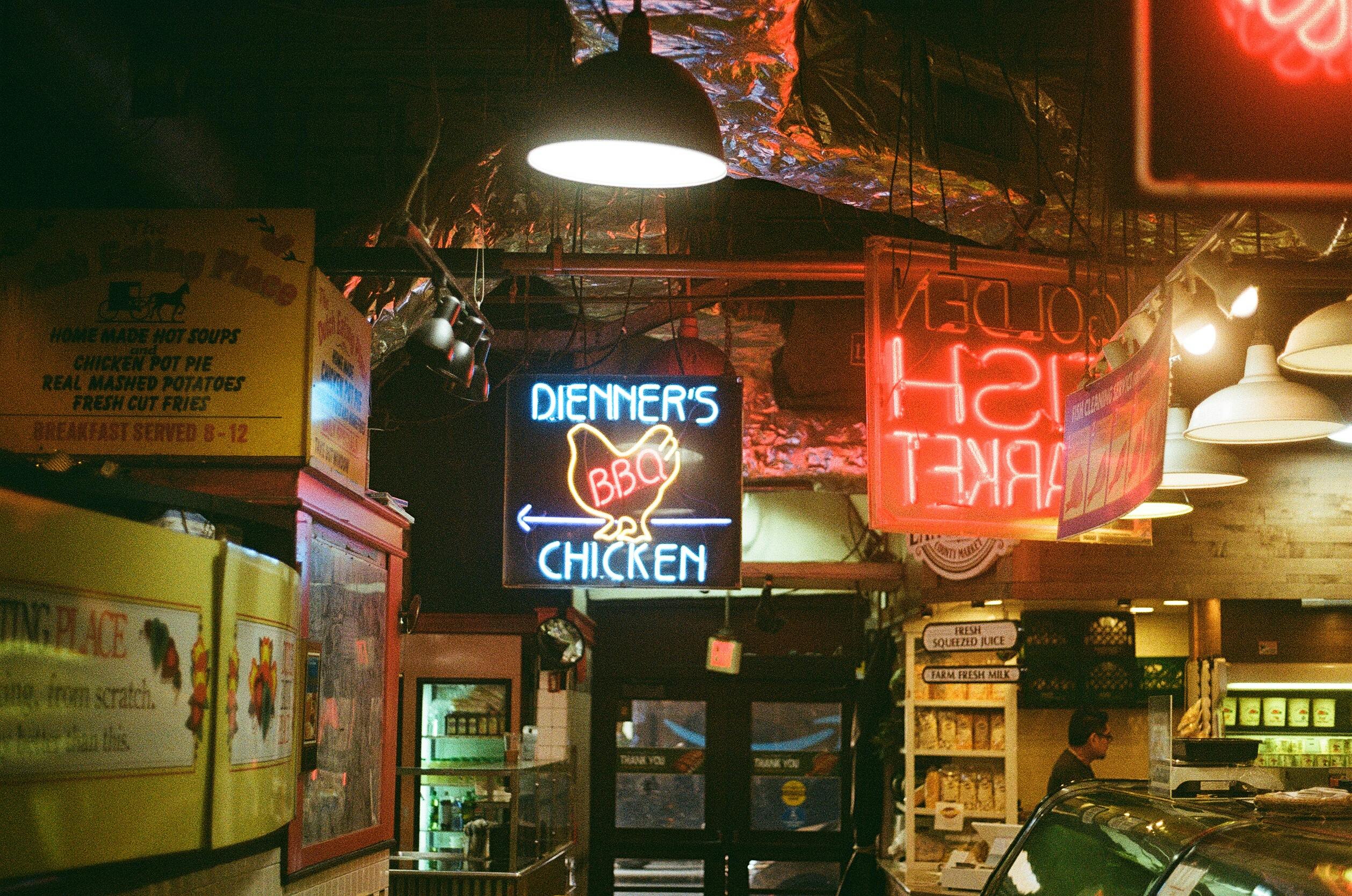
The rise of solo dining should not be confused with a simple rise in loneliness, even though social isolation is a real public health concern in many countries. The better explanation is that eating alone now covers a wider range of experiences, many of them neutral or positive.
Sometimes a person is alone because of circumstance. Just as often, they are alone because it is efficient, calming, or enjoyable. Market research has shown that restaurants increasingly design menus, seating, and service models around that reality rather than treating solo diners as an exception.
In the end, eating alone has become more popular because modern life rewards flexibility. As norms continue to evolve, the solo meal is likely to remain a visible part of everyday culture, not as a sign of absence, but as a normal expression of how people live now.




Leave a Reply