
For years, cheap food suggested hardship. Now, in some corners of modern consumer culture, it can suggest control.
Inflation changed the meaning of a low grocery bill
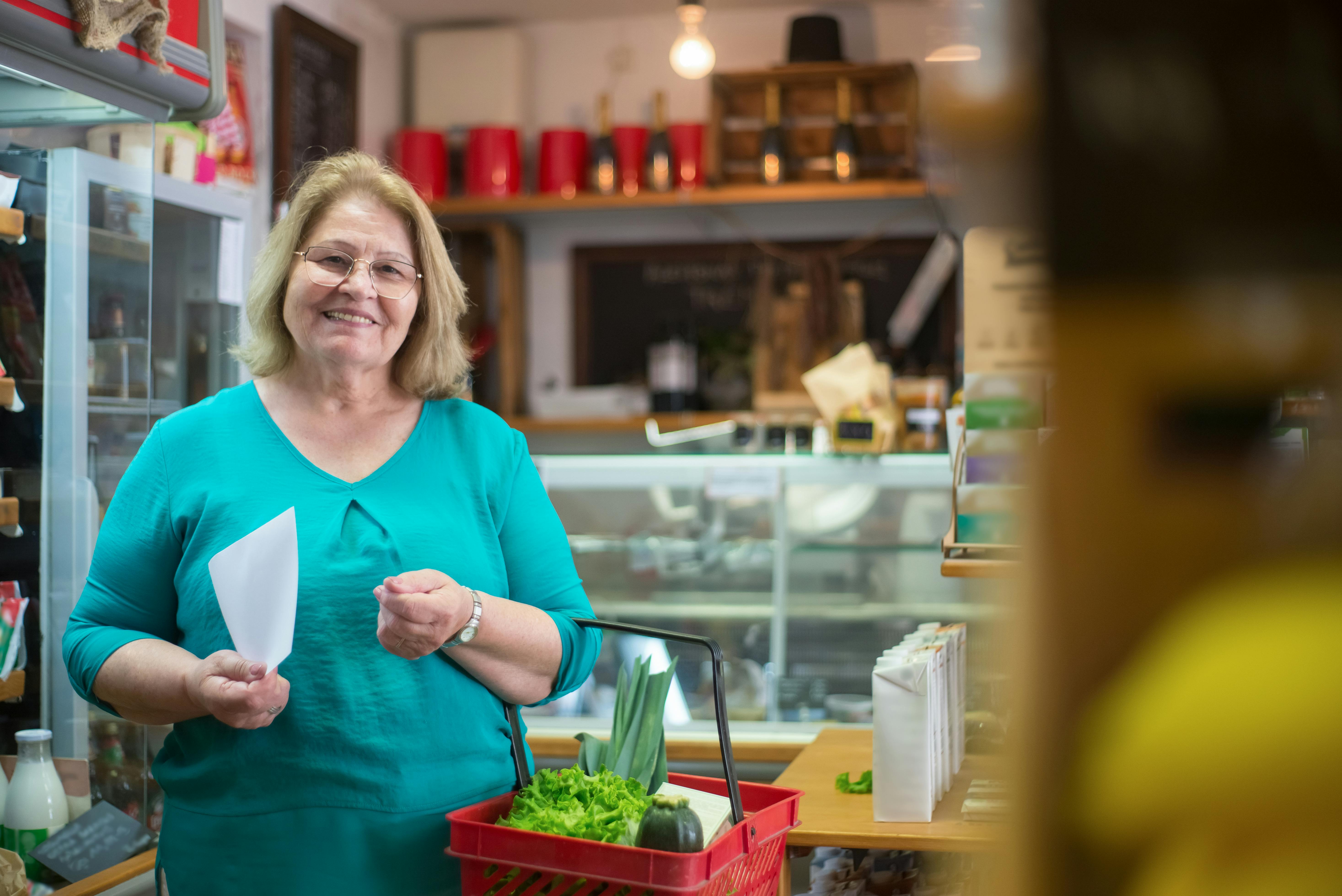
Sticker shock did more than raise household costs. It changed how people talk about shopping, cooking, and value in everyday life.
As food prices climbed across many countries in 2022, 2023, and 2024, shoppers became far more vocal about what they paid for basics. According to government inflation data in the United States and Europe, staples such as eggs, bread, dairy, and produce saw sharp swings that made grocery receipts feel personal. In that climate, finding a lower total stopped looking merely frugal and started looking skilled.
A cheap basket became evidence of competence. People began treating a low bill almost like a small financial victory, especially when friends, family, or social followers were all comparing rising costs.
This shift matters because status is often relative. When expensive food becomes common, avoiding overpayment can itself become a marker of intelligence and self-command.
Social media turned frugality into a performance

A private habit becomes a status symbol once it can be displayed. Social platforms gave bargain shopping exactly that stage.
Short videos showing "what I got for $40" or "how I fed my family for a week on a budget" perform especially well because they combine tension, surprise, and practical value. On TikTok, Instagram, and YouTube, shoppers present discount hauls from Aldi, Lidl, Walmart, dollar stores, and warehouse clubs almost like trophies. The message is not simply that they spent less. It is that they outsmarted the system.
That kind of content also carries moral undertones. The careful shopper appears disciplined, informed, and resistant to waste, while the person paying full price can seem inattentive or indulgent.
In earlier eras, luxury signaling centered on abundance. Online, a new version of prestige often comes from optimization, hacks, and proof that you know where the real value is hiding.
"Cheap" now overlaps with authenticity
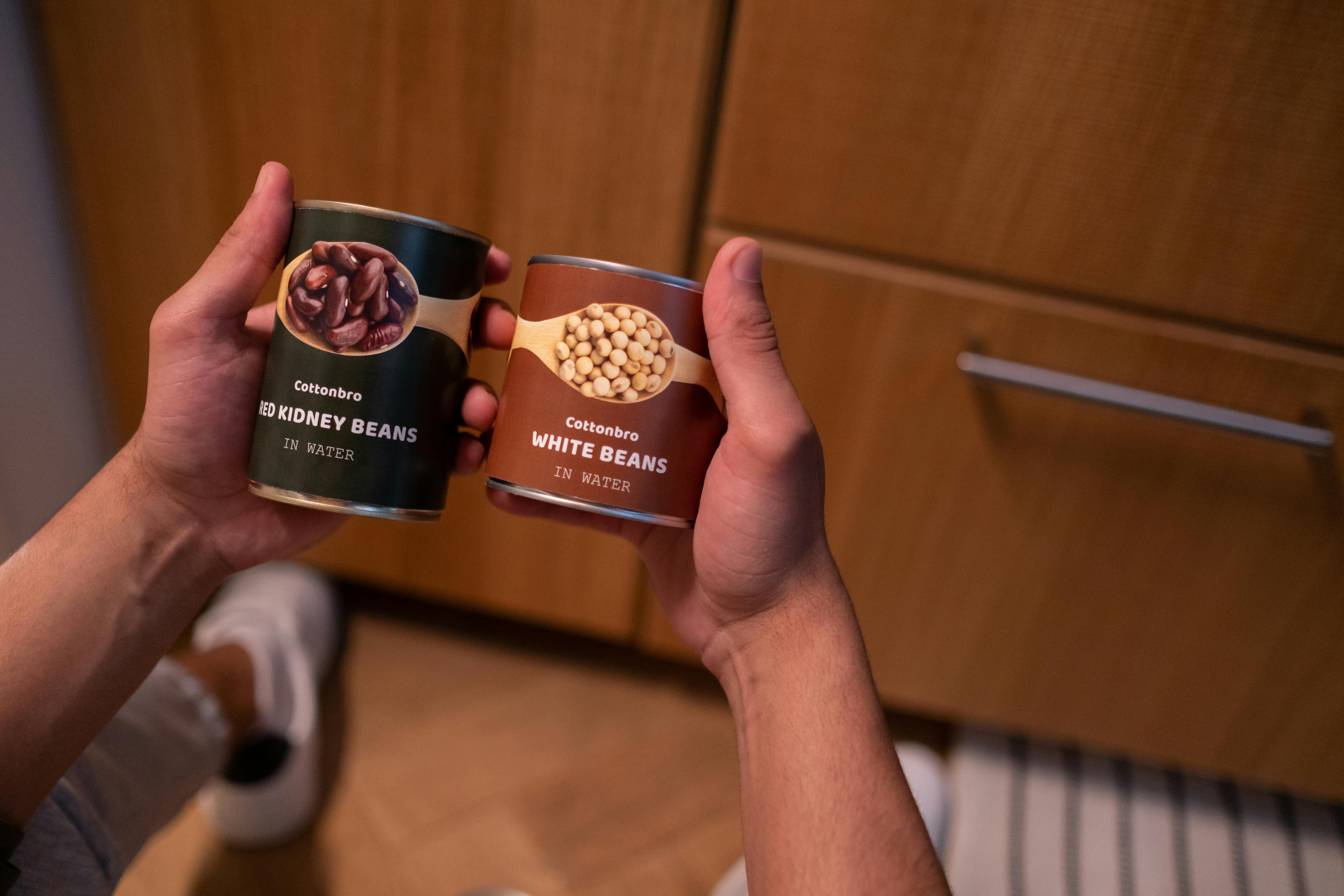
For many shoppers, low-cost food also carries cultural meaning. It can signal that a person values substance over branding.
That is one reason humble foods have gained prestige in certain circles. Tinned fish, beans, instant noodles, rotisserie chicken, store-brand snacks, and budget produce boxes are often framed as smart, honest choices rather than compromises. In food media, chefs and cookbook writers increasingly praise affordable ingredients for their versatility and flavor, reinforcing the idea that expensive does not automatically mean better.
There is also a backlash against curated luxury consumption. Some consumers are tired of $18 smoothies, premium grocery branding, and aesthetic food trends that feel detached from real life.
In that context, buying cheap food can project grounded taste. It tells others you are not easily manipulated by packaging, hype, or performative wellness culture.
Discount shopping can signal financial literacy
Status is not always about showing wealth directly. Sometimes it comes from showing that you know how money works.
Behavioral economists have long noted that consumers use purchasing choices to express identity. Today, one admired identity is the financially literate adult who budgets carefully, compares unit prices, avoids food waste, and understands promotions. Retail analysts have repeatedly found that even higher-income households are trading down on groceries while continuing to spend in other areas such as travel, beauty, or dining out.
That pattern helps explain the symbolism of cheap food. For some affluent shoppers, saving on cereal, frozen vegetables, or lunch ingredients is not a necessity. It is proof that they refuse to be careless.
The low bill becomes a signal of discipline. In an uncertain economy, discipline can carry more social weight than open-handed spending.
Retailers helped make bargain buying feel aspirational

Stores did not just respond to this trend. They helped create its language and appeal.
Discount chains have spent years refining a cleaner, smarter image. Aldi and Lidl, for example, built reputations around lean operations, private labels, and limited-assortment efficiency, but they also made those choices feel modern rather than second-rate. Trader Joe's, though not exactly a discount grocer, similarly turned selective low-price discovery into part of its charm.
Private-label growth also changed perceptions. A 2024 industry pattern seen across major supermarket groups showed store brands gaining trust not only because they were cheaper, but because many matched national brands on taste and quality.
When retailers package value as savvy curation, shoppers can feel proud of paying less. The emotional experience becomes less about sacrifice and more about being in on the secret.
The status symbol is really about control

At its core, this is not just a food story. It is a story about anxiety, identity, and the desire to feel capable.
People use status symbols to communicate what kind of person they are. In unstable times, the admired person is often not the one who spends most freely, but the one who stays calm, adapts quickly, and makes smart decisions under pressure. A cheap grocery haul can communicate exactly that.
There is also a generational dimension. Younger adults facing high housing costs, student debt, and volatile wages often reject older ideas that status must look luxurious. Practical mastery feels more believable than polished excess.
So when some shoppers wear "cheap food" almost like a badge, they are not celebrating scarcity. They are signaling judgment, resilience, and control in a marketplace that often feels designed to take both away.


Leave a Reply