
Losing weight does not mean giving up carbs. It means choosing the kind that works with your body instead of against it.
Why oats stand out from other carbs

When people think of weight loss, bread, pasta, and rice often get lumped together as the problem. But carbs are not equal, and oats deserve a separate conversation. Among common carbohydrate foods, oats are especially helpful because they deliver slow-digesting starch, meaningful fiber, and a texture that tends to satisfy hunger quickly.
A key reason is beta-glucan, a soluble fiber found in oats. Research has shown that beta-glucan forms a gel-like substance in the gut, which slows digestion and helps you feel full longer. That matters because appetite control is one of the biggest predictors of whether a calorie deficit feels manageable or miserable.
Oats are also remarkably versatile. A bowl of oatmeal, overnight oats, or even savory oats can fit into real life without much planning. That convenience gives oats an edge over many "healthy" carbs that look good on paper but rarely become a lasting habit.
The weight-loss advantage is fullness
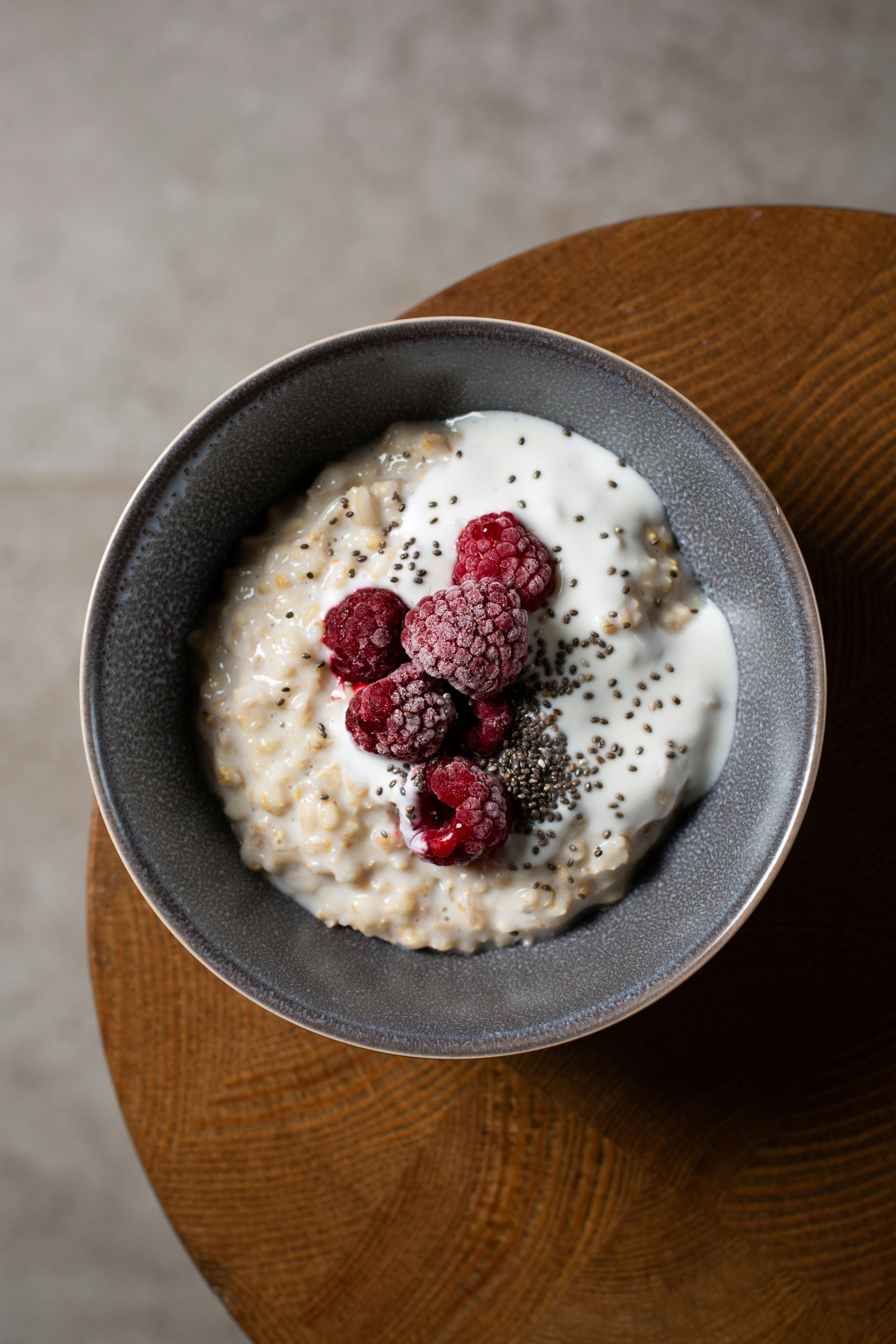
The strongest case for oats is not that they are trendy or low in calories. It is that they help reduce the urge to keep eating. Foods that improve satiety make it easier to naturally eat less over the course of the day, which is the real engine behind sustainable fat loss.
A 2024 pattern in nutrition research continues to support high-fiber eating for body-weight control. Soluble fiber slows stomach emptying and can influence hormones involved in hunger and fullness. In plain terms, a breakfast based on oats is more likely to keep you comfortable until lunch than a sugary cereal or pastry.
Real-world eating backs this up. Someone who eats plain oats with Greek yogurt, berries, and chia seeds will usually stay fuller longer than someone starting the day with white toast and jam. The second meal digests quickly, spikes hunger sooner, and often leads to extra snacking before noon.
Oats help steady blood sugar and energy
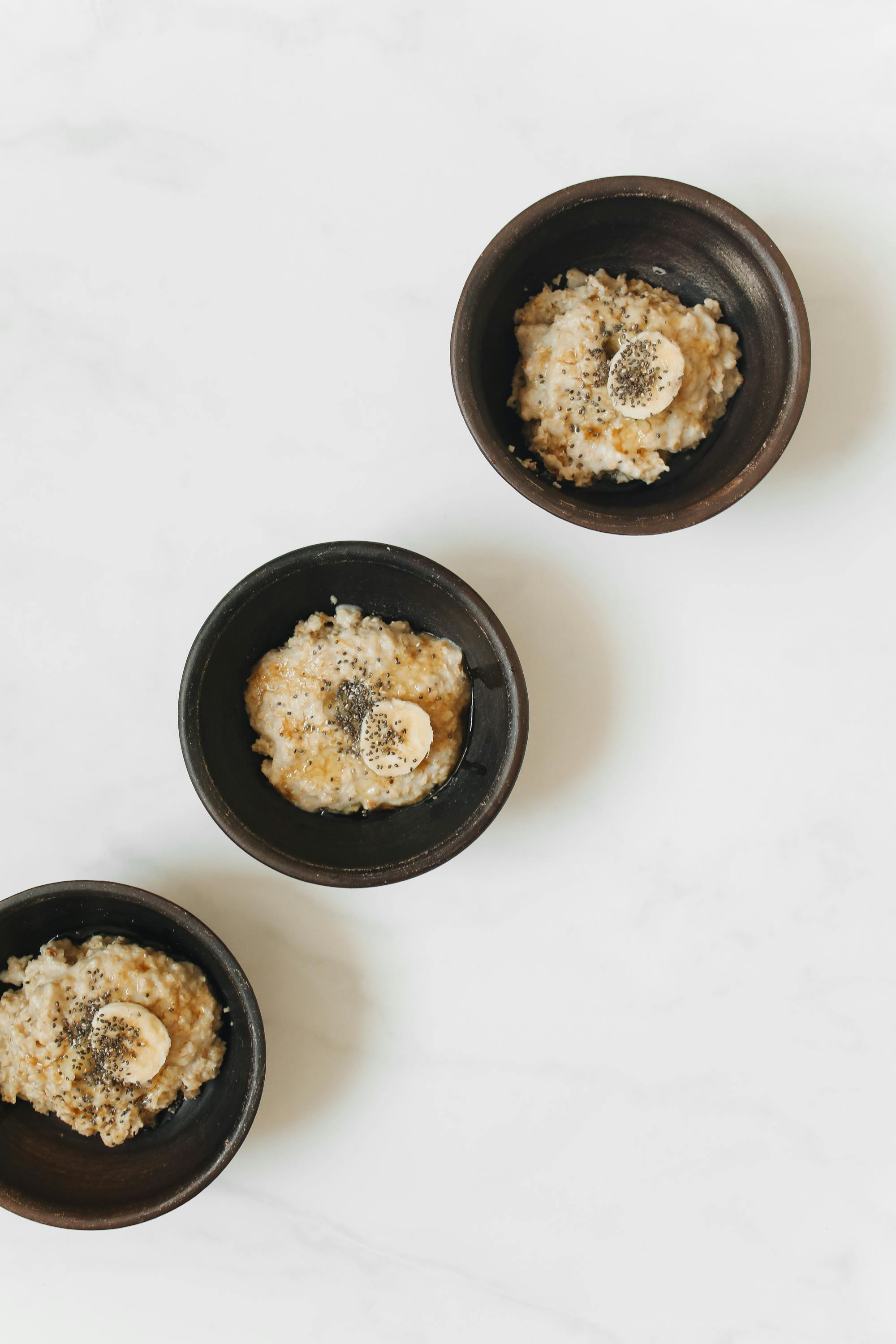
Another reason oats are so useful is their gentler effect on blood sugar compared with refined carbohydrates. While instant flavored oatmeal can act more like a processed snack, traditional rolled oats and steel-cut oats digest more slowly. That slower pace can reduce sharp rises and falls in energy.
For people trying to lose weight, this matters more than it seems. Big blood sugar swings often bring cravings, mental fatigue, and a stronger pull toward high-calorie convenience foods. A steadier meal pattern can make better choices feel easier, especially during busy workdays.
Experts in metabolic health often point out that consistency beats perfection. Oats are not magic, but they can support a more even appetite and energy curve. That creates a helpful environment for weight loss, particularly for people who struggle with late-morning or mid-afternoon crashes.
Portion, preparation, and toppings matter
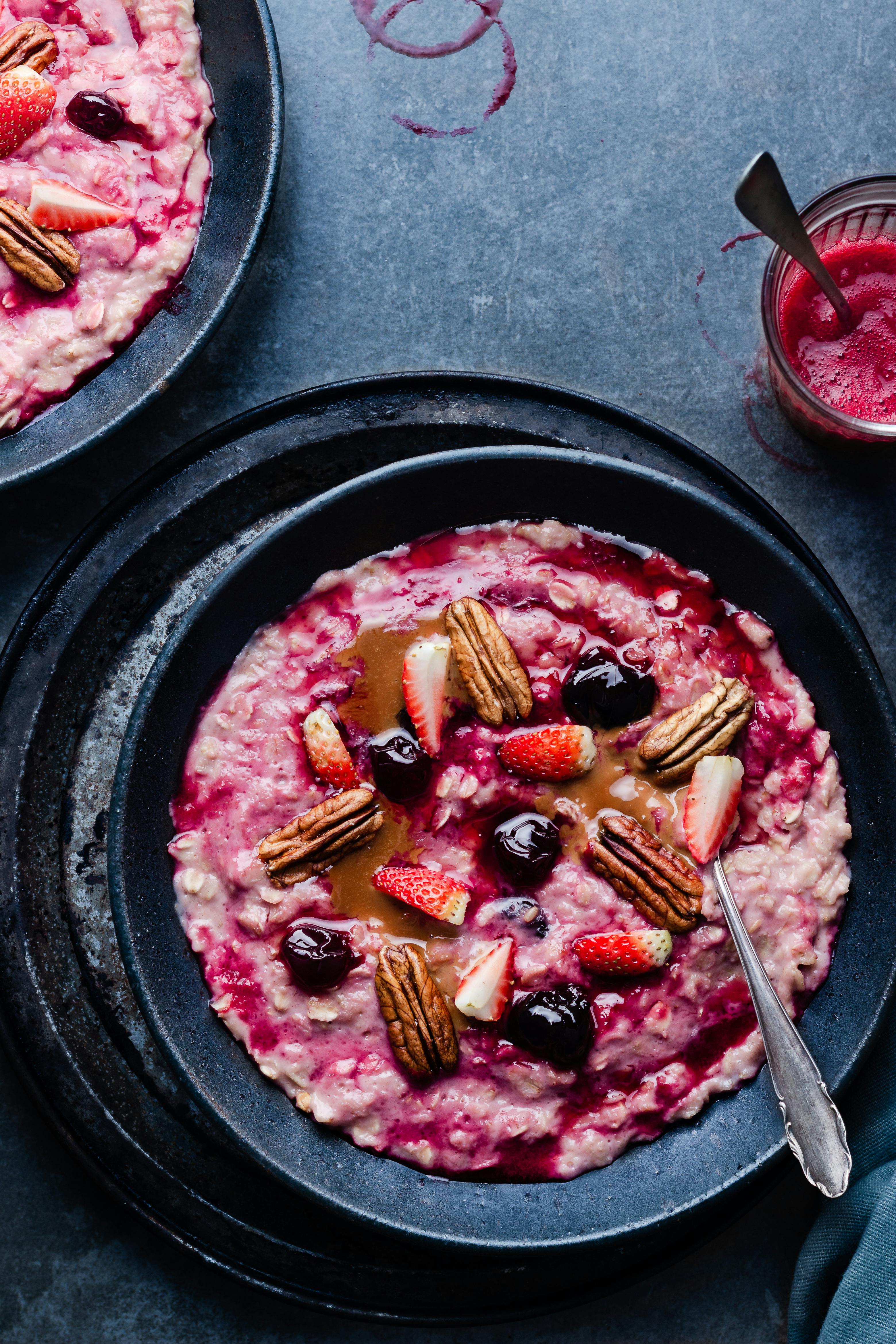
Even the best carb can become less helpful if it is loaded with sugar and oversized extras. Oats work best when the portion is sensible and the toppings support fullness. A dry serving of about ½ cup is a practical starting point for many adults, especially when paired with protein.
What goes into the bowl matters. Brown sugar, syrup, chocolate chips, and sweetened dried fruit can turn oatmeal into dessert-level calories fast. Better options include cinnamon, berries, sliced apple, unsweetened yogurt, nuts, seeds, or a spoonful of peanut butter.
Preparation style also changes the nutrition profile. Steel-cut oats and old-fashioned rolled oats are usually better choices than heavily sweetened instant packets. The less processed version generally digests more slowly and leaves more room for you to control flavor, sugar, and total calories.
How oats compare with other healthy carbs
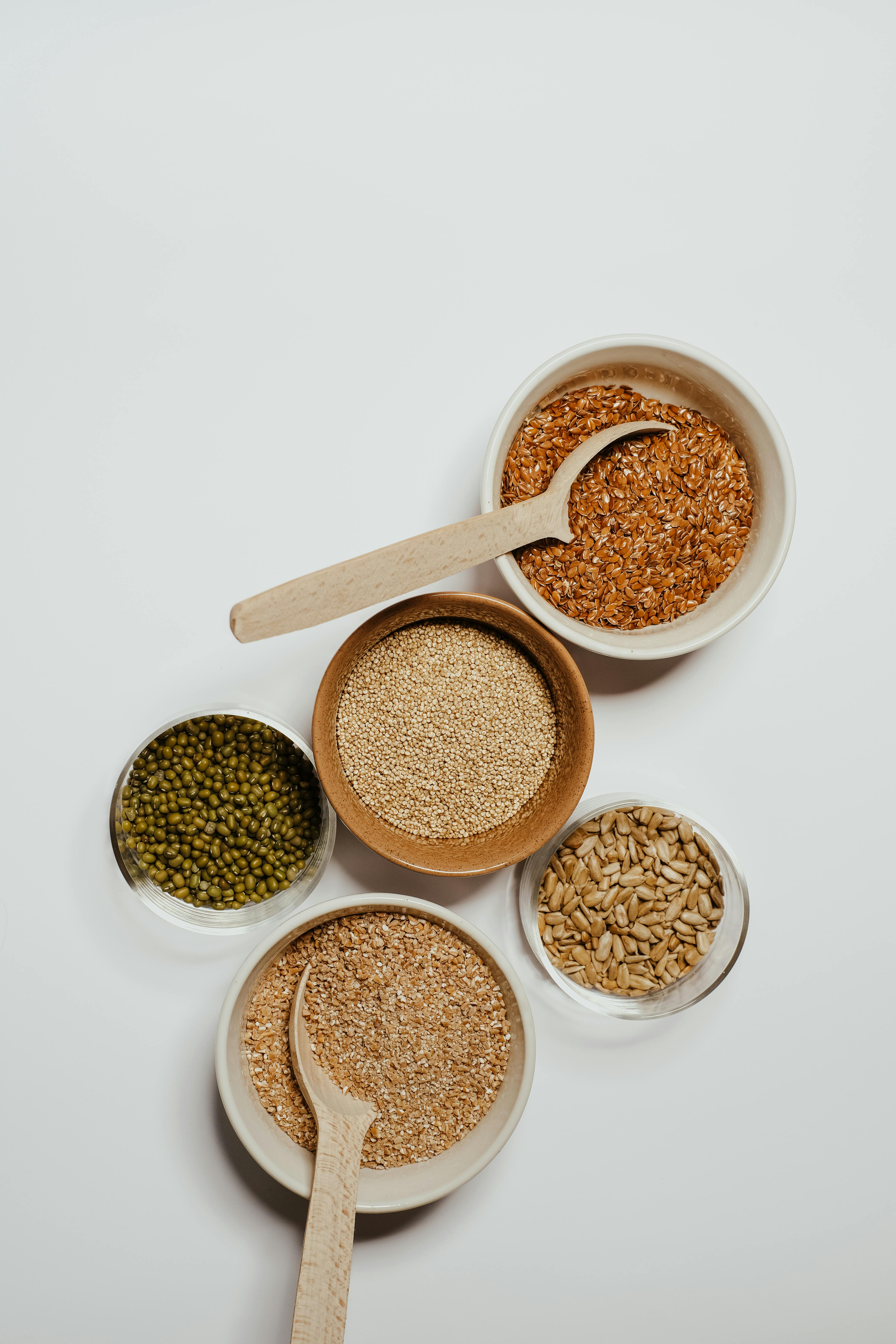
Many carbs can fit into a weight-loss plan, including beans, sweet potatoes, quinoa, and fruit. Beans are excellent for fullness because they combine fiber and protein, and potatoes can be very satisfying when not fried. Still, oats remain one of the easiest and most reliable first choices.
Part of that advantage is consistency. People are more likely to eat oats in measured portions than foods like granola, crackers, or even rice, where portions can quietly grow. Oats also pair naturally with nutrient-dense additions, making them a simple anchor for a balanced meal.
Compared with refined breakfast foods, oats clearly win. A muffin or sweet cereal often delivers fast-digesting starch with little fiber and weaker satiety. Oats offer a better trade: more fullness per calorie, better blood sugar control, and a routine people can actually maintain.
The best way to use oats for real results
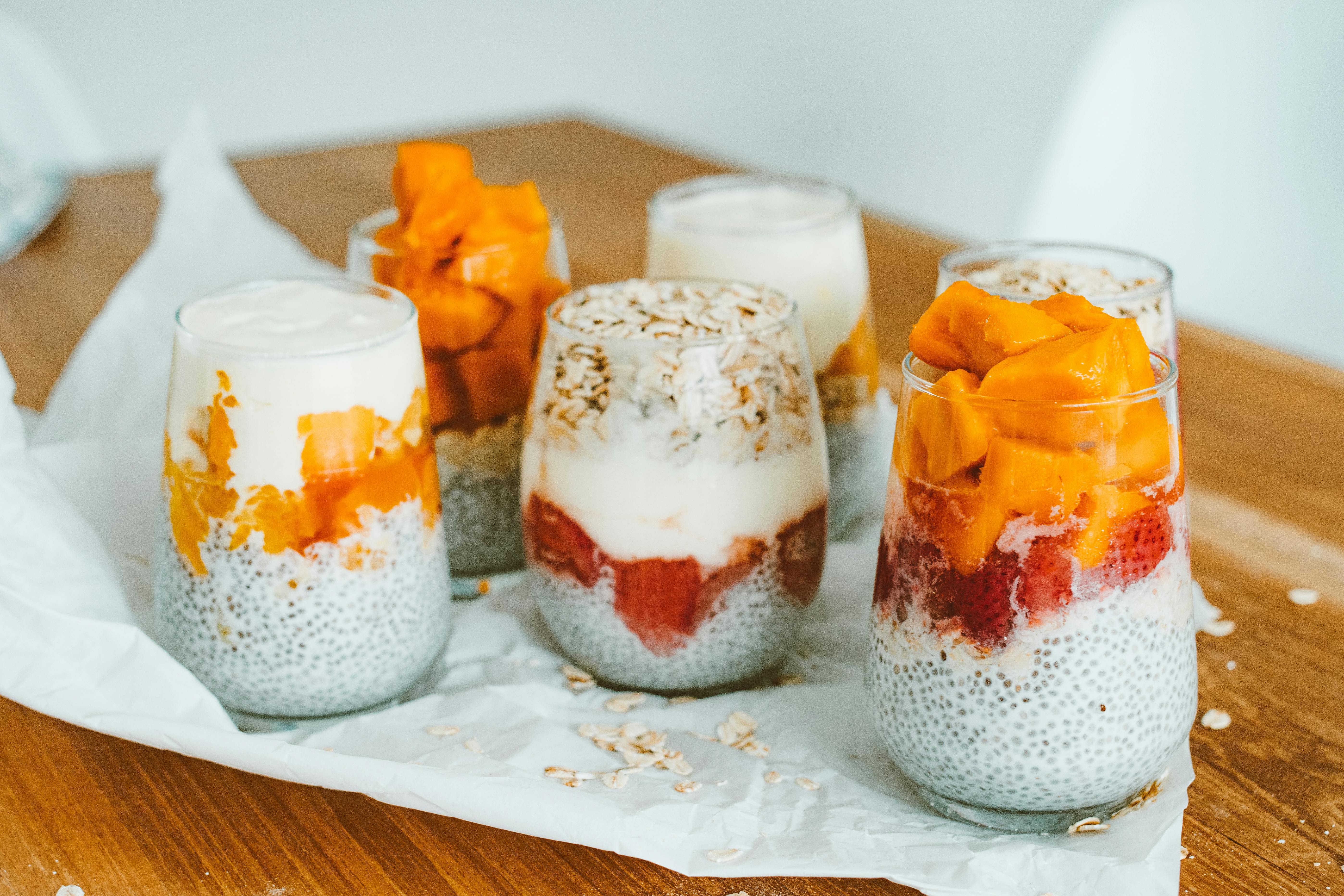
The most effective approach is to use oats strategically, not randomly. Make them a regular breakfast or lunch base 4-5 times per week and combine them with protein and healthy fat. That could mean oats with eggs on the side, or oats mixed with cottage cheese and fruit.
Think of oats as a tool that supports the larger goal of eating fewer calories without feeling deprived. They will not cancel out overeating later in the day, but they can make disciplined eating much easier. That is why they stand out among carbohydrate foods.
If you are trying to lose weight and want one carb to prioritize, oats are the strongest choice for most people. They are affordable, widely available, backed by nutrition science, and easy to turn into a habit. In weight loss, simple foods that consistently keep you full are often the ones that work best.




Leave a Reply