
Dragon fruit is no longer a novelty in Canada. It has quickly become one of the easiest ways for restaurants to make a menu feel fresher, brighter, and more current.
Its colour does half the marketing work

At a time when dishes are judged first with the eyes, dragon fruit offers restaurants an immediate advantage. Its vivid magenta flesh, speckled with tiny black seeds, stands out in smoothie bowls, cocktails, desserts, and plated brunches. For operators trying to make food look memorable without expensive garnishes, few ingredients perform this well.
That visual impact matters in a dining market shaped by social media. A pink margarita rimmed with dragon fruit salt or a yogurt parfait topped with bright cubes photographs beautifully and helps venues attract attention online. In a crowded restaurant landscape, ingredients that naturally create strong images often earn menu space quickly.
Canadian diners are more familiar with tropical produce now

What once felt exotic now feels accessible. Over the past decade, Canadian consumers have become much more comfortable buying mangoes, lychees, passion fruit, and papaya at major grocery chains, which has lowered the barrier for trying dragon fruit at restaurants. Familiarity in retail often leads to confidence in dining rooms.
Immigration and multicultural eating habits have also played a major role. In cities such as Toronto, Vancouver, Calgary, and Montreal, diners are already used to Southeast Asian, Latin American, and fusion menus where tropical fruit is common. Dragon fruit no longer needs a lengthy explanation because many customers have already seen it, tasted it, or bought it themselves.
It fits today's health-focused menu language
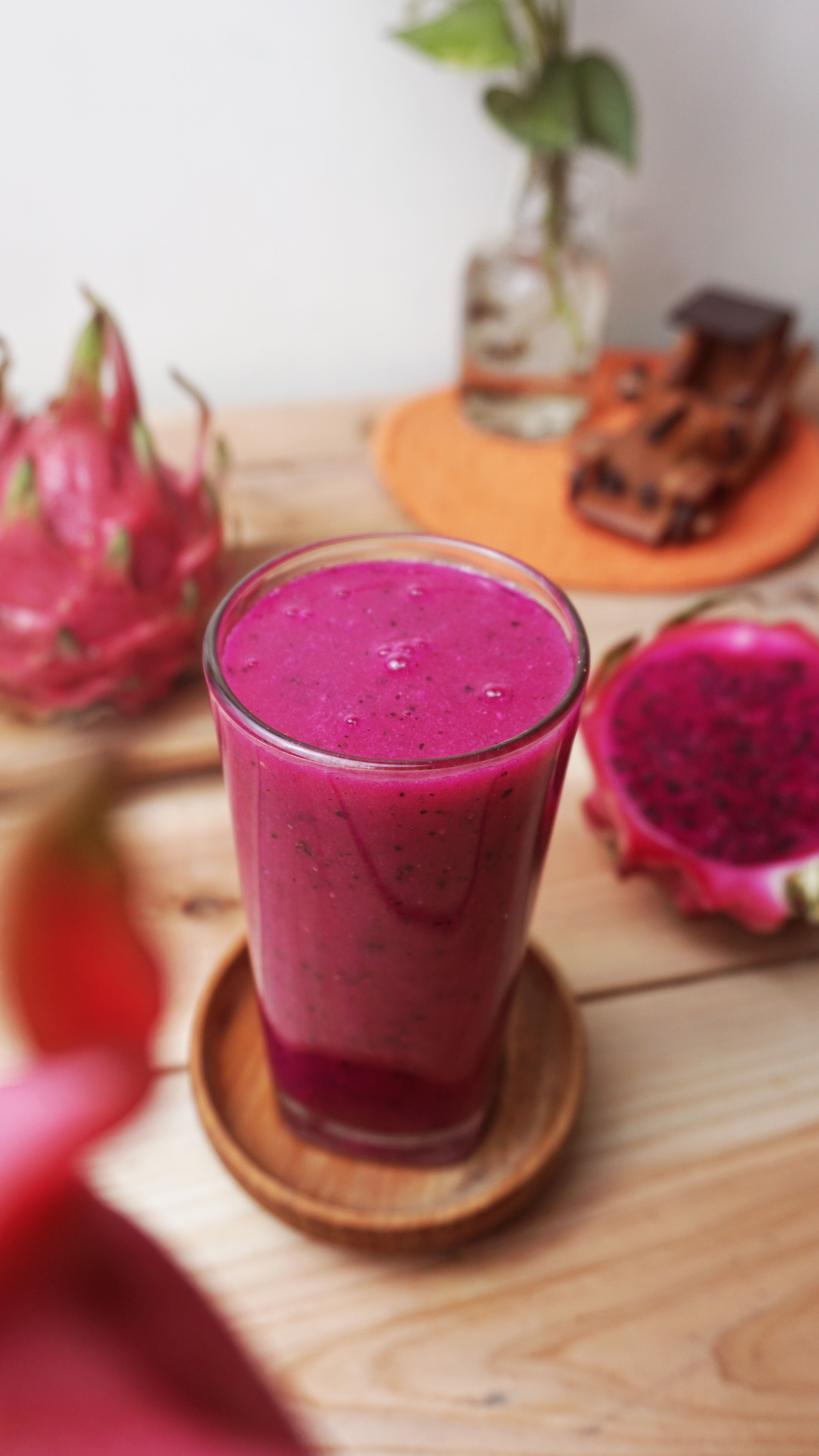
Dragon fruit benefits from a strong wellness image, even when restaurants are mostly using it for flavour and colour. It is commonly associated with vitamin C, fibre, antioxidants, hydration, and light sweetness, which makes it easy to place on menus built around freshness and balance. Health-conscious diners often respond to ingredients that sound naturally nutritious.
That is especially useful for cafes, juice bars, and fast-casual chains. A dragon fruit chia pudding or a pitaya smoothie sounds cleaner and more modern than a standard fruit cup, even if the preparation is simple. In menu writing, perception matters, and dragon fruit carries a premium but approachable health halo that many restaurants want.
Chefs like how flexible it is across categories

Dragon fruit works in more places than many trend ingredients do. Its mild flavour allows chefs and beverage developers to pair it with lime, coconut, pineapple, berries, mint, chili, or yogurt without overpowering a dish. That makes it useful for breakfast menus, mocktails, pastries, salads, frozen drinks, and even seafood presentations.
This versatility helps restaurants manage costs and reduce waste. A venue can use the same fruit puree in a lemonade, sorbet, glaze, and dessert topping instead of bringing in multiple niche ingredients. For chains and independent operators alike, ingredients that travel across dayparts and menu sections are easier to justify from both a creative and financial standpoint.
Supply chains and foodservice distribution have improved
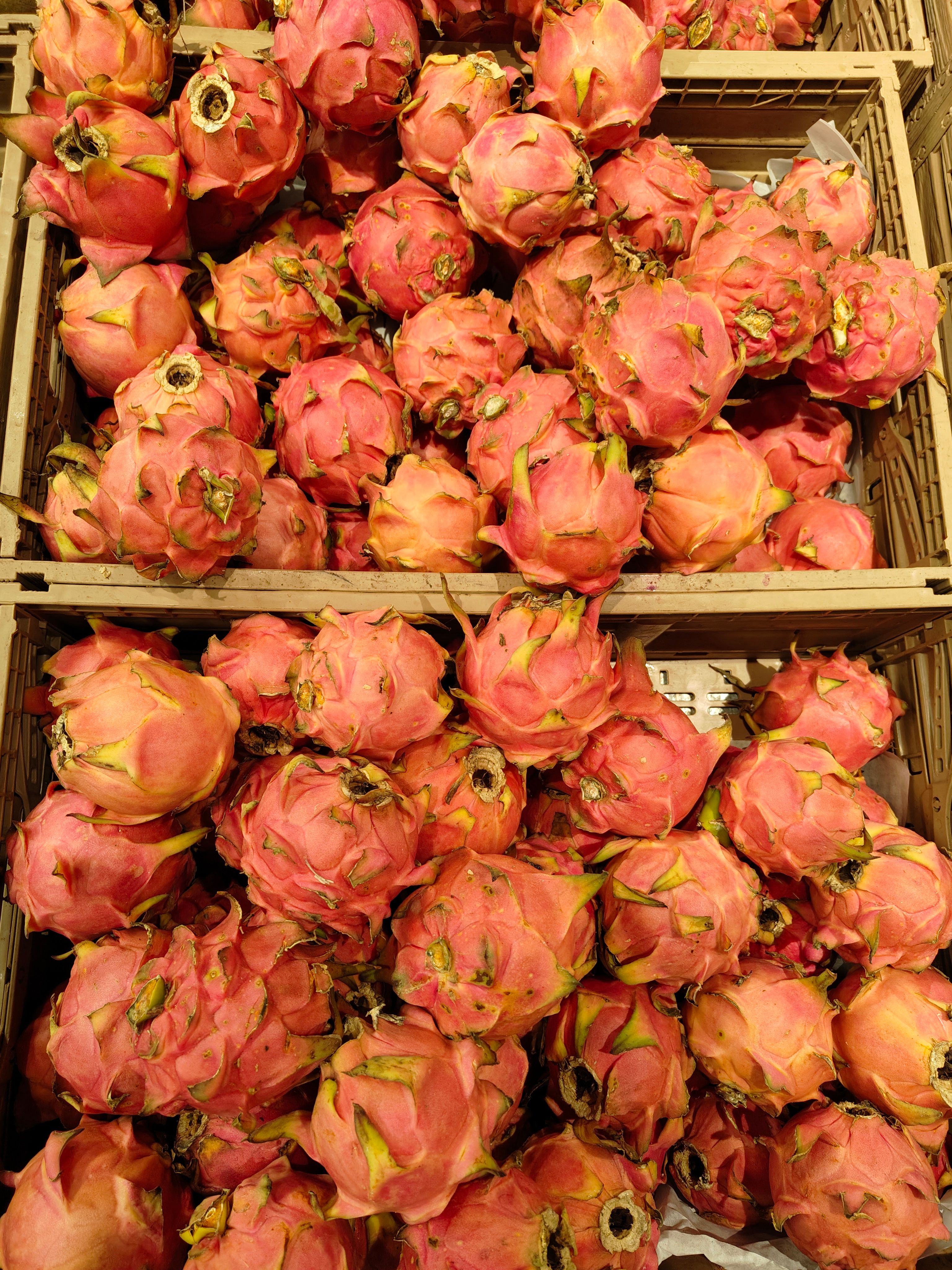
Dragon fruit is appearing more often partly because it is easier to source than it used to be. Import networks from countries such as Vietnam, Ecuador, Colombia, Thailand, and Israel have become more reliable, while frozen puree and ready-to-use cubes have made the fruit practical for kitchens that do not want the labour of handling whole fruit.
Foodservice distributors have also helped normalize it. Once an ingredient is available through major suppliers in formats suited to restaurants, adoption tends to rise quickly. Canadian operators are far more likely to test dragon fruit when it arrives pre-portioned for smoothies, cocktail programs, desserts, and garnish use with less spoilage risk.
Restaurants need affordable novelty that feels safe

Perhaps the biggest reason for dragon fruit's rise is that it delivers novelty without much danger. It looks exciting, sounds tropical, and feels premium, but its flavour is mild enough not to intimidate cautious diners. That balance is valuable in Canada, where restaurants want to offer something new without alienating guests who prefer familiar tastes.
In practical terms, dragon fruit is a low-risk menu update. A brunch spot can add it to pancakes, a bar can build a seasonal spritz around it, and a poke shop can fold it into bowls with almost no customer education required. For an industry constantly chasing fresh ideas, dragon fruit checks nearly every box.




Leave a Reply