
Beer did not always taste hoppy. For centuries, adding hops was controversial, unfamiliar, and, to many drinkers, downright suspicious.
Beer Existed Long Before Hops
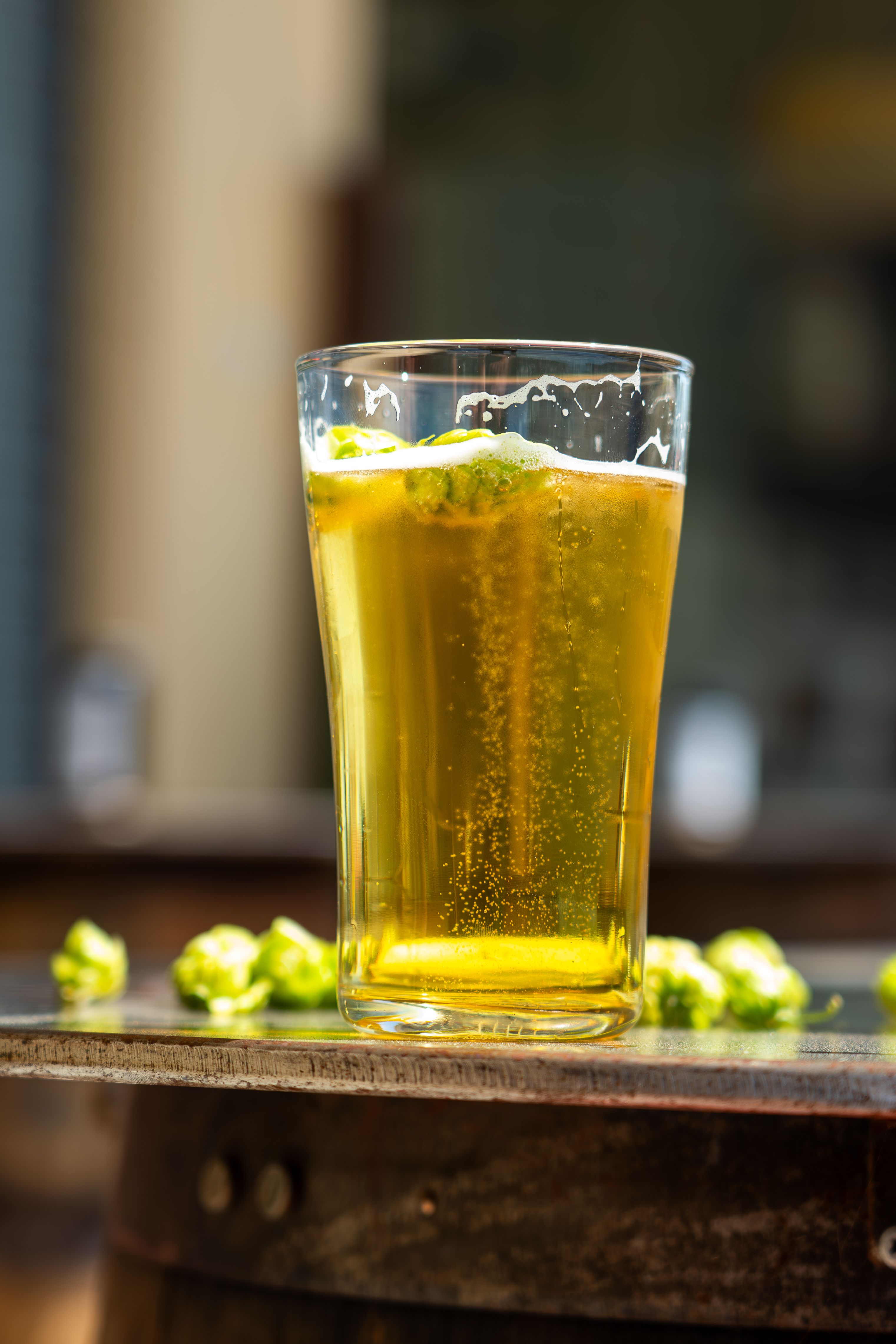
Long before modern pints, people brewed beer with whatever local plants they trusted. In much of medieval Europe, brewers flavored ale with gruit, a mix that could include yarrow, bog myrtle, rosemary, juniper, and other herbs. The result was often earthy, spicy, and highly variable from town to town. Beer was not yet expected to have the crisp bitterness people now associate with lager or IPA.
That older herbal system also had an economic side. In many regions, local authorities or church-linked institutions controlled gruit production and taxed it heavily. Brewers often had to buy approved herb mixtures, which meant flavoring beer was tied to power and revenue as much as taste. Hops were not simply a culinary change. They challenged an entrenched system.
By the late Middle Ages, brewers in parts of present-day Germany and the Low Countries had begun using hops more consistently. At first, this was not because people wanted aggressively bitter beer. It was because hops did something herbal blends could not do as reliably: they helped beer last longer.
The Real Reason Was Shelf Life
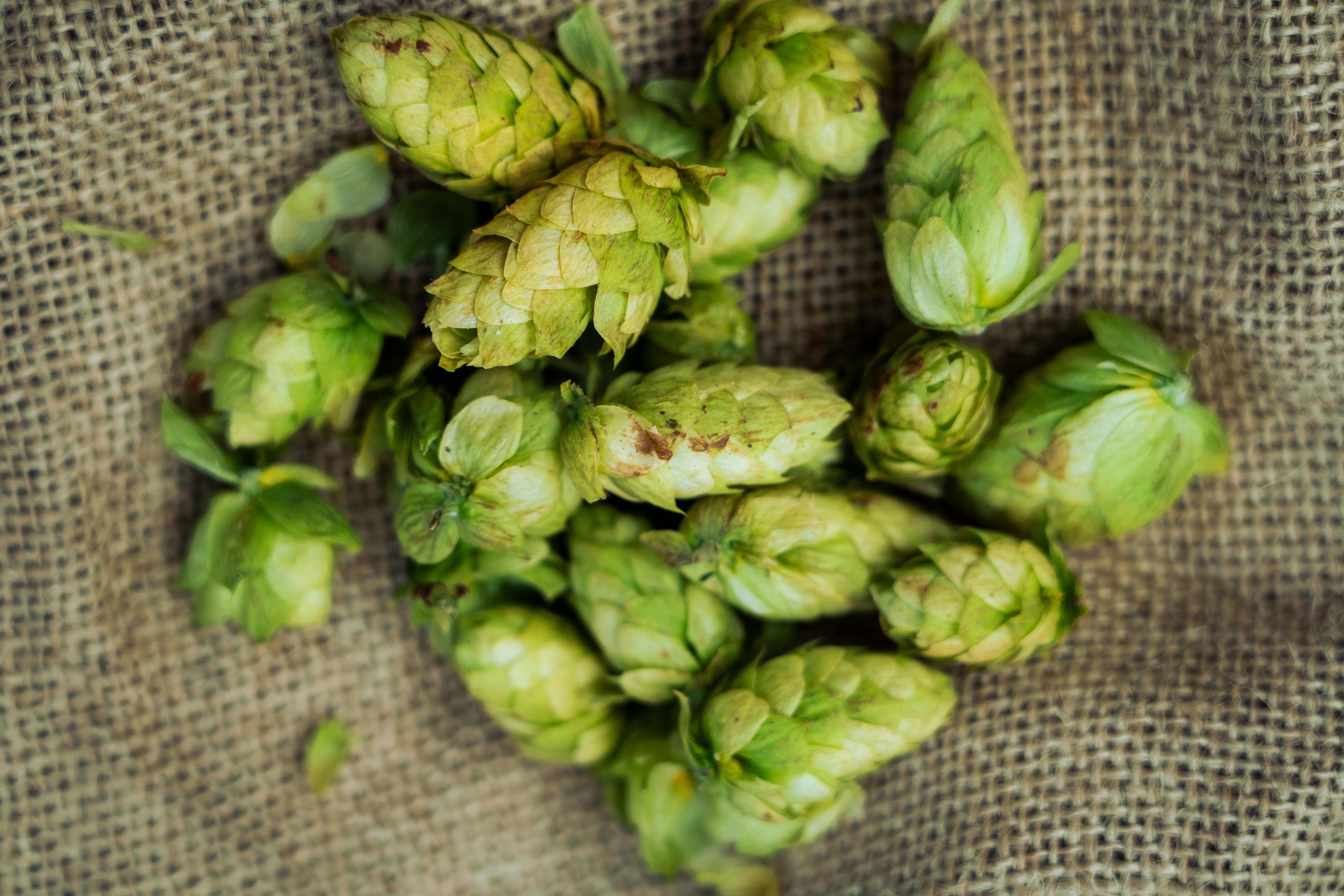
Here is the part that sounds strange today: one of the biggest reasons hops spread was that beer spoiled fast, and people needed a practical way to keep it drinkable. Before refrigeration, pasteurization, stainless steel tanks, and modern sanitation, beer was unstable. Warm conditions and wild microbes could turn a fresh batch sour or unpleasant in a short time.
Hops contain compounds called alpha acids, which become bitter during boiling and also have antimicrobial effects, especially against certain bacteria that can damage beer. Brewers did not know the chemistry in modern terms, but they understood the result from experience. Hopped beer usually survived transport and storage better than unhopped ale. That made it commercially powerful.
In the 1400s and 1500s, that advantage mattered enormously. A beer that lasted longer could be traded farther, sold more reliably, and brewed on a larger scale. What sounds insane now is simple: people added a flower to beer partly because it helped stop the drink from going bad in a world where spoilage was constant.
Hops Also Changed Taste and Expectations

What began as preservation gradually reshaped taste itself. Hops introduced a balancing bitterness that cut through malt sweetness, making beer feel cleaner and more structured on the palate. Over time, drinkers started to expect that contrast. The ingredient that first solved a storage problem became a defining flavor.
This shift did not happen overnight. Many people preferred traditional ale and distrusted hopped beer, sometimes calling it harsh, cold, or unhealthy. English records from the late medieval and early Tudor periods show real tension between "ale," usually unhopped, and "beer," often hopped in continental style. The difference was cultural as much as sensory.
As brewing techniques improved, hops gained even more ground. Brewers learned how variety, timing, and quantity changed aroma and bitterness. Eventually, hops stopped being merely functional. They became part of beer identity, from noble European hop character to the citrus-heavy styles that dominate many craft shelves today.
People Once Thought Hops Were Dangerous

Every major food change attracts fear, and hops were no exception. Some critics claimed hopped beer was bad for the body, while others viewed it as a foreign habit that threatened local tradition. In England, hostility toward hopped beer partly reflected economics and nationalism, especially when continental imports influenced domestic brewing.
Medical thinking at the time also played a role. Under older humoral ideas, foods were judged by qualities like hot, cold, dry, and moist. Hops were sometimes described as excessively drying or melancholy-inducing, which made some physicians and moralists wary. To modern ears, that can sound absurd, but it was serious reasoning in its own era.
There were even social anxieties wrapped into the debate. A drink that kept longer and traveled farther could disrupt local markets and old privileges. So when people attacked hops, they were not only reacting to flavor. They were reacting to changes in commerce, regulation, and who controlled everyday drinking.
Law, Trade, and Brewing Made Hops Win
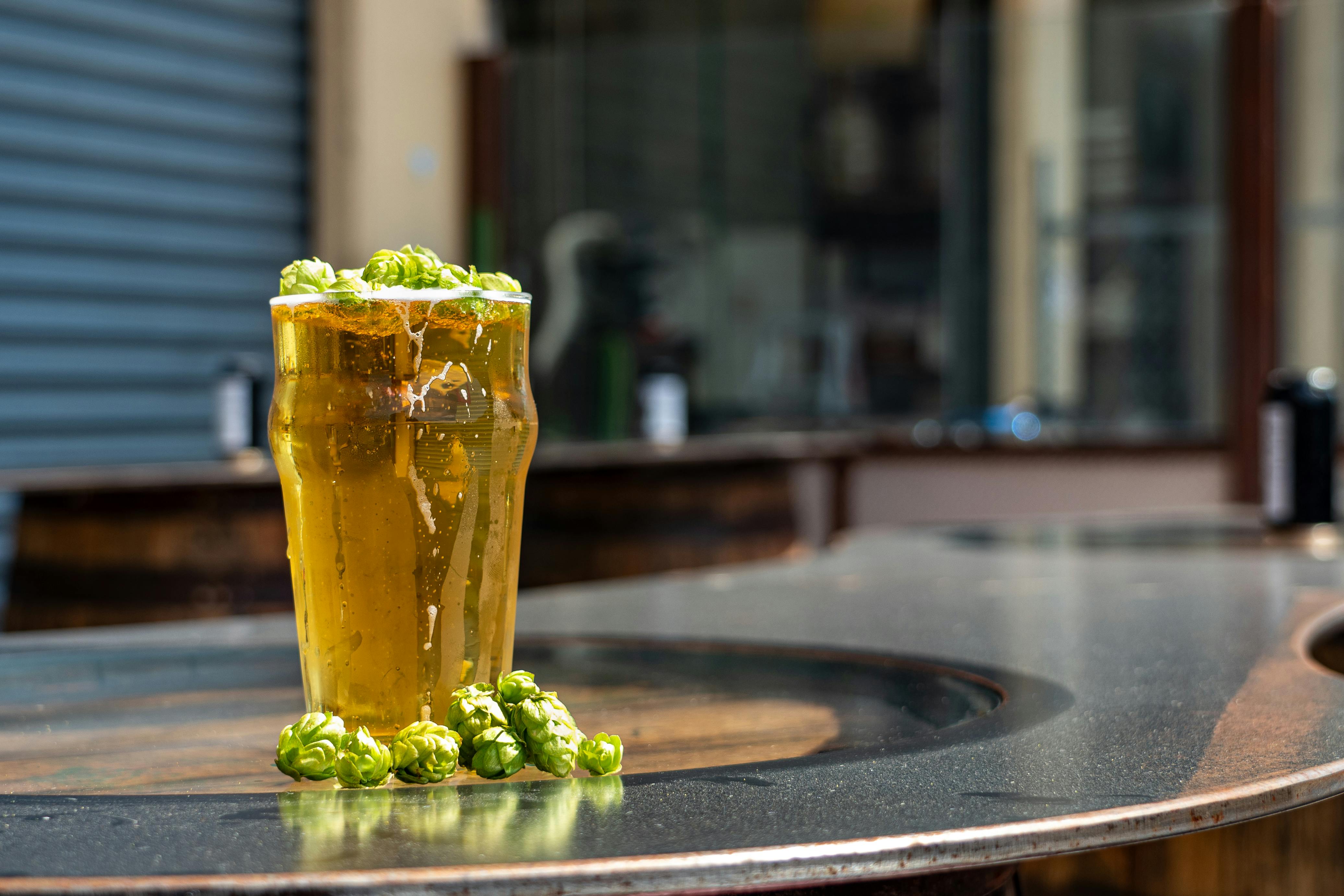
Once hopped beer proved commercially useful, law and trade helped cement its place. Northern European brewing centers expanded production, and their methods spread through merchant networks. Cities that exported beer needed consistency, and hops supported that goal better than unstable herbal mixes. A preservative edge quickly became a market advantage.
The famous Bavarian beer law of 1516, often called the Reinheitsgebot, later became part of hops' cultural prestige. While commonly simplified today, it helped reinforce the idea that beer should be made from a narrow set of core ingredients. Hops fit neatly into that emerging standard and benefited from the authority such rules conveyed.
By the early modern period, the argument was largely over. Hops had moved from contested additive to normal brewing practice in many major beer regions. Once large-scale brewing, taxation systems, and longer-distance distribution aligned behind them, there was little chance of returning to a world where gruit defined everyday beer.
Why the Old Reason Feels So Wild Now
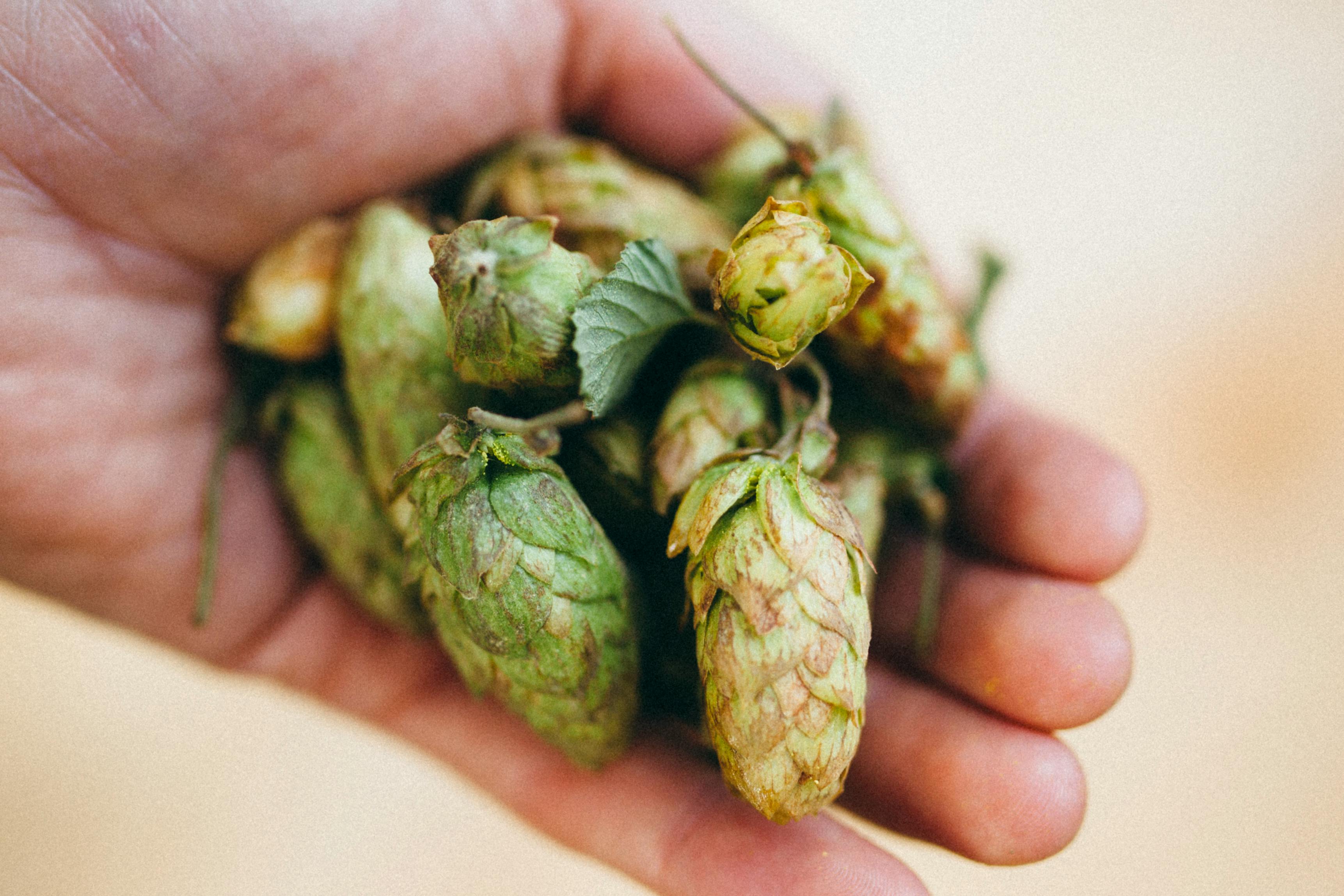
What feels unbelievable today is how basic the original problem was. Modern drinkers choose hops for aroma notes like pine, citrus, floral spice, or tropical fruit. Brewers can control spoilage with refrigeration, lab-tested yeast, oxygen management, and strict cleaning protocols. Hops are still useful, but they are no longer the first line of defense against ruin.
That creates a historical disconnect. We now talk about hop varieties such as Saaz, Hallertau, Citra, or Mosaic in terms of flavor branding and style precision. Five hundred years ago, the more urgent question was whether the beer would still be saleable after storage or transport. Survival came before refinement.
So the old reason sounds insane only because daily life has changed so completely. In a premodern world, adding hops was not quirky at all. It was smart technology hidden inside agriculture, trade, and taste, and it helped turn beer from a local drink into a dependable commercial product.



Leave a Reply