
Sometimes the cheapest meal is not the one you cook yourself. In a handful of countries, the math behind groceries, energy, labor, and convenience often makes home cooking a losing deal.
Singapore
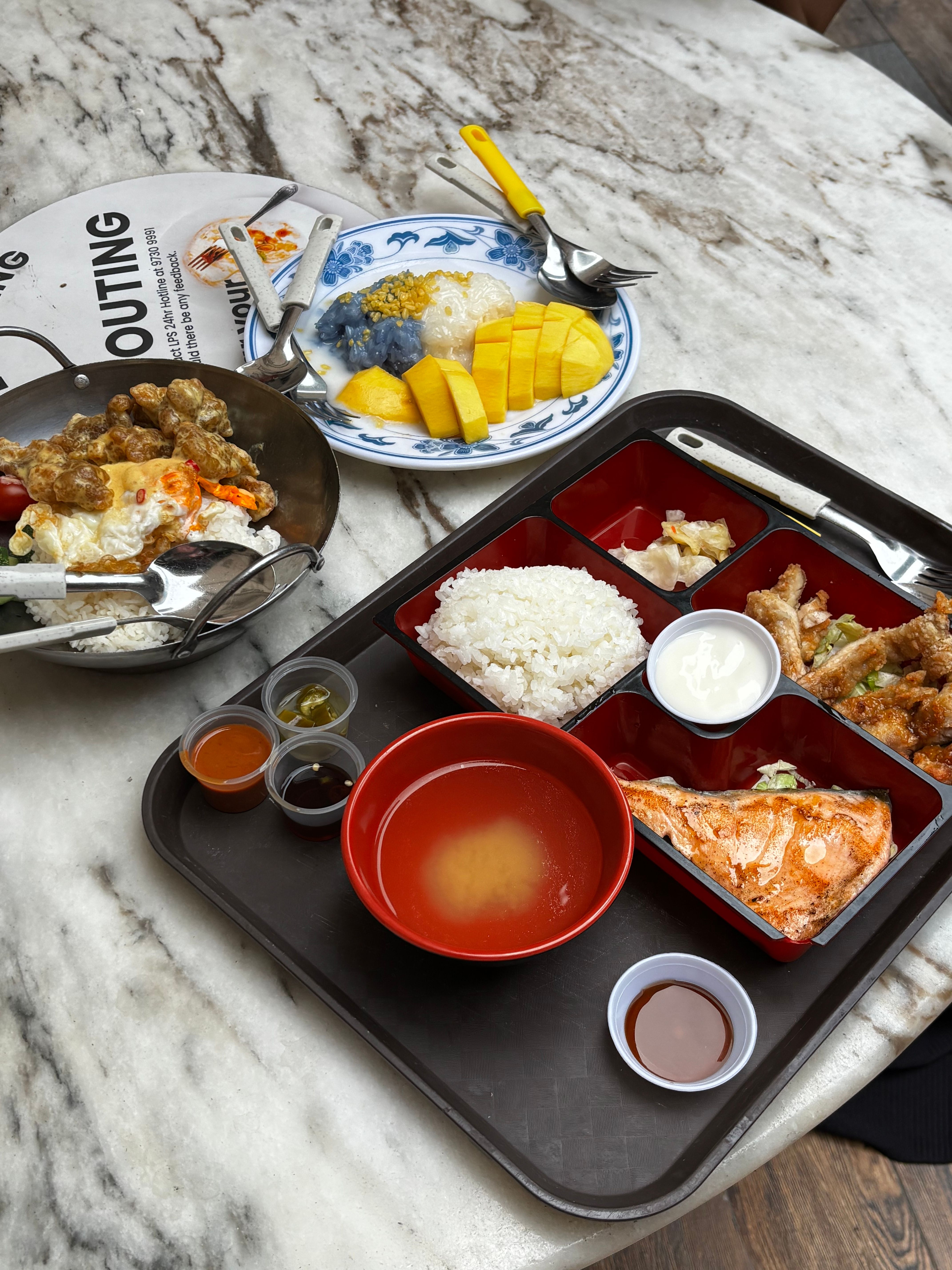
Singapore is one of the clearest examples of a place where cooking at home can be an expensive habit. Hawker centers offer filling, freshly made meals at prices that are hard for home kitchens to match. A plate of chicken rice, noodles, or mixed rice can cost less than the combined price of ingredients bought at a supermarket in small quantities.
The problem starts with supply. Singapore imports the vast majority of its food, so grocery prices reflect transport, storage, and currency pressures. Fresh vegetables, dairy, and meat often carry a premium, especially in central neighborhoods where smaller stores have less room to compete on price.
Housing also changes the equation. Many apartments have compact kitchens, limited storage, and high opportunity costs for time. For workers with long commutes and demanding schedules, spending an hour cooking and cleaning to save little or nothing makes weak financial sense.
The result is a food economy built around specialization. Hawkers buy in bulk, cook at scale, and keep turnover high. That model lowers per-meal costs so effectively that home cooking, especially for one or two people, often becomes the pricier option.
Japan
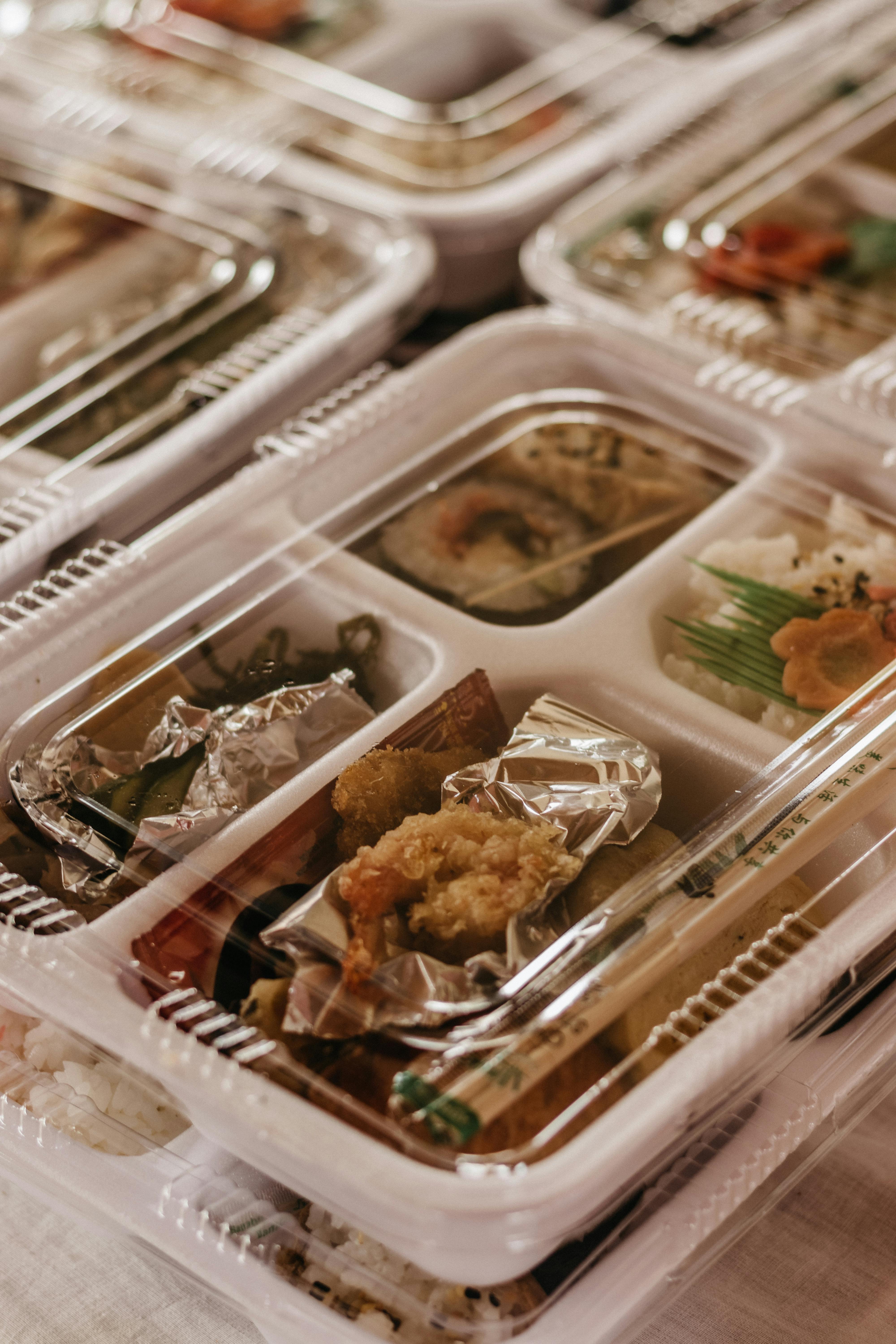
Japan has a polished convenience food culture that reshapes the usual idea of thrift. Supermarkets, department store food halls, and convenience chains sell prepared meals that are consistent, safe, and often competitively priced. Bento boxes, rice balls, noodle dishes, and discounted evening items can undercut a home-cooked dinner, particularly in large cities.
Ingredient costs are a major reason. High-quality produce, seafood, and meat are central to Japanese cooking, but they are rarely cheap. Imported staples add another layer of cost, while domestic items often reflect strict quality standards, careful packaging, and relatively high retail overhead.
There is also the question of portion economics. Many Japanese households are small, and recipes frequently require several ingredients in modest amounts. Buying soy sauces, mirin, dashi components, vegetables, and proteins for one or two servings can create waste and push the cost per plate upward.
Prepared food sellers thrive because they solve exactly those inefficiencies. They buy centrally, produce at scale, and discount unsold meals late in the day. For solo residents, students, and office workers, that often makes store-bought food more economical than cooking from scratch.
Norway

Norway is wealthy, efficient, and famously expensive, which shapes its food economics in obvious ways. Grocery prices are among the highest in Europe, especially for meat, dairy, and fresh produce outside domestic growing seasons. Even a simple home dinner can cost far more than visitors expect.
Labor costs run through the whole system. Transport, retail staffing, farming, and food processing all reflect high wages, and those costs appear on supermarket shelves. Import protections and agricultural policy also help keep some domestic food prices elevated compared with what consumers might find elsewhere.
Utilities matter too. Cooking in a high-cost country means paying not only for ingredients but also for electricity and the hidden costs of kitchen time. If a household is preparing small meals rather than batch cooking, the savings over a modest lunch special or cafeteria meal can shrink quickly.
Norway also has a strong market for practical prepared foods, workplace canteens, and bakery meals. When every input is expensive, scale becomes powerful. Businesses that cook in volume can sometimes deliver better value than households trying to replicate the same meal at retail prices.
Switzerland
Switzerland combines high incomes with some of the highest consumer prices in the world. Grocery shopping is notably expensive, especially for fresh meat, cheese, and branded pantry goods. For many residents, the assumption that home cooking is automatically cheaper simply does not hold up under close comparison.
Part of the issue is retail structure. Swiss supermarkets are efficient but not bargain basements, and discount competition is narrower than in many larger markets. Cross-border grocery shopping is common for a reason: many households can save meaningful sums by buying food in neighboring countries instead.
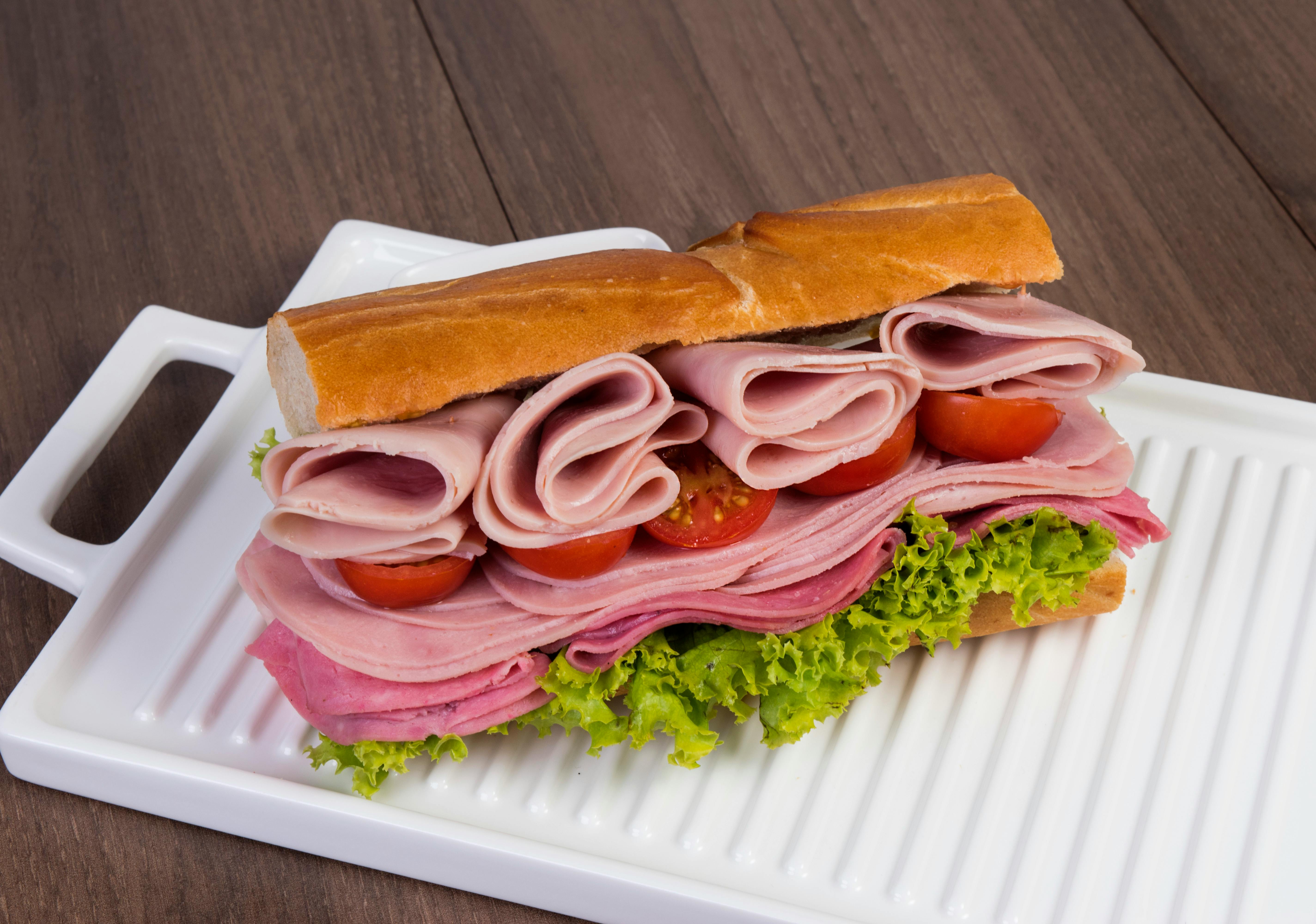
Within Switzerland itself, ready-made options can be surprisingly competitive. Supermarket meal counters, bakery lunches, and daily specials often benefit from centralized production and waste management systems that reduce per-serving costs. That makes the price gap between homemade and prepared food much smaller than people expect.
Time is another economic factor. In a country with high wages and long work commitments, an hour spent shopping, cooking, and cleaning carries a real opportunity cost. For single professionals and couples, convenience food can be not just easier, but financially defensible.
Iceland
Iceland's geography makes food logistics unusually expensive. A large share of groceries must be imported, and shipping costs, weather disruptions, and a relatively small domestic market all raise shelf prices. Everyday ingredients that seem ordinary elsewhere can feel premium once they reach Icelandic stores.
Selection also affects value. When choices are narrower, shoppers may end up buying pricier substitutes or larger package sizes than they need. That is especially inefficient for people cooking for one or two, who may struggle to use everything before it spoils.
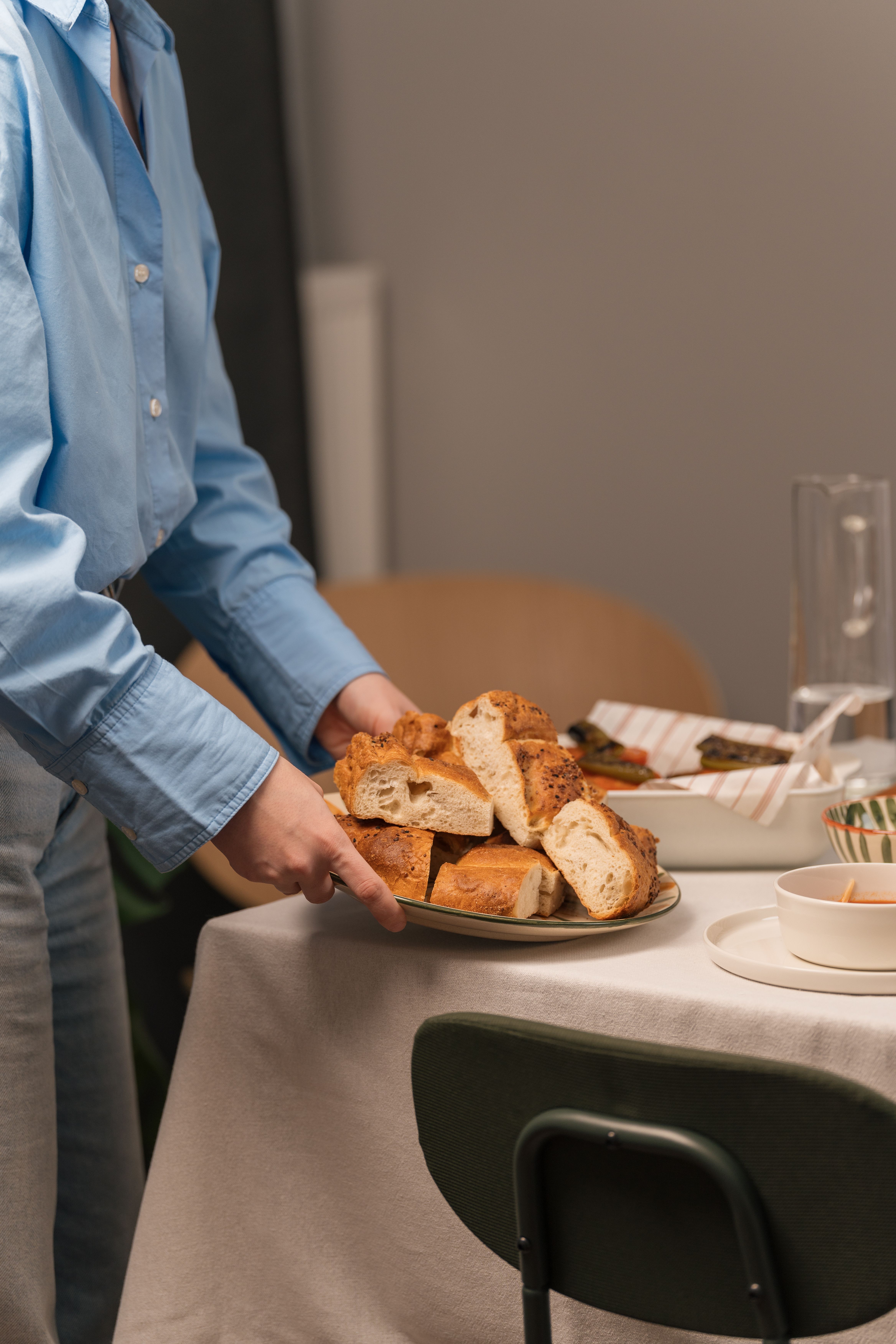
Restaurants in Iceland are often expensive, but that does not automatically mean home cooking is cheap. Prepared soups, bakery items, hot counter meals, and workplace food services can narrow the difference. In some cases, buying a simple ready-made meal avoids the higher total cost of stocking a kitchen for occasional use.
Tourist-heavy areas make this even more visible. Short-term visitors in apartments often discover that buying oil, spices, breakfast basics, and proteins for a few days costs more than expected. For them, cooking is less a money-saving strategy than a budgeting illusion.
Denmark
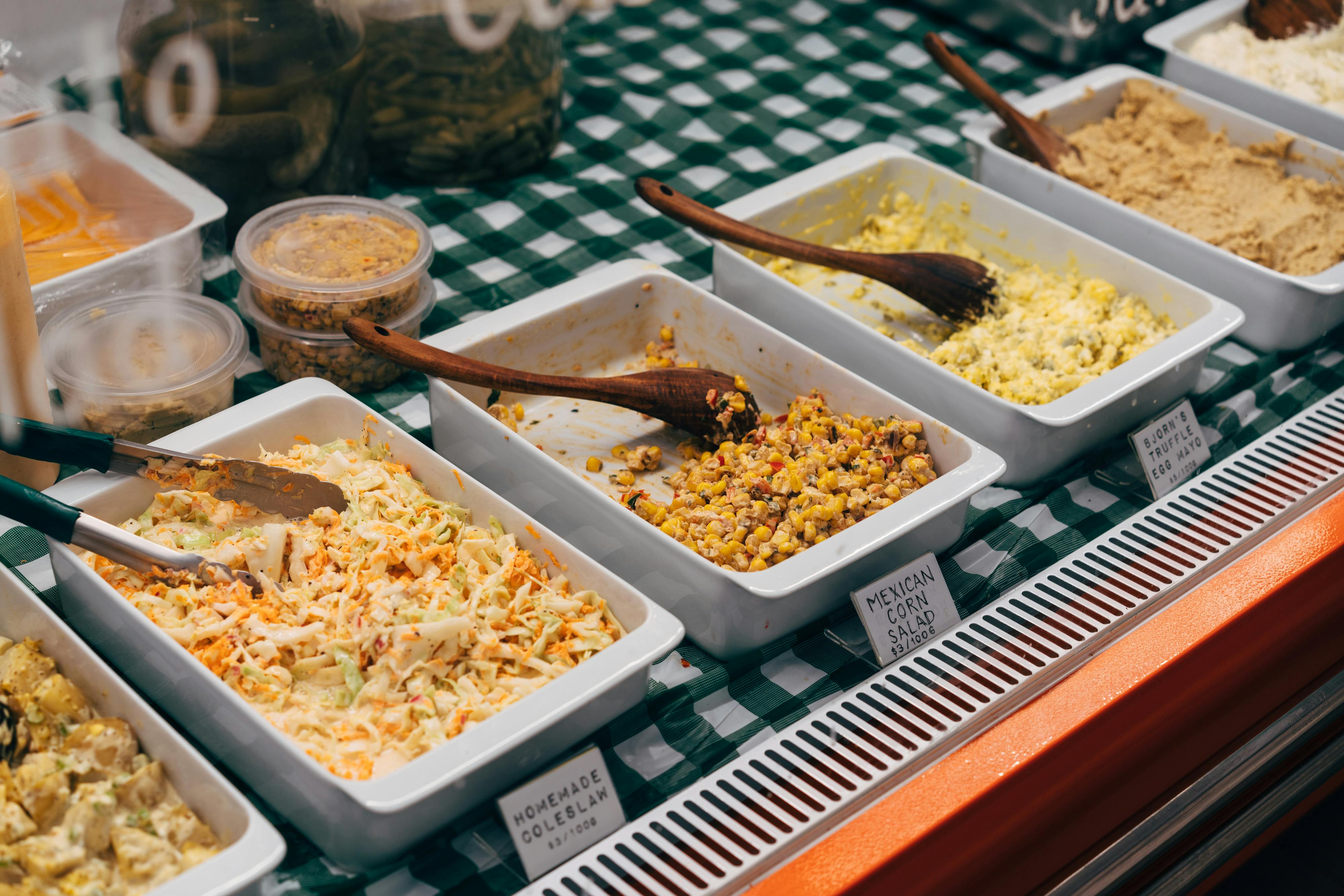
Denmark is another country where the retail price of food weakens the case for home cooking. Taxes, labor costs, and a high standard of food production all push grocery bills upward. A basket filled with basics such as bread, dairy, vegetables, and meat adds up quickly, even before any elaborate recipe enters the picture.
At the same time, Danish cities offer a mature prepared-food market. Smørrebrød shops, supermarket deli counters, bakeries, and workplace cafeterias provide meals that are portioned, reliable, and often not dramatically more expensive than cooking the equivalent at home.
Energy prices can tip the balance further. Running an oven for a single tray of food or simmering a stew for one household is not free, and small kitchens do not always allow efficient bulk preparation. Once cleanup and food waste are included, the savings from cooking can become minimal.
This is especially true for urban singles, students, and older adults. If you are not feeding a family, scale works against you. Businesses spread costs across hundreds of portions, while home cooks absorb full retail and utility costs for just a few plates.
South Korea
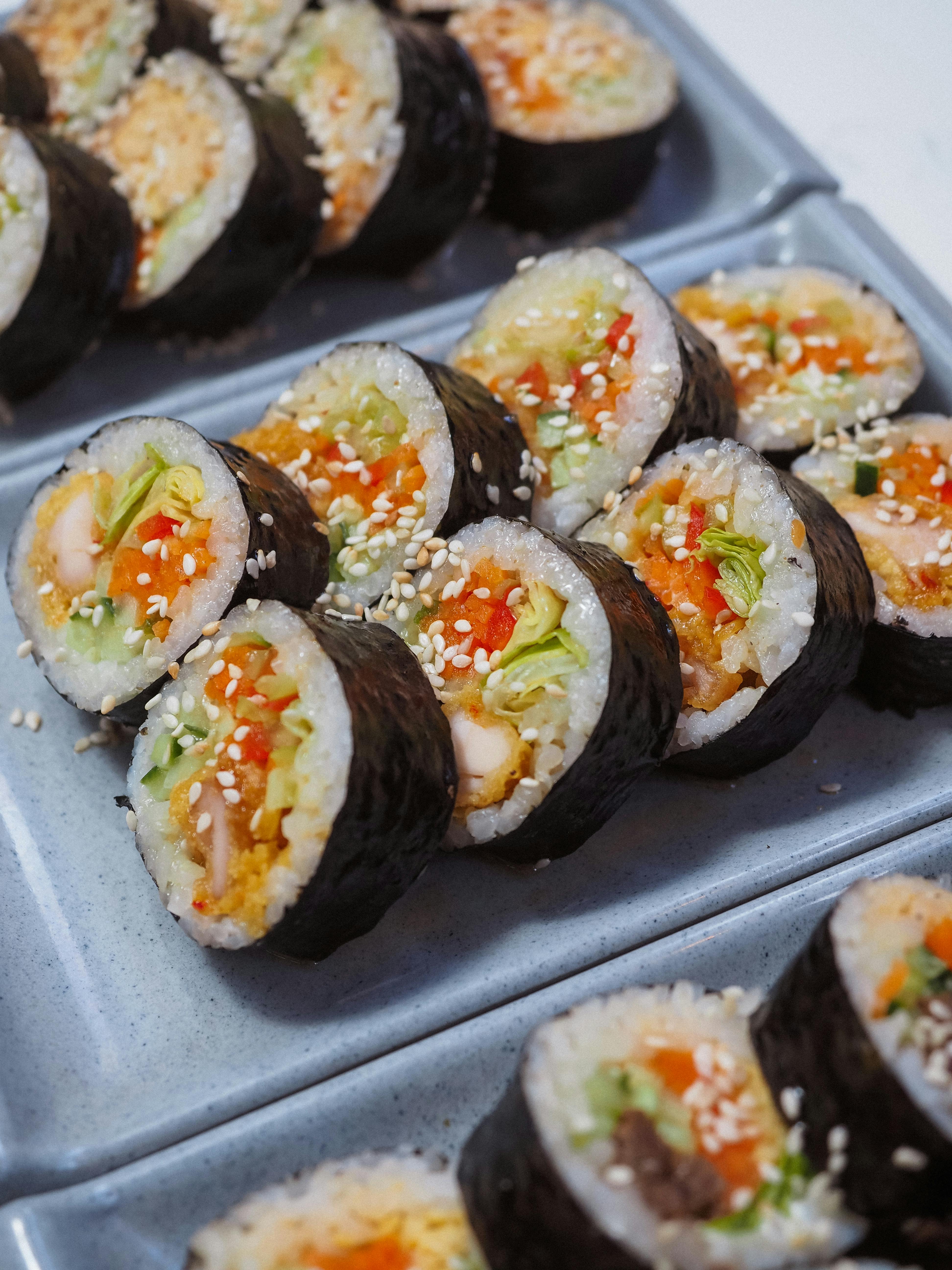
South Korea presents a different kind of case because its food culture is built around specialization and variety. A typical Korean meal can involve rice, soup, kimchi, side dishes, sauces, and a protein. Reproducing that range at home means buying many ingredients, many of which are inexpensive individually but costly in total.
Prepared food and restaurant competition is intense, especially in Seoul and other dense cities. Kimbap shops, noodle counters, fried chicken outlets, and neighborhood eateries operate with fast turnover and purchasing scale. That lets them sell complete meals at prices that are difficult for small households to beat.
There is also the issue of banchan, the side dishes that define many Korean meals. Making several types at home takes time, refrigerator space, and repeated ingredient purchases. Buying them pre-made, or simply eating out, often produces better value than stocking a kitchen to achieve the same variety.
Single-person households have grown quickly in South Korea, and the food market has adapted. Convenience stores, meal kits, and ready-to-eat dishes are designed for exactly that demographic. In many cases, they reduce waste enough that home cooking loses its traditional cost advantage.
United Arab Emirates
In the United Arab Emirates, the economics of food are shaped by imports, climate, and labor structure. Much of the food supply is imported, particularly fresh produce, dairy, and packaged goods. That raises supermarket prices and makes a basic home pantry more expensive than many newcomers expect.
Yet the dining market is unusually broad. From inexpensive cafeterias and shawarma shops to South Asian canteens and delivery kitchens, low-cost prepared meals are widely available. In cities such as Dubai and Abu Dhabi, competition keeps entry-level meal prices surprisingly accessible despite the country's premium image.
Domestic circumstances matter as well. Many expatriates live in small apartments, work long hours, and rely on delivery-heavy routines. If they cook infrequently, they often waste ingredients, especially perishables bought in supermarket pack sizes that do not suit one or two people.
Utilities and convenience complete the picture. Air-conditioned urban life encourages outsourcing daily chores, including meals. When cheap prepared food is everywhere and grocery shopping remains relatively costly, cooking at home can become more of a lifestyle choice than a money-saving one.
Australia

Australia may seem like an odd inclusion because it has strong agriculture, but its supermarket economics tell a more complicated story. In major cities, groceries are costly enough that cooking simple meals from scratch does not always deliver large savings, especially when meat, fresh produce, and dairy are involved.
Distance is part of the reason. Australia's size creates substantial transport and storage costs, and weather events can quickly affect produce prices. Shoppers regularly see sharp swings in the cost of lettuce, berries, tomatoes, and other basics, making meal planning harder and home cooking less predictably affordable.
Prepared food has also become more competitive. Rotisserie chickens, sushi counters, bakery meals, pub specials, and Asian takeaway can offer strong value, particularly for small households. A widely cited example is the supermarket roast chicken, which can feed multiple people for less than buying raw chicken plus side ingredients.
For families who batch cook, home kitchens can still save money. But for singles, couples, and time-poor workers, the numbers often point another way. In parts of Australia, cooking at home is not automatically thriftier. It is simply another option, and sometimes the more expensive one.




Leave a Reply