
Chili's did not become a reference point by accident. Its resurgence reflects a broader shift in what diners in Canada and beyond now reward with their money.
Chili's found the sweet spot between value and indulgence
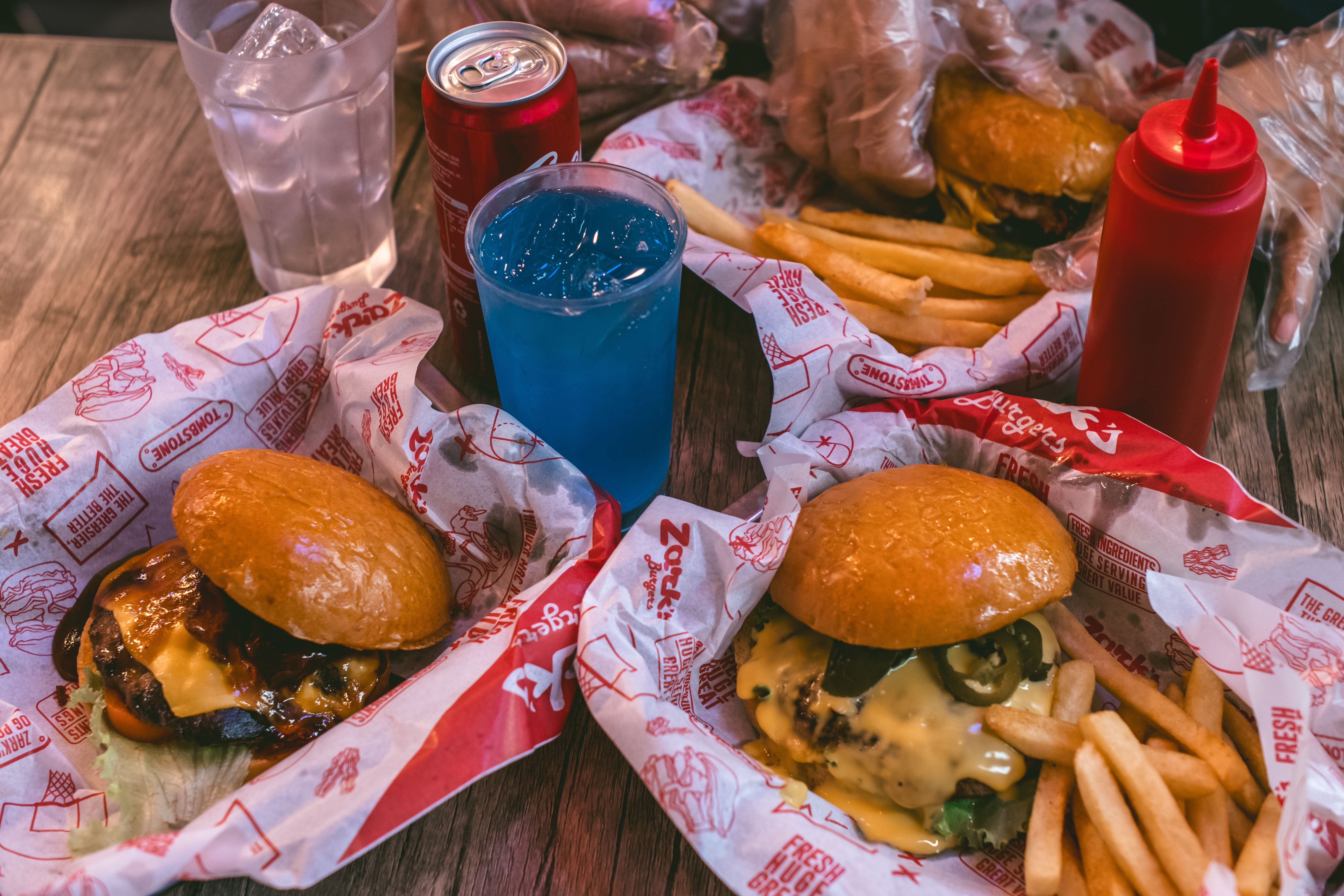
The biggest reason Chili's is being copied is simple: it made affordability feel exciting instead of compromised. At a time when many restaurant chains raised prices and shrank portions, Chili's leaned hard into bundles, recognizable plates, and promotions that looked generous on the table. That matters because diners are not just comparing restaurants with one another anymore. They are comparing every meal out with the cost of groceries, delivery, and eating at home.
What Chili's understood is that value is emotional as much as mathematical. A burger, fries, refillable drink, and appetizer can signal relief to a customer tired of paying premium prices for underwhelming portions. Industry reporting from Reuters and restaurant analysts has noted that chains winning traffic lately tend to be the ones making their value proposition obvious within seconds. Chili's made the decision easy.
Canadian diners respond to the same cues. With food inflation having reshaped household habits over the past two years, many people want one thing above all else: a meal that feels worth leaving home for. They are still willing to spend, but they want visible abundance, clear pricing, and a little fun built into the deal.
The menu works because it delivers familiar food with low risk
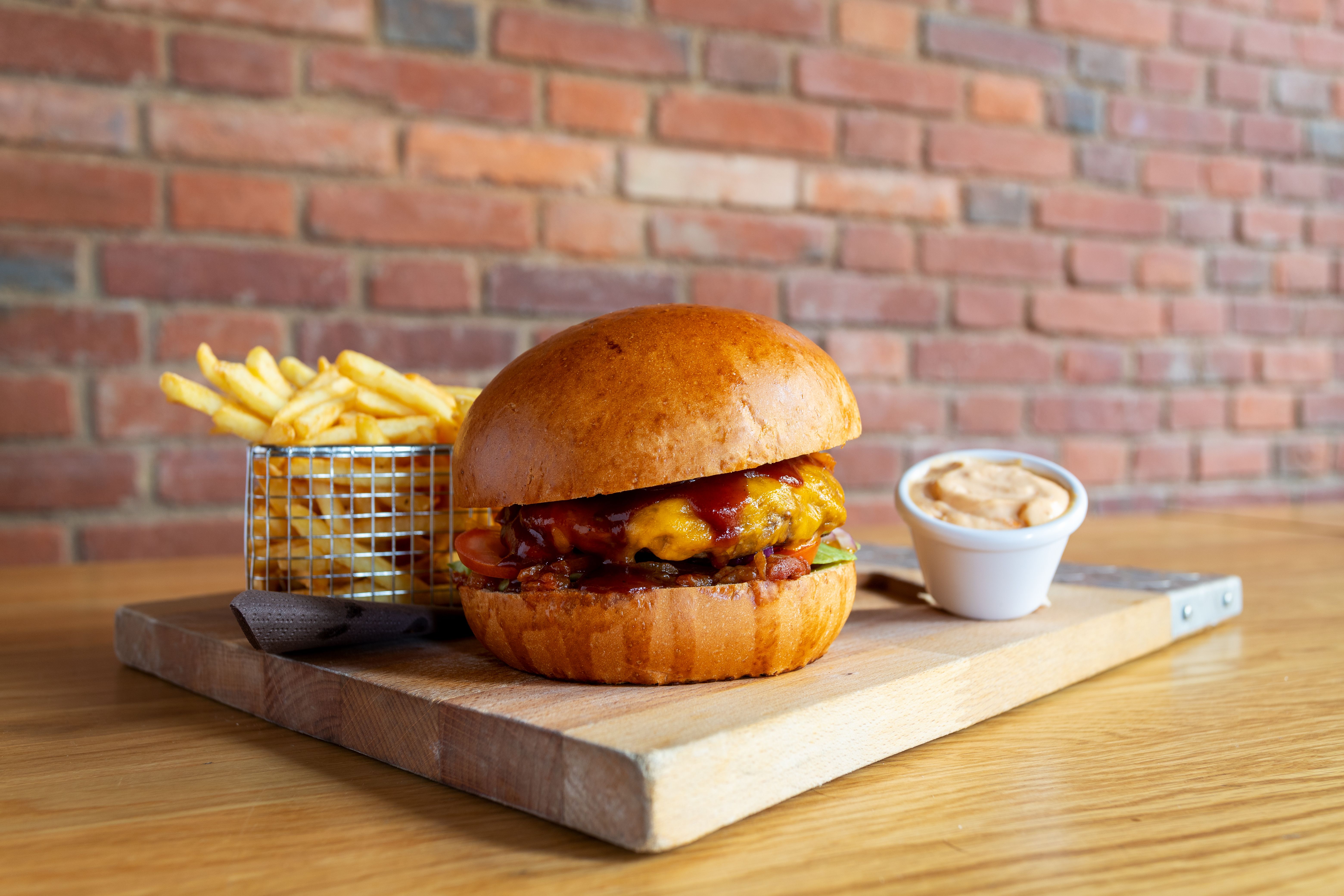
Many restaurants chase relevance by overcomplicating their menus. Chili's moved the other way by doubling down on foods customers already understand: burgers, ribs, fajitas, chicken sandwiches, chips and queso, and loaded appetizers built for sharing. That is not boring. It is strategic.
In uncertain economic periods, diners tend to become more conservative in their choices. They want food that sounds good immediately and rarely disappoints. Chili's menu offers exactly that kind of low-risk reward. It also spans occasions well, covering solo lunches, family dinners, sports viewing, and casual group outings without needing a full reinvention.
That pattern aligns closely with Canadian eating habits. In Canada, mainstream restaurant demand still tilts toward comfort foods with broad appeal, especially when they are customizable and easy to share. The success of chains built around burgers, wings, Tex-Mex flavors, and bar snacks shows that most diners are not hunting for novelty every night. They want reliability with enough flair to feel current.
Its atmosphere sells the idea of going out, not just eating

A restaurant can survive on food quality. It grows when it gives people a reason to gather. Chili's has been effective at preserving that casual, energetic middle ground between fast food and full-scale dining. The booths, televisions, cocktails, sizzling skillets, and shareable starters all help turn a meal into an occasion.
That social quality is exactly what many competing chains have tried to imitate. They are refreshing interiors, simplifying menus, and promoting drinks and appetizers more aggressively because they understand something crucial: people want a night out that feels lively without feeling expensive or formal. Chili's offers that balance.
This matters in Canada, where group dining often sits in a tricky space. Consumers may balk at fine-dining prices, yet still want an experience that feels more rewarding than quick service. Casual dining that supports conversation, sports watching, family comfort, and moderate spending is especially well positioned. Chili's formula captures that demand cleanly.
Competitors are copying the system, not just the dishes
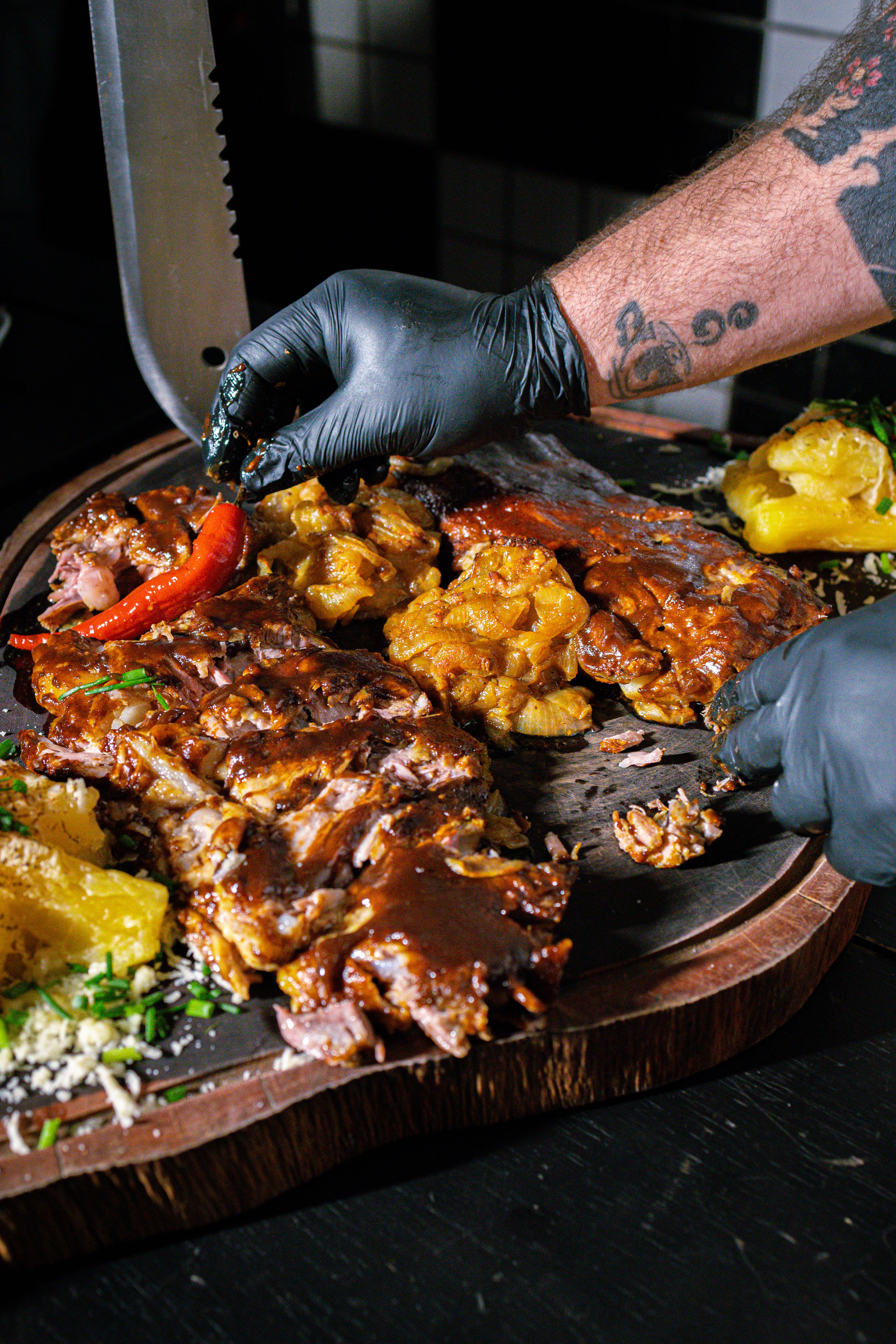
What rivals envy is not any single burger or margarita. It is the operating model behind the appeal. Chili's has shown that a chain can revive traffic by tightening execution, focusing on high-crave menu items, and marketing a small number of strong value messages repeatedly until they stick. In a fragmented market, clarity is powerful.
Other chains have followed with meal deals, sharper bar promotions, and menus centered on comfort-food anchors. Many are also trying to reduce kitchen complexity so service improves and costs stay in line. That is a direct response to the same pressures Chili's navigated well: inflation, labor strain, and customers who have become much more selective.
For Canadian operators, the lesson is especially relevant. The brands that stand out now are often the ones that make dining feel simple, dependable, and socially useful. Complicated concepts can still work, but broad casual appeal has regained strategic importance because consumers are rewarding consistency over experimentation.
What Canadians actually want is clearer than many restaurants admit
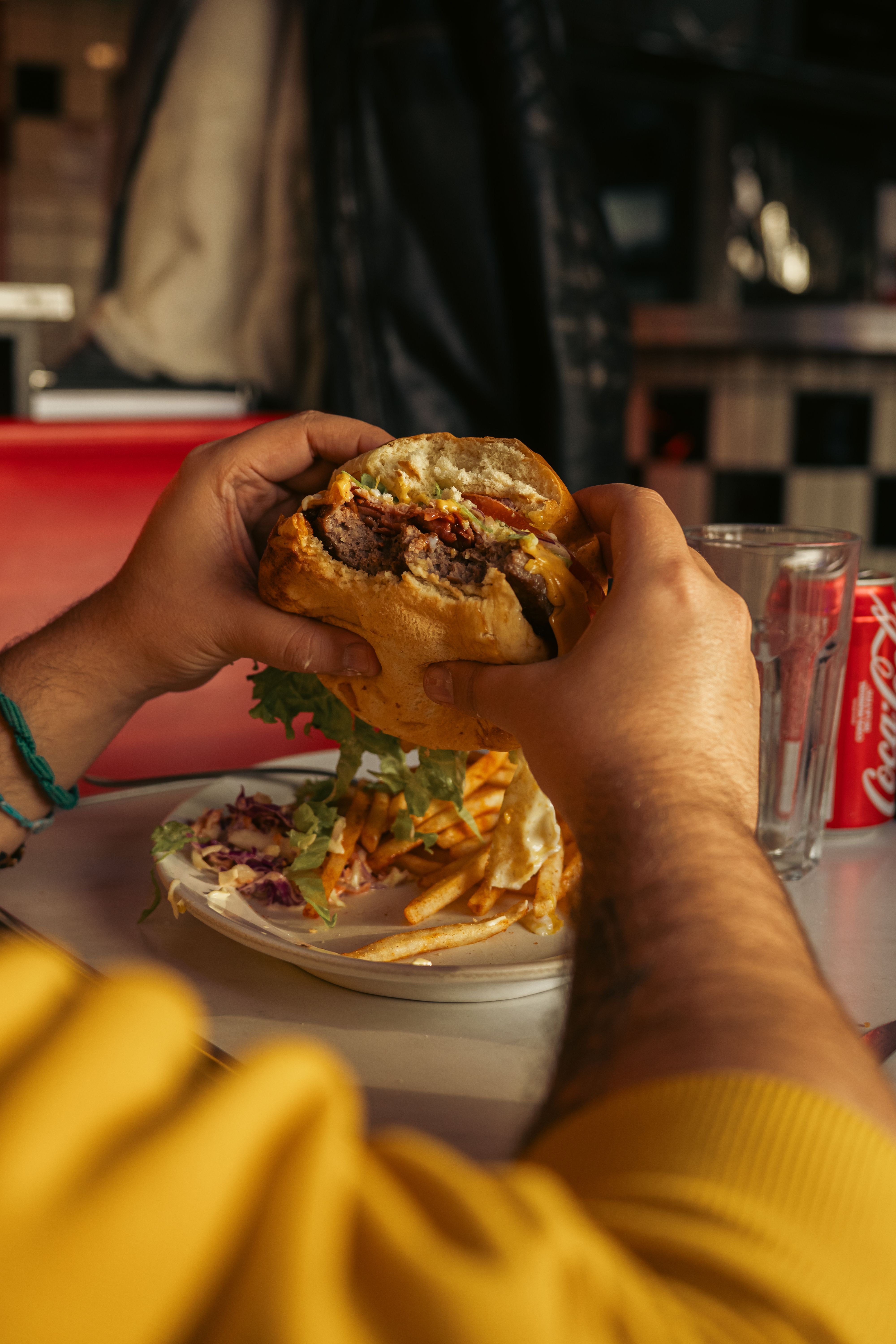
There is often a gap between what restaurant leaders say consumers want and what consumers consistently buy. Chili's resurgence helps close that gap. Most diners are not demanding endless reinvention. They are asking for recognizable food, satisfying portions, predictable service, and prices that do not trigger regret on the ride home.
Canadian consumers in particular have become highly deliberate. Surveys from food industry groups and consumer researchers have repeatedly shown that value, convenience, taste, and familiarity rank near the top when people choose where to eat. Health matters, and so does quality, but those priorities often sit inside a framework of budget awareness and practicality.
That does not mean Canadians have lost interest in discovery. It means novelty works best when attached to something grounded. A new sauce, seasonal item, premium topping, or limited-time dessert can succeed. A fully unfamiliar concept at a high price has a much tougher road in a cautious spending environment.
Chili's success points to the next phase of casual dining
The deeper story is that Chili's succeeded by respecting the customer's mood. People are tired of paying more for less, tired of menus that try too hard, and tired of experiences that feel either rushed or overpriced. Chili's answered with abundance, ease, and a setting that still feels like going out.
That formula will likely influence Canadian casual dining even more in the coming years. Expect more restaurants to emphasize shareables, combo meals, bolder comfort food, and bar-driven energy. Expect clearer pricing and fewer menus that read like identity statements. The winners will be the brands that make customers feel smart, full, and welcome.
In that sense, Chili's is not just a restaurant success story. It is a consumer signal. It shows that when budgets tighten and choices multiply, people do not stop seeking pleasure. They simply become far more specific about the kind they trust.



Leave a Reply