
In Canada, a jar on the shelf often means far more than convenience. It tells a story about weather, distance, memory, and preparedness.
A Harsh Climate Made Preservation Practical
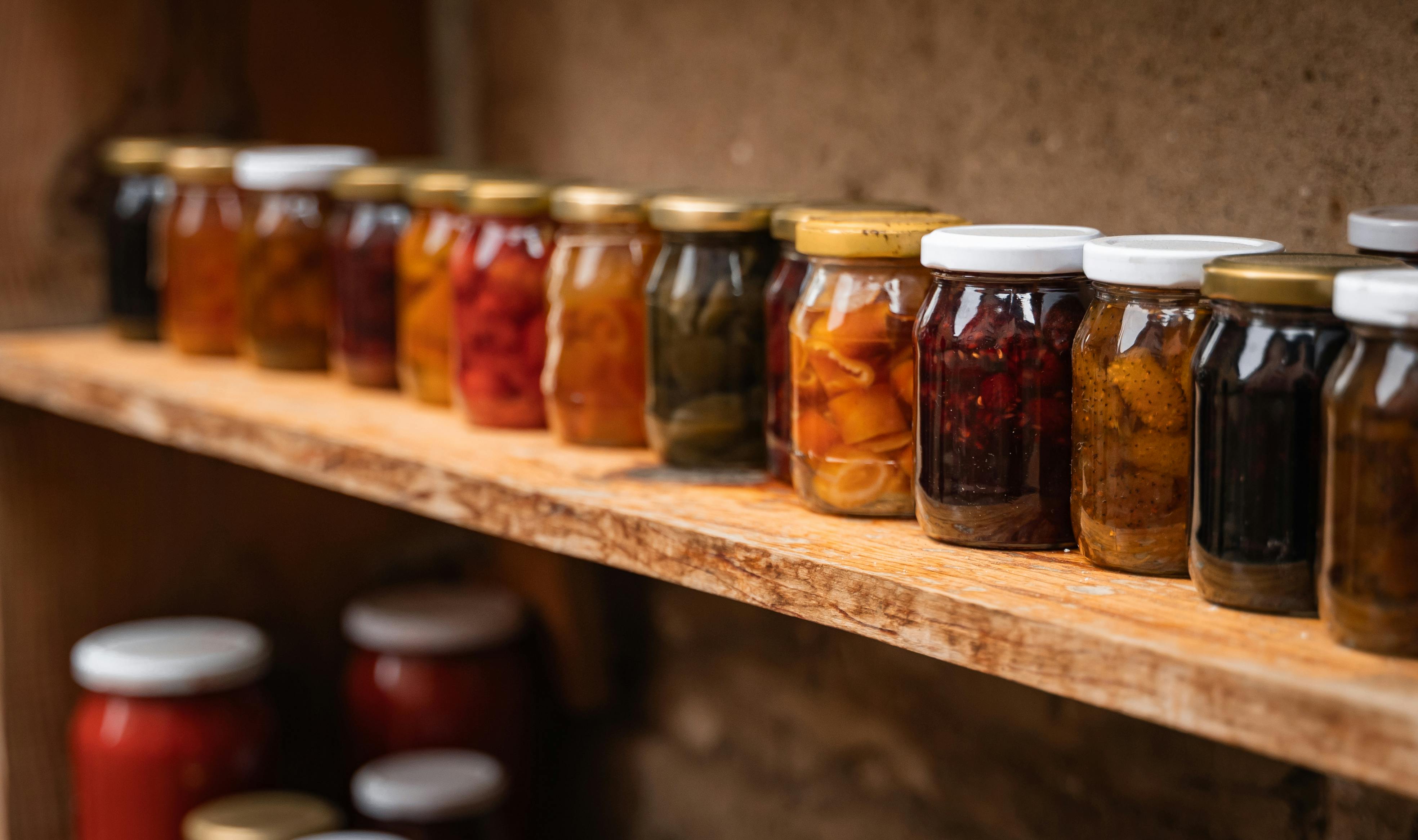
Winter has always shaped Canadian food habits. In a country with long cold seasons, short growing windows, and many remote communities, preserving food was never a quaint pastime. It was a practical response to scarcity.
Before year-round supermarket abundance, families had to stretch summer and fall harvests across months of snow. Root cellars, smoking, salting, drying, and canning helped households keep vegetables, fruits, meat, and fish edible long after fields and lakes froze over.
That legacy still matters. Even in major cities, many Canadians grow up hearing parents and grandparents talk about putting up tomatoes, pickles, jams, or salmon before the first frost, because climate taught generations to respect shelf-stable food.
Geography Turned Self-Reliance Into a National Habit

Canada's size is a major reason preserving remains culturally important. The country spans enormous distances, and many people historically lived far from large markets, rail hubs, or dependable fresh produce supply. In those places, home preservation reduced risk.
In Atlantic fishing communities, preserving catch meant food security and income stability. In the Prairies, garden produce was canned because winter roads, storms, and distance could interrupt access. In the North, preserving country foods and seasonal harvests remains tied to survival and cultural continuity.
Even today, food costs are higher in many remote regions, according to repeated reporting from Statistics Canada and northern food access studies. That reality keeps preservation relevant not as nostalgia alone, but as a rational response to geography and supply vulnerability.
Immigration Brought Deep Preservation Traditions
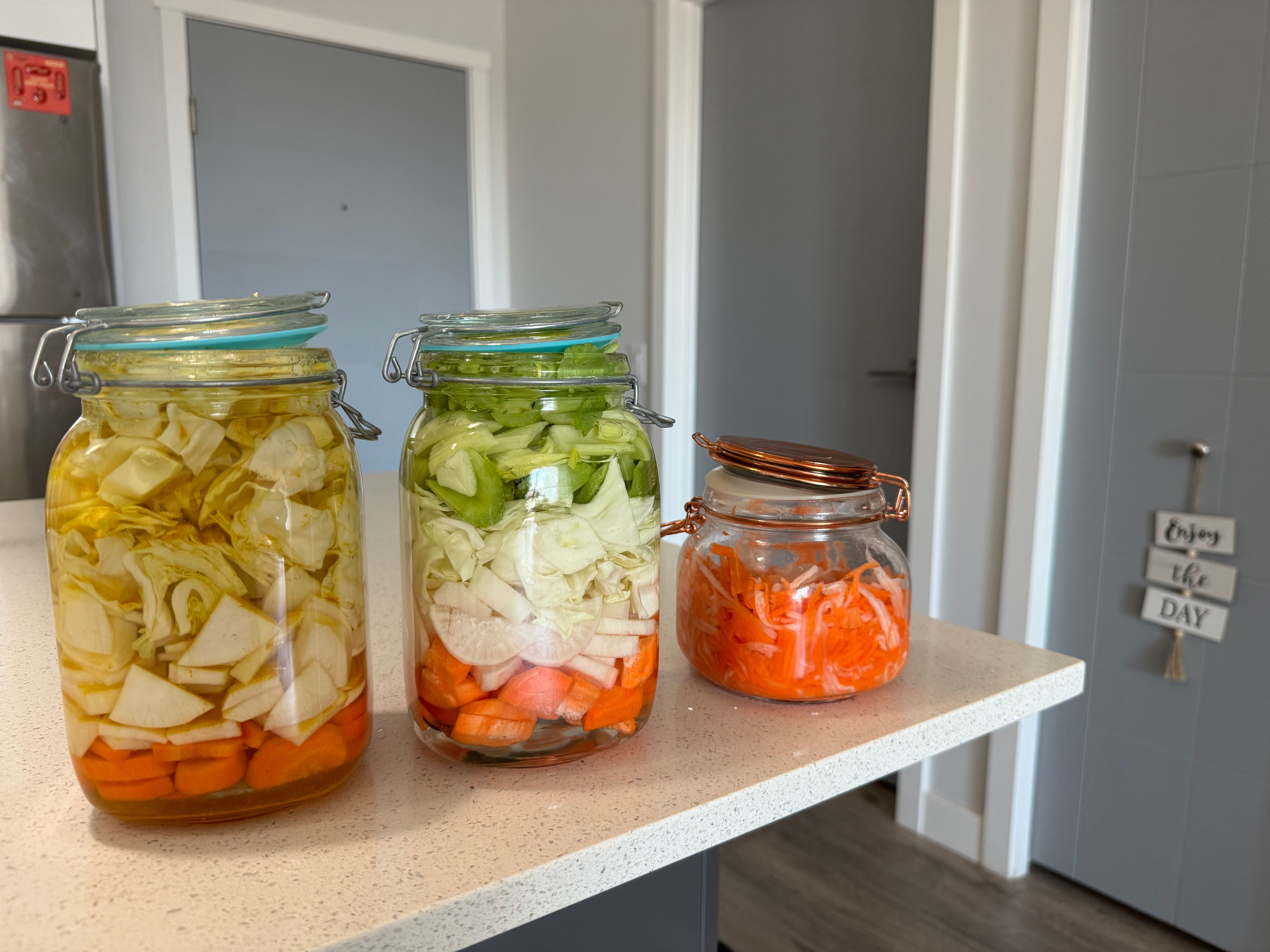
One reason Canadian preserving culture feels unusually strong is that it was reinforced by many immigrant communities rather than one dominant tradition. Ukrainians, Eastern Europeans, Chinese Canadians, Italians, French settlers, and others all brought methods for storing seasonal abundance.
That influence shows up in pantry shelves across the country. Pickled beets, chow chow, canned peaches, fruit butters, fermented cabbage, relishes, antipasti, and preserved mushrooms reflect a mix of regional histories that became distinctly Canadian over time.
Quebec's preserves, Newfoundland's berry traditions, prairie dill pickles, and British Columbia's canned salmon all reveal how food preservation became local while staying globally informed. Instead of fading, these practices were passed down because they remained useful and emotionally meaningful.
Frugality and Waste Avoidance Keep It Relevant

Preserving in Canada is also tied to thrift. When produce is abundant and cheaper during peak season, canning allows households to buy in bulk, use home gardens fully, and avoid watching expensive food spoil on the counter or in the crisper drawer.
That matters in a period of persistently high grocery prices. Canadians increasingly look for ways to make seasonal produce go further, and preserving offers one of the clearest paths to reducing waste while controlling ingredients, salt, sugar, and acidity.
There is also a moral dimension. Many households see preserving as responsible stewardship, especially after spending months gardening, berry picking, fishing, or visiting local farms. Turning a bumper crop into jars feels disciplined, practical, and deeply satisfying rather than old-fashioned.
Public Institutions Helped Normalize Safe Canning
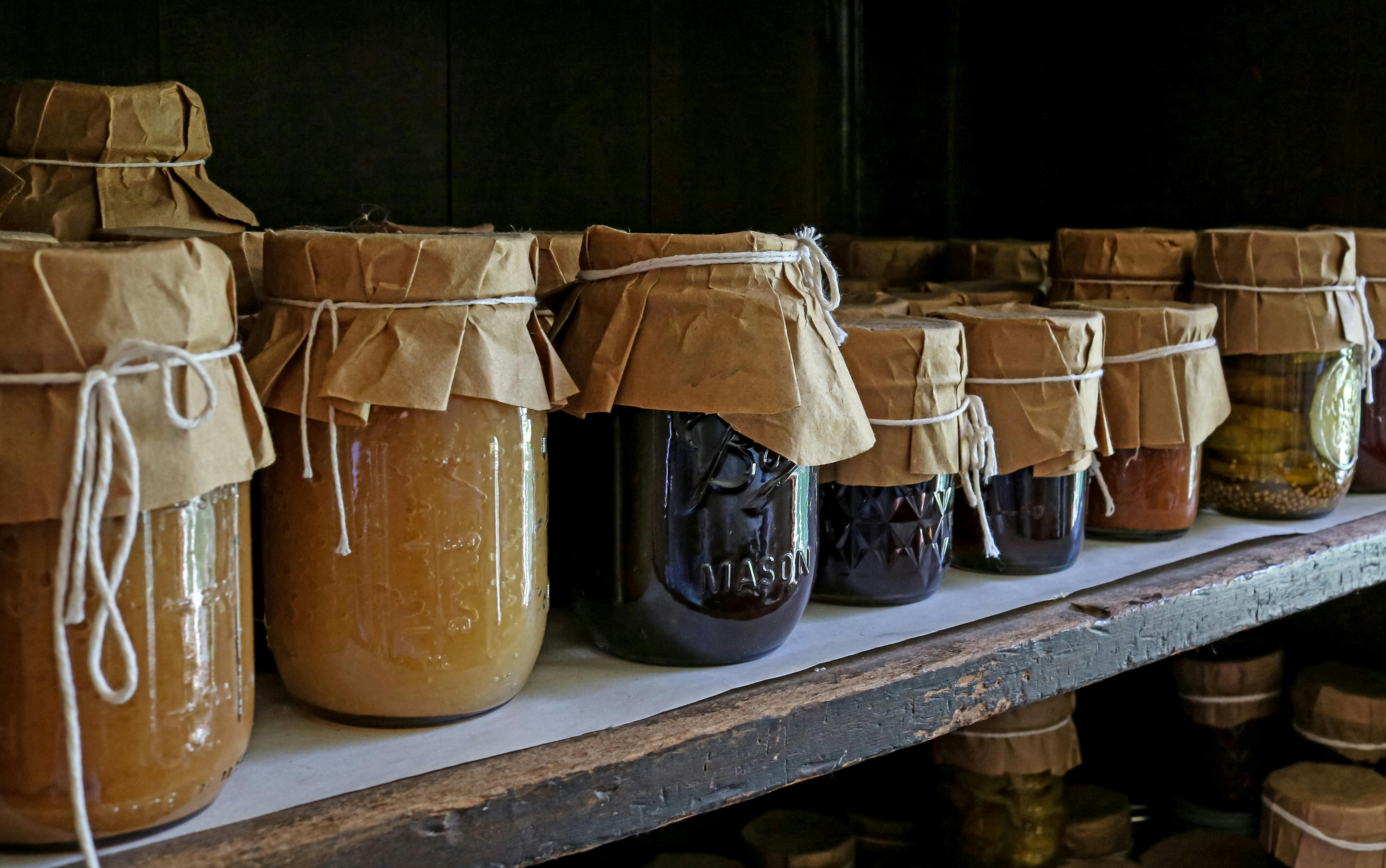
Canada did not sustain preserving culture by tradition alone. Governments, farm organizations, churches, school programs, and home economics networks all helped teach canning as a respectable household skill, especially through the 20th century.
Extension services and food guides promoted preservation techniques for wartime efficiency, rural resilience, and nutrition. Safety messaging became especially important as pressure canning standards, acidity guidelines, and botulism prevention were better understood and shared through public education.
That institutional support gave preserving unusual legitimacy. In Canada, it was not merely grandmother's wisdom. It was something reinforced by agricultural fairs, community cookbooks, cooperative networks, and public-health advice, which helped keep the practice mainstream rather than niche.
It Endures Because It Fits Modern Canadian Values

Today's preserving revival is not just retro charm. It aligns with values many Canadians care about, including local eating, seasonal awareness, sustainability, preparedness, and closer ties to community food systems.
Farmers' markets, homesteading media, and culinary tourism have all helped renew interest. So have shocks such as pandemic-era shortages, wildfire disruptions, and inflation, which reminded people how fragile supply chains can be and why stocked pantries still matter.
Most of all, preserving endures because it offers control. In a vast country where climate, distance, and cost still shape food access, a shelf of sealed jars represents planning, resilience, and pride, which is why Canadians continue to take it so seriously.




Leave a Reply