
Ultra minimalist cooking is less about strict rules than smart restraint. Across Canada, home cooks are trimming ingredients, simplifying routines and finding that fewer steps can still lead to satisfying meals.
Pantry shelf essentials
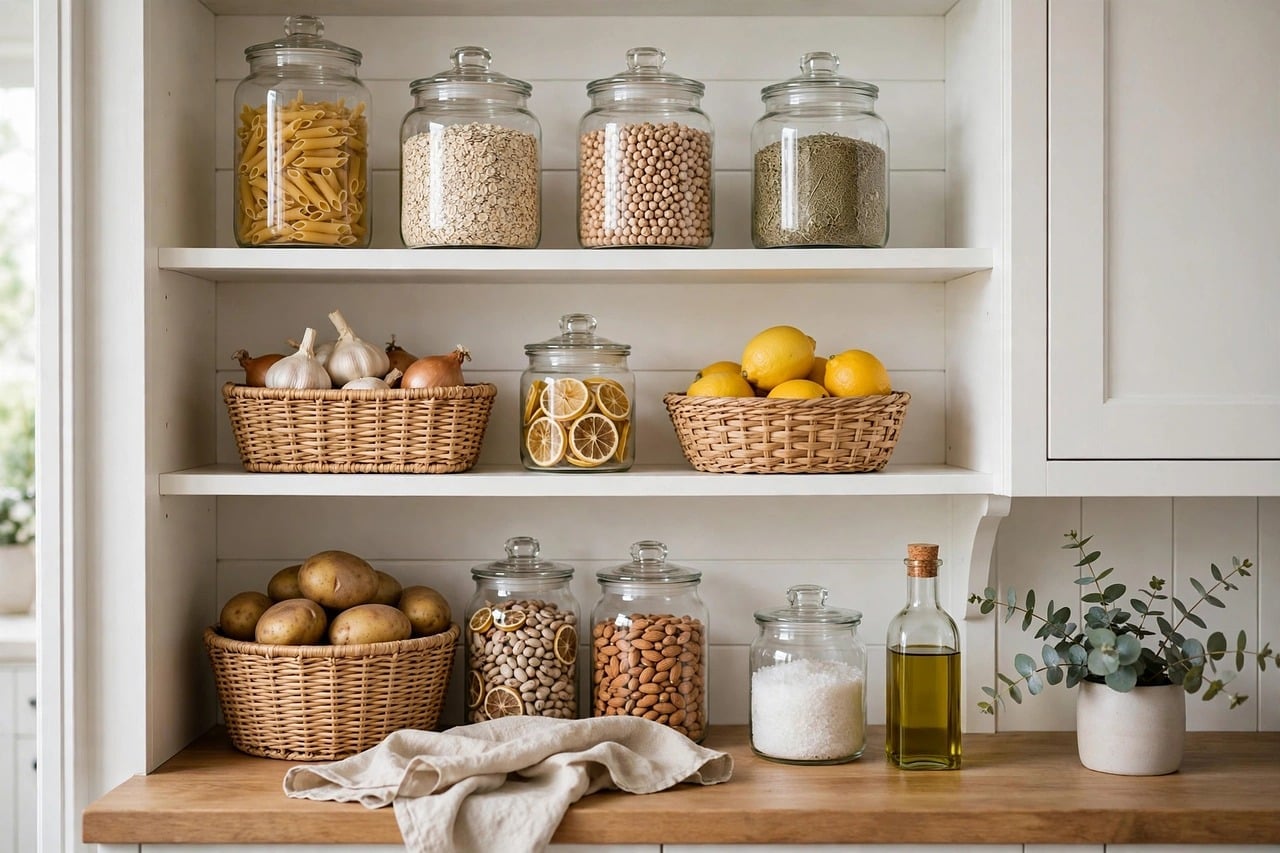
One reason minimalist cooking feels practical in Canada is that a small pantry goes a long way. Staples like dried pasta, rice, canned tomatoes, lentils, oats and beans can handle weeknight dinners, soups and breakfasts without constant shopping. That matters in a country where weather, distance and rising food costs can make frequent grocery trips less appealing.
The appeal is not only cost. Shelf stable basics also reduce decision fatigue, which is the mental load of figuring out what to cook every day. A compact set of ingredients makes meal planning easier, helps households rotate what they already have and lowers the odds that fresh food gets forgotten in the back of the fridge.
The one pan dinner
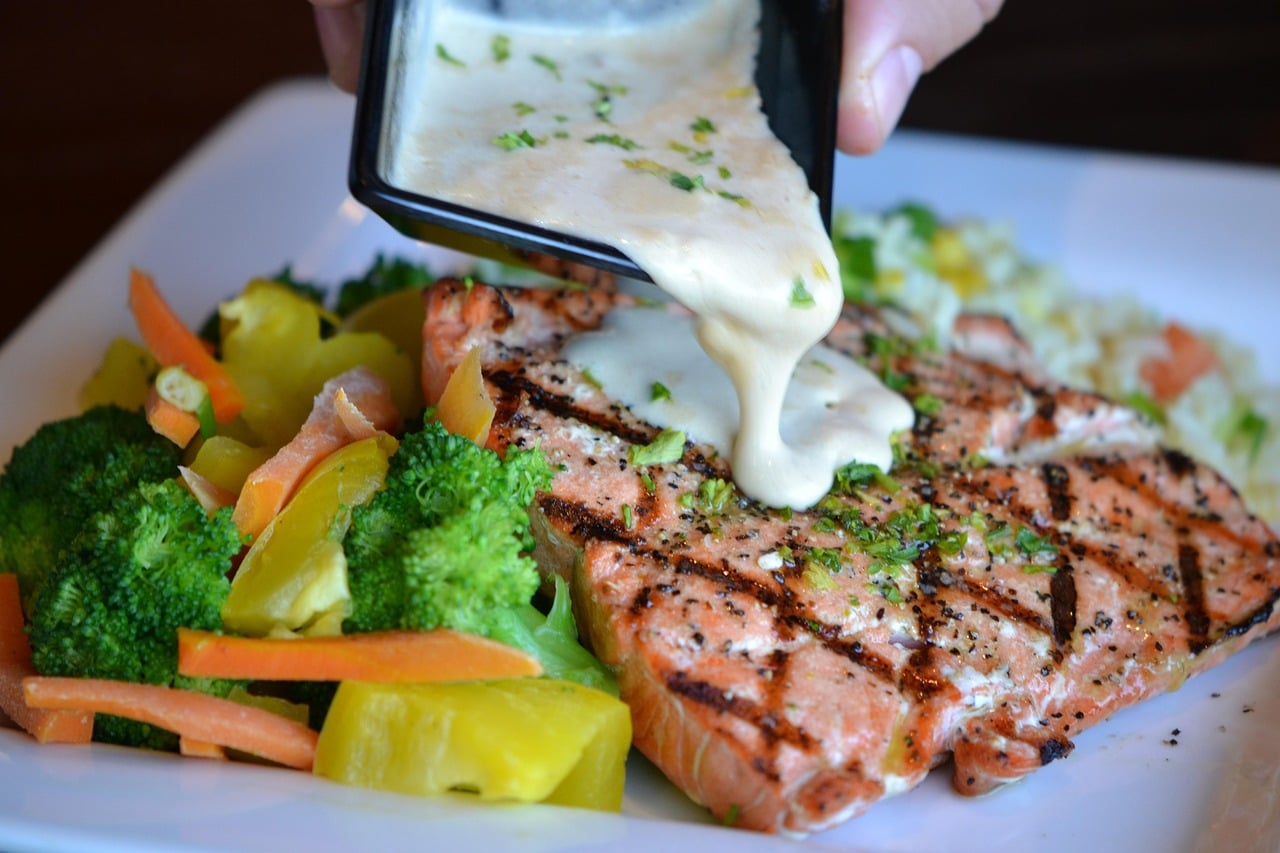
A single skillet or sheet pan has become a symbol of the minimalist kitchen. It cuts down on cleanup, keeps cooking approachable and works well for familiar Canadian staples like salmon, potatoes, root vegetables and chicken thighs. For busy households, that combination of speed and lower mess can be just as important as flavor.
This style also rewards flexible technique over rigid recipes. A pan of vegetables can be roasted with oil and salt, then finished with a simple sauce or a fried egg. The same method works across seasons, which suits Canadian cooks who often shift between summer produce, hardy winter vegetables and frozen ingredients.
Fewer ingredients, clearer flavors
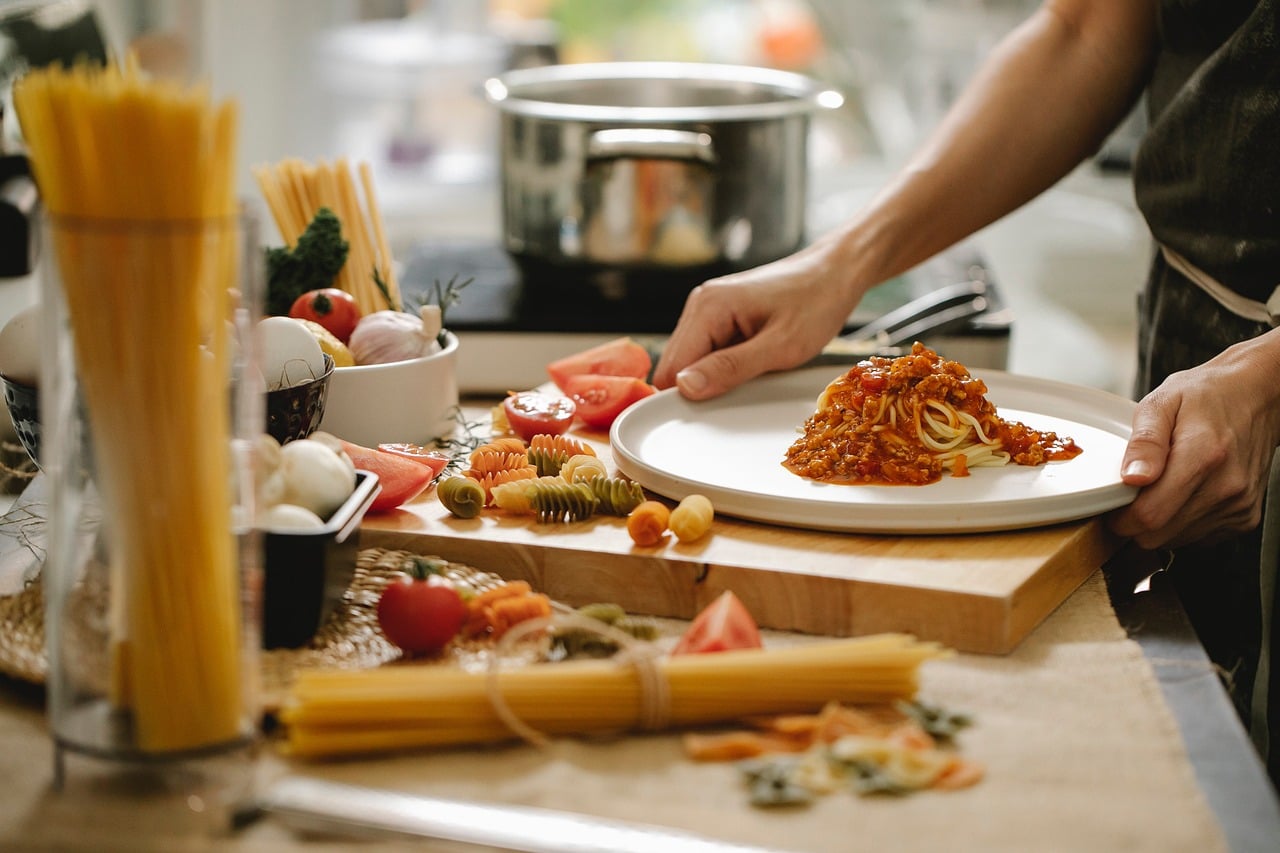
Minimalist cooking often means using fewer ingredients on purpose, not settling for less. Instead of long shopping lists, cooks focus on ingredients that bring strong flavor on their own, such as butter, garlic, onions, mushrooms, cheddar, maple syrup or mustard. The result can feel more confident because every element has a clear job.
That approach also makes quality easier to notice. A good loaf of bread, ripe tomatoes or fresh herbs can carry a dish when there are only a few components on the plate. In many Canadian homes, this has encouraged a return to simple standards like soup, toast, roasted vegetables and omelets that rely more on technique than on novelty.
Freezer friendly habits
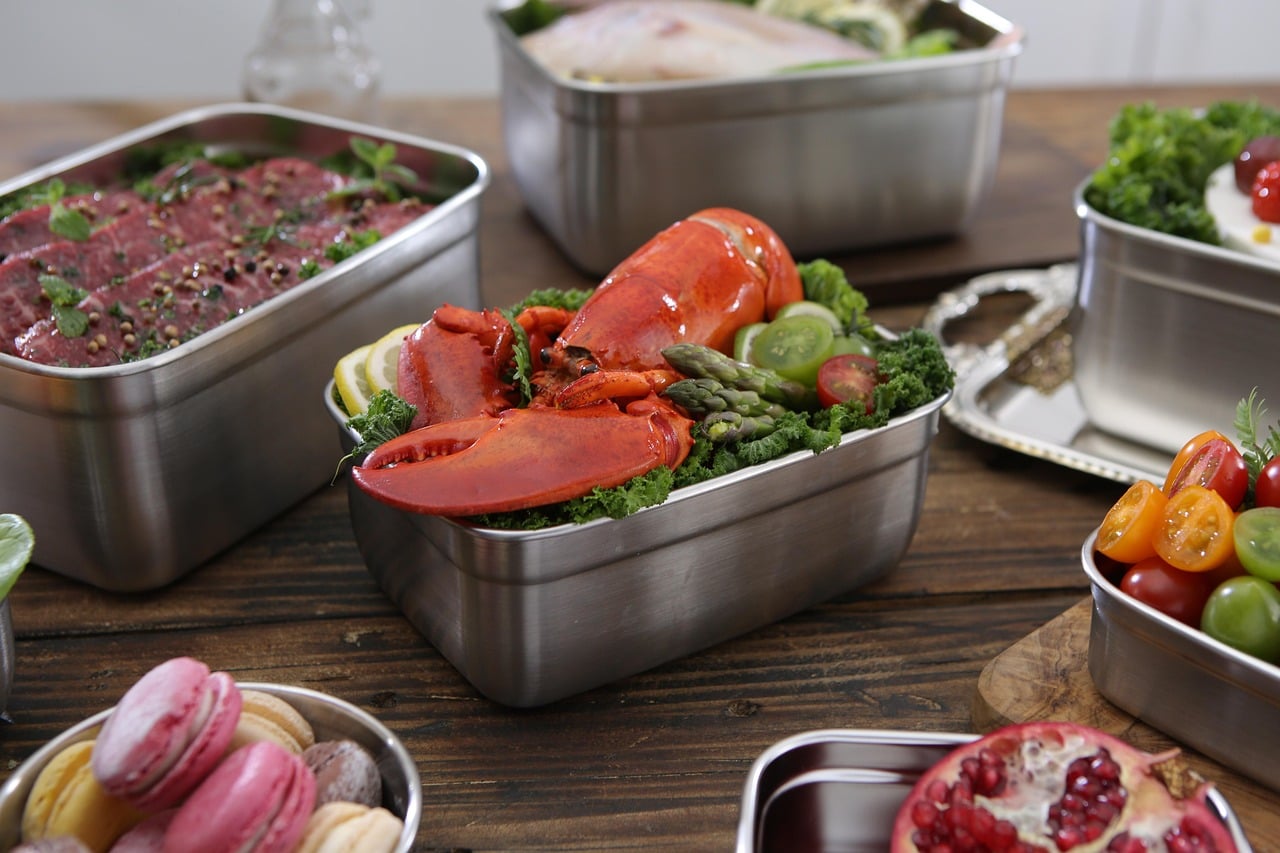
Canada's climate has always made the freezer useful, but minimalist cooks treat it as a central tool instead of a backup plan. Frozen peas, berries, spinach, bread, stock and batch cooked soups allow people to keep ingredients on hand without overbuying fresh items. That can make everyday cooking feel calmer and more efficient.
The freezer also supports portion control and waste reduction. Leftover chili, cooked grains or sliced bread can be stored in practical amounts, then used exactly when needed. For smaller households, especially singles and older adults, this matters because buying family sized packages is common, while using everything before it spoils is not always realistic.
Small kitchens, smarter tools
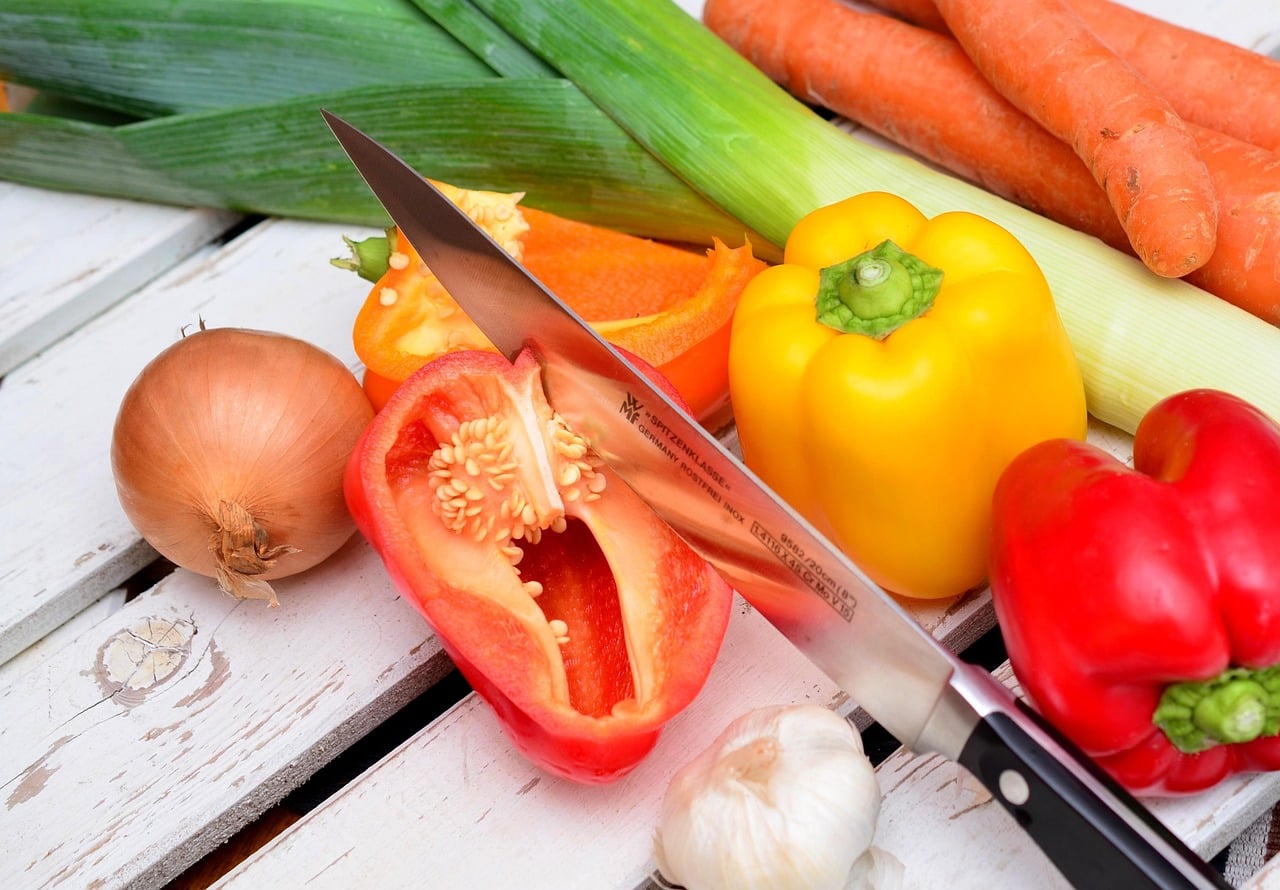
Minimalist cooking fits naturally in condos, apartments and older homes where kitchen space is limited. In those settings, a few versatile tools matter more than a drawer full of gadgets. A chef's knife, cutting board, Dutch oven, baking sheet and blender can cover soups, sauces, roasted meals and quick breakfasts with little clutter.
This preference reflects a broader shift in how people think about cooking at home. Many Canadians are choosing tools that earn their space through repeated use rather than single purpose devices. The benefit is practical and visual: counters stay clearer, storage is simpler and cooking feels less like a project that requires equipment for every possible task.
Comfort food, stripped back
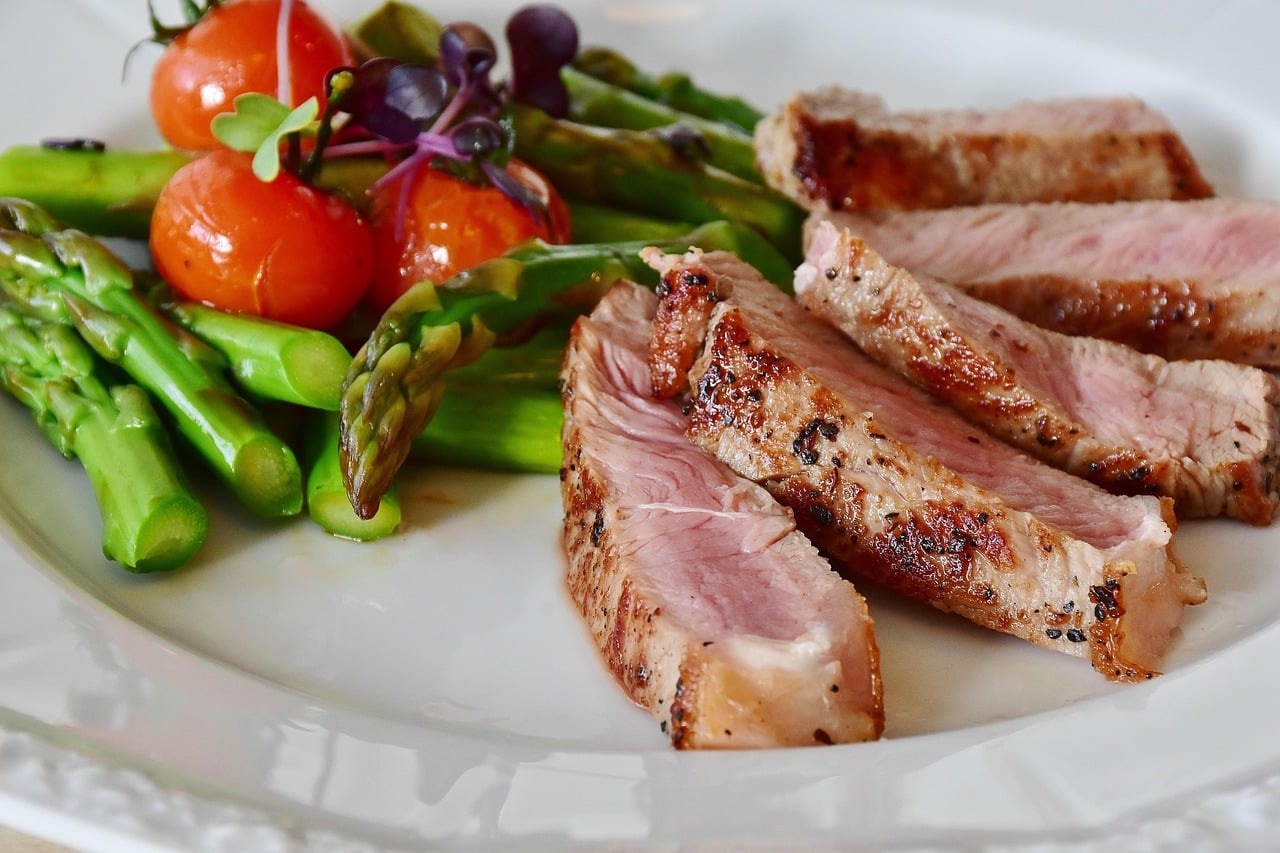
The strongest case for ultra minimalist cooking may be that it still leaves room for comfort. Many Canadian favorites already lean simple, from tomato soup and grilled cheese to baked potatoes, porridge and roast chicken. These are foods built on familiarity, not excess, which makes them a natural fit for a pared down approach.
What changes is the method. People are simplifying shopping, cooking from what they already have and repeating meals that reliably work. In that sense, minimalist cooking is not a rejection of pleasure or tradition. It is a way of protecting both, using less time, less waste and fewer ingredients to keep home cooking sustainable.



Leave a Reply