
Menus across Canada are getting hotter, sweeter, and more aromatic. Caribbean flavors are showing up on dishes with no Caribbean roots because they deliver exactly what today's diners want: impact, familiarity, and a story.
Immigration changed the Canadian palate first
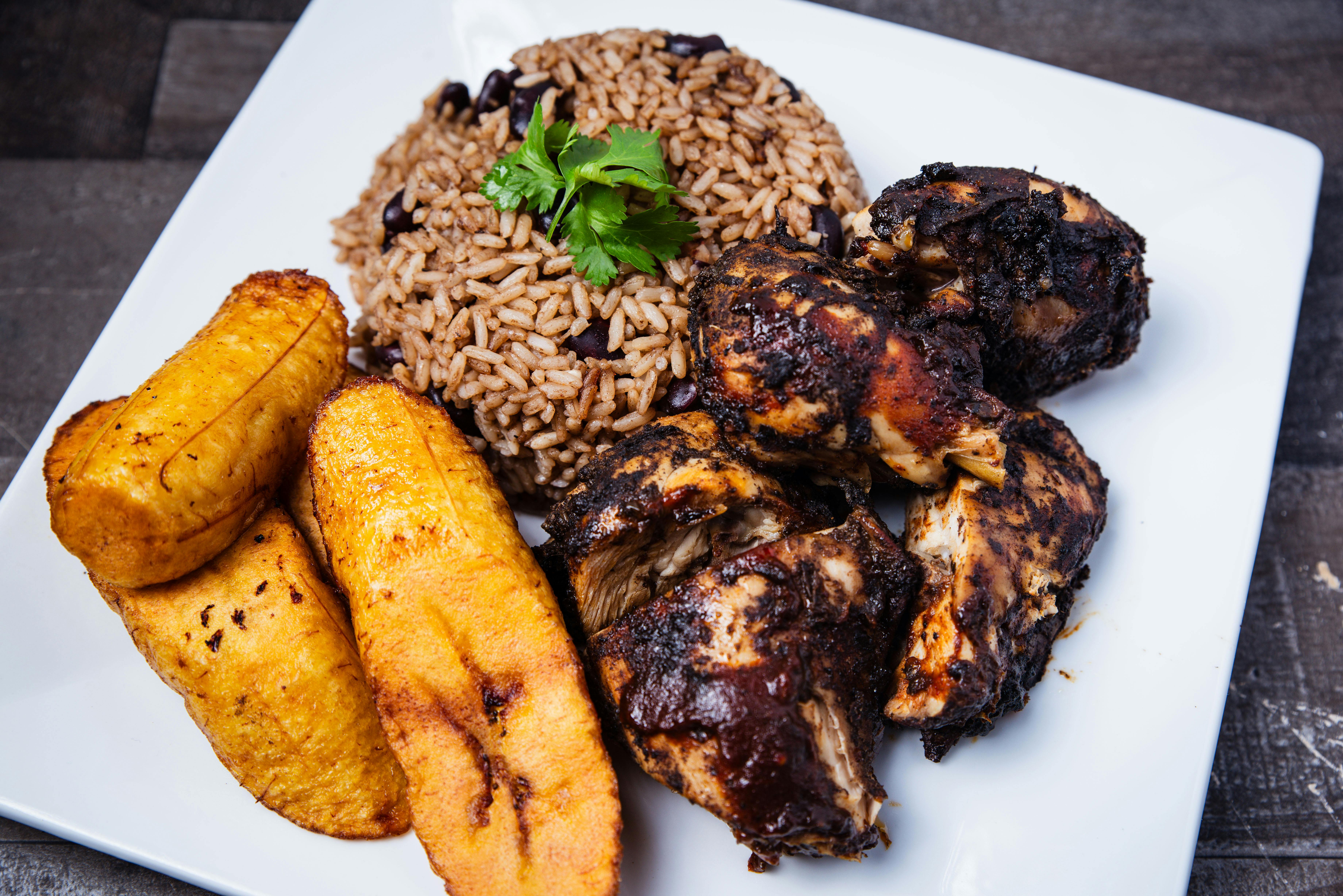
The simplest explanation starts with population change. Toronto, Montreal, Ottawa, Calgary, and Vancouver have all been shaped by Caribbean migration, especially from Jamaica, Trinidad and Tobago, Guyana, Haiti, and Barbados. Those communities did not just open restaurants. They changed grocery shelves, school lunches, street festivals, and everyday expectations around spice, marinades, patties, roti, and tropical ingredients.
That influence has been especially visible in Ontario, where Caribbean restaurants, bakeries, and takeout counters have been neighborhood staples for decades. Events such as Toronto's Caribbean Carnival helped move jerk, sorrel, doubles, and oxtail from community foods into the national imagination. Once enough Canadians know the taste of jerk seasoning or pepper sauce, chefs no longer have to explain it.
The result is a broader flavor literacy. A customer who has eaten jerk chicken can easily understand jerk fries, jerk wings, or a jerk burger. Restaurants respond when a once-specialized flavor becomes widely legible.
Bold flavor now beats rigid authenticity
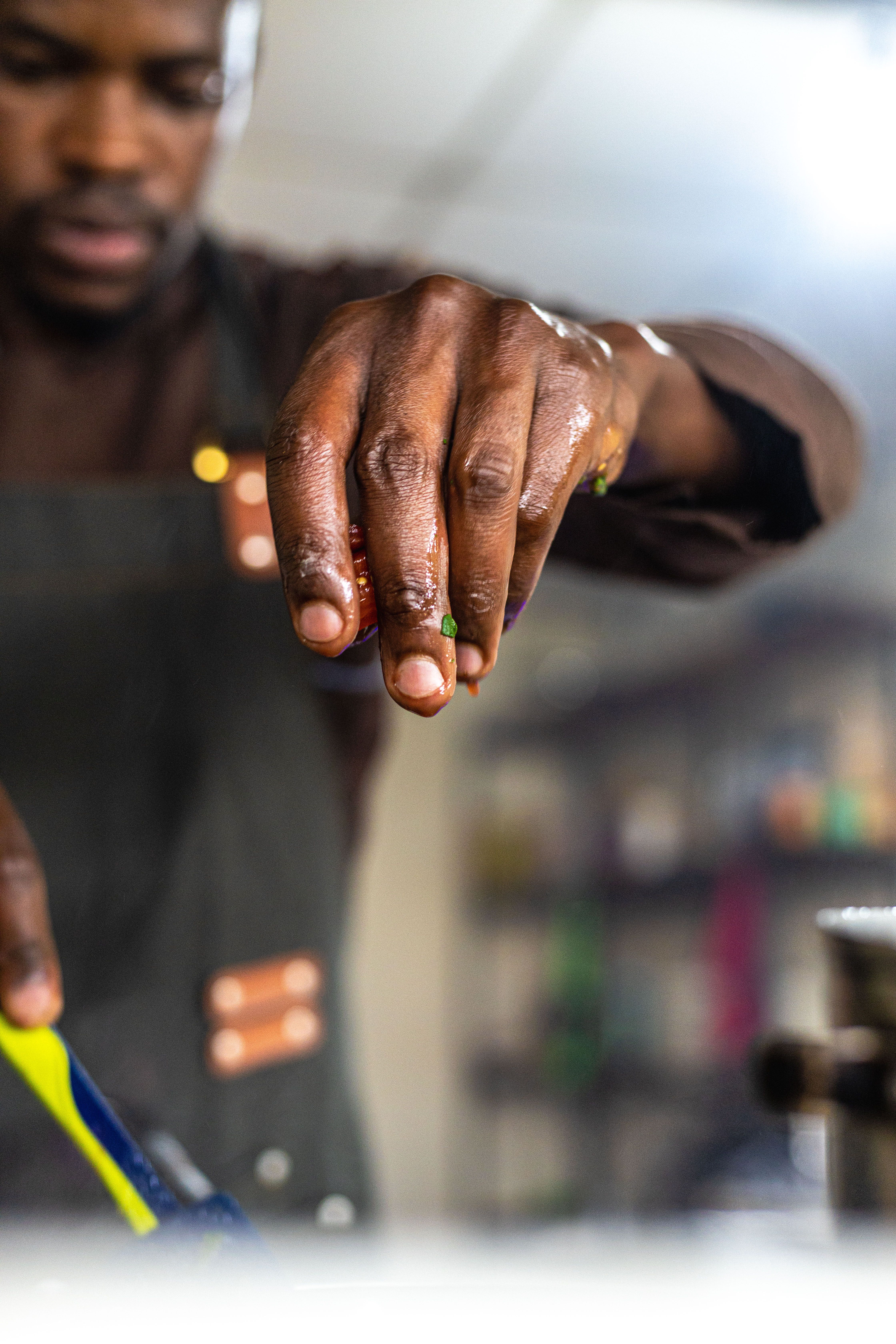
Canadian diners have become more open to fusion, but the deeper change is about how people choose food. Many are ordering based on cravings, intensity, and novelty rather than whether a dish follows one culinary tradition faithfully. Caribbean flavors work well in that environment because they are vivid, layered, and instantly noticeable.
Jerk seasoning brings smoke, heat, allspice, thyme, garlic, and sweetness in one stroke. Tamarind adds tang and depth. Scotch bonnet delivers fruitiness as well as fire. These flavors can transform fries, pizza, mac and cheese, and sandwiches without requiring a kitchen to rebuild its entire operation.
Chefs and chain operators know this. In a crowded market, a menu item needs to stand out fast. "Caribbean-inspired" has become a useful signal for food that feels exciting but still approachable, especially when built onto familiar formats like bowls, wraps, loaded potatoes, or fried chicken sandwiches.
Delivery apps reward recognizable excitement

A major driver of this trend is the digital menu. On delivery apps, restaurants have only a few seconds to catch attention, and dishes with vivid descriptors perform better than plain ones. "Jerk chicken poutine" is easier to notice than standard gravy fries. "Coconut curry wings" sounds more craveable than plain wings with hot sauce.
This matters because off-premise dining changed how menus are designed. Operators increasingly build items for photos, impulse, and quick flavor cues. Caribbean ingredients help on all three fronts: charred meats, bright sauces, pickled slaw, fried plantain, and rice dishes all look strong on screen and travel relatively well.
There is also low operational risk. A kitchen already making fries, tacos, burgers, or rice bowls can add jerk mayo, pineapple chutney, curry gravy, or pepper sauce without reinventing its supply chain. From a business perspective, that is efficient innovation.
Caribbean cuisine fits Canada's comfort-food habits

Some flavor trends stay niche because they clash with local eating habits. Caribbean food does the opposite. It pairs naturally with the hearty, filling, sauce-friendly foods Canadians already love, including poutine, fried chicken, grilled meat plates, sandwiches, and late-night takeout. That compatibility makes crossover easy.
Take poutine as an example. Traditional poutine is rich, salty, and soft. Add jerk chicken, curried goat, or peppery gravy, and the dish gains acidity, spice, and aroma without losing its comfort-food appeal. The same logic applies to mac and cheese topped with oxtail or to loaded rotisserie sandwiches finished with slaw and jerk aioli.
Plantain has also crossed over smoothly. It can function like a side, a starch, or a sweet-savory contrast. For chefs, that versatility makes Caribbean ingredients practical, not just fashionable.
Social media turned flavor into identity
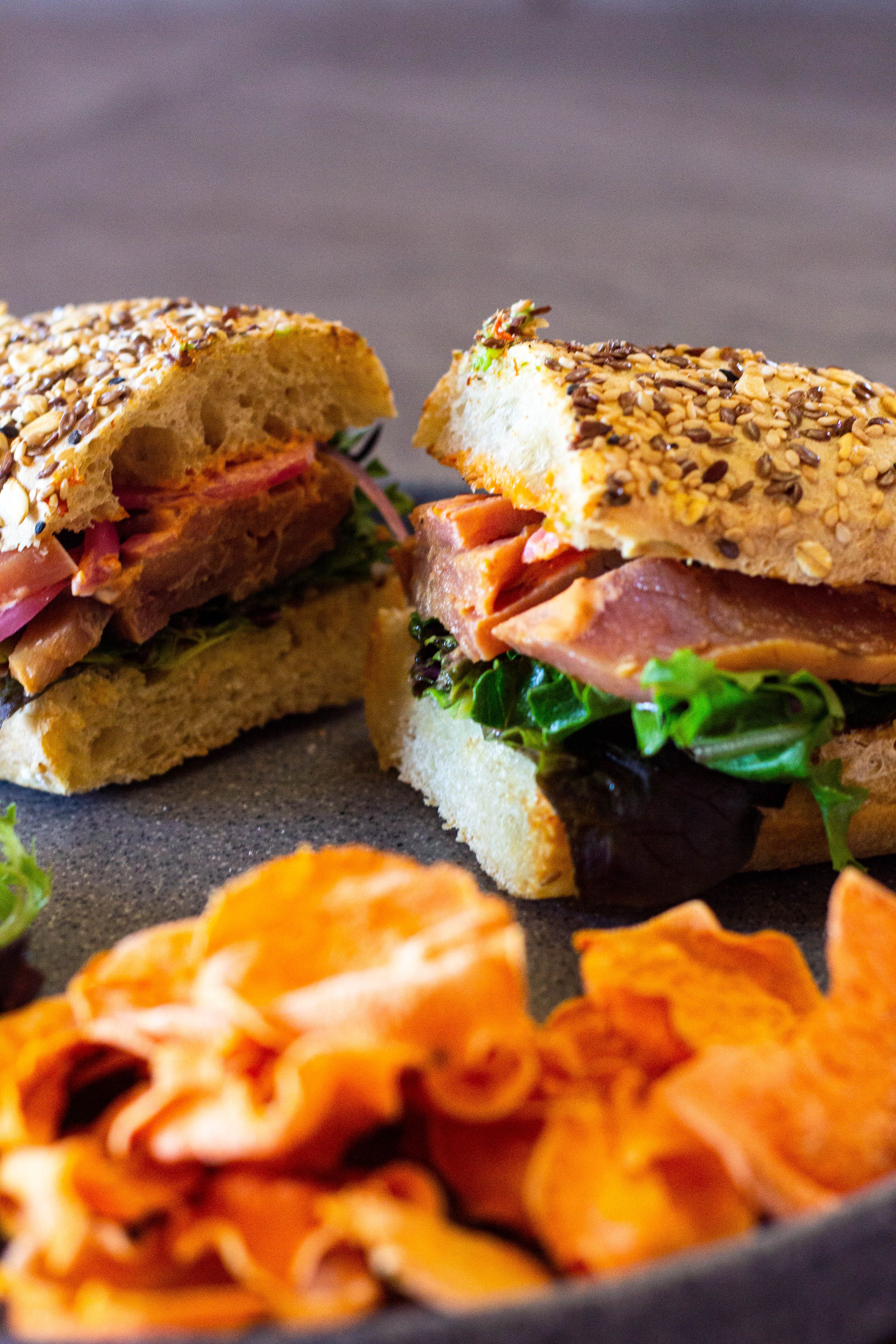
Today, dishes are not only eaten. They are photographed, reviewed, ranked, and circulated. Caribbean flavors help restaurants create menu identities that feel bold and culturally aware. A plain chicken sandwich may disappear online. A crispy sandwich with jerk spice, pineapple slaw, and scotch bonnet honey has a much better chance of being shared.
Younger diners, especially in major cities, often want food that feels both globally informed and personally expressive. Ordering a Caribbean-spiced taco or curry-loaded poutine signals adventurousness without demanding total unfamiliarity. It is a safe kind of discovery, which is exactly what many casual diners want.
Food media has reinforced this pattern. Television, short-form video, and chef culture have taught audiences to recognize jerk, roti, patties, and island pepper sauces as markers of excitement and credibility.
The opportunity is real, but so is the responsibility
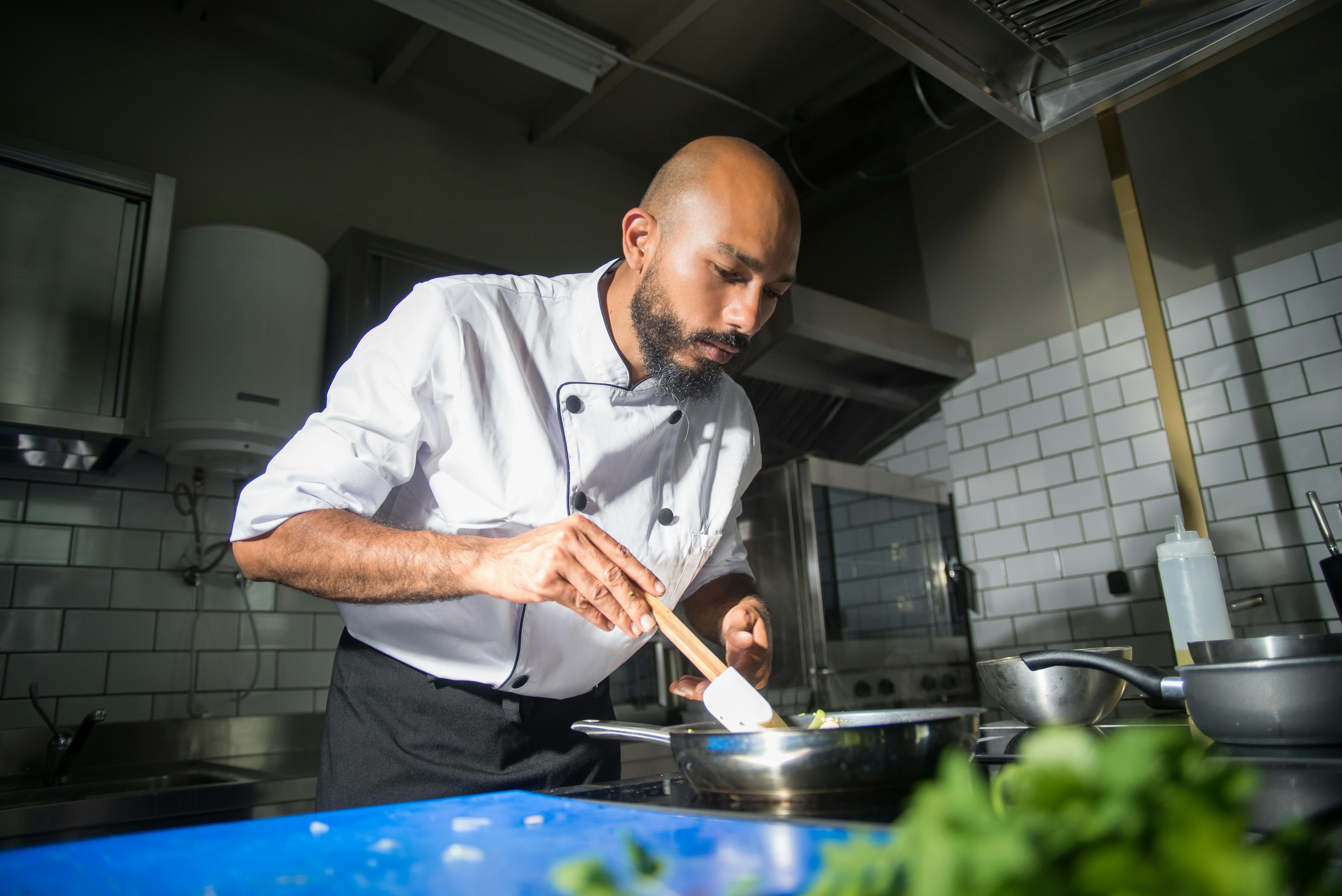
There is a productive version of this trend and a shallow one. At its best, Caribbean influence means more visibility for cooks, restaurateurs, and food traditions that have long shaped Canadian cities. It can create supply opportunities, partnerships, and broader respect for regional differences within Caribbean cooking, which is far from monolithic.
At its weakest, the trend reduces a complex set of cuisines to a few buzzwords like "jerk" or "island." That is where criticism emerges, especially when restaurants borrow flavor language without understanding ingredients, technique, or cultural context. Diners are increasingly able to tell the difference.
The restaurants that succeed tend to do more than sprinkle seasoning onto familiar food. They work with Caribbean chefs, learn the traditions, source properly, and explain dishes clearly. In Canada, Caribbean flavor on non-Caribbean food is no longer a gimmick. It is a sign of how the country now eats.



Leave a Reply