
The future of dining in Canada increasingly looks like the past. That is not an accident, but a calculated response to a difficult market.
Nostalgia is safer than experimentation

For many Canadian restaurants, nostalgia is not just a style choice. It is a risk-management tool in an industry where margins are thin, rent is high, and customer patience is lower than it was before inflation reshaped household spending.
Launching a bold new concept takes money, time, and luck. Reviving diner breakfasts, steakhouse classics, or 1990s cocktail culture is easier because customers already understand the offer before they walk through the door.
Operators know that familiarity sells. A grilled cheese with tomato soup, a wedge salad, or a banana split carries less marketing burden than an inventive plate that needs explanation and may not justify a higher price.
Inflation changed what people want from restaurants
Sticker shock has altered dining psychology across the country. Statistics Canada has repeatedly shown food prices climbing faster than many households can comfortably absorb, and that has changed what people expect when they go out to eat.
When consumers spend more, they often want emotional value as much as culinary novelty. Nostalgic dishes feel comforting, dependable, and worth the money because they connect to childhood, family outings, or simpler routines people believe they once had.
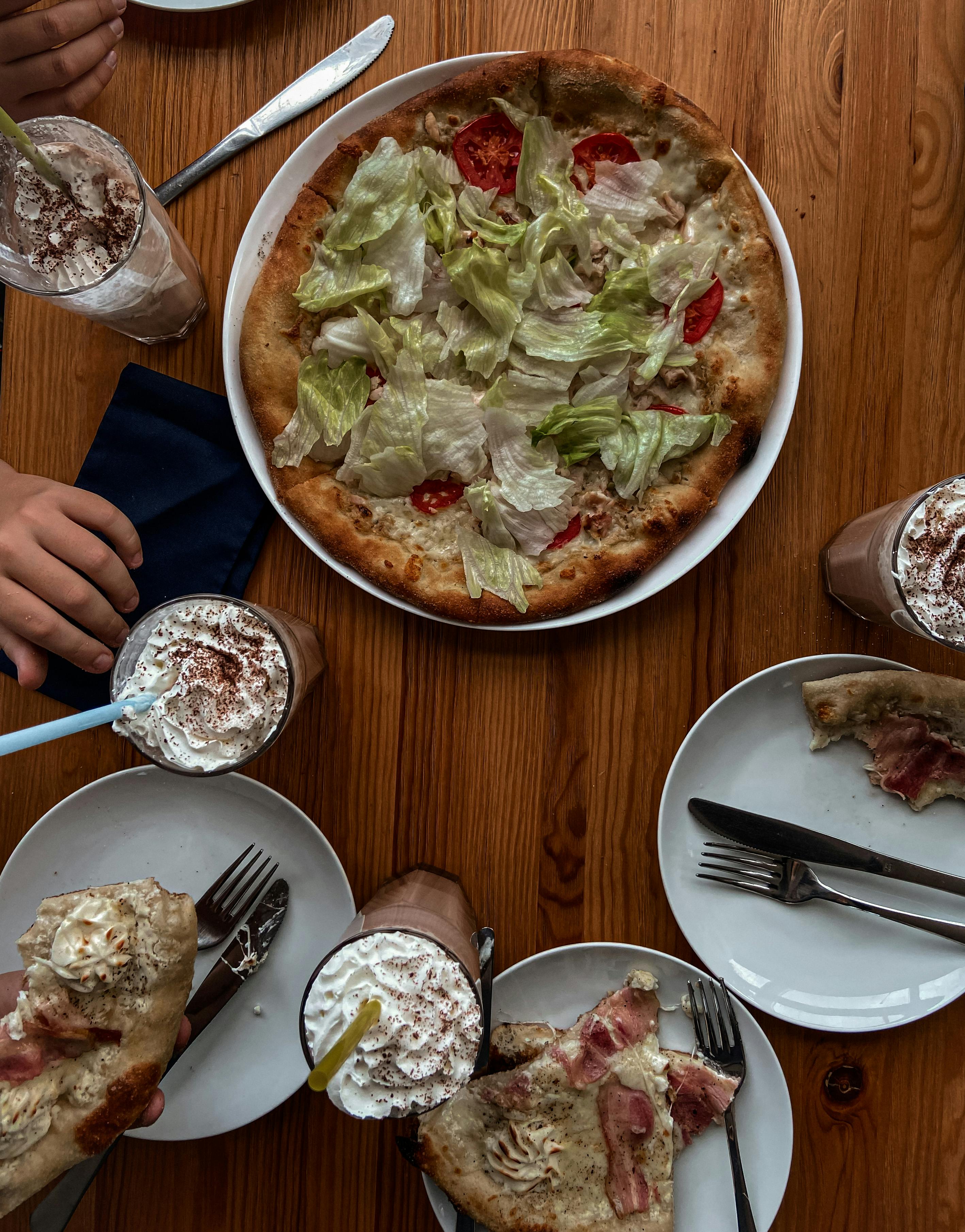
This is why menus now lean into roast chicken, burgers, meatloaf, soft-serve desserts, and old-school Caesar cocktails. Restaurants are selling reassurance, not just dinner, and reassurance is easier to package when the food already means something to guests.
Social media rewards recognizable comfort food
At first glance, nostalgia seems opposed to internet culture. In reality, platforms like TikTok and Instagram often reward the instantly recognizable, especially when it carries a twist that feels playful rather than intimidating.
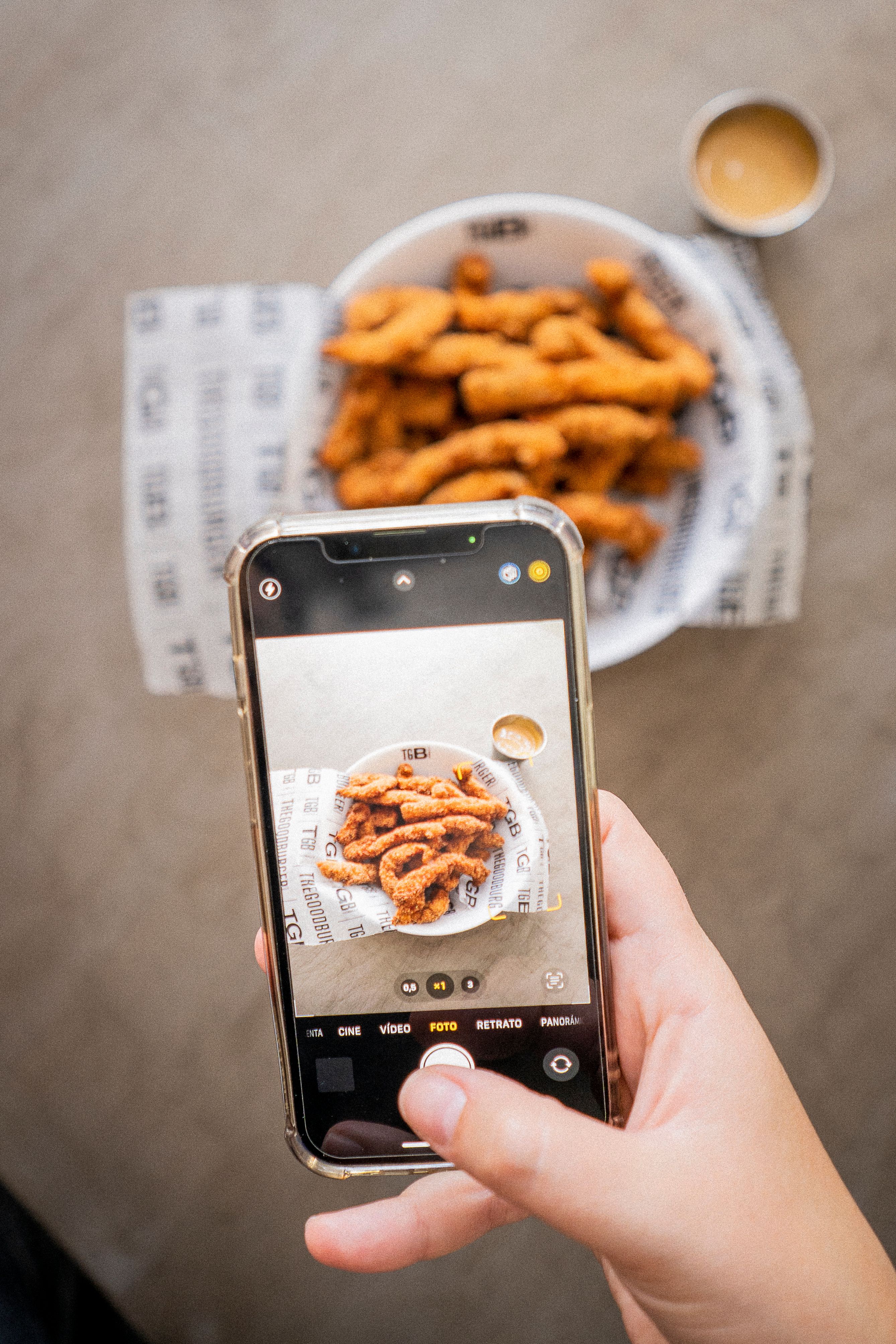
A retro milkshake, checkerboard floor, or basket of fries served in diner paper photographs well because people know exactly what they are seeing. The emotional cue lands in seconds, which matters in feeds where attention is brutally short.
Canadian restaurants have noticed that recognizable visuals outperform many chef-driven experiments online. A throwback sundae or a revived chain-style garlic bread can trigger memory, irony, and appetite all at once, making it highly shareable without being difficult.
Restaurant groups are using nostalgia as a brand formula
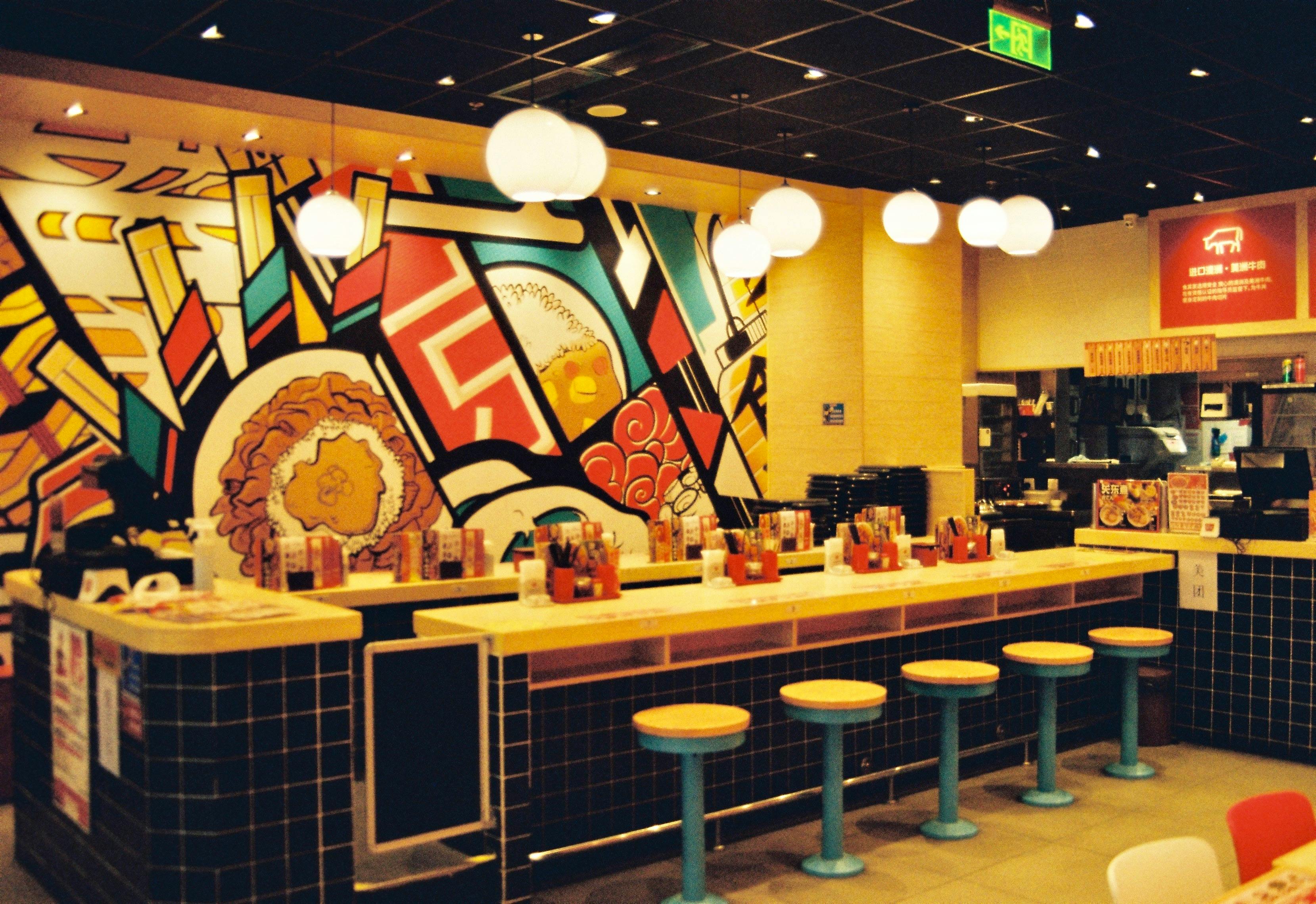
This trend is not limited to independent diners. Restaurant groups and hospitality companies are increasingly building entire concepts around curated familiarity, from mid-century design cues to menus modeled on old continental restaurants and suburban family chains.
The logic is straightforward. Investors prefer formats that are easier to scale, easier to explain, and more likely to attract broad demographics, especially when consumer confidence is uneven and downtown foot traffic remains inconsistent in some Canadian cities.
According to industry reporting from outlets like Restaurants Canada and major business publications, operators are under pressure to make every seat work harder. Nostalgia helps by widening appeal across generations, from older guests seeking memory to younger diners seeking novelty through the past.
There are fewer truly new ideas than the industry admits
Restaurants have always borrowed, recycled, and rebranded. What feels different now is the speed with which trends are exhausted, copied, and flattened, leaving little room for a concept to feel new before it becomes familiar or commercially diluted.
The result is a market where originality is expensive but imitation is efficient. A restaurant can spend years refining a fresh identity, only to watch customer response remain uncertain while a retro concept next door fills seats with much less friction.
That does not mean creativity is dead. It means creativity is being redirected into presentation, storytelling, and selective revival rather than radical invention. In many cases, the smartest operators are not creating from scratch. They are editing the past for present demand.
Nostalgia works, but it also reveals a deeper industry fatigue
The embrace of nostalgia is profitable because it meets a real emotional need. After years of pandemic disruption, inflation, staffing shortages, and supply instability, both diners and restaurateurs are gravitating toward what feels stable, legible, and low-risk.
Still, the trend says something bigger about the state of restaurant culture in Canada. When the safest path is to revive old moods and old menus, it suggests an industry that is financially constrained and creatively cautious, not simply one that loves retro charm.
For now, nostalgia is likely to keep winning because it lowers uncertainty on both sides of the table. But its popularity also raises a harder question: whether Canadian restaurants are rediscovering timeless pleasures, or simply retreating from the cost of invention.




Leave a Reply